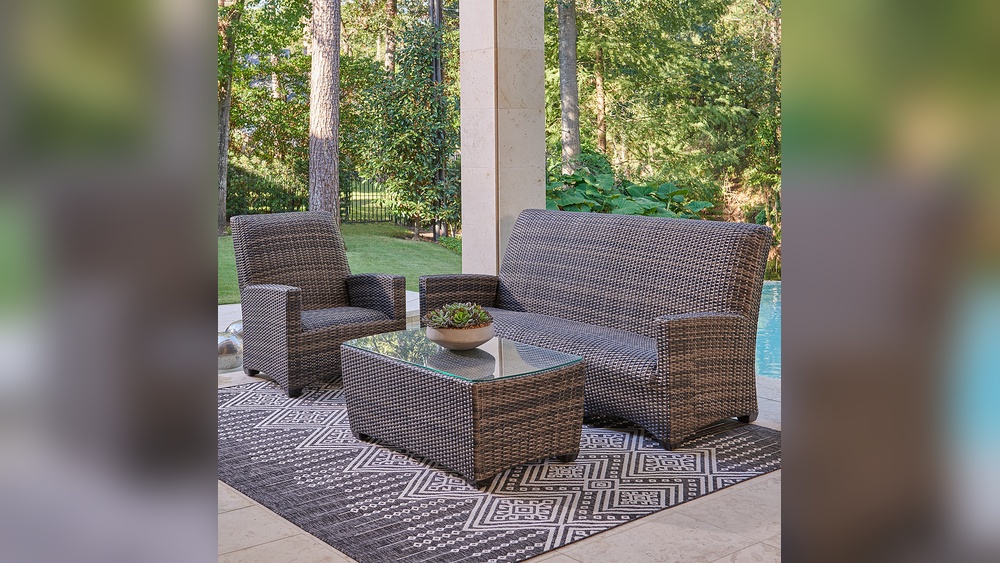
If you want your outdoor wicker furniture to look fresh and last longer, choosing the right paint is key. You might wonder which paint can handle the sun, rain, and changing seasons without peeling or fading.
Picking the wrong type can leave your furniture looking worse, wasting your time and money. You’ll discover exactly what paint works best for outdoor wicker, how to prepare your furniture, and tips to make your makeover last. Keep reading to transform your wicker pieces into weatherproof beauties you’ll love showing off.
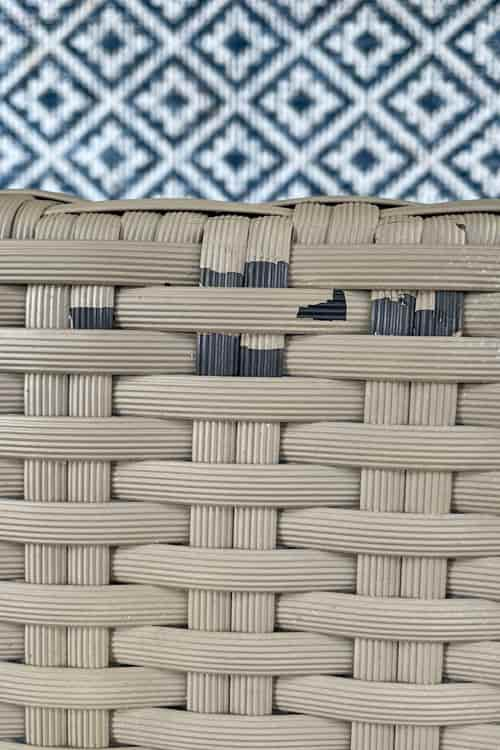
Credit: porchdaydreamer.com
Types Of Paint For Outdoor Wicker
Choosing the right paint for outdoor wicker furniture is important. The paint must protect the furniture from weather and wear. It should also stick well to the woven surface. Different paints offer various benefits for outdoor wicker. Understanding these types helps you pick the best one for your needs.
Acrylic Paint
Acrylic paint is water-based and dries fast. It works well on wicker because it is flexible. This paint resists cracking and peeling in sunlight. Acrylic paint also comes in many colors. It is easy to clean with soap and water. This paint is a good choice for outdoor wicker.
Spray Paint
Spray paint offers quick and even coverage. It can reach small spaces in woven wicker. Many spray paints are made for outdoor use. They dry fast and resist fading. Spray paint is simple to apply on wicker furniture. It helps create a smooth finish without brush marks.
Oil-based Paint
Oil-based paint sticks strongly to wicker surfaces. It creates a hard, durable coat. This paint resists water and harsh weather well. Oil-based paint takes longer to dry than acrylic. It may need special thinner for cleaning brushes. It works well for heavy-use wicker furniture outdoors.
Chalk Paint
Chalk paint offers a matte, vintage look to wicker. It adheres well without much surface prep. This paint is easy to distress for an aged effect. Chalk paint may need a protective topcoat for outdoor use. It is popular for decorative wicker pieces in gardens.
Preparing Wicker Furniture
Preparing wicker furniture before painting is a key step. Proper preparation helps paint stick better and last longer. It also protects the wicker from damage and wear. The process starts with cleaning, then sanding, and finally priming. Each step ensures the best finish and durability for your outdoor furniture.
Cleaning The Surface
Remove dirt and dust from the wicker surface. Use a soft brush or cloth to clean gently. Mild soap and water work well for stubborn grime. Rinse with clean water and let it dry completely. Clean wicker allows paint to stick evenly without peeling.
Sanding Techniques
Lightly sand the wicker with fine-grit sandpaper. Sanding smooths rough spots and old paint flakes. Focus on areas with cracks or peeling paint. Be gentle to avoid breaking the wicker strands. Wiping off dust after sanding is important before priming.
Priming Tips
Choose a primer made for outdoor use and wicker. Apply a thin, even coat to cover the entire surface. Primer seals the wicker and improves paint adhesion. Let the primer dry fully before painting. Proper priming helps the paint resist weather and fading.
Choosing The Right Paint Finish
Choosing the right paint finish for outdoor wicker furniture is important. The finish affects how the furniture looks and lasts over time. It also protects the wicker from sun, rain, and dirt. Picking the right type of paint finish helps keep your furniture beautiful and strong for many seasons.
Matte Vs Glossy
Matte paint gives a soft, natural look. It does not shine or reflect light. This finish hides scratches and dirt well. Glossy paint shines and looks bright. It makes colors pop and look fresh. Glossy finishes are easier to clean but can show scratches more clearly.
Durability Factors
Durability depends on the paint type and how you apply it. Outdoor paints with acrylic or enamel bases last longer. These paints stick well and resist peeling. Applying multiple thin coats helps build strong protection. Proper surface cleaning before painting also improves durability.
Weather Resistance
Outdoor wicker faces sun, rain, and wind. Paint with weather-resistant properties works best. Look for paint that blocks UV rays and resists water. This paint stops fading and cracking. It also prevents mold and mildew growth. Weather-resistant paint keeps wicker furniture looking good year-round.
Painting Techniques For Wicker
Painting outdoor wicker furniture can refresh its look and protect it from weather. Choosing the right technique ensures smooth and even coverage. Different methods suit different project sizes and skill levels. Here are three common painting techniques for wicker.
Brush Application
Use a small, soft-bristle brush for detailed work on wicker. It helps reach tight spaces between the weaving. Apply thin, even coats to avoid paint clumps. Let each coat dry fully before adding the next. Brush painting gives good control for a neat finish.
Spray Application
Spray paint covers wicker quickly and evenly. Hold the can about 12 inches from the furniture. Move the spray in smooth, sweeping motions to avoid drips. Use light coats and allow drying time between layers. This method works well for large pieces or intricate patterns.
Using A Paint Pad
Paint pads combine the smoothness of a brush with speed. They apply paint evenly and reduce streaks. Gently press the pad to reach the wicker’s curves and edges. Change pads if paint builds up to keep a clean finish. Paint pads are ideal for medium-sized wicker projects.
Drying And Curing
Drying and curing are key steps when painting outdoor wicker furniture. Proper drying ensures the paint sticks well. Curing makes the paint strong and long-lasting. Ignoring these steps can cause peeling or cracking. Understanding how to dry and cure paint properly helps protect your furniture from weather damage.
Optimal Drying Conditions
Choose a dry day with mild temperatures. Avoid painting in direct sunlight or high humidity. These conditions can make paint dry too fast or too slow. A shaded, well-ventilated area works best. Keep furniture away from dust and dirt during drying. Gentle airflow helps speed up drying without harming the paint.
Curing Time
Dry paint feels dry to touch, but it needs time to cure fully. Curing can take several days to weeks. Check paint manufacturer instructions for exact times. Avoid heavy use or placing cushions on furniture during curing. Proper curing increases paint durability and weather resistance. Patience pays off with a beautiful, lasting finish.
Avoiding Paint Cracks
Apply paint in thin, even layers to prevent cracking. Thick paint dries unevenly and may crack later. Allow each coat to dry before adding the next one. Avoid painting in very cold or hot weather. Sudden temperature changes cause paint to expand and crack. Proper preparation and drying protect wicker furniture paint.
Maintaining Painted Wicker
Maintaining painted wicker furniture keeps it looking fresh and lasts longer. Outdoor wicker faces sun, rain, and dirt. Proper care stops paint from peeling and fading. Regular upkeep protects your furniture and saves money on repairs.
Cleaning Tips
Use a soft brush to remove dust and dirt. Wash with mild soap and water. Avoid harsh chemicals that damage paint. Rinse well and dry with a soft cloth. Clean regularly to prevent buildup and stains.
Touch-up Advice
Check for chipped or worn paint spots. Lightly sand the area before repainting. Use matching paint made for outdoor wicker. Apply thin coats for a smooth finish. Let each coat dry fully before adding another.
Seasonal Care
Cover furniture during heavy rain or snow. Store indoors or in a dry place in winter. Avoid leaving furniture in direct sunlight all day. Inspect paint and repair damage before new seasons. Seasonal care extends the life of your painted wicker.
Common Mistakes To Avoid
Painting outdoor wicker furniture can refresh its look and protect it from damage. Avoid common mistakes to get the best results. Small errors can cause peeling, cracking, or fading fast. Follow the right steps to keep your furniture beautiful for years.
Skipping Primer
Primer helps paint stick to wicker better. Without primer, paint may peel quickly. It also blocks stains and uneven colors. Using primer creates a smooth base for paint. This step makes your paint job last longer.
Using Wrong Paint Type
Outdoor wicker needs paint made for exterior use. House paint or indoor paint won’t hold up outside. Choose acrylic or latex paint designed for outdoor furniture. These paints resist sun, rain, and temperature changes. Using the wrong paint leads to cracking and fading.
Ignoring Weather Conditions
Paint dries best in dry, mild weather. Avoid painting on very hot or cold days. High humidity or rain can ruin the paint finish. Check the weather forecast before you start. Proper weather ensures smooth and even drying.
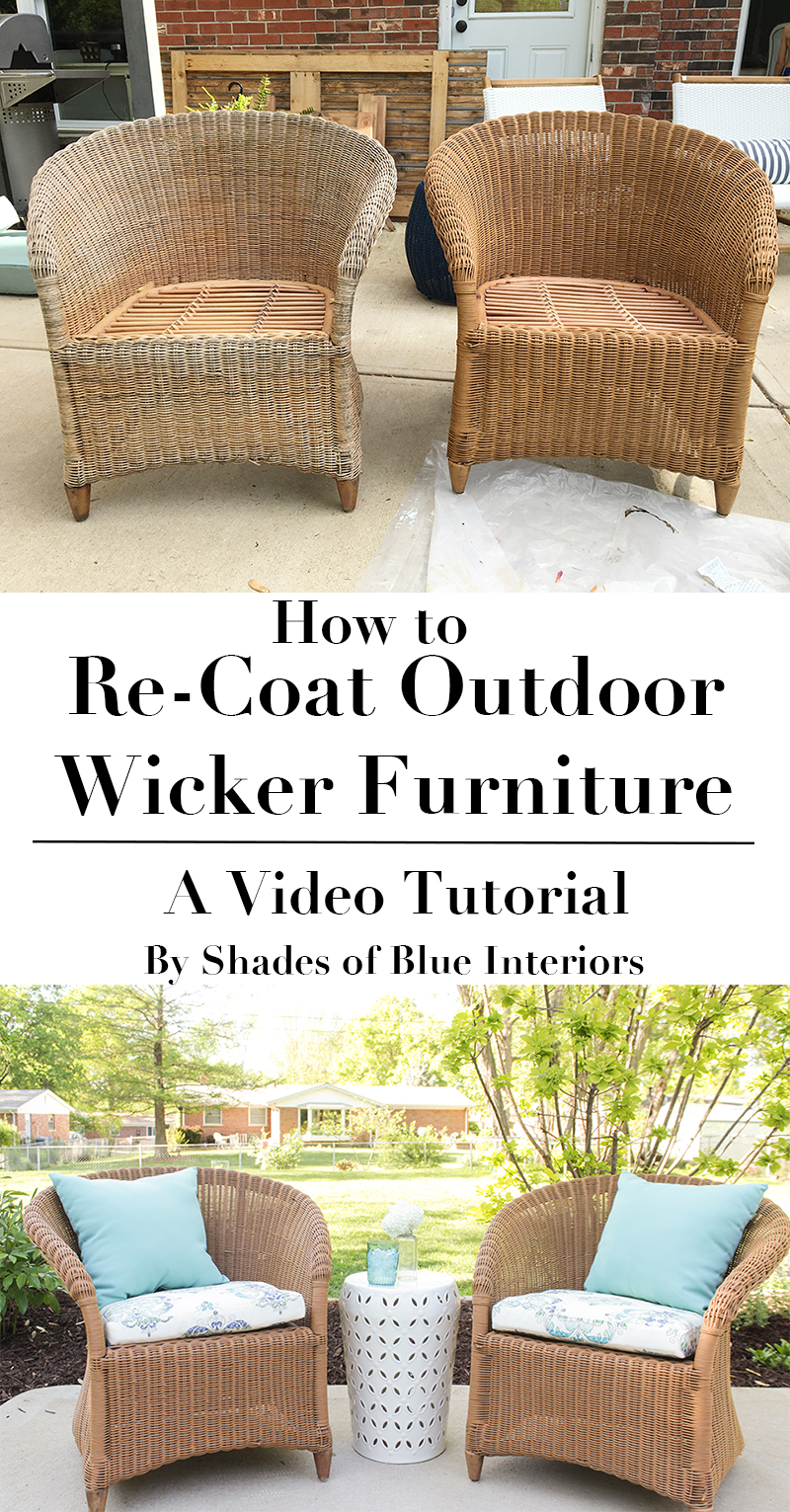
Credit: www.shadesofblueinteriors.com
Best Brands For Outdoor Wicker Paint
Choosing the right paint for outdoor wicker furniture is key to lasting beauty and protection. The best brands offer durable, weather-resistant paints. They help keep your furniture looking fresh and new through all seasons. Quality paint also prevents cracking and peeling on wicker surfaces.
Explore trusted brands that fit different needs. Whether you want to brush on paint or spray it, options are available. Some brands focus on eco-friendly formulas that are safe and strong. Here are some top choices to consider.
Top Acrylic Paints
Acrylic paints work well on outdoor wicker. They stick tightly and resist fading from sun. Popular brands include Rust-Oleum and Valspar. These paints dry fast and provide a smooth finish. Acrylic paints come in many colors to suit your style. They are easy to apply with a brush or sponge.
Recommended Spray Paints
Spray paints offer quick, even coverage on wicker furniture. Krylon and Rust-Oleum make highly rated spray paints for outdoors. These paints protect against rust and moisture. Spray paint reaches small crevices and details on wicker easily. It also reduces brush marks and gives a clean look.
Eco-friendly Options
Eco-friendly paints are safe for the environment and your family. Brands like ECOS and Benjamin Moore offer low-VOC outdoor paints. These paints have fewer harmful chemicals but still protect wicker well. They dry without strong odors and keep air clean. Eco-friendly options work great for sensitive users.
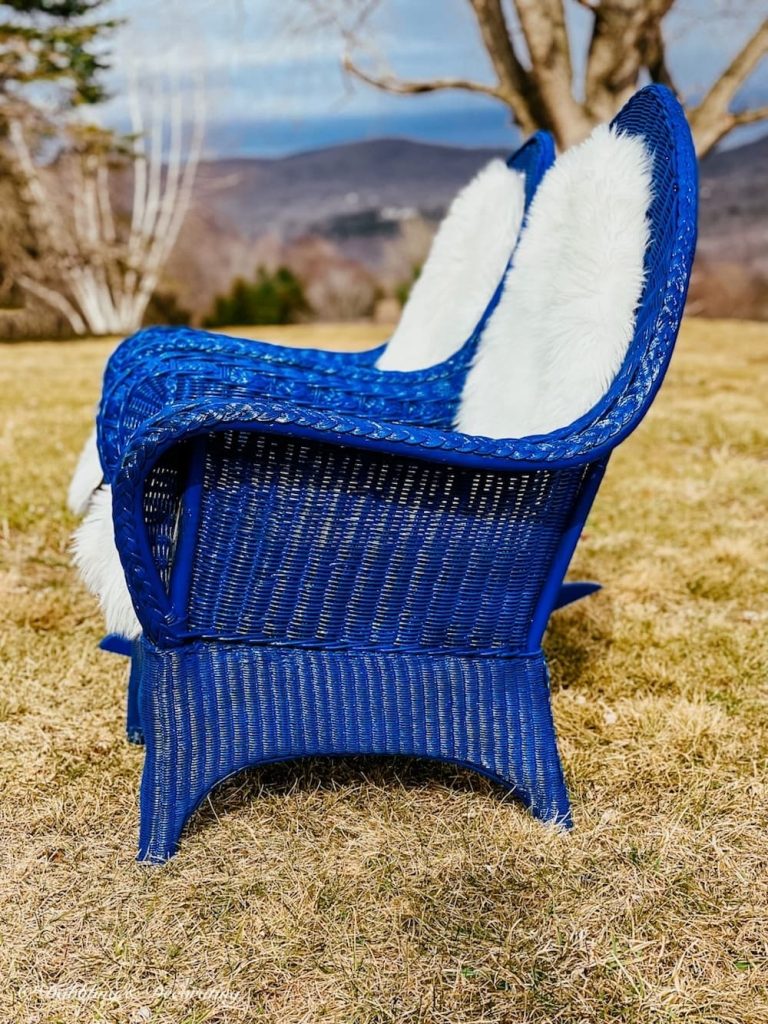
Credit: www.dabblinganddecorating.com
Frequently Asked Questions
What Is The Best Paint For Outdoor Wicker Furniture?
Acrylic latex paint is ideal for outdoor wicker. It offers durability, flexibility, and resists cracking. It adheres well to wicker surfaces and withstands weather conditions effectively.
Can I Use Spray Paint On Wicker Furniture Outdoors?
Yes, spray paint can be used for even coverage. Choose spray paints designed for outdoor use and wicker materials to ensure durability and a smooth finish.
How Do I Prepare Wicker Furniture Before Painting?
Clean the wicker thoroughly with soap and water. Remove dirt, dust, and old paint flakes. Let it dry completely before applying primer or paint.
Should I Use A Primer Before Painting Wicker Furniture?
Yes, applying a primer improves paint adhesion and durability. Use a primer suitable for outdoor wicker to protect against moisture and extend paint life.
Conclusion
Choosing the right paint protects your outdoor wicker furniture well. Use paint made for outdoor use to fight weather damage. Clean and dry the furniture before painting for best results. A few thin coats work better than one thick coat.
Let each layer dry completely to avoid peeling. Proper paint keeps your wicker looking fresh and lasting longer. Take your time and enjoy the process. Your furniture will thank you with beauty and durability. Simple steps bring great results.