Choosing the right material for your outdoor furniture can feel confusing. You want something durable, easy to maintain, and stylish enough to enhance your outdoor space.
But have you ever wondered what plastic is actually used for outdoor furniture? Understanding this can help you make smarter choices that last longer and look better. You’ll discover the types of plastic that keep outdoor furniture strong against weather and wear.
Keep reading to find out what makes these plastics the perfect fit for your patio or garden setup.
Popular Plastics For Outdoor Furniture
Outdoor furniture needs materials that last through sun, rain, and wind. Plastics are popular choices because they resist water and do not rust. They also stay strong without much care. Different plastics suit different styles and uses.
Here are some of the most popular plastics used for outdoor furniture. Each has unique features that make it a good fit for gardens, patios, and decks.
Polyethylene
Polyethylene is tough and light. It does not crack or fade easily. This plastic handles cold and heat well. Many outdoor chairs and tables use polyethylene. It is easy to clean with just soap and water.
Polypropylene
Polypropylene is strong and flexible. It resists stains and moisture. This plastic often appears in stackable chairs. It can hold bright colors that do not dull fast. Polypropylene furniture feels comfortable and looks modern.
Pvc
PVC is a hard plastic often used in outdoor furniture frames. It is very durable and resists many chemicals. PVC does not absorb water, so it stays dry and clean. It is common in outdoor loungers and benches.
Acrylic
Acrylic is clear and smooth. It looks like glass but does not break easily. This plastic is used for tabletops and decorative pieces. Acrylic resists UV rays and keeps its shine for a long time.

Credit: www.bbqguys.com
Durability Factors
Durability is the key to good outdoor furniture. Plastic materials must last long under tough conditions. Several factors decide how strong and lasting the plastic will be. These include resistance to weather, protection from sunlight, and ability to handle impacts. Understanding these helps choose the right plastic for outdoor use.
Weather Resistance
Outdoor furniture faces rain, wind, and temperature changes daily. Plastics used must not crack or fade quickly. Polypropylene and polyethylene are common choices. They resist moisture and do not absorb water. This stops mold and keeps furniture strong. Good weather resistance means less wear and longer life.
Uv Protection
Sunlight can break down plastic over time. UV rays cause colors to fade and materials to become brittle. Many plastics have UV stabilizers added. These protect the surface from sun damage. Polycarbonate and treated PVC hold up well in bright sun. UV protection keeps furniture looking new for years.
Impact Strength
Outdoor furniture often faces bumps and knocks. Plastic must absorb shocks without breaking. High-impact plastics like ABS and reinforced polypropylene perform well. They bend slightly under pressure and return to shape. Strong impact resistance means the furniture stays intact through rough use.
Design And Style Options
Outdoor furniture made from plastic offers many design and style options. This material allows for creative shapes and looks. It suits different tastes and outdoor spaces.
The variety in design makes plastic furniture popular for patios, gardens, and decks. It can blend with natural surroundings or stand out as a bold statement piece. Versatility is a key advantage of plastic furniture.
Color Variety
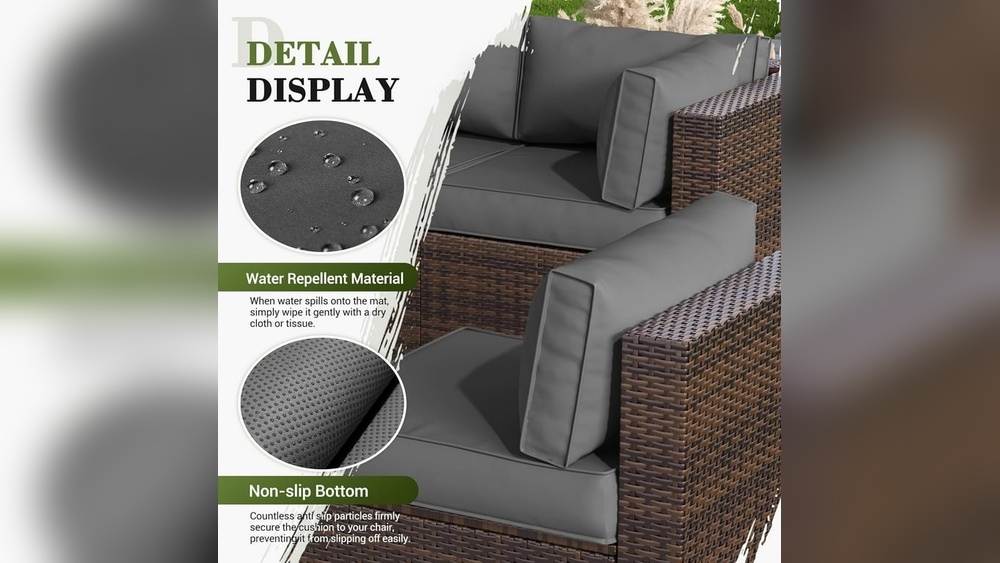
Plastic outdoor furniture comes in many colors. Bright shades like red, blue, and green add energy to any space. Neutral tones such as white, grey, and beige create a calm and classic look. The color does not fade easily under the sun. This helps keep furniture looking new for years.
Texture And Finish
Plastic furniture offers different textures and finishes. Smooth, glossy surfaces give a modern feel. Matte finishes create a soft, natural appearance. Some pieces mimic wood grain or woven patterns. These designs add warmth and style without the weight of real wood or rattan.
Customization Possibilities
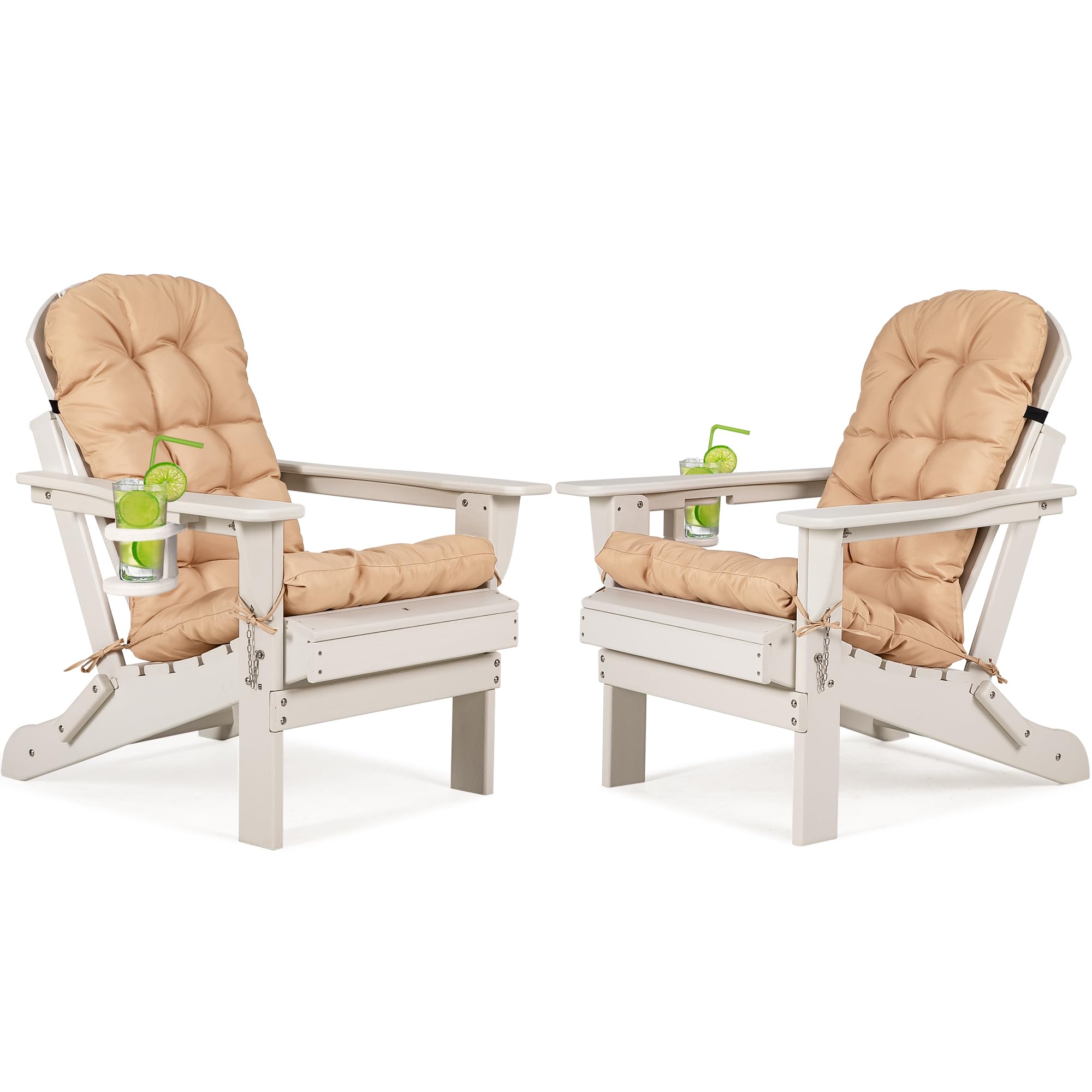
Plastic is easy to shape and mold. Manufacturers can create unique forms and sizes. Custom colors and patterns are also possible. This flexibility lets you find furniture that fits your space perfectly. Add cushions and covers for extra comfort and style. Personalized outdoor furniture suits any design preference.
Maintenance Tips
Plastic outdoor furniture offers great durability and style. To keep it looking fresh, regular maintenance is essential. Simple care extends its life and keeps it attractive year-round. Follow these easy tips to protect your investment and enjoy your furniture for many seasons.
Cleaning Methods
Use mild soap and warm water to clean plastic furniture. A soft cloth or sponge works best. Avoid harsh chemicals or abrasive scrubbers. Rinse thoroughly with clean water. Dry with a towel to prevent water spots. Regular cleaning stops dirt from building up and keeps surfaces smooth.
Preventing Fading
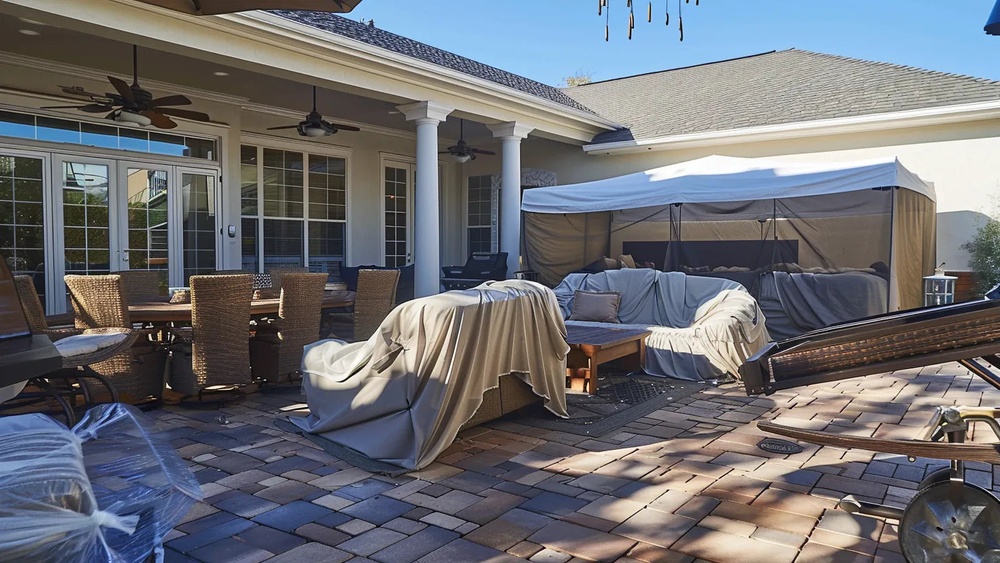
Plastic can fade under strong sunlight. Place furniture in shaded areas when possible. Use covers to shield pieces during intense sun exposure. Applying a UV protectant spray helps maintain color. Reapply protectant every few months for best results. This keeps the plastic vibrant and looking new longer.
Repairing Minor Damage
Small scratches or cracks can happen. Lightly sand the damaged area with fine-grit sandpaper. Clean the surface before applying plastic repair glue. Use plastic filler for deeper cracks. Let it dry fully, then sand smooth. Touch up paint can restore color and hide marks. Quick repairs prevent further damage and maintain appearance.
Environmental Considerations
Choosing plastic for outdoor furniture requires thinking about its impact on the environment. Many plastics can harm nature if not handled well. Understanding the environmental aspects helps you pick better options. It also guides manufacturers to create greener products.
Recyclability
Some plastics used in outdoor furniture can be recycled. Recycling reduces waste and saves resources. Look for furniture made from recyclable plastics like HDPE. These materials can be turned into new products after use. Recycling lowers the need for new raw materials. It also cuts down on pollution.
Sustainable Alternatives
Some plastics come from renewable sources. Bio-based plastics use plants instead of fossil fuels. These options break down faster and cause less harm. They offer a greener choice for outdoor furniture. Choosing sustainable plastics supports a healthier planet. These materials still provide strength and durability.
Eco-friendly Manufacturing
Making plastic furniture with eco-friendly methods is important. Factories can use less energy and water. They can also reduce harmful chemicals during production. Using recycled plastic lowers carbon footprints. Eco-friendly manufacturing protects workers and the environment. It ensures the furniture is safer from start to finish.

Credit: www.amazon.com
Credit: www.amazon.com
Frequently Asked Questions
What Types Of Plastic Are Best For Outdoor Furniture?
The best plastics for outdoor furniture include polyethylene, polypropylene, and PVC. These plastics resist weather, UV rays, and moisture, ensuring durability and low maintenance. They also offer lightweight and flexible design options, making them ideal for outdoor use.
Why Is Polyethylene Popular For Outdoor Furniture?
Polyethylene is popular because it is strong, weather-resistant, and UV-stable. It does not crack or fade easily under sun exposure. This plastic is also recyclable and offers a comfortable, easy-to-clean surface for outdoor furniture.
How Does Polypropylene Perform In Outdoor Settings?
Polypropylene is durable, lightweight, and resistant to chemicals and moisture. It withstands harsh weather conditions well and maintains color vibrancy over time. This makes it a practical choice for outdoor furniture, combining affordability with longevity.
Can Pvc Be Used For Outdoor Furniture Safely?
Yes, PVC is widely used for outdoor furniture. It is waterproof, resistant to rot and mildew, and easy to clean. However, it may become brittle under prolonged UV exposure unless treated with stabilizers.
Conclusion
Outdoor furniture often uses strong plastics like polypropylene and polyethylene. These materials resist water, sun, and wear well. They keep furniture light and easy to move. Plastic also needs less care than wood or metal. Choosing the right plastic means furniture lasts longer outdoors.
It offers comfort without sacrificing durability. This makes plastic a smart choice for outdoor spaces. Simple, tough, and weatherproof—plastic suits many needs. Understanding these plastics helps you pick the best furniture. Durable outdoor furniture means more time to relax and enjoy.