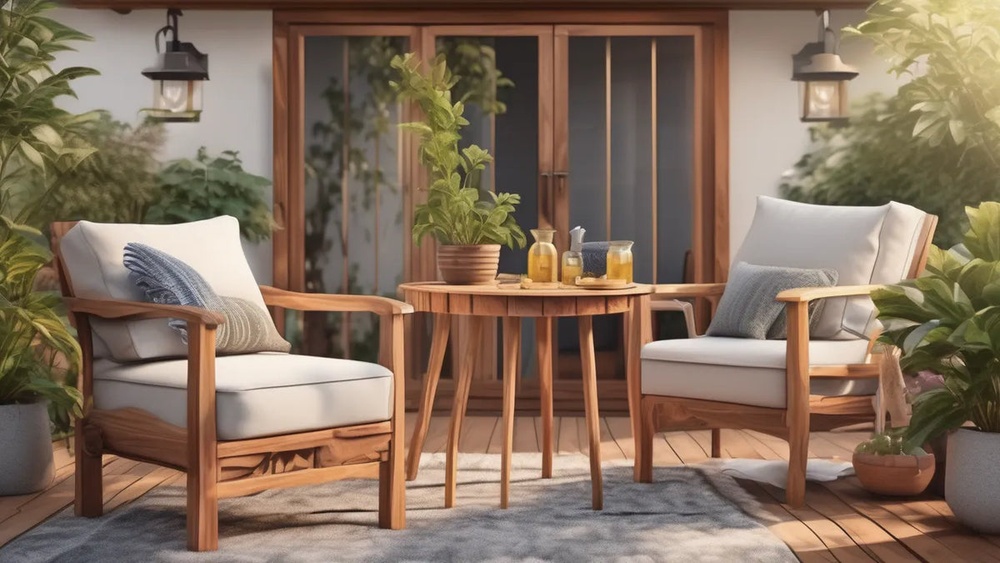
Are you worried about your outdoor metal furniture rusting, fading, or getting damaged by the weather? You’re not alone.
Protecting your investment is key to keeping your furniture looking great for years. But what kind of protective coating should you use? Choosing the right one can make all the difference in durability and appearance. You’ll discover the best protective coatings that will shield your metal furniture from rain, sun, and wear.
Keep reading to learn how to make your outdoor pieces last longer and stay beautiful no matter the season.
Credit: outsunny.com
Types Of Protective Coatings
Outdoor metal furniture faces many challenges. Rain, sun, and wind can cause rust and damage. Protective coatings help metal stay strong and look good. Different coatings offer different levels of protection. Each type works in a special way to guard the metal.
Powder Coating
Powder coating is a dry finishing process. It uses a fine powder applied electrostatically. The powder melts and hardens under heat. This creates a tough, smooth layer. It protects metal from scratches and rust. Powder coating also adds color and style.
Galvanizing
Galvanizing covers metal with a layer of zinc. Zinc acts as a shield against moisture. It prevents rust from forming on steel or iron. This coating lasts a long time outdoors. It is ideal for furniture exposed to rain and humidity.
Anodizing
Anodizing is mainly used for aluminum furniture. It creates a thick oxide layer on the metal surface. This layer is hard and corrosion-resistant. Anodizing also improves the metal’s appearance. It can add color while keeping the metal safe.
Epoxy Coatings
Epoxy coatings are made from resin and hardener. They form a strong, waterproof layer on metal. This coating resists chemicals and wear. It is perfect for furniture in harsh environments. Epoxy keeps metal from rusting and fading.
Polyurethane Coatings
Polyurethane coatings provide a clear, durable finish. They protect metal from UV rays and moisture. This coating is flexible and resists cracking. It helps outdoor furniture maintain its look for years. Polyurethane is often used over other coatings for extra care.

Credit: www.walmart.com
Benefits Of Protective Coatings
Protective coatings on outdoor metal furniture offer many advantages. They help keep furniture safe from damage caused by weather and daily use. These coatings extend the life of metal items. They also keep furniture looking fresh and new for longer periods.
Protective coatings create a barrier between metal and harmful elements. This barrier reduces wear and tear. It also lowers maintenance efforts, saving time and money. Below are key benefits of these coatings.
Rust And Corrosion Resistance
Metal furniture faces constant exposure to moisture. Moisture causes rust and corrosion. Protective coatings stop water from reaching metal surfaces. This prevents rust from forming and spreading. The coating keeps furniture strong and durable over time.
Uv Protection
Sunlight damages metal furniture by fading colors and weakening materials. UV rays break down paint and metal finishes. Protective coatings block harmful UV rays. This stops fading and cracking. The furniture stays vibrant and intact under strong sunlight.
Scratch And Impact Resistance
Outdoor furniture often faces bumps and scratches. Protective coatings add a tough layer on metal. This layer absorbs impacts and reduces scratches. The furniture looks newer for longer. It also lowers the risk of dents and chips.
Enhanced Aesthetics
Coatings improve the look of metal furniture. They offer a smooth and shiny finish. Colors appear brighter and more consistent. Protective coatings also prevent stains and discoloration. This keeps furniture attractive and welcoming.
Choosing The Right Coating
Choosing the right protective coating for outdoor metal furniture is important. The coating keeps your furniture safe from rust, fading, and damage. It also helps the furniture last longer and look better. Several factors affect which coating works best for your needs. Understanding these can help you make the right choice.
Climate Considerations
Different climates need different coatings. Wet or humid areas need coatings that resist rust and moisture. Dry, sunny climates need coatings that block UV rays and prevent fading. Cold places require coatings that can handle freezing temperatures without cracking. Choose a coating that suits your local weather to protect your furniture well.
Furniture Usage
How often you use your furniture matters. Furniture used every day needs a tough, durable coating. Less-used furniture can have a lighter protective layer. Heavy use can cause scratches and wear, so pick a coating that resists damage. This keeps your furniture strong and good-looking over time.
Budget Factors
Coatings come in different price ranges. Some coatings cost more but last longer and need less care. Cheaper coatings may need frequent reapplication. Think about how much you want to spend now and later. Choose a coating that fits your budget and provides good protection.
Maintenance Requirements
Some coatings need more care than others. High-maintenance coatings require regular cleaning and touch-ups. Low-maintenance coatings resist dirt and damage better. Pick a coating based on how much time you want to spend on upkeep. Easy-care coatings save time and keep furniture looking nice.

Credit: www.amazon.com
Application Methods
Protective coatings on outdoor metal furniture keep it safe from rust, weather, and wear. Applying these coatings correctly is important. Different methods suit different types of furniture and coatings. Each method offers unique benefits for coverage and durability.
Spray Application
Spray application uses a nozzle to spread coating evenly. It works well for furniture with many curves or details. This method saves time and covers large areas quickly. Spray application creates a smooth, uniform finish. It requires proper ventilation and protective gear.
Dip Coating
Dip coating involves submerging the metal furniture into a coating bath. This method ensures full coverage, even in hard-to-reach spots. It is ideal for smaller items or parts. Dip coating provides a thick, even layer that sticks well. Drying time is important to avoid drips or runs.
Brush Application
Brush application uses a paintbrush or roller to spread the coating. It is simple and requires little equipment. This method suits touch-ups or small projects. Brush application allows control over the amount of coating used. It may leave visible brush marks but is easy to fix.
Electrostatic Application
Electrostatic application charges the coating particles electrically. The metal furniture is grounded to attract the coating. This method reduces waste by making the coating stick better. It provides an even, smooth finish with less overspray. Electrostatic application works best in controlled environments.
Maintenance Tips
Maintaining the protective coating on outdoor metal furniture keeps it looking fresh and lasting longer. Simple care steps stop rust, fading, and damage. Regular attention helps the metal stay strong and attractive through all seasons.
Cleaning Techniques
Use a soft cloth or sponge with mild soap and water. Avoid harsh chemicals that can wear away the coating. Rinse thoroughly to remove soap residue. Dry the surface well to prevent water spots and rust formation. Clean at least once a month or after heavy dirt buildup.
Touch-up Procedures
Check for chips or scratches in the coating often. Sand lightly around damaged spots to smooth edges. Apply a matching paint or rust-resistant touch-up product. Let it dry fully before using the furniture again. Prompt touch-up stops rust from spreading under the coating.
Preventing Damage
Keep sharp objects and heavy tools away from metal surfaces. Avoid dragging furniture on rough ground to prevent scratches. Use protective pads under furniture legs to reduce wear. Cover furniture during storms or strong sun to guard the coating. Proper handling lowers damage risks over time.
Seasonal Care
Before winter, clean and dry furniture thoroughly. Store indoors or cover with waterproof fabric to block moisture. In spring, inspect the coating for cracks or rust spots. Treat any issues before outdoor use. Seasonal care protects the metal through weather changes and extends its life.
Common Issues And Solutions
Outdoor metal furniture faces many challenges. The protective coating can wear down over time. This leads to common problems. Knowing these issues helps you keep your furniture looking good. Simple fixes can save money and effort.
Peeling And Flaking
Peeling happens when the coating loses adhesion. Sun and rain can cause this damage. Flaking follows as pieces of coating break off. To fix peeling, clean the surface well. Use a wire brush to remove loose coating. Then, apply a fresh coat of paint or sealant. Choose a product made for outdoor metal.
Discoloration
Discoloration shows as fading or color changes. Sunlight and weather can dull the finish. Some coatings also react to pollution. Clean the furniture regularly with mild soap. Avoid harsh chemicals that harm the coating. Apply UV-resistant paint or clear sealant. This helps keep the color vibrant longer.
Chipping
Chipping occurs when the coating cracks and breaks. Heavy use or impacts can cause chips. Small chips expose metal to moisture and air. Fill chips with metal filler or primer. Sand smooth before repainting the area. Use durable paint designed for metal surfaces.
Rust Spots
Rust spots appear where metal meets moisture. Damaged coating allows water to reach the metal. Scrape off rust using a wire brush or sandpaper. Apply a rust converter to stop spreading. Cover with rust-inhibiting primer and paint. Regular checks help catch rust early and prevent damage.
Frequently Asked Questions
What Is The Best Protective Coating For Outdoor Metal Furniture?
The best coating is powder coating. It creates a durable, rust-resistant finish. It protects against UV rays and moisture, extending furniture life.
How Does Powder Coating Protect Metal Furniture Outdoors?
Powder coating forms a thick, hard layer on metal. It prevents rust, scratches, and fading from sun exposure. This keeps furniture looking new longer.
Can I Use Spray Paint As Protective Coating?
Spray paint offers some protection but is less durable than powder coating. It may peel or chip quickly outdoors, requiring frequent reapplication.
How Often Should I Reapply Protective Coating Outdoors?
Reapply every 2-3 years or when you notice peeling or rust. Regular maintenance ensures long-lasting protection against weather damage.
Conclusion
Protective coatings keep outdoor metal furniture strong and lasting. They stop rust and weather damage effectively. Choosing the right coating helps maintain the furniture’s look. Regular care and coating renewal extend its life. Simple steps make your furniture look new for years.
Protect your investment with proper coatings today.