Choosing the right mattress size for your bunk bed can feel tricky. You want something that fits perfectly, feels comfortable, and keeps safety in check.
If your mattress is too big or too small, it could cause problems you don’t want to deal with. But don’t worry—this guide will help you find the ideal mattress size for your bunk bed. By the end, you’ll know exactly what to look for, so you can create a cozy and safe sleeping space for you or your kids.
Keep reading to discover simple tips that make all the difference!
Credit: www.bedinabox.com
Common Bunk Bed Mattress Sizes
Bunk beds save space and add fun to any room. Choosing the right mattress size is key. It ensures comfort and safety. Common sizes fit most bunk bed frames. Knowing these sizes helps you pick the best mattress.
Twin Mattresses
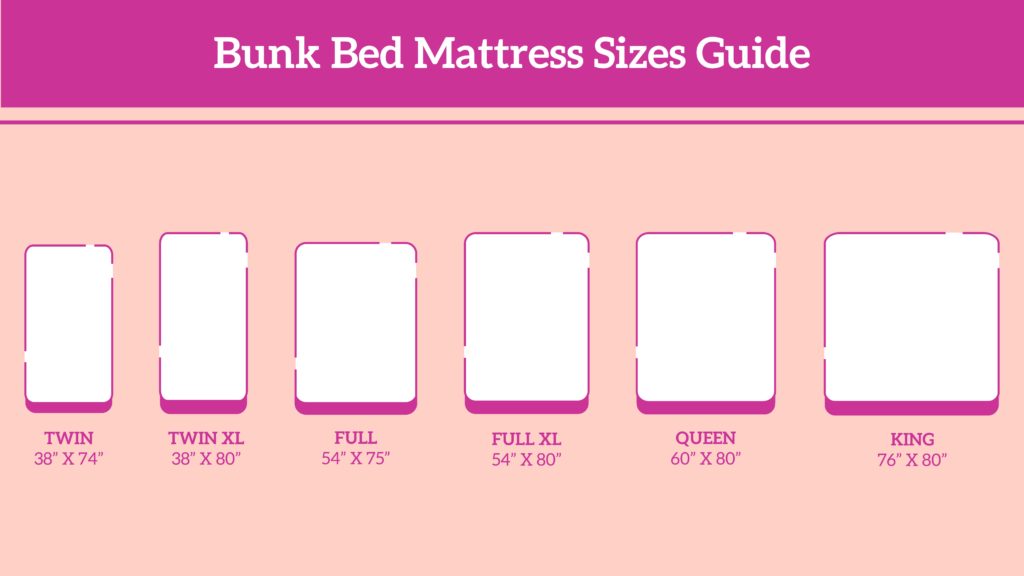
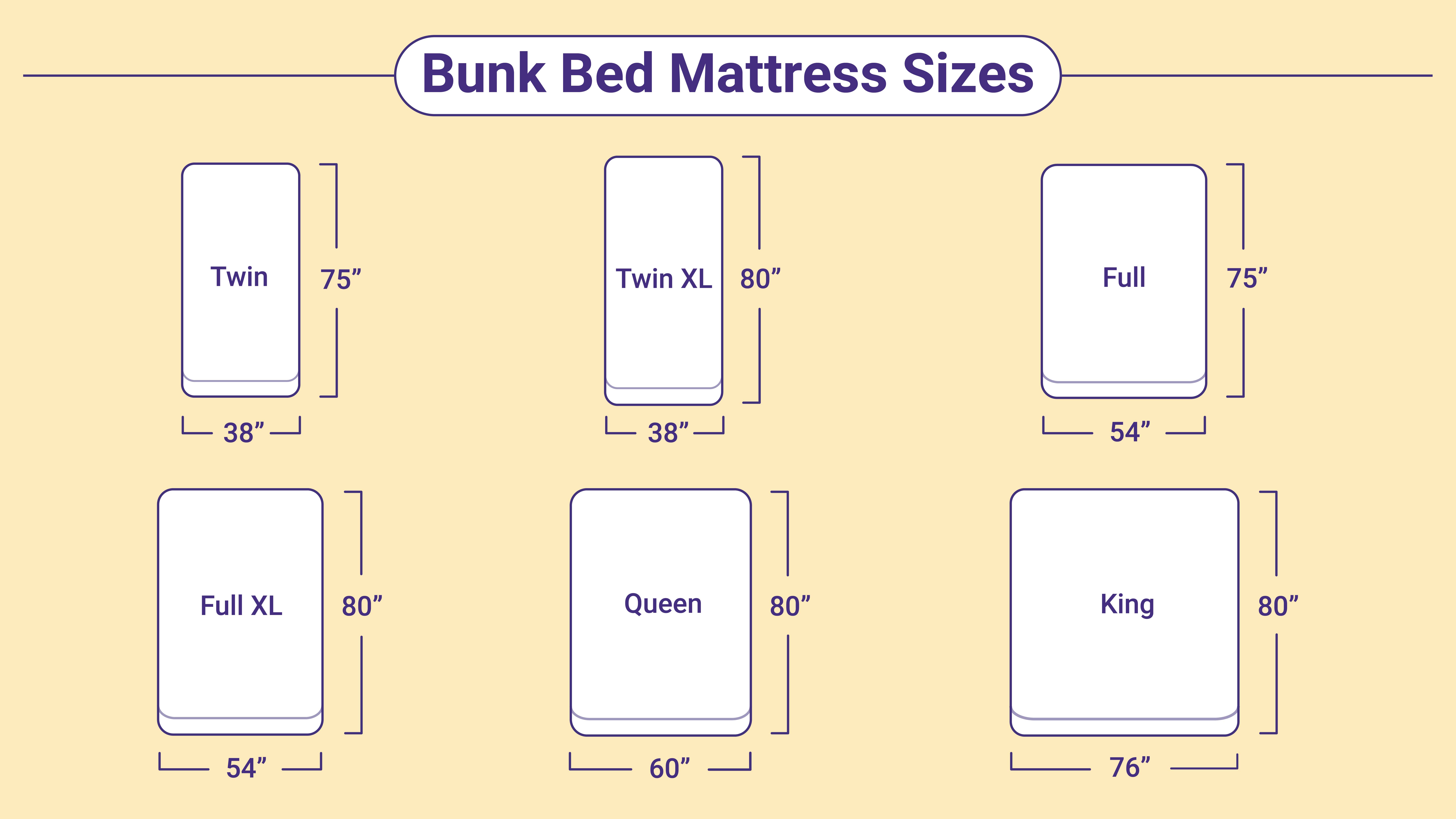
Twin mattresses are the most common size for bunk beds. They measure 38 inches wide and 75 inches long. This size fits most standard bunk bed frames. Twin mattresses are perfect for kids and teenagers.
Twin Xl Options
Twin XL mattresses are slightly longer than regular twins. They measure 38 inches wide and 80 inches long. Twin XL gives extra legroom for taller sleepers. Some bunk beds can fit Twin XL mattresses, so check your frame.
Full And Other Sizes
Full mattresses are wider, at 54 inches by 75 inches. Some bunk beds use full-size mattresses for more space. Other sizes include custom or specialty mattresses. Measure your bunk bed frame before buying any mattress size.
Factors Affecting Mattress Size Choice
Choosing the right mattress size for a bunk bed depends on several important factors. These factors help ensure safety, comfort, and good use of space. Understanding them makes picking the perfect mattress easier.
Bed Frame Dimensions
Measure the bunk bed frame carefully before buying a mattress. The mattress must fit snugly inside the frame. A mattress too big or too small can cause safety problems. Check the length, width, and thickness limits the frame allows. Always follow the manufacturer’s mattress size guidelines.
User Age And Size
The age and size of the person using the bunk bed matters. Children need smaller mattresses, usually twin or twin XL. Teenagers and adults may need larger mattresses for comfort. Consider the sleeper’s height and weight to choose the best mattress size. Comfort supports better sleep and safety on the top bunk.
Room Space Constraints
Room size affects the mattress size choice too. Smaller rooms require compact mattress sizes to save space. Larger mattresses take up more floor area and limit movement. Measure the room carefully before deciding the mattress size. Balance between mattress comfort and available room space is key.
Material Types For Bunk Bed Mattresses
Choosing the right mattress material for a bunk bed is important. The mattress must be safe, comfortable, and fit well. Different materials offer various benefits. Understanding these can help pick the best mattress for kids or guests.
Mattress materials affect support and durability. They also influence breathability and weight. These factors matter for bunk beds, which have size limits and safety rules.
Innerspring Mattresses
Innerspring mattresses have coils inside. These coils provide firm support and good airflow. They keep the mattress cool during sleep. This type is often lighter than other mattresses.
The mattress feels bouncy and responsive. It works well for kids who move a lot at night. Innerspring mattresses usually cost less than foam types. They last long if made with quality coils.
Memory Foam Mattresses
Memory foam mattresses contour to the body’s shape. They relieve pressure points and reduce tossing. Foam absorbs movement, so sleepers feel less disturbance.
This type is quieter because it has no springs. Memory foam can trap heat, but many models have cooling gel. Foam mattresses are soft and comfortable, but some feel too warm. They are heavier than innerspring mattresses.
Hybrid Mattresses
Hybrid mattresses combine coils and foam layers. This mix offers support and softness together. Coils provide airflow and bounce, while foam adds comfort.
They suit those who want the best of both worlds. Hybrids can be heavier and more expensive. They balance pressure relief with solid support well.
Thickness And Comfort Considerations
Choosing the right mattress thickness for a bunk bed is important. It affects safety, comfort, and how well the bed works. A mattress that is too thick might make the bed unsafe. Too thin, and it might not feel good to sleep on. Understanding the right thickness can help keep the bunk bed safe and cozy.
Safety Regulations
Many bunk beds have rules about mattress thickness. This helps prevent falls from the top bunk. Usually, the mattress should be no thicker than 6 to 8 inches. This keeps the guardrails high enough to protect sleepers. Always check the bed’s manual for exact rules. Following these rules stops accidents and keeps users safe.
Comfort Levels
Comfort depends on mattress thickness and material. Thicker mattresses often feel softer and support the body better. Thin mattresses may feel hard and less comfortable. But very thick mattresses can reduce safety on top bunks. Balance is key. Choose a mattress that is thick enough to be comfy but thin enough to be safe.
Weight Limits
Bunk beds have weight limits for safety reasons. Mattress thickness can affect this limit. Heavy, thick mattresses add more weight to the bed. This can strain the bed frame and supports. Lighter, thinner mattresses help keep weight down. Always consider mattress weight along with thickness. This keeps the bunk bed strong and long-lasting.
Tips For Measuring Your Bunk Bed
Measuring your bunk bed correctly ensures the mattress fits well and stays safe. Taking accurate measurements helps avoid buying the wrong size. Small mistakes can cause discomfort or safety issues. Follow these tips to measure your bunk bed with ease.
Measuring Bed Frame
Start by measuring the inside length and width of the bed frame. Measure from one inner edge to the other. Use a tape measure for accuracy. Write down the numbers. This shows the mattress size that fits best.
Checking Clearance And Height
Measure the space between the top bunk and the ceiling. This is important for headroom. Also, check the height from the floor to the bottom bunk. Make sure there is enough space to sit or move comfortably.
Considering Mattress Depth
Measure how deep the mattress can be without hitting the guardrails. A mattress that is too thick may cause safety issues. Choose a mattress depth that fits within the frame and keeps sleepers safe.
Mattress Accessories For Bunk Beds
Mattress accessories make bunk beds safer and more comfortable. They protect the mattress and improve sleep quality. Choosing the right accessories keeps the bunk bed neat and long-lasting.
Accessories also help fit the mattress perfectly. They stop slipping and prevent damage. These simple additions add value to the bunk bed setup.
Protective Covers
Protective covers guard the mattress from spills and stains. They keep dust and dirt away. Covers come in waterproof and breathable materials. This helps keep the mattress clean and fresh longer. Easy to remove and wash, they save time and effort. Covers also add a soft layer for comfort.
Supportive Foundations
Supportive foundations hold the mattress firmly in place. They stop sagging and increase mattress life. Slats or bunkie boards are common foundation types. They offer strong support without adding height. A good foundation ensures safety by preventing mattress movement. It also improves sleep by keeping the mattress flat.
Fitted Sheets
Fitted sheets are made to fit bunk bed mattresses exactly. They wrap snugly around mattress corners. This keeps sheets from slipping during sleep. Sheets come in many colors and fabrics. Choosing soft and durable sheets improves comfort. Regular changing and washing keep the bed fresh and hygienic.
Where To Buy Bunk Bed Mattresses
Finding the right place to buy bunk bed mattresses is important. The mattress must fit perfectly for safety and comfort. Several options exist for buying bunk bed mattresses. Each option has different benefits to consider.
Online Retailers
Online stores offer a wide range of mattress sizes and types. Shopping online saves time and effort. You can read reviews from other buyers. Delivery is often quick and sent directly to your door.
Many websites provide detailed size guides. This helps ensure you pick the correct mattress for your bunk bed. Prices online can be lower than in stores. Look for free shipping deals to save money.
Local Mattress Stores
Visiting a mattress store lets you see and feel the mattress. You can ask questions and get advice from sales staff. Local stores may have mattresses ready to take home. Trying the mattress can help you choose the best comfort level.
Stores might offer special deals or discounts. You can avoid waiting for delivery. Support local businesses while getting help in person.
Custom Mattress Makers
Custom mattress makers create mattresses to fit exact bunk bed dimensions. This option is best for non-standard sizes or unique bed designs. You can choose materials and firmness to suit needs. Custom mattresses often last longer and offer better support.
The process takes more time and may cost more. Still, it ensures a perfect fit and comfort. Ideal for special bunk beds or specific health requirements.
Credit: eachnight.com
Credit: www.sleepjunkie.com
Frequently Asked Questions
What Mattress Sizes Fit Standard Bunk Beds?
Standard bunk beds typically fit twin mattresses measuring 39″ x 75″. Some models also accommodate twin XL sizes. Always check your bunk bed dimensions before purchasing to ensure a proper fit and safety.
Can A Full Mattress Be Used On A Bunk Bed?
Full mattresses can fit some bunk beds designed for larger sizes. However, most bunk beds are built for twin mattresses. Using a full mattress may reduce safety and stability, so verify the bunk bed’s specifications first.
What Thickness Is Best For Bunk Bed Mattresses?
Mattress thickness for bunk beds should be between 6 to 8 inches. Thicker mattresses may interfere with guardrails, posing safety risks. Choose a mattress that balances comfort with safety requirements.
Are Memory Foam Mattresses Suitable For Bunk Beds?
Yes, memory foam mattresses work well on bunk beds. They are lightweight, supportive, and conform to the body. Ensure the mattress thickness suits the bunk bed’s safety rails and height restrictions.
Conclusion
Choosing the right mattress size for a bunk bed matters a lot. It keeps the bed safe and comfortable to use. Twin mattresses fit most standard bunk beds well. Always check the bed frame’s measurements before buying. Too big or too small mattresses cause problems.
A good fit helps kids sleep soundly every night. Simple steps make your bunk bed cozy and secure. Make smart choices for better rest and fun.