Are you wondering what time your toddler should go to bed? You’re not alone.
Finding the perfect bedtime can feel like a daily puzzle. Too early, and your little one might resist; too late, and they could be tired and cranky the next day. The right bedtime can make a huge difference in your toddler’s mood, growth, and overall health.
Keep reading to discover simple tips and expert advice that will help you set the ideal bedtime for your child—and bring peace back to your evenings.

Credit: sarahockwell-smith.com
Ideal Bedtime For Toddlers
Setting the ideal bedtime for toddlers is important for their health and happiness. Good sleep helps toddlers grow and learn better. A steady bedtime supports a strong routine. It also improves mood and behavior. Parents can find the best time by knowing sleep needs and age factors.
Recommended Sleep Hours
Toddlers need about 11 to 14 hours of sleep each day. This total includes naps and nighttime sleep. Sleep helps their brain develop and body rest. Too little sleep can cause fussiness and trouble paying attention. Enough sleep keeps toddlers calm and active during the day.
Age-based Bedtime Guidelines
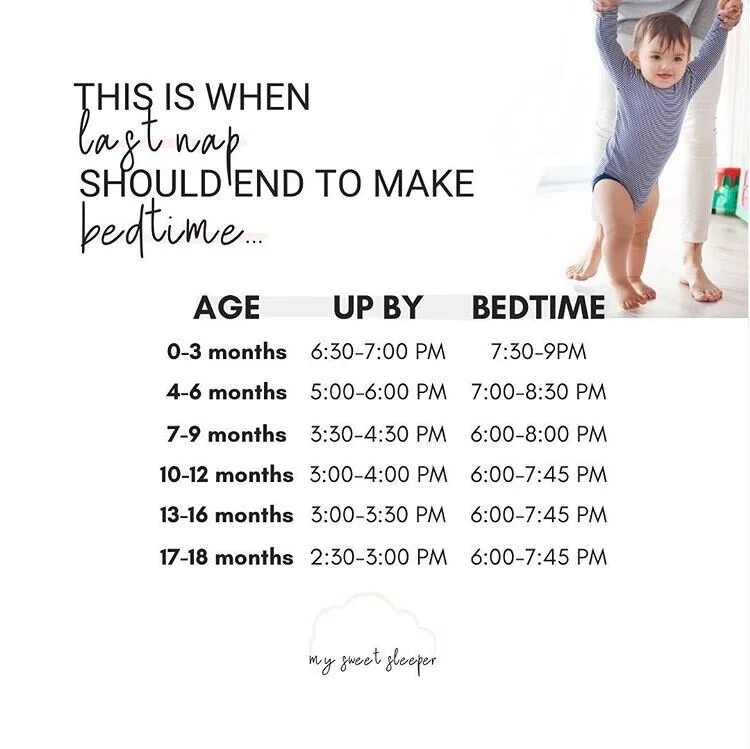
For toddlers aged 1 to 2 years, bedtime usually falls between 7 p.m. and 8 p.m. Kids aged 3 to 5 often do well with bedtime from 7:30 p.m. to 8:30 p.m. These times help meet their sleep needs. A consistent bedtime makes it easier for toddlers to fall asleep. Adjust bedtime based on your child’s wake-up time and daily schedule.
Signs Your Toddler Needs Sleep
Recognizing when your toddler needs sleep is key to a calm bedtime. Toddlers can’t always say they feel tired. Instead, they show signs that tell you it’s time to wind down. Knowing these signs helps parents set the best bedtime. Watch closely for changes in behavior and physical clues. These signals show your toddler’s body and mind are ready for rest.
Behavioral Cues
Toddlers often act differently when tired. They may become more cranky or fussy than usual. Some might cry easily over small things. Others may seem extra clingy or want constant attention. You may notice your toddler losing interest in toys or play. Sometimes, they get hyperactive or restless, almost like they have too much energy. These are all ways toddlers show they need sleep.
Physical Indicators
Physical signs also tell you when your toddler is ready for bed. Rubbing their eyes or face is a common clue. Yawning often signals tiredness. Your child might blink more slowly or stare blankly. Drooping eyelids or slouching posture can appear too. Some toddlers get pale or have less energy. These physical hints mean it’s time to help them rest.
Creating A Sleep-friendly Routine
Creating a sleep-friendly routine helps toddlers relax and prepare for bed. A calm and steady routine signals their brain that it is time to sleep. Consistency makes it easier for toddlers to fall asleep and stay asleep. Establishing good habits early supports healthy sleep patterns and overall well-being.
Parents can build a soothing routine by including simple activities that children enjoy. These activities should be quiet and calming. Avoid stimulating games or loud noises before bedtime. The goal is to create a peaceful environment that invites rest and comfort.
Consistent Bedtime Rituals
Consistent bedtime rituals give toddlers a sense of security. Doing the same activities in the same order each night helps the child know what to expect. This predictability reduces anxiety and fussiness at bedtime. Examples include brushing teeth, putting on pajamas, reading a short story, and cuddling. These rituals should start at the same time every evening. Keeping the routine steady helps set the internal clock for sleep.
Limiting Screen Time
Screens can interfere with a toddler’s ability to fall asleep. The light from phones, tablets, and TVs signals the brain to stay awake. Reducing screen time before bed helps the body produce melatonin, the sleep hormone. Turn off all screens at least one hour before bedtime. Replace screen time with quiet activities like reading or gentle play. This change supports better sleep quality and easier bedtime transitions.
Optimizing The Sleep Environment
Creating the right sleep environment helps toddlers fall asleep faster and stay asleep longer. A calm, quiet, and safe room supports healthy sleep habits. Small changes can make a big difference in your toddler’s bedtime routine.
Room Darkness And Noise
Darkness signals the body to produce melatonin, the sleep hormone. Keep the room dim or use blackout curtains to block outside light. Avoid bright nightlights or turn them off once your toddler falls asleep.
Noise can wake your child or make it hard to relax. Use a white noise machine or soft music to mask sudden sounds. Keep the room as quiet as possible to help your toddler sleep deeply.
Comfort And Safety
Comfort matters. Choose soft bedding and pajamas that suit the season. Check the room temperature; it should be cool but not cold, around 68-72°F (20-22°C).
Safety is key. Remove small toys or objects that could cause choking. Use a firm mattress and avoid pillows or blankets that pose risks. A safe, cozy space helps your toddler feel secure and sleep well.
Handling Bedtime Resistance
Handling bedtime resistance can be one of the toughest parts of parenting a toddler. Many children fight sleep because they want to stay awake or feel unsure about bedtime. Understanding this behavior helps parents stay calm and patient. It also opens the door to better sleep routines for everyone in the family.
Common Challenges
Toddlers may throw tantrums at bedtime. They might ask for extra stories or water repeatedly. Some kids get scared of the dark or feel lonely. Others just want to keep playing and avoid sleep. These challenges make bedtime longer and harder.
Effective Strategies
Create a calm and predictable bedtime routine. Use the same steps each night to signal sleep time. Offer comfort with a favorite toy or blanket. Set clear and gentle limits about bedtime rules. Praise your child for following the routine. Keep the bedroom quiet and dark to help sleep. Avoid screens and sugar close to bedtime. These steps reduce resistance and help toddlers relax.

Credit: www.the-sun.com
Napping And Its Impact On Bedtime
Napping plays a big role in a toddler’s bedtime routine. It affects how tired they feel at night. Too much daytime sleep can delay bedtime. Too little can cause overtiredness and fussiness. Finding the right balance helps toddlers fall asleep faster. It also supports better night sleep quality.
Ideal Nap Lengths
Toddlers usually need one or two naps a day. Each nap should last between 1 to 2 hours. Short naps may not provide enough rest. Long naps can reduce sleep pressure at bedtime. Watch your toddler’s mood and energy to find their ideal nap length.
Timing Naps To Improve Night Sleep
Timing naps correctly helps toddlers sleep well at night. Avoid naps too close to bedtime. Napping late in the afternoon can make falling asleep harder. Aim to finish naps at least 3 hours before bedtime. This gives enough time for natural sleepiness to build.
Adjusting Bedtime As Your Toddler Grows
Adjusting your toddler’s bedtime is important as they grow. Their sleep needs change over time. Setting the right bedtime helps them get enough rest. This makes them happier and healthier. Understanding these changes helps parents support their child’s sleep better.
Changes In Sleep Needs
Toddlers need less sleep as they get older. At age 1, they may sleep 12 to 14 hours daily. By age 3, this often drops to 10 to 12 hours. Daytime naps also get shorter or may stop. These changes mean bedtime can be later. Watch your toddler’s behavior for signs of tiredness. Adjust bedtime to match their new sleep needs.
Transitioning Bedtimes Smoothly
Change bedtime slowly to help your toddler adjust. Shift bedtime by 10 to 15 minutes every few days. Keep the bedtime routine consistent during this change. A calm routine signals it’s time to sleep. Avoid exciting activities near bedtime. This makes falling asleep easier. Patience and consistency are key to smooth transitions.
Credit: www.nicfaisalabad.com
Frequently Asked Questions
What Is The Ideal Bedtime For Toddlers?
Toddlers typically need 10 to 12 hours of sleep. Bedtime between 7 PM and 8 PM suits most toddlers. This timing supports healthy growth, mood, and development. Consistent sleep schedules enhance overall sleep quality and behavior.
How Does Toddler Bedtime Affect Their Development?
Adequate sleep at the right time boosts brain development and emotional stability. Poor sleep can cause irritability and learning difficulties. Early bedtimes help toddlers establish healthy routines and improve attention span during the day.
Should Toddler Bedtime Change With Age?
Yes, toddler sleep needs gradually decrease as they grow. Younger toddlers require earlier bedtimes, while older toddlers might stay up slightly later. Adjust bedtime based on your child’s individual sleep needs and daily routine.
How Can I Create A Bedtime Routine For My Toddler?
Establish a calming routine with activities like bath time, reading, and dimming lights. Consistency helps signal bedtime and relaxes your toddler. A predictable routine reduces resistance and improves sleep quality.
Conclusion
Setting a good bedtime helps your toddler feel happy and rested. Consistent sleep times make daily routines easier. A calm and quiet environment supports better sleep. Watch your child’s signs of tiredness each day. Adjust bedtime slightly as your toddler grows.
Good sleep builds strong minds and healthy bodies. Remember, every child is different. Find what works best for your family. Keep bedtime simple and stress-free. Sweet dreams start with the right bedtime.