You love your toddler’s adventurous spirit, but when they start climbing the bunk bed, your heart races with worry. You want to keep your little one safe without turning bedtime into a battle.
If you’re searching for simple, effective ways to stop your toddler from climbing the bunk bed, you’ve come to the right place. You’ll discover easy tips that protect your child and give you peace of mind—so you can both rest easy.
Keep reading to find out how to make your home safer and bedtime calmer.
Risks Of Toddler Climbing Bunk Beds
Toddlers climbing bunk beds face many risks. These beds are tall and not made for young children to climb. Falls from the top bunk can cause serious injuries. Parents must understand these dangers to keep their toddlers safe.
Climbing bunk beds can lead to accidents easily. Toddlers are still learning balance and coordination. The hard surfaces and sharp edges increase the risk of harm. Knowing the risks helps adults watch children closely.
Common Injuries And Dangers
Falls from bunk beds often cause broken bones or bruises. Head injuries are common and very dangerous. Toddlers can hit the floor or bed frame hard. Cuts and scrapes happen from hitting rails or ladders. Sometimes, children get trapped between the bed and wall. These injuries may need medical care or a hospital visit.
Why Toddlers Are Drawn To Climbing
Toddlers love to explore and test their skills. Climbing gives them a sense of adventure and fun. They want to reach new heights and see the room differently. Sometimes, they copy older kids or adults. Curiosity and energy push them to climb even unsafe places. Understanding this helps adults guide toddlers safely.

Credit: cardiffmummysays.com
Choosing The Right Bunk Bed
Choosing the right bunk bed is key to keeping toddlers safe. A well-designed bed stops risky climbing and falls. It also helps parents feel more relaxed.
Focus on beds that match your child’s age and have strong safety features. The right bed makes a big difference in preventing accidents and giving toddlers a safe place to sleep.
Safety Features To Look For
Pick bunk beds with guardrails on all sides of the top bunk. These rails should be high enough to stop a child from falling out.
Check for sturdy ladders that are easy to grip. Slippery or loose ladders can cause falls.
The bed frame should be strong and stable. Avoid beds that wobble or shake.
Look for beds with smooth edges and no sharp corners. These reduce the risk of cuts and bumps.
Age-appropriate Bed Designs
Choose beds designed for toddlers or young children. Their size fits small bodies better and feels safer.
Some bunk beds have lower top bunks or toddler rails. These features limit how high children can climb.
A bed with a built-in guardrail or enclosed design stops children from trying to climb down unsafely.
Consider beds with a lower height to the floor. This reduces injury if a child does fall.
Physical Barriers To Prevent Climbing
Physical barriers help stop toddlers from climbing bunk beds. They create a clear block that toddlers cannot pass. These barriers keep children safe and reduce the risk of falls. Using physical barriers is a smart way to protect little ones while they sleep or play.
Installing Guardrails And Nets
Guardrails are strong barriers fixed to the bunk bed edges. They prevent toddlers from climbing over or falling off. Choose guardrails that are tall and sturdy for the best protection. Safety nets can also wrap around the bed. Nets stop children from squeezing through gaps. Both options add a solid layer of safety for your toddler.
Using Bed Tents Or Canopies
Bed tents or canopies cover the top bunk fully. They create a cozy, closed space that blocks climbing access. Toddlers feel safe inside while parents relax. These covers also add fun and comfort to the bed. Look for tents with breathable material to keep air flowing. Bed tents are a simple way to keep toddlers from climbing bunk beds.

Credit: bunkbedscanada.com
Creating A Safe Bedroom Environment
Creating a safe bedroom environment is key to stopping toddlers from climbing bunk beds. A well-arranged room reduces the chances of accidents. It also teaches children boundaries and safety habits early on.
Small changes make a big difference. Removing objects that help climbing and organizing the room can keep your child safe. This approach encourages safer play and better sleep.
Removing Climbing Aids Near The Bed
Remove chairs, stools, or boxes near the bunk bed. These items act as steps for toddlers to climb up. Keep the area around the bed clear and free of climbable objects. This simple step stops easy access to the top bunk.
Check for toys or cushions that might be stacked. Move them away to avoid creating climbing aids. Your toddler will find it harder to reach the bunk bed alone.
Organizing Toys And Furniture
Arrange toys in bins or shelves away from the bed. Clutter can tempt toddlers to climb for unreachable toys. Keep furniture low and stable to prevent accidents.
Place large furniture pieces far from the bunk bed. This prevents toddlers from using furniture as a ladder. A neat room guides toddlers to safer play areas and reduces risk.
Behavioral Strategies To Discourage Climbing
Stopping a toddler from climbing a bunk bed needs clear and gentle behavior strategies. These methods help children learn safe habits. They also reduce risks of injury.
Behavioral strategies focus on teaching and guiding toddlers. They use clear rules and rewards to shape good behavior. This approach supports your child’s safety and growth.
Setting Clear Rules And Boundaries
Start by telling your toddler simple rules about the bunk bed. Use short sentences like “No climbing the bed.” Repeat these rules often. Make sure your child understands the rules.
Explain why the rules exist. Say, “Climbing is dangerous and can hurt you.” Keep your tone calm and firm. Avoid yelling or harsh punishment.
Set consistent limits. Do not allow climbing even once. Toddlers learn from clear boundaries. Consistency helps them remember and follow rules better.
Positive Reinforcement Techniques
Praise your toddler when they follow the rules. Say things like “Good job staying on the floor.” Give hugs or small rewards to encourage good behavior.
Use a sticker chart or small treats as motivation. Rewards help children feel proud and want to behave well again.
Ignore minor climbing attempts that do not cause harm. Focus on rewarding safe play and listening. Positive attention teaches toddlers what you want them to do.
Supervision And Monitoring Tips
Keeping a close watch on your toddler is key to stopping them from climbing the bunk bed. Supervision helps prevent accidents and teaches safe behavior. Simple monitoring methods work well and keep your child safe during bedtime.
Using Baby Monitors Effectively
Baby monitors give you eyes and ears in the room while you are not there. Choose a monitor with video and sound features for better control. Place the camera to cover the bunk bed area clearly.
Check the monitor regularly to catch climbing attempts early. Use alerts or motion detection settings if your monitor has them. This way, you can quickly stop your toddler before they get hurt.
Establishing A Routine For Bedtime
A steady bedtime routine helps your toddler feel calm and ready to sleep. Set a fixed time for lights out and stick to it. Consistent sleep times reduce the urge to climb out of bed.
Include calming activities like reading or soft music before bed. Toddlers who feel secure and relaxed are less likely to try climbing the bunk bed. A good routine supports safe sleep habits and peace of mind for you.
Alternative Sleep Arrangements
Choosing alternative sleep arrangements helps keep toddlers safe from bunk bed falls. It also supports better sleep habits. Changing the bed setup can reduce climbing risks. Parents find peace of mind with safer sleep options.
Using Floor Beds Or Toddler Beds
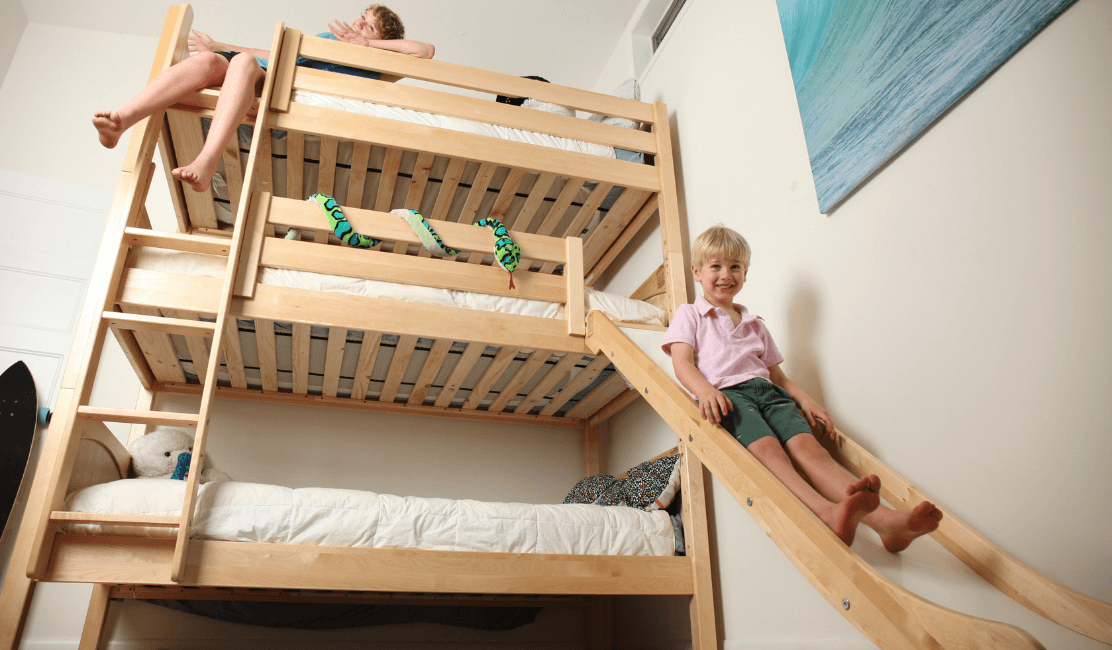
Floor beds sit close to the ground. Toddlers can climb in and out easily. This lowers the chance of injury from falls. Toddler beds have low frames and guardrails. They provide a cozy, secure space for sleep. Both options make the room feel safer and calm.
Temporary Sleep Solutions
Temporary sleep setups work during transitions or visits. A playpen mattress or portable crib can be a good choice. These keep toddlers contained and away from bunk beds. Sleeping bags or floor mats also help in some cases. These options offer flexibility and safety without stress.
Credit: www.maxtrixkids.com
When To Seek Professional Advice
Knowing when to seek professional advice about your toddler climbing the bunk bed is important. Some behaviors may need expert attention beyond simple safety steps. Professionals can offer tailored advice and help keep your child safe.
Consulting Pediatricians Or Child Safety Experts
Pediatricians understand child behavior and safety risks well. They can check if your toddler’s climbing is part of normal development. They also provide tips to manage or reduce risky climbing habits.
Child safety experts focus on preventing accidents in the home. They can suggest changes in the room or furniture to stop climbing. Their advice often includes practical tools to improve safety quickly.
Recognizing Persistent Risk Behaviors
Persistent climbing despite safety measures signals a need for help. If your toddler keeps climbing the bunk bed, risks increase. This behavior may show curiosity or anxiety that needs professional guidance.
Watch for signs like ignoring warnings or climbing in unsafe ways. Persistent climbing can lead to serious injuries. Professionals can assess these behaviors and offer effective solutions.
Frequently Asked Questions
How Can I Prevent My Toddler From Climbing Bunk Beds?
Use safety gates and secure ladders to block access. Explain dangers clearly. Offer alternative climbing activities to redirect energy safely.
What Are Safe Alternatives To Bunk Bed Climbing?
Provide indoor climbing toys or play structures. Encourage outdoor physical activities. These options satisfy your toddler’s climbing urge safely.
When Should I Be Concerned About Bunk Bed Safety?
If your toddler repeatedly climbs despite warnings, it’s risky. Ensure guardrails are secure and consider moving the toddler to a lower bed.
Are There Specific Bunk Beds Designed For Toddlers?
Yes, some bunk beds have enclosed ladders and lower heights. Choose toddler-friendly models to reduce climbing risks and enhance safety.
Conclusion
Stopping your toddler from climbing the bunk bed takes patience and care. Set clear rules and explain why climbing can be dangerous. Use safety rails or barriers to block access. Offer fun alternatives, like a play area or climbing toys.
Watch your child closely and praise safe behavior. Keep the room safe and free from tempting spots. Small steps make a big difference in keeping kids safe. Stay calm and consistent, and your toddler will learn to stay safe. Safety first, always.