Making the switch from a crib to a toddler bed is a big step for both you and your little one. You might be wondering how to do it without tears, tantrums, or sleepless nights.
The good news? With the right approach, this transition can be smooth and even exciting for your child. You’ll discover simple, proven tips to help your toddler feel safe and happy in their new bed. Ready to make bedtime easier and more peaceful?
Keep reading to find out how.
Signs Your Toddler Is Ready
Knowing when your toddler is ready for a toddler bed helps make the transition smooth. Watch for clear signs that show your child is ready to move from the crib. These signs relate to age, safety, and your toddler’s own interest. Paying attention to these clues can make bedtime easier for both of you.
Age And Developmental Milestones
Most toddlers move to a bed between 18 months and 3 years old. Every child grows at their own pace. Look for signs like climbing out of the crib or showing curiosity about big beds. Also, your toddler may start to express the need for more space. These milestones suggest they are ready to change.
Safety Concerns With Cribs
Climbing out of the crib can cause injuries. If your toddler tries to escape often, the crib is no longer safe. Crib slats that are too wide can also pose risks as your child grows. These safety issues mean it is time to switch to a toddler bed. A bed with rails can help keep your child secure.
Toddler’s Interest In A Big Bed
Your toddler may talk about wanting a “big kid” bed. They might want to sleep in the same bed as older siblings. Showing excitement about new bedding or a bed frame is a good sign. This interest makes the move easier and more positive. Encouraging their choice supports a smooth change.
Choosing The Right Toddler Bed
Choosing the right toddler bed is key for a smooth transition from crib to bed. It helps your child feel safe and comfortable. This choice affects their sleep quality and confidence. Picking a bed that fits your child’s needs makes bedtime easier for everyone. Consider the bed’s size, safety, and comfort carefully.
Types Of Toddler Beds
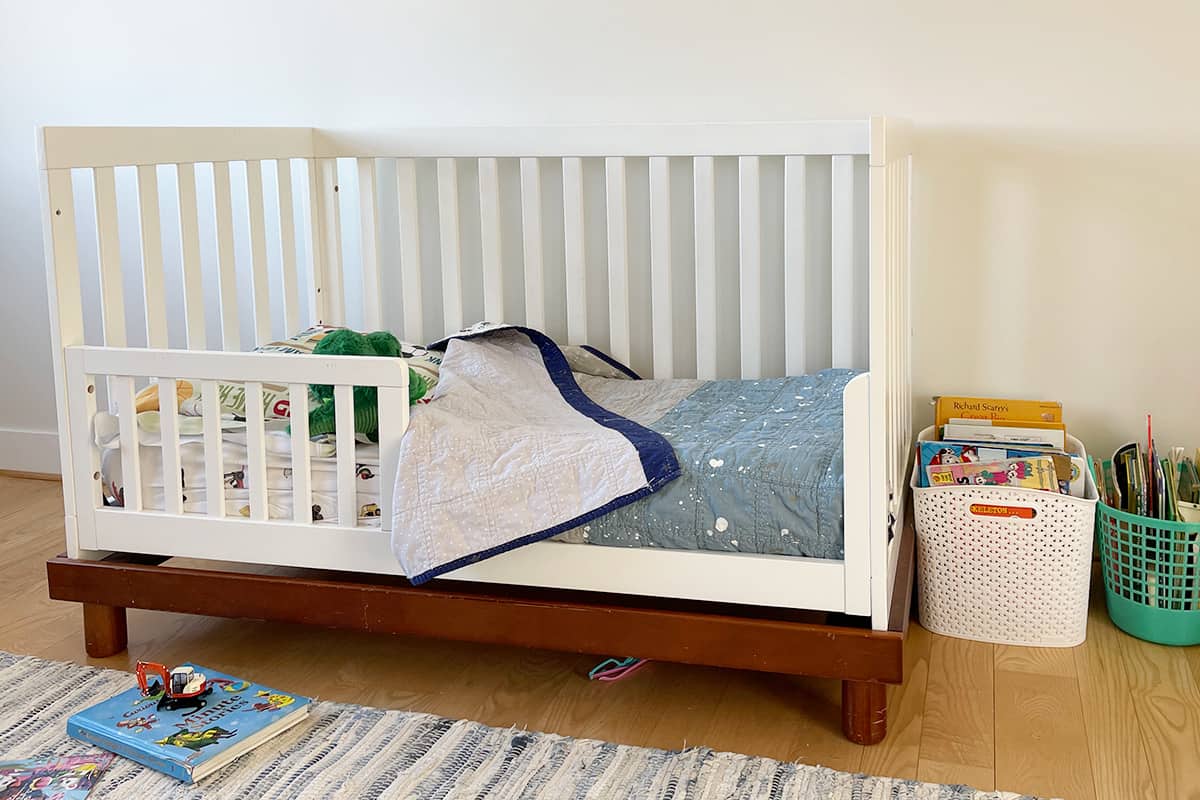
Toddler beds come in many styles. Standard toddler beds are low to the ground, making it easy for kids to get in and out. Some beds have built-in guardrails to prevent falls. Convertible beds can change from crib to toddler bed and later to a twin bed. There are themed beds with fun shapes or characters that kids love. Choose a type that suits your child’s personality and bedroom space.
Safety Features To Look For
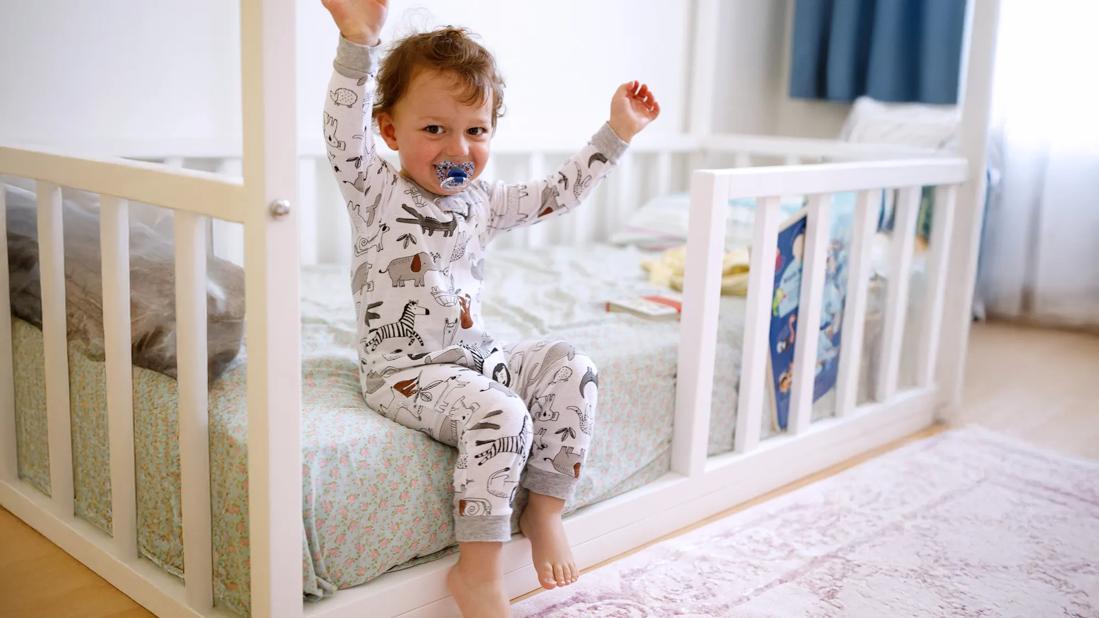
Safety is the top priority. Look for beds with sturdy guardrails on both sides. Check for smooth edges and non-toxic paint. The bed should be close to the floor to reduce injury risk. Avoid beds with sharp corners or loose parts. Ensure the bed frame is stable and well-built. A secure bed helps your child sleep without fear.
Mattress And Bedding Options
Pick a mattress that fits the toddler bed size perfectly. It should be firm and supportive for healthy sleep. Choose breathable materials to keep your child cool. Bedding should be soft, easy to wash, and safe. Avoid heavy blankets or pillows that can cause suffocation. Use fitted sheets that stay in place. Comfortable bedding helps your toddler settle down fast.
Preparing The Bedroom
Preparing the bedroom is the first step to help your toddler adjust to a new bed. A cozy and safe room invites your child to sleep well. This stage makes the transition smooth and less stressful.
Creating A Comfortable Sleep Environment
Choose soft bedding that feels nice on your toddler’s skin. Keep the room temperature cool and comfortable. Use a nightlight to ease any fear of the dark. Remove loud or bright items that may disturb sleep. A calm setting helps your toddler relax and fall asleep faster.
Childproofing The Room
Check for sharp edges or small objects your toddler can reach. Cover electrical outlets and secure cords out of sight. Anchor heavy furniture to the wall to prevent tipping. Lock windows and doors to keep your child safe. Safety ensures peace of mind during this new stage.
Involving Your Toddler In Room Setup
Let your toddler pick their favorite blanket or pillow. Arrange toys and books together at their level. Ask your child where they want the bed placed. This involvement builds excitement and ownership. Your toddler feels proud and ready for bedtime in their new bed.
Establishing A Consistent Bedtime Routine
Establishing a consistent bedtime routine helps toddlers feel safe and ready for sleep. It creates a sense of predictability that comforts them during the transition to a toddler bed. A steady routine reduces resistance and makes bedtime smoother for both kids and parents.
Following the same steps each night signals the body to prepare for rest. It also builds good sleep habits that last a lifetime. Parents should focus on calm, gentle activities and clear messages about bedtime. Comfort objects can provide extra reassurance and ease the change.
Calming Activities Before Bed
Choose quiet, relaxing activities to help your toddler wind down. Reading a short story is a great option. Soft music or gentle lullabies work well too. Avoid screens and loud play that can excite your child. Keep the lights dim to signal sleep time is near.
Setting Clear Expectations
Tell your toddler what will happen at bedtime. Use simple words and repeat the same phrases each night. For example, “Time to sleep now” or “Bedtime is for resting.” Consistency helps your child understand and accept the new bed. Stick to the same bedtime and routine every day.
Using Comfort Objects
Comfort objects can make the transition easier. A favorite blanket or stuffed animal can provide security. Let your toddler hold or keep the object in bed. It offers a familiar feeling in the new sleeping space. This small support can reduce fears and improve sleep quality.
Making The Transition Smooth
Making the transition from a crib to a toddler bed can be a big change. Toddlers might feel unsure or scared at first. Helping them adjust gently makes the switch easier for everyone. Small steps and patience work best. This way, your child grows comfortable with their new bed over time.
Introducing The Toddler Bed Gradually
Start by letting your toddler explore the new bed during the day. Let them sit, play, or read books on it. This helps the bed feel familiar and safe. Keep the crib nearby for naps or quiet time at first. Slowly, move all sleep times to the toddler bed. This slow approach eases the change and builds confidence.
Handling Nighttime Wanderings
Toddlers may get up and wander at night. This is normal and part of adjusting. Gently guide them back to bed each time. Avoid giving too much attention to wandering. Use a night light to keep the room cozy. A soft toy or blanket can comfort your child too. Clear boundaries help your toddler know it’s time to sleep.
Offering Praise And Encouragement
Celebrate each step your toddler takes with the new bed. Use kind words and hugs to show you are proud. Positive feedback encourages good sleep habits. Even small successes matter a lot. Praise builds your toddler’s trust and happiness. It also makes bedtime a positive experience for both of you.

Credit: www.whattoexpect.com
Addressing Common Challenges
Transitioning a toddler to a new bed often comes with challenges. Parents may face resistance, nighttime fears, and setbacks. Understanding these common issues helps create a smooth change. Patience and consistency are key during this phase.
Dealing With Resistance
Toddlers may resist leaving their crib. The crib feels safe and familiar. Offer comfort by staying close at bedtime. Use a favorite blanket or toy for reassurance. Keep bedtime routines steady to build trust. Praise small steps toward using the bed.
Managing Nighttime Fears
New beds can cause fears of the dark or being alone. Use a nightlight to ease fear. Talk calmly about feelings and fears before sleep. Read gentle stories about bedtime bravery. Avoid scary themes or loud noises at night. Reassure your toddler that you are nearby.
Adjusting After Setbacks
Setbacks are normal during the transition. Toddlers might return to old habits like climbing out or wanting the crib. Stay calm and patient. Gently guide your child back to the bed. Keep routines consistent and avoid giving extra attention to setbacks. Celebrate progress, not perfection.
Maintaining Sleep Success
Maintaining sleep success after moving your toddler to a new bed is key. Good sleep habits help your child feel safe and rested. This stage takes care and attention. You need to support your toddler’s new routine gently. Consistency and patience play a big role in this process.
Consistency And Patience
Keep bedtime routines steady every night. Same songs, stories, and goodnight phrases help. Your toddler learns what to expect. This makes falling asleep easier. Patience is important when your child resists change. Some nights may be harder than others. Stay calm and gentle to build trust.
Adapting As Your Toddler Grows
Your toddler’s needs will change over time. Watch for signs of readiness for new bedtime habits. Adjust nap times and bedtimes as needed. Offer comfort objects like a favorite blanket or toy. This helps your child feel secure. Flexibility helps keep sleep routines working well.
Celebrating Milestones
Recognize your toddler’s efforts in sleeping alone. Praise and small rewards encourage good habits. Celebrate when your child stays in bed all night. These moments boost confidence and motivation. Positive reinforcement makes the transition smoother and more fun.
Credit: www.yummytoddlerfood.com
Credit: health.clevelandclinic.org
Frequently Asked Questions
When Is The Right Time To Switch To A Toddler Bed?
The best time to switch is between 18 months and 3 years. Look for signs like climbing out of the crib. Ensure your toddler shows readiness and comfort with the change.
How To Make The Toddler Bed Transition Smooth?
Create a consistent bedtime routine. Use familiar bedding and allow your child to explore the new bed. Offer praise and reassurance to ease any fears.
What Safety Measures Are Needed For Toddler Beds?
Choose a bed with guardrails to prevent falls. Place the bed away from windows and sharp objects. Use a firm mattress that fits snugly in the frame.
How To Handle Toddler Bedtime Resistance After Switching?
Stay calm and patient. Use positive reinforcement and establish clear bedtime rules. Offer comfort items like a favorite stuffed toy to help your toddler settle.
Conclusion
Transitioning your toddler to a new bed takes time and patience. Keep the bedtime routine calm and consistent every night. Let your child explore the new bed and feel safe there. Praise small successes to build their confidence and comfort.
Expect some restlessness or nights waking up—that’s normal. Stay calm and gentle while guiding them back to bed. Soon, your toddler will enjoy their new sleeping space. This change supports their growth and independence. Keep loving support at the core of the process.
You are helping your child take an important step forward.