Is your outdoor metal furniture looking dull or rusty? You want it to shine and last for years, but cleaning it can feel tricky.
What exactly should you use to clean it without causing damage? If you’ve ever wondered what to clean outdoor metal furniture with, you’re in the right place. You’ll discover simple, effective ways to bring back that fresh, polished look. Keep reading—you’ll be surprised how easy it is to protect and brighten your outdoor space with the right cleaning tips.
Types Of Outdoor Metal Furniture
Outdoor metal furniture comes in different types. Each type needs special care to keep it clean and last long.
Understanding the type of metal helps choose the right cleaning method. It also protects the furniture from damage and rust.
Aluminum Furniture
Aluminum furniture is light and does not rust easily. It often has a powder-coated finish for extra protection. Use mild soap and water to clean aluminum. Avoid harsh cleaners that can damage the finish. A soft cloth or sponge works best.
Wrought Iron Furniture
Wrought iron is strong and heavy. It can rust if left outside without care. Clean with warm water and gentle soap. Use a brush to remove dirt from crevices. Dry it well to prevent rust. Applying a protective wax helps keep it shiny.
Steel Furniture
Steel furniture is durable but prone to rust. It may have a coating to protect it. Clean steel with mild detergent and water. For rust spots, use a rust remover carefully. Dry the furniture fully after washing. A sealant can add extra protection.
Other Metal Types
Some furniture uses metals like brass or copper. These metals develop a natural patina over time. Clean with gentle soap and water only. Avoid abrasive cleaners that can scratch the surface. Polishing may restore shine but do it sparingly.
Credit: decoroutdoor.com
Common Issues With Metal Furniture
Outdoor metal furniture faces many challenges from weather and daily use. These issues affect its look and lifespan. Knowing common problems helps in proper cleaning and care. Keep metal furniture neat and strong with regular attention.
Rust And Corrosion
Rust forms when metal meets water and air. It eats away the metal surface. Corrosion weakens the furniture and makes it unsafe. Salt in the air near the sea speeds up rust. Cleaning and protecting metal stops rust from spreading.
Dirt And Grime Build-up
Dirt and grime collect on metal furniture over time. Dust, pollen, and bird droppings stick to surfaces. This build-up makes furniture look dull and dirty. It can also cause damage if not cleaned. Regular washing keeps metal furniture fresh and clean.
Fading And Discoloration
Sunlight causes fading and color loss on metal. UV rays break down paint and finishes. Rain and moisture also change metal’s look. Fading makes furniture less attractive in the yard. Using proper cleaners helps maintain color and shine.
Scratches And Dents
Scratches and dents happen from moving and use. They expose metal to air and water. This can lead to rust and further damage. Small scratches can be fixed with touch-up paint. Prevent dents by handling furniture carefully and storing it well.
Essential Cleaning Tools
Cleaning outdoor metal furniture requires the right tools for the best results. Using proper tools ensures you remove dirt without harming the metal. It also helps protect your furniture from damage during cleaning. Here are the essential cleaning tools you need.
Soft Brushes And Cloths
Soft brushes help remove dust and dirt gently. Avoid hard brushes that can scratch metal surfaces. Microfiber cloths are ideal for wiping and drying. They absorb moisture well and prevent streaks. Soft tools keep your furniture looking new longer.
Mild Detergents And Soaps
Use mild detergents to clean without damaging paint or finish. Dish soap mixed with water works well. Avoid harsh chemicals that can corrode metal. Mild soaps break down grime and grease effectively. This keeps the surface smooth and clean.
Rust Removers
Rust can ruin outdoor metal furniture if left untreated. Rust removers dissolve rust and stop it from spreading. Choose rust removers made for outdoor metals. Always follow instructions carefully to avoid damage. Use rust remover only on affected spots.
Protective Gear
Wear gloves to protect your hands from chemicals and rough surfaces. Safety glasses shield your eyes from splashes. Use masks if you work with strong cleaners or rust removers. Protective gear keeps you safe during the cleaning process.
Credit: www.alnew.com
Cleaning Solutions For Metal Furniture
Cleaning outdoor metal furniture keeps it looking fresh and lasting longer. Choosing the right cleaning solution is key. The wrong product can damage the metal or strip its finish. Different options suit different needs and metal types. Explore easy, safe, and effective cleaning solutions below.
Homemade Cleaning Mixtures
Simple ingredients create effective cleaners at home. Mix warm water with mild dish soap for light cleaning. For tougher grime, add a bit of white vinegar. Baking soda paste works well on rust spots. These mixtures are gentle and safe for most metals. Always test a small area first.
Commercial Cleaners
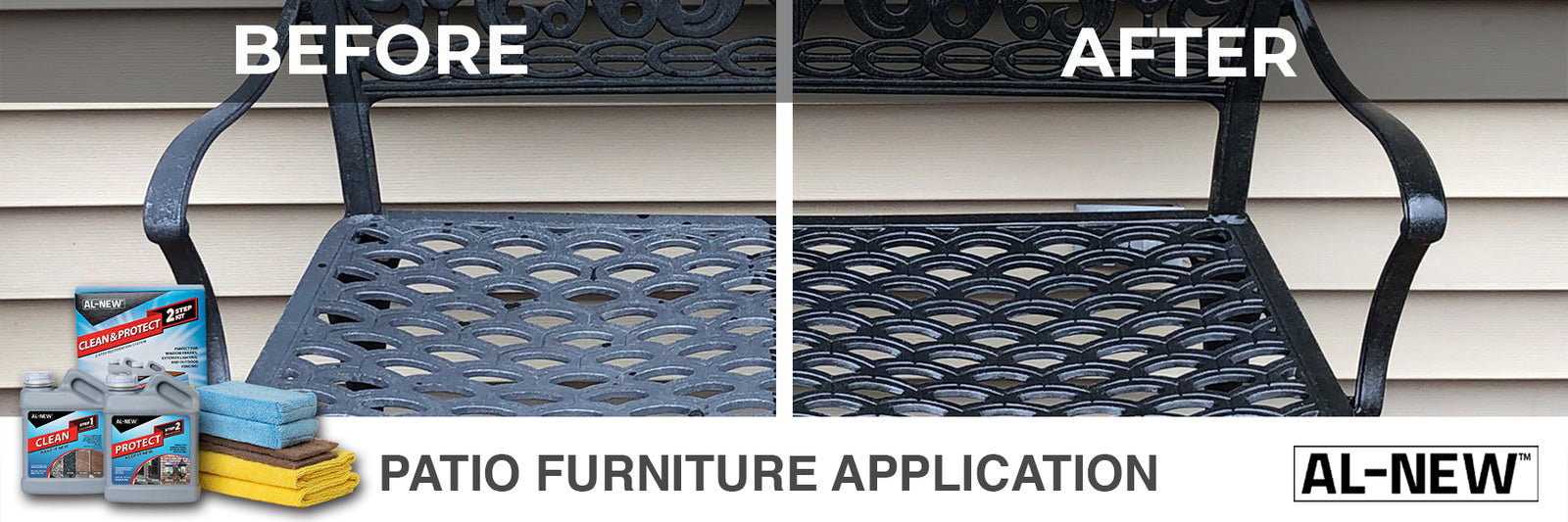
Stores sell cleaners designed for metal furniture. Choose products labeled safe for outdoor metal use. Follow the instructions carefully for best results. Some cleaners remove rust and stains quickly. Avoid abrasive powders or sprays that can scratch surfaces. Use gloves to protect your skin.
Natural Alternatives
Lemon juice brightens metal surfaces naturally. Olive oil can polish and protect after cleaning. Club soda removes water stains without harsh chemicals. These options are eco-friendly and easy to find. They work well for light cleaning and shine.
Avoiding Harsh Chemicals
Strong acids and bleach damage metal finishes. Abrasive scrubs can leave scratches and dull the surface. Avoid ammonia and solvents that eat away paint or coatings. Harsh chemicals harm both furniture and the environment. Choose gentle cleaners to keep metal safe and shiny.
Step-by-step Cleaning Process
Cleaning outdoor metal furniture keeps it looking fresh and lasts longer. A clear process makes cleaning easier and more effective. Follow these simple steps to restore shine and remove dirt or rust safely.
Preparation And Safety Measures
Wear gloves to protect your hands. Work in a well-ventilated area. Gather all cleaning tools like brushes, cloths, and cleaning solutions. Remove cushions and covers before cleaning. Check the furniture for any loose parts and fix them.
Removing Loose Dirt
Start by brushing off dust and loose dirt. Use a soft brush or cloth. Avoid scratching the metal surface. For hard-to-reach areas, use a small brush or old toothbrush. This step prevents dirt from spreading during washing.
Treating Rust Spots
Use sandpaper or a wire brush to gently remove rust. Rub only the rusty areas until smooth. Apply a rust remover solution if needed. Let it sit for a few minutes. Wipe off with a damp cloth to clean the surface.
Washing And Rinsing
Mix mild soap with warm water in a bucket. Use a soft cloth or sponge to wash the furniture. Clean all surfaces carefully. Rinse thoroughly with clean water to remove soap. Avoid leaving soap residue, as it can damage the metal.
Drying And Polishing
Dry the furniture with a soft towel or cloth immediately. Air drying may cause water spots. Use metal polish or a protective spray to add shine. Buff gently with a clean cloth. This step protects the metal and keeps it looking new.
Maintenance Tips To Prevent Damage
Maintaining outdoor metal furniture helps keep it strong and good-looking. Dirt, rain, and sun can cause rust and damage. Follow simple steps to protect your furniture. This saves money and time on repairs. Regular care keeps metal shiny and lasts longer. Here are key tips to prevent damage and keep your furniture in top shape.
Regular Cleaning Schedule
Clean your metal furniture every few weeks. Use mild soap and warm water. A soft cloth or sponge works well. Avoid harsh chemicals that can harm the metal. Rinse with clean water and dry fully. This stops rust and dirt build-up. Regular cleaning removes dust and prevents stains.
Protective Coatings And Sealants
Apply a protective layer to guard against rust. Use clear sealants or metal paint made for outdoors. These coatings block moisture and sun damage. Reapply every year or after heavy rain. Protective coatings keep metal smooth and bright. They also reduce the need for deep cleaning.
Storage Recommendations
Store furniture in a dry place during bad weather. Cover pieces with waterproof covers if leaving outside. Keep furniture off damp ground to avoid rust. Indoor storage during winter prevents freeze damage. Proper storage extends the life of metal furniture. It also keeps cushions and parts safe.
Handling Repairs
Fix small scratches or chips quickly. Sand the area lightly and apply touch-up paint. Check screws and bolts for tightness often. Replace broken parts to avoid more damage. Early repairs stop rust from spreading. Keeping furniture in good shape saves money later.
Seasonal Care Tips
Seasonal care helps keep outdoor metal furniture in good shape all year. Cleaning and protecting your furniture changes with the seasons. Each season brings different challenges for metal pieces. Follow these simple tips to extend your furniture’s life and beauty.
Preparing For Winter
Clear dirt and dust before cold weather arrives. Use a mild soap and warm water to clean. Dry furniture completely to stop rust from forming. Cover pieces with waterproof covers to block snow and ice. Store cushions indoors to prevent mold and fading.
Summer Cleaning Boost
Summer heat can cause stains and build-up. Wash furniture weekly with gentle soap and water. Remove any bird droppings or sap quickly. Apply a thin coat of wax to protect the metal from sun damage. Keep cushions clean by washing or airing them regularly.
Dealing With Humidity
High humidity can speed up rusting on metal. Wipe furniture dry after rain or morning dew. Use a rust-resistant spray to add a protective layer. Keep furniture in a well-ventilated area if possible. Check for rust spots often and treat them early.
Storm And Rain Protection
Storms bring heavy rain and strong winds that harm furniture. Secure lightweight pieces to prevent tipping or damage. Cover furniture with sturdy, water-resistant tarps. Avoid leaving cushions outside during storms. After storms, clean and dry furniture quickly to prevent water damage.
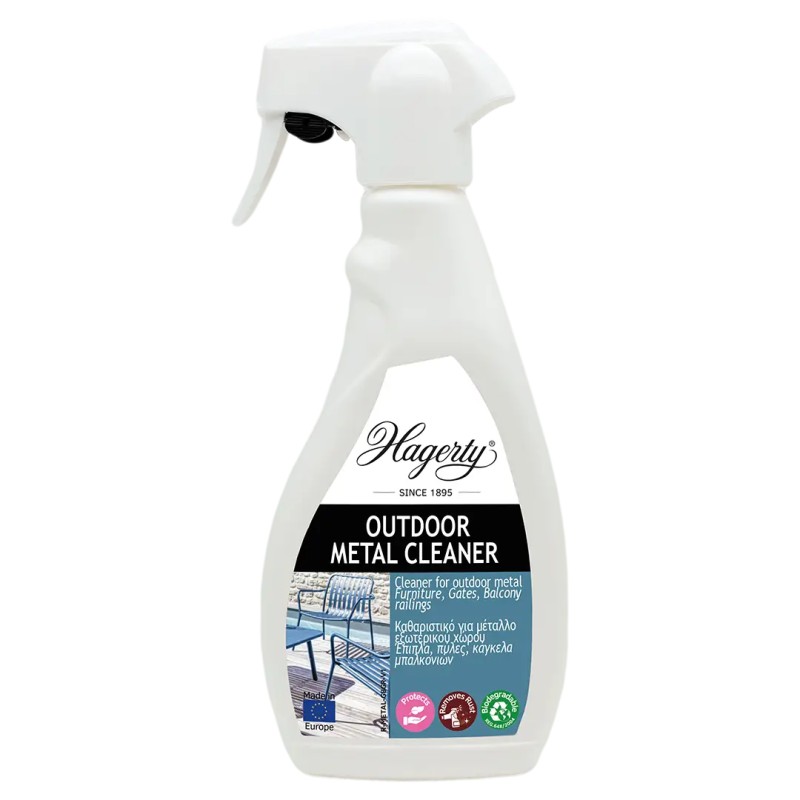
Credit: hagerty.world
Frequently Asked Questions
What Is The Best Cleaner For Outdoor Metal Furniture?
Mild soap mixed with warm water is the best cleaner for outdoor metal furniture. It removes dirt without damaging the finish. Avoid harsh chemicals that can corrode the metal or strip paint.
How Often Should I Clean Outdoor Metal Furniture?
Clean outdoor metal furniture every few weeks or after heavy use. Regular cleaning prevents rust and buildup. A quick wipe-down keeps your furniture looking fresh and extends its lifespan.
Can Vinegar Be Used To Clean Metal Furniture?
Yes, vinegar is effective for removing rust and stains from metal furniture. Dilute white vinegar with water and apply it gently. Rinse thoroughly and dry to avoid corrosion.
How Do I Prevent Rust On Outdoor Metal Furniture?
Prevent rust by cleaning metal furniture regularly and applying a protective sealant or wax. Store furniture indoors during wet seasons. Cover with waterproof covers to keep moisture away.
Conclusion
Cleaning outdoor metal furniture keeps it looking fresh and lasts longer. Use mild soap and water for regular cleaning. Avoid harsh chemicals that can damage the metal surface. Dry furniture well to stop rust from forming. Regular care prevents dirt buildup and keeps furniture shiny.
Simple steps make your outdoor space inviting and neat. Enjoy your clean, sturdy furniture every season.