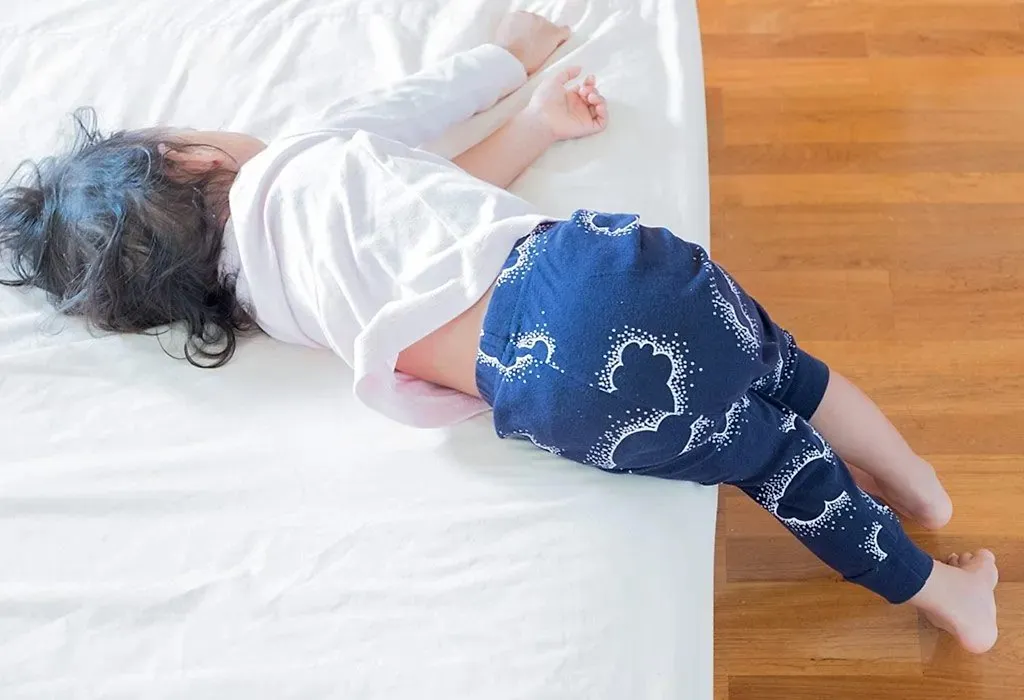
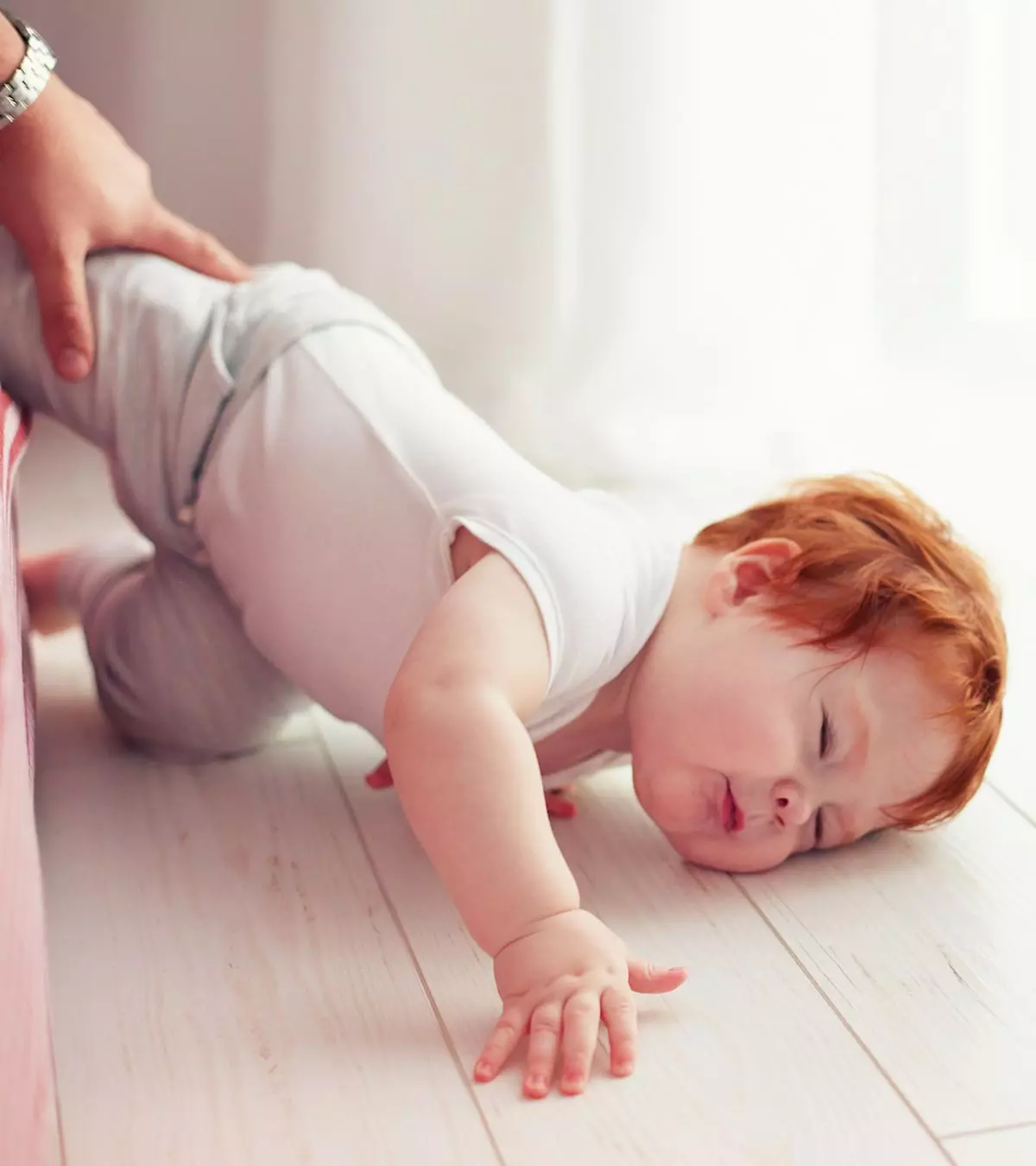
If your toddler has just fallen off the bed, you might be feeling a rush of panic and confusion. You want to act fast but also stay calm to make sure your little one is okay.
Knowing exactly what steps to take can make all the difference in keeping your child safe and easing your worries. You’ll discover simple, clear actions to handle the situation confidently. Keep reading to learn what signs to watch for, when to seek medical help, and how to prevent falls in the future.
Your child’s safety is your top priority—and we’re here to help you protect it.
Credit: parenting.firstcry.com
Assess The Situation
When your toddler falls off the bed, the first step is to assess the situation carefully. This helps you decide what to do next and keeps your child safe. Stay focused and act quickly to check how serious the fall might be.
Observe your toddler closely. Look for signs of pain or unusual behavior. This initial check is very important before moving your child or calling for help.
Check For Immediate Injuries
Look for cuts, bruises, or bleeding on your toddler’s body. Watch for swelling or bumps on the head. Notice if your child is crying loudly or seems very upset.
See if your toddler can move arms and legs without pain. Check if they are breathing normally and responding to you. If you spot serious injuries, call emergency services right away.
Stay Calm And Comfort Your Toddler
Keep a calm voice to soothe your child. Hold or hug your toddler gently to make them feel safe. Avoid showing panic; your calmness helps them relax.
Reassure your child that you are there and everything will be okay. This comfort reduces fear and helps your toddler stay still for further checks.
First Aid Steps
Knowing the right first aid steps helps you act fast and keep your toddler safe. After a fall from the bed, stay calm and check your child carefully. Look for any signs of serious injury like bleeding, swelling, or pain. Quick and proper care can reduce pain and prevent infection. Here are simple first aid steps to follow.
Clean Minor Scrapes And Cuts
Wash your hands before touching the wound. Gently rinse scrapes or cuts with clean water. Use a mild soap around the area, but avoid getting soap inside the wound. Pat dry with a soft cloth or gauze. Apply a thin layer of antibiotic ointment to prevent infection. Cover the wound with a clean, breathable bandage. Change the bandage daily or if it gets wet or dirty.
Apply Ice To Reduce Swelling
Wrap ice or a cold pack in a thin cloth. Do not place ice directly on the skin. Apply the cold pack to the injured area for 15 minutes. Take breaks of 15 minutes between applications. Cold helps lower swelling and eases pain. Watch your toddler’s skin for any signs of discomfort or frostbite. Use ice carefully to keep your child comfortable.
When To Seek Medical Help
Knowing when to seek medical help after a toddler falls off the bed is very important. Not every fall needs a doctor’s visit. Some bumps and bruises heal on their own. But certain signs mean the injury might be serious. Acting fast can protect your child’s health.
Signs Of Serious Injury
Look for bleeding that does not stop. Watch for swelling or bruises that grow quickly. Notice if your child cannot move a part of their body. Pay attention to vomiting or repeated crying. Check if your toddler is very sleepy or hard to wake up. Watch for changes in breathing or skin color. These signs need immediate care.
Contacting Emergency Services
Call emergency services if your child shows serious signs. Do not wait or try to treat severe injuries at home. Describe the fall and symptoms clearly to the dispatcher. Follow their instructions carefully. Keep your toddler still and calm until help arrives. Quick action can save your child’s life.
Preventing Future Falls
Preventing future falls is key after a toddler falls off the bed. Taking steps to keep your child safe helps avoid injuries. Small changes in the bedroom can make a big difference.
Use Bed Rails Or Guards
Bed rails or guards create a barrier on the bed’s side. They stop toddlers from rolling off during sleep. Choose rails that fit your bed size well. Make sure they are sturdy and easy to install. Check them often to ensure they stay secure. These simple tools provide peace of mind for parents.
Create A Safe Sleeping Environment
Keep the area around the bed clear of sharp or hard objects. Use soft rugs or carpet to cushion any possible falls. Lower the bed height if possible to reduce fall impact. Avoid placing the bed near windows or furniture edges. Teach your toddler about safe sleeping habits gently. A calm, safe space helps toddlers sleep peacefully and safely.
Safe Sleep Practices
Safe sleep practices help prevent injuries when toddlers fall from beds. They create a secure space for your child to rest. Parents can reduce the risk of accidents by making smart choices.
Simple changes in the sleeping environment protect toddlers. These steps make bedtime calm and safe for everyone.
Choose Age-appropriate Beds
Select beds designed for toddlers, not adults or infants. Low beds reduce the height from which a child can fall. Beds with guardrails stop toddlers from rolling off during sleep. Avoid bunk beds for young children to prevent serious falls. A mattress on the floor is a safe alternative for active toddlers.
Establish Consistent Bedtime Routines
Regular bedtime routines help toddlers feel secure and calm. A calm child is less likely to move around wildly in bed. Consistent sleep times support better rest and fewer accidents. Include quiet activities before sleep to ease the transition. Predictable routines help toddlers understand when it is time to stay in bed.
Childproofing The Bedroom
Childproofing the bedroom helps keep toddlers safe from falls and injuries. Making the room safe lowers the risk of accidents. It creates a secure space where your child can play and sleep comfortably.
Small changes can protect your toddler from harm. Focus on removing dangers and securing loose items. These steps help prevent future falls from the bed or other furniture.
Remove Hard Or Sharp Objects
Clear the bedroom floor of toys and objects with sharp edges. Remove items like lamps, books, or toys with hard parts. These objects can hurt your child during a fall. Keep soft toys and cushions nearby to soften any impact.
Secure Furniture And Fixtures
Anchor dressers, bookshelves, and other furniture to the wall. This stops them from tipping over if your toddler climbs or bumps into them. Check that window blinds and cords are out of reach. Use corner guards on sharp furniture edges to avoid cuts or bruises.
Monitoring And Supervision
Monitoring and supervision are very important after a toddler falls off the bed. Careful watching helps you catch any signs of injury early. It also keeps your child safe from future falls. Staying alert and close by gives you peace of mind and helps your toddler feel secure.
Use Baby Monitors
Baby monitors let you hear or see your toddler from another room. This tool helps you keep an eye on your child without being in the same room. Choose a monitor with clear audio and video. It helps you notice unusual sounds or movements quickly. Keep the monitor on at all times during naps and bedtime.
Stay Within Reach During Naptime
Always stay close to your toddler during naps. Being nearby means you can react fast if they move or fall. Keep your child’s bed low to the ground to reduce injury risk. Avoid leaving your toddler alone on high beds or sofas. Close supervision helps prevent accidents and keeps your child safe.
Credit: www.momjunction.com
Credit: www.abc.net.au
Frequently Asked Questions
What Immediate Steps To Take When Toddler Falls Off Bed?
Check your toddler for injuries first. Stay calm and comfort them. Look for cuts, bruises, or swelling. If unconscious or bleeding heavily, seek emergency care immediately. For minor falls, monitor for unusual behavior or pain.
When Should I See A Doctor After Toddler’s Fall?
Visit a doctor if your toddler shows vomiting, drowsiness, or confusion. Also seek medical help if there is persistent crying, bleeding, or difficulty moving. Always trust your instincts if the fall seems serious.
How To Prevent Toddler Falls From Bed Effectively?
Use bed rails or guardrails to block edges. Place the mattress on the floor. Remove sharp objects nearby. Establish a consistent bedtime routine to reduce restlessness. Supervise toddlers closely during sleep transitions.
Can A Toddler Get A Concussion From Falling Off Bed?
Yes, toddlers can get concussions from falls off beds. Watch for symptoms like dizziness, headache, vomiting, or irritability. If any signs appear, consult a healthcare professional immediately for assessment and care.
Conclusion
Toddler falls from bed can be scary for parents. Stay calm and check your child carefully. Look for bumps, cuts, or unusual behavior. If your toddler seems hurt or acts strange, seek medical help quickly. Keep the bed low and use safety rails to prevent falls.
Always watch toddlers closely during naps and bedtime. Small steps protect your child and bring peace of mind. Remember, quick attention helps your toddler stay safe and healthy. Safety first, always.