Choosing what to dress your toddler in for bed can feel tricky. You want them to be comfortable, safe, and cozy all night long.
But how do you know what’s just right? Too warm, and they might get sweaty and restless. Too light, and they could catch a chill. You’re not alone in wondering about this. Keep reading, and you’ll discover simple tips that make bedtime easier and more peaceful for both you and your little one.
Your toddler’s best night’s sleep starts here.

Credit: borro-it.com
Choosing The Right Fabric
Choosing the right fabric for your toddler’s bedtime clothes is very important. The fabric affects how warm or cool your child feels. It also impacts their skin health and comfort. Picking the best material helps your toddler sleep well and stay cozy all night.
Natural Vs Synthetic Materials
Natural fabrics come from plants or animals. Cotton, bamboo, and wool are popular natural choices. These materials feel soft and gentle on the skin. Synthetic fabrics like polyester or nylon are made in factories. They can trap heat and cause sweating. Natural fabrics usually work better for toddler sleepwear.
Breathability And Comfort
Breathability means air can pass through the fabric easily. It helps keep your toddler’s skin dry and cool. Fabrics like cotton allow good airflow. This stops overheating during sleep. Soft fabrics reduce irritation and make toddlers feel relaxed. Choose fabrics that feel light and smooth to touch.
Hypoallergenic Options
Toddler skin can be sensitive and prone to allergies. Hypoallergenic fabrics reduce the risk of skin reactions. Organic cotton and bamboo are gentle on sensitive skin. Avoid rough or scratchy materials. Check labels for hypoallergenic claims to protect your child’s skin.
Seasonal Clothing Tips
Choosing the right clothes for your toddler’s bedtime changes with the seasons. The goal is to keep your child comfortable and safe all night. Dress your toddler in clothes that match the weather outside and the temperature indoors. This helps your child sleep better and stay healthy.
Dressing For Warm Weather
Pick lightweight, breathable fabrics like cotton for hot nights. Avoid thick pajamas that trap heat and cause sweating. Sleeveless or short-sleeve onesies work well. Keep your toddler’s feet bare or use thin socks only if needed. A thin cotton blanket may be enough for extra comfort.
Layering For Cooler Nights
Use layers to add or remove warmth quickly. Start with a soft onesie or long-sleeve shirt. Add a lightweight sleeper or pajama set on top. Use a wearable blanket or sleep sack instead of loose blankets. Layers help keep your toddler cozy without overheating.
Adjusting For Indoor Temperatures
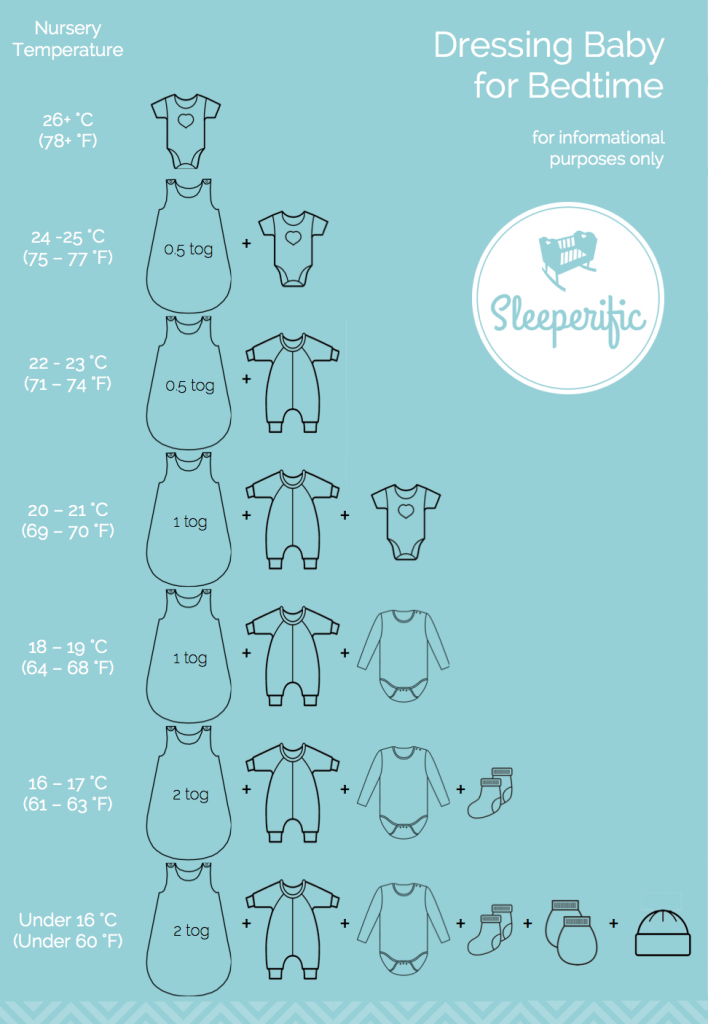
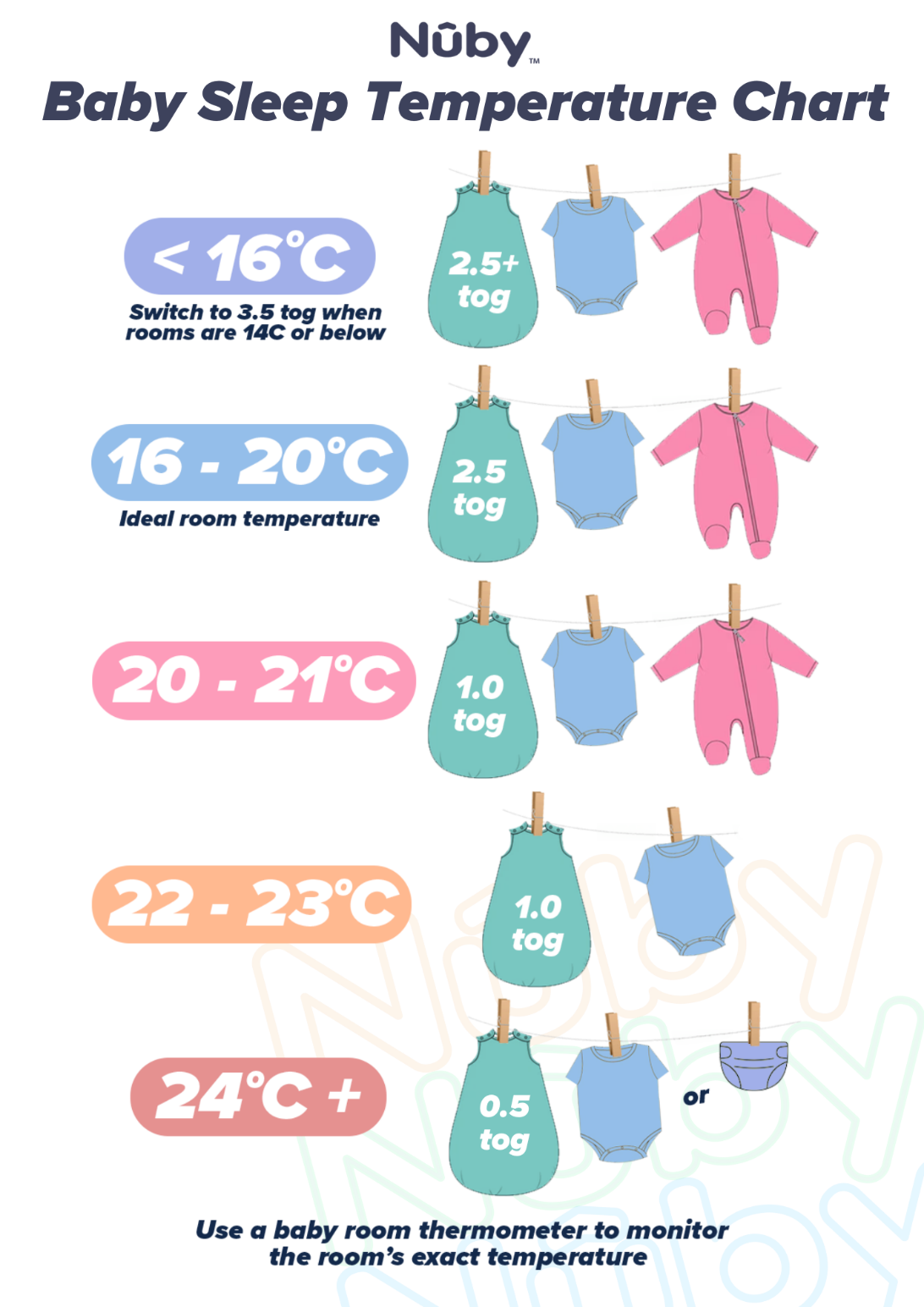
Check your home’s temperature before bedtime. If it’s warm inside, dress your toddler in fewer layers. For cooler rooms, add a sleeper or a sleep sack. Avoid overdressing, which can lead to overheating. Adjust clothes based on how your child feels during the night.
Safety Considerations
Choosing the right clothes for your toddler’s bedtime is important for safety. Sleepwear should keep your child comfortable and free from risks. Parents need to know what to avoid and what to choose to protect their little ones during sleep.
Avoiding Loose And Hazardous Items
Loose items can cause choking or strangulation. Avoid pajamas with strings, ribbons, or buttons that can come off. Never use blankets or pillows with toddlers under two years old. These items can cover the face and block breathing. Choose simple sleepwear without extra decorations.
Fire-resistant Sleepwear
Sleepwear that resists fire reduces injury risk in accidents. Look for pajamas labeled as flame-resistant. These fabrics self-extinguish when exposed to fire. Cotton is safe but can catch fire easily. Flame-resistant sleepwear adds an important layer of safety for your child.
Proper Fit And Sizing
Clothes that fit well prevent accidents. Tight pajamas can cause discomfort and skin irritation. Loose pajamas increase the risk of tripping or covering the face. Select sleepwear that fits snugly but allows movement. Check sizes regularly as toddlers grow fast.
Credit: www.sleeperific.com
Cozy Sleepwear Options
Choosing the right sleepwear keeps toddlers warm and comfortable through the night. Cozy sleepwear helps them feel safe and relaxed. It also supports better sleep for both toddlers and parents. Soft fabrics and easy designs make bedtime smooth and pleasant.
Footed Pajamas And Sleep Sacks
Footed pajamas cover the whole body, including feet. They keep toddlers warm without extra blankets. These pajamas are soft and stretchy for free movement. Sleep sacks work as wearable blankets. They prevent toddlers from kicking off covers. Both options reduce the risk of overheating or tangled blankets.
Blankets And Swaddles
Light blankets add warmth but may slip away during sleep. Swaddles wrap snugly around younger toddlers. They create a cozy, womb-like feeling. Swaddling can calm restless toddlers. Choose breathable fabrics to avoid overheating. Ensure blankets and swaddles are safe and fit well.
Choosing Comfortable Sleepwear Styles
Select sleepwear made from natural materials like cotton. These fabrics feel soft and allow air flow. Avoid tight clothes or rough seams that may irritate skin. Look for easy-to-use zippers or snaps for quick changes. Comfort and ease help toddlers settle down faster.
Tips For Better Sleep
Helping your toddler sleep well starts with small but important steps. The right clothes matter, but other factors also affect sleep quality. Follow these tips to make bedtime peaceful and restful for your little one.
Maintaining A Consistent Bedtime Routine
A regular bedtime routine helps toddlers feel safe and calm. Choose simple activities like reading a book or singing a lullaby. Put your child to bed at the same time every night. This builds a healthy sleep habit that lasts.
Setting The Right Room Temperature
Keep the bedroom cool but comfortable. Ideal room temperature for toddlers is between 65 and 70 degrees Fahrenheit. Too hot or too cold can disturb sleep. Dress your child in light pajamas if the room is warm. Use warmer clothes if the room is cooler.
Using Sleep Accessories Wisely
Use sleep accessories with care. Soft blankets and sleep sacks can add comfort. Avoid heavy blankets or loose bedding to reduce risks. A night light can ease fear of darkness but keep it dim. Choose safe and simple items that support better sleep.
Credit: uk.nuby.com
Frequently Asked Questions
What Is The Best Fabric For Toddler Sleepwear?
The best fabric for toddler sleepwear is soft, breathable cotton. It helps regulate body temperature and prevents overheating. Cotton is gentle on sensitive skin, reducing irritation. Avoid synthetic fabrics that trap heat and cause discomfort during sleep.
How Should Toddlers Be Dressed For Cold Nights?
For cold nights, dress toddlers in layered pajamas. Use cotton base layers and add a warm fleece or wool layer. Ensure the sleepwear covers arms and legs fully. A snug hat and socks can help retain body heat.
Can Toddlers Wear Blankets Or Sleep Sacks Safely?
Sleep sacks are safer than loose blankets for toddlers. They reduce the risk of suffocation and keep toddlers warm throughout the night. Choose the appropriate size and tog rating based on room temperature.
How Many Layers Should A Toddler Wear To Bed?
Typically, dress toddlers in one to two layers for bed. Adjust layers based on room temperature and your toddler’s comfort. Too many layers can cause overheating, while too few may lead to chills.
Conclusion
Choosing the right clothes helps toddlers sleep safe and sound. Soft, breathable fabrics keep them comfy all night. Dress your child in layers if the weather changes. Avoid tight or heavy clothes that may cause discomfort. Always check the room temperature before bedtime.
A good sleep outfit supports healthy rest and growth. Small changes can make a big difference in your toddler’s sleep. Keep it simple, cozy, and safe for peaceful nights ahead.