When the temperature in your toddler’s room hits 24 degrees, you might wonder what the best sleepwear is to keep your little one comfortable all night. You want to avoid overheating but also make sure your child doesn’t get cold.
Finding that perfect balance can feel tricky. You’ll discover simple, effective tips to dress your toddler for bed at 24 degrees so they sleep soundly and wake up happy. Keep reading to learn exactly what works and why—it’s easier than you think!
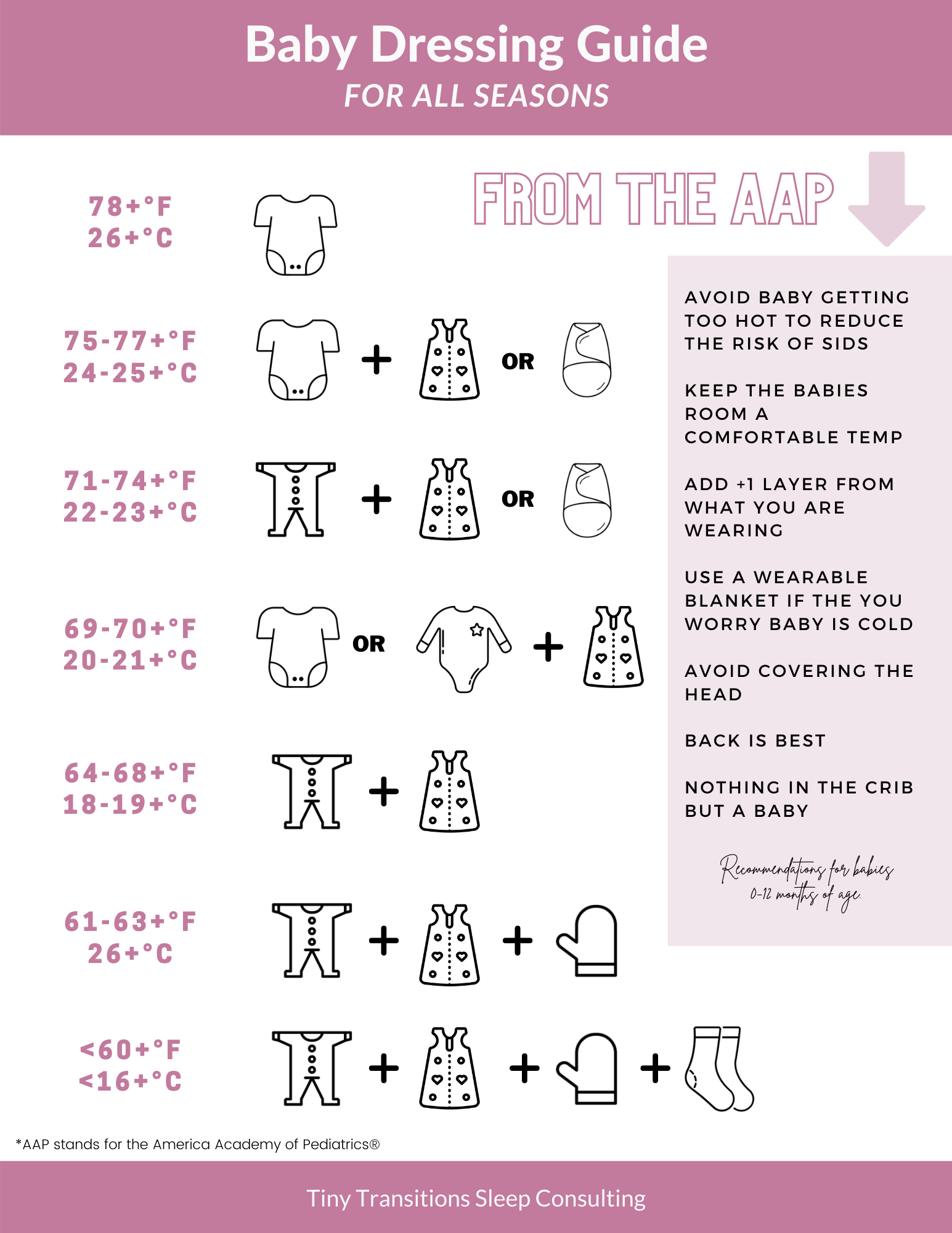
Credit: tinytransitions.com
Ideal Sleepwear Fabrics
Choosing the right fabric for toddler sleepwear is key to a good night’s sleep. Fabrics affect comfort and temperature control. At 24 degrees Celsius, toddlers need fabrics that keep them cool but cozy. Breathable and soft materials help avoid overheating and skin irritation. Avoid fabrics that trap heat or cause sweating.
Breathable Cotton Options
Cotton is a top choice for toddler sleepwear. It lets air flow freely, keeping the skin cool. Cotton absorbs sweat and dries fast, preventing discomfort. It feels soft and gentle on sensitive skin. Choose lightweight cotton pajamas for warm nights. Cotton is easy to wash and lasts long.
Soft Bamboo Fabrics
Bamboo fabric is soft and smooth, ideal for toddlers. It naturally breathes well and controls moisture. Bamboo also has natural antibacterial properties. This helps reduce odors and skin irritation. It feels silky and cool, perfect for 24-degree rooms. Bamboo sleepwear offers a gentle touch for delicate skin.
Avoiding Synthetic Materials
Synthetic fabrics like polyester or nylon trap heat and moisture. This can make toddlers sweat and feel sticky. These materials do not breathe well, causing discomfort. They may irritate sensitive skin and cause rashes. Choose natural fibers instead to ensure better airflow and comfort.

Credit: stbarthvillarental.com
Choosing The Right Layers
Choosing the right layers for your toddler’s bedtime at 24 degrees Celsius helps keep them cozy and safe. The temperature is warm but can feel a bit cool at night. Layering allows you to adjust your child’s clothing easily. It also helps avoid overheating or feeling too cold. Understanding what to wear can make bedtime smoother for both of you.
Light Pajamas For Warm Nights
Light pajamas are perfect for warm nights. Choose breathable cotton or bamboo fabric. These materials let air flow and keep skin dry. Avoid thick or heavy pajamas that trap heat. A simple long-sleeve or short-sleeve set works well. It keeps your toddler comfortable without making them sweat.
When To Add A Sleep Sack
A sleep sack adds extra warmth without loose blankets. Use it if the room feels a bit cool. Sleep sacks come in different thicknesses. Pick one with light or medium weight for 24 degrees. It keeps your toddler snug and safe all night. Sleep sacks prevent your child from kicking off covers.
Balancing Comfort And Warmth
Balance comfort and warmth by layering smartly. Start with light pajamas and add a sleep sack if needed. Check your toddler’s neck or back to see if they feel hot or cold. Adjust layers based on how your child sleeps and the room temperature. Comfortable layering helps your toddler rest well every night.
Room Temperature And Safety
Keeping your toddler comfortable at night means paying attention to room temperature and safety. A room set at 24 degrees Celsius is ideal for many toddlers. It helps them sleep well without feeling too hot or cold. Safety is just as important as comfort. The right clothes and environment reduce risks and help your child rest peacefully.
Maintaining 24 Degrees Comfortably
Use a reliable thermometer to check the room temperature. Keep the room steady at 24 degrees Celsius. Avoid sudden changes that may disturb your toddler’s sleep. Dress your child in light pajamas made of breathable fabric. Cotton is a good choice. Avoid heavy blankets or thick clothes in this temperature.
Safe Sleeping Environment Tips
Ensure the crib is free of loose bedding, pillows, and toys. Use a fitted sheet that fits snugly on the mattress. Place the crib away from windows and direct sunlight. Keep cords, blinds, and curtains out of reach. This prevents accidents and keeps the room safe. Make sure your toddler’s sleepwear fits well and is not too loose.
Using Fans Or Heaters Wisely
Fans help circulate air without cooling too much. Place fans so air does not blow directly on your toddler. Use heaters only if necessary. Keep heaters at a safe distance from the crib. Use heaters with automatic shut-off features. Avoid overheating the room. Both fans and heaters should run quietly to avoid waking your child.
Additional Comfort Accessories
Choosing the right clothes is important for your toddler’s comfort at 24 degrees. Accessories add extra warmth and softness. These help your child feel safe and cozy during sleep. Small details can make a big difference in comfort and rest.
Selecting Cozy Blankets
Pick blankets made from soft, breathable fabrics like cotton or fleece. Avoid heavy or thick blankets that can cause overheating. A lightweight blanket adds warmth without trapping too much heat. Choose one that matches your toddler’s sleep style and room temperature.
Safe Pillow Choices
Most toddlers do not need pillows for safe sleep. Use a small, firm pillow only if your child shows comfort with it. Avoid large or fluffy pillows that can block breathing. Always check for allergy-friendly materials to protect sensitive skin.
When To Use Socks Or Mittens
Socks keep little feet warm if the room feels cool. Choose soft, breathable socks to avoid sweating. Mittens help if your toddler scratches their face during sleep. Use mittens only if scratching is a problem, to keep hands safe and warm.
Signs Your Toddler Is Too Hot Or Cold
Knowing when your toddler is too hot or too cold at 24 degrees Celsius is important for safe sleep. Toddlers cannot always tell you how they feel. You need to watch for clear signs. These signs help you decide if their sleepwear needs changing.
Checking Skin Temperature
Touch your toddler’s neck or back to check their skin. Warm and sweaty skin means they might be too hot. Cool or cold skin shows they could be too cold. Avoid checking hands and feet. They are often cooler and do not reflect body temperature well.
Behavioral Cues To Watch
Watch for restlessness or sweating during sleep. Tossing and turning can mean overheating. Shivering or curling up tightly may show your toddler is cold. Crying or waking often could be a sign of discomfort from temperature.
Adjusting Sleepwear Accordingly
Use lighter clothes if your toddler feels hot. Choose breathable fabrics like cotton. Add layers or a warmer sleeper if they feel cold. Avoid heavy blankets that might cause overheating. Adjusting sleepwear helps your toddler sleep safely and comfortably.
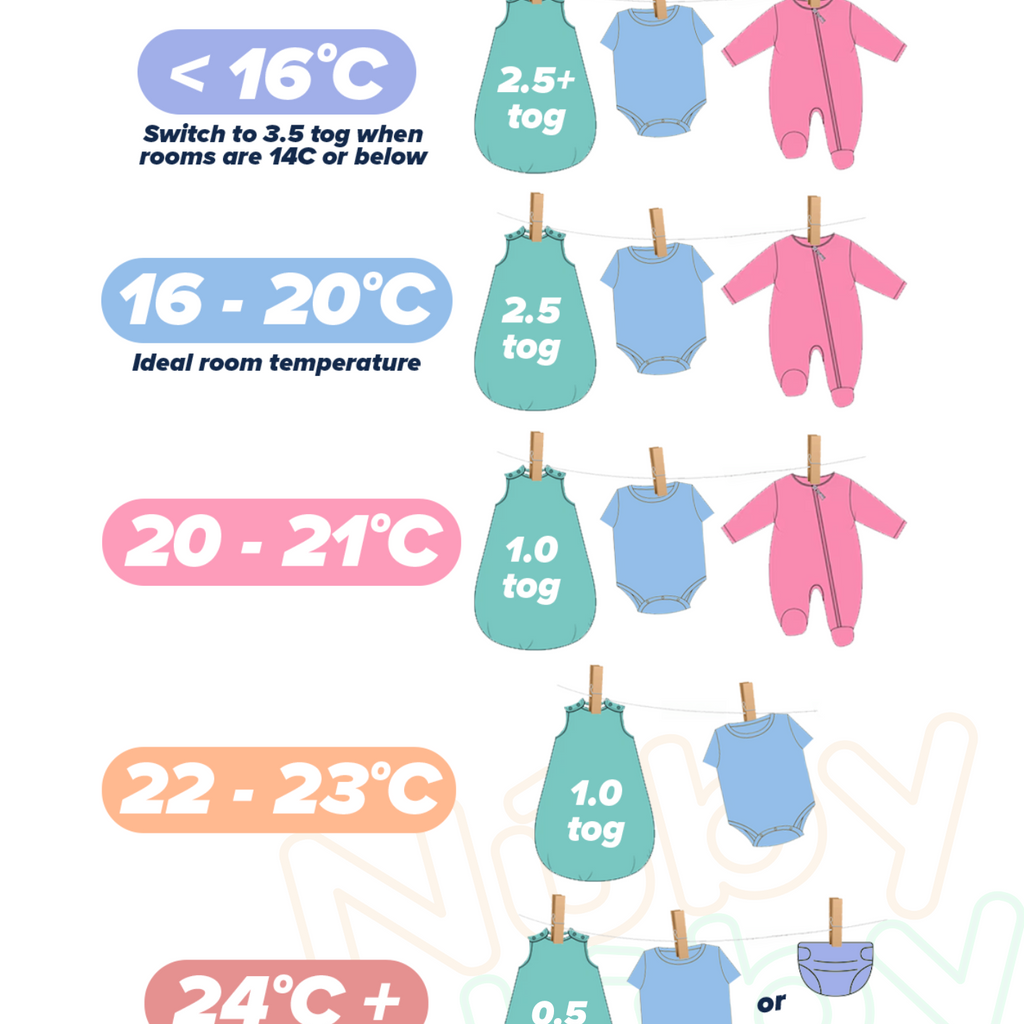
Credit: uk.nuby.com
Frequently Asked Questions
What Is The Ideal Toddler Sleepwear For 24 Degrees?
At 24 degrees Celsius, choose lightweight cotton pajamas for your toddler. Cotton breathes well and keeps your child comfortable without overheating.
Should Toddlers Wear Socks To Bed At 24 Degrees?
Generally, no socks are needed at 24 degrees. If your toddler’s feet feel cold, opt for lightweight socks to maintain comfort without overheating.
Can A Toddler Sleep With A Blanket At 24 Degrees?
A light, breathable blanket is suitable at 24 degrees. Ensure it’s thin and doesn’t cover the face to prevent overheating and suffocation risks.
How To Layer Toddler Clothing For 24-degree Room Temperature?
Use a single layer of soft, breathable fabric like cotton pajamas. Avoid heavy layers as 24 degrees is warm enough for minimal clothing.
Conclusion
Dressing your toddler right for 24 degrees helps them sleep well. Choose lightweight pajamas or a cotton onesie to keep them comfy. Avoid heavy blankets to prevent overheating during the night. Keep the room temperature steady and cozy for better rest.
Always check your child’s comfort before bedtime. A well-dressed toddler sleeps peacefully and wakes happy. Simple clothes and a calm room create the best sleep environment. Small changes make a big difference in your child’s sleep. Trust your instincts and keep comfort your top priority.