Are you ready to create a cozy, beautiful quilt for your toddler’s bed but unsure how much fabric you’ll need? Knowing the right amount of fabric can save you time, money, and frustration.
Imagine starting your project with confidence, having just the perfect pieces to bring your design to life. You’ll discover simple tips and clear calculations to help you choose the exact fabric yardage for your toddler bed quilt. Keep reading, and you’ll be stitching your way to a comfy and charming quilt in no time!
Credit: suzyquilts.com
Choosing Quilt Size
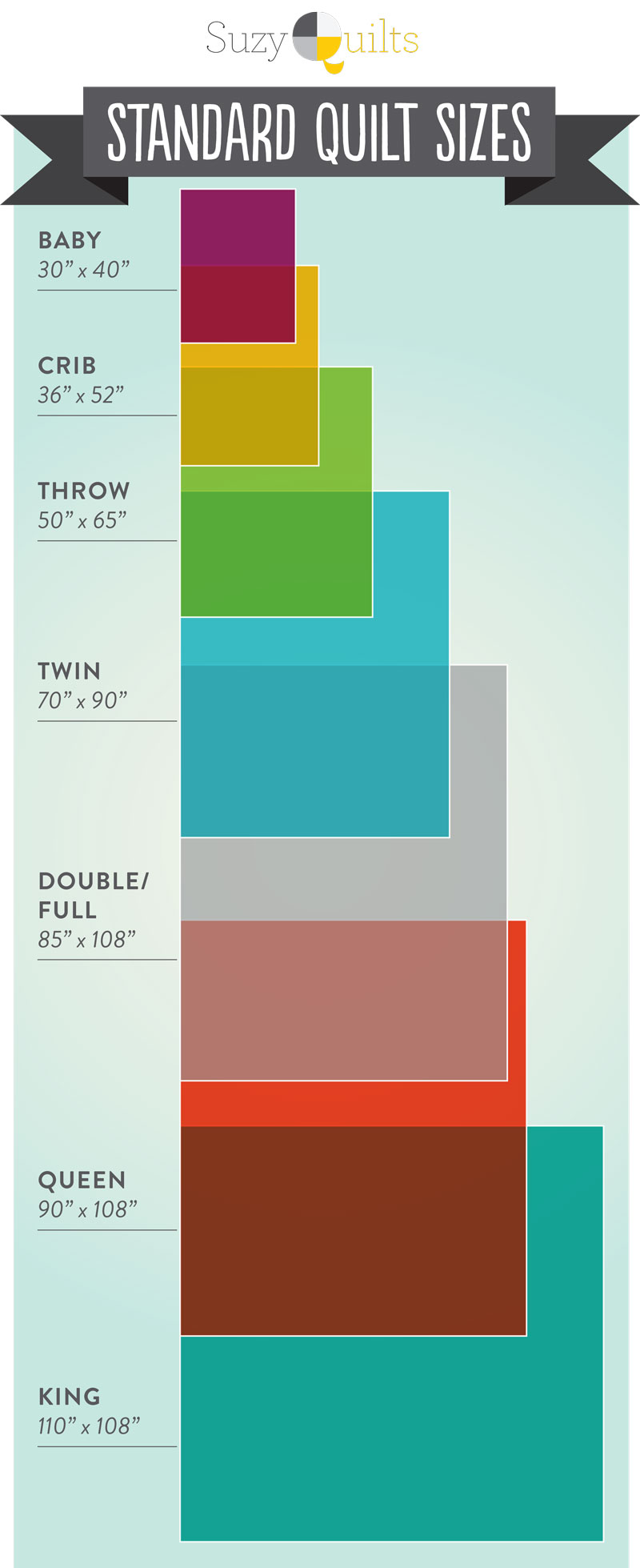
Choosing the right quilt size is important for a toddler bed quilt. It helps the quilt fit well and look nice on the bed. The size depends on the bed dimensions and how much fabric you want to use. Understanding these details makes sewing easier and the quilt more comfortable for your child.
Standard Toddler Bed Dimensions
Toddler beds usually measure about 28 inches wide and 52 inches long. This size is smaller than a twin bed but bigger than a crib mattress. Knowing these numbers helps you pick fabric that fits well. Quilts made for this size should cover the mattress fully.
Allowing For Quilt Overhang
Quilt overhang means the extra fabric that hangs over the sides of the bed. Adding 6 to 10 inches on each side is common. This extra length keeps the quilt from looking too small. Overhang also helps the quilt cover the child’s body better during sleep.
Custom Quilt Sizes
Some beds may not match the standard size exactly. You can measure the mattress and add extra fabric for overhang. Custom sizes let you create quilts that fit perfectly. This option works well for unique bed shapes or special preferences.
Credit: thecraftingnook.com
Fabric Types For Toddler Quilts
Choosing the right fabric for a toddler bed quilt is important. It affects comfort, durability, and safety. Different fabrics offer various benefits. Some are soft and warm, while others are easy to wash. Understanding fabric types helps pick the best option for your child’s quilt.
Cotton Fabrics
Cotton is a popular choice for toddler quilts. It is soft, breathable, and gentle on sensitive skin. Cotton fabric is easy to clean and holds up well after many washes. It comes in many colors and patterns, making it easy to match any room decor. This fabric keeps toddlers comfortable throughout the year.
Flannel Options
Flannel is a warm and cozy fabric. It is perfect for colder months or cooler climates. Flannel feels soft against the skin and provides extra warmth. This fabric is also breathable, helping to prevent overheating. Flannel quilts offer a snug and comforting sleep experience for toddlers.
Blends And Specialty Fabrics
Fabric blends combine fibers like cotton and polyester. These blends offer durability and wrinkle resistance. Specialty fabrics may include organic cotton or hypoallergenic materials. Such fabrics are ideal for toddlers with allergies or sensitive skin. Blends and specialty fabrics balance comfort and long-lasting use well.
Calculating Fabric Yardage
Calculating fabric yardage for a toddler bed quilt helps ensure you buy the right amount of material. It prevents running short or wasting fabric. This process involves measuring the quilt blocks, adding seam allowances and borders, and considering backing and batting needs.
Measuring Quilt Blocks
Start by measuring one quilt block’s size. Measure both width and height in inches. Multiply by the number of blocks you plan to use. This gives the total quilt top size. Add a little extra for cutting errors or pattern matching.
Seam Allowances And Borders
Add seam allowances to each block measurement. Usually, a ¼ inch allowance works well. Include border widths in your total fabric calculation. Borders frame the quilt and add size. Measure border strips and multiply by the quilt’s sides.
Backing And Batting Requirements
Backing fabric should be larger than the quilt top. Add at least 4 to 6 inches on all sides. Batting usually matches the quilt size exactly. Check packaging for specific size instructions. Purchase extra fabric to ensure full coverage without gaps.
Cutting And Layout Tips
Cutting and laying out fabric is a key step in making a toddler bed quilt. Proper planning saves fabric and time. It also helps create a neat, beautiful quilt. Follow these simple tips to cut and arrange fabric smartly.
Maximizing Fabric Usage
Start by measuring your quilt pieces carefully. Use a ruler or measuring tape for accuracy. Cut pieces close to each other on the fabric. This reduces leftover scraps. Fold fabric along grain lines to keep cuts straight. Try to use fabric width fully by placing pieces side by side.
Pattern Placement
Place fabric patterns so they match across quilt pieces. Align designs to keep the look smooth and connected. Pay attention to fabric direction, especially on prints with faces or shapes. Cut larger pattern sections first. Then fit smaller pieces around them. This keeps the pattern balanced and consistent.
Avoiding Fabric Waste
Plan your cuts on paper or use a cutting diagram. This shows the best way to place pieces on fabric. Use leftover scraps for smaller quilt blocks or binding strips. Avoid cutting fabric too big or too small. Keep fabric folds neat to prevent wrinkles and mistakes. This reduces waste and saves money.
Additional Materials Needed
Making a toddler bed quilt needs more than just fabric. You need some extra materials to complete the project. These help hold the quilt together and add a nice look. Knowing what to get saves time and effort.
Thread And Notions
Strong thread is important for sewing the quilt pieces. Choose thread that matches your fabric color. Needles, pins, and scissors are also necessary. A rotary cutter and cutting mat make fabric cutting easier and more accurate.
Binding And Finishing Fabric
Binding fabric finishes the quilt edges. Pick a fabric that is soft and durable. The binding should be about 1/3 yard long. It protects the quilt from wear and gives a neat look. A small piece of fabric can also be used for the quilt’s backing.
Optional Embellishments
You can add extra decorations to make the quilt special. Appliqués, patches, or embroidery add charm. Buttons or fabric paint can also work. Keep these simple for a toddler’s safety and comfort.
Credit: suzyquilts.com
Common Mistakes To Avoid
Making a toddler bed quilt can be a fun project. Many people make simple mistakes that cause problems later. These errors can waste fabric or cause the quilt to be the wrong size. Avoiding common mistakes saves time and money. It also helps to make a beautiful quilt your toddler will love.
Underestimating Fabric Needs
Many beginners buy too little fabric. They do not count all parts of the quilt. Quilts need fabric for the top, backing, and binding. Also, consider extra fabric for cutting errors or pattern matching. Buy a little more fabric than the pattern says. This prevents last-minute runs to the store.
Ignoring Shrinkage
Fabric shrinks after washing. Ignoring this can make the quilt smaller than planned. Always allow extra fabric for shrinkage. Cotton fabrics shrink the most. Add at least 10% more fabric to your total. This keeps your quilt at the right size after washing.
Skipping Pre-washing
Some skip pre-washing to save time. This causes fabric to shrink or colors to bleed after sewing. Always wash fabric before cutting. Pre-washing removes chemicals and dirt too. It helps the fabric feel softer and look better. Pre-washing keeps your quilt looking good for a long time.
Frequently Asked Questions
How Much Fabric Is Needed For A Toddler Bed Quilt?
You need about 1. 5 to 2 yards of fabric for a toddler bed quilt. This amount covers the quilt top, backing, and binding efficiently.
What Fabric Types Work Best For Toddler Bed Quilts?
Cotton and flannel fabrics are best for toddler quilts. They are soft, breathable, durable, and easy to wash, making them ideal for children’s bedding.
How To Calculate Fabric For Quilt Backing And Batting?
For backing and batting, add 10-15% more fabric than the quilt top size. This allows for proper quilting and binding edges.
Can I Use Scrap Fabric For A Toddler Quilt?
Yes, scrap fabric works well for toddler quilts. It saves money and creates unique, colorful, and fun patterns that toddlers enjoy.
Conclusion
Making a toddler bed quilt needs the right amount of fabric. Measure the bed size carefully before buying materials. Plan for extra fabric to allow for seams and patterns. Choosing quality fabric helps the quilt last longer. Simple steps make the sewing process easier and more fun.
Enjoy creating a cozy and colorful quilt for your child. This project brings warmth and joy to any toddler’s room. Keep these tips in mind for your next quilting adventure.