Choosing what to dress your toddler in for bed can feel trickier than it seems. You want your little one to be cozy, safe, and comfortable all night long.
But how do you pick the right clothes that keep them warm without overheating? The wrong choice could mean restless nights for both of you. You’ll discover simple tips and smart tricks to make bedtime clothing stress-free and help your toddler sleep soundly.
Keep reading to find out exactly what to dress your child in for the best night’s sleep.
Choosing The Right Fabric
Choosing the right fabric for your toddler’s bedtime clothes matters a lot. It affects how well they sleep and how comfy they feel. The fabric should keep your child cozy without making them too hot or cold. It should also be soft to avoid skin irritation. Let’s explore fabrics that work best for toddlers at night.
Breathable Materials
Breathable fabrics let air flow through the clothes. This helps your toddler stay cool and dry. Cotton is a top choice because it absorbs sweat and feels light. Other good options include bamboo and linen. These materials stop overheating, which helps your child sleep better.
Softness And Comfort
Soft fabrics protect delicate skin from scratches and rashes. Choose clothes made from smooth cotton or fleece. Avoid rough materials like wool that might irritate. Soft pajamas help toddlers relax and fall asleep faster. Comfort is key to a good night’s rest.
Hypoallergenic Options
Hypoallergenic fabrics reduce the risk of allergic reactions. Organic cotton is gentle and free from harsh chemicals. It is perfect for toddlers with sensitive skin. These fabrics prevent itching and redness. Choosing hypoallergenic clothes keeps your child safe and comfortable all night.
Ideal Sleepwear Styles
Choosing the right sleepwear helps toddlers stay comfortable all night. It keeps them warm without overheating. The ideal sleepwear fits well and allows easy movement. Soft and breathable fabrics make a big difference. Here are some popular styles that suit toddlers best.
Footed Pajamas
Footed pajamas cover the whole body, including feet. They keep toddlers warm from head to toe. No need for extra socks or blankets. They fit snugly, so toddlers feel cozy and secure. Many have zippers for easy diaper changes. Perfect for cooler nights or air-conditioned rooms.
Two-piece Sets
Two-piece sets include a top and pants. They allow more freedom to move around. Great for warmer nights or when toddlers like to kick off covers. Look for sets made of soft cotton or bamboo. Elastic waistbands help keep pants in place. Easy to wash and quick to dry.
Sleep Sacks And Wearable Blankets
Sleep sacks are like wearable blankets. They replace loose blankets that can cause safety risks. Toddlers can move their legs and arms freely inside. Sleep sacks come in different thicknesses for various temperatures. They keep toddlers warm while allowing safe sleep. Ideal for parents who want extra peace of mind.
Safety Considerations
Choosing the right clothes for your toddler to wear at night is important for their safety. Clothes that fit well and are made from safe materials help your child sleep soundly and stay protected. Careful choices reduce risks such as choking, overheating, and allergic reactions.
Avoiding Loose Clothing
Loose clothes can catch on objects or cover your child’s face. This increases the risk of suffocation and injury. Dress your toddler in snug pajamas that fit close to the body. Avoid clothes with strings, ribbons, or big buttons that can come off easily.
Flame-resistant Fabrics
Pajamas made from flame-resistant fabric offer extra safety. These materials catch fire slowly and give more time to react. Look for pajamas labeled as flame-resistant or flame-retardant. Avoid clothes that are highly flammable, like 100% polyester or nylon without treatment.
Checking For Allergens
Some fabrics or dyes can cause skin irritation or allergies. Choose soft, natural fabrics like cotton that breathe well. Wash new clothes before wearing to remove chemicals and dyes. Watch for redness, itching, or rash on your toddler’s skin as signs of allergy.

Credit: borro-it.com
Adjusting For Room Temperature
Choosing the right clothes for your toddler’s bedtime depends a lot on the room temperature. Too hot or too cold can disturb their sleep. Adjusting clothes to the room temperature helps your child stay comfortable all night.
Dressing For Warm Rooms
In warm rooms, keep clothing light and breathable. Use cotton pajamas or thin sleepwear. Avoid heavy blankets or thick fabrics. A single layer helps your toddler stay cool and sweat-free.
Layering For Cooler Rooms
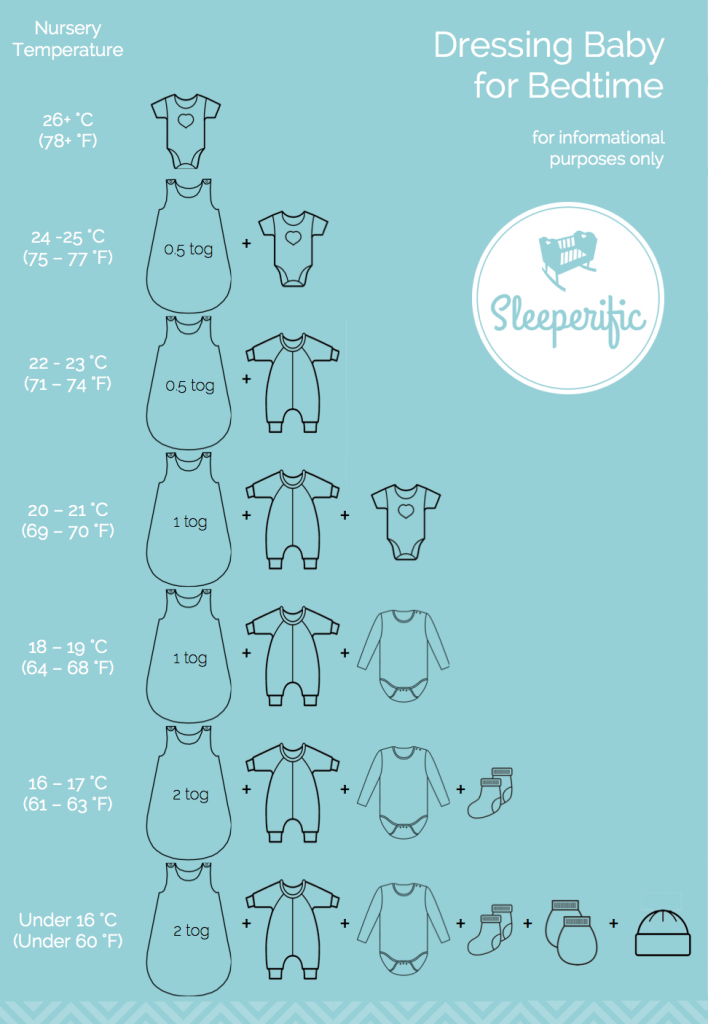
For cooler rooms, add layers to keep your toddler warm. Start with a soft cotton onesie. Add a sleep sack or a lightweight blanket on top. Layers can be removed if your child feels too warm during the night.
Using Sleep Accessories
Sleep accessories can help regulate temperature. Use a sleep sack for warmth without loose blankets. A fitted sheet and a light blanket work well too. Avoid hats or gloves unless the room is very cold.
Seasonal Dressing Tips
Choosing the right clothes for your toddler at bedtime changes with the seasons. The goal is to keep your little one comfortable and safe while they sleep. Dressing your toddler properly helps them rest better and prevents overheating or feeling cold. Here are tips for dressing toddlers in summer, winter, and the in-between seasons.
Summer Sleepwear Choices
In warm months, light clothes work best. Cotton pajamas are soft and let air pass through. Avoid heavy blankets; instead, use a light sheet if needed. Short sleeves and shorts help your toddler stay cool. Keep the room temperature comfortable and avoid overdressing to prevent sweating.
Winter Warmth Strategies
Cold nights need warmer clothing. Use long-sleeve pajamas made of fleece or thicker cotton. Layering can help, such as a onesie under pajamas. Use a sleep sack or wearable blanket for extra warmth. Keep the room warm but not too hot. Avoid heavy blankets that can cover the face.
Transitional Season Options
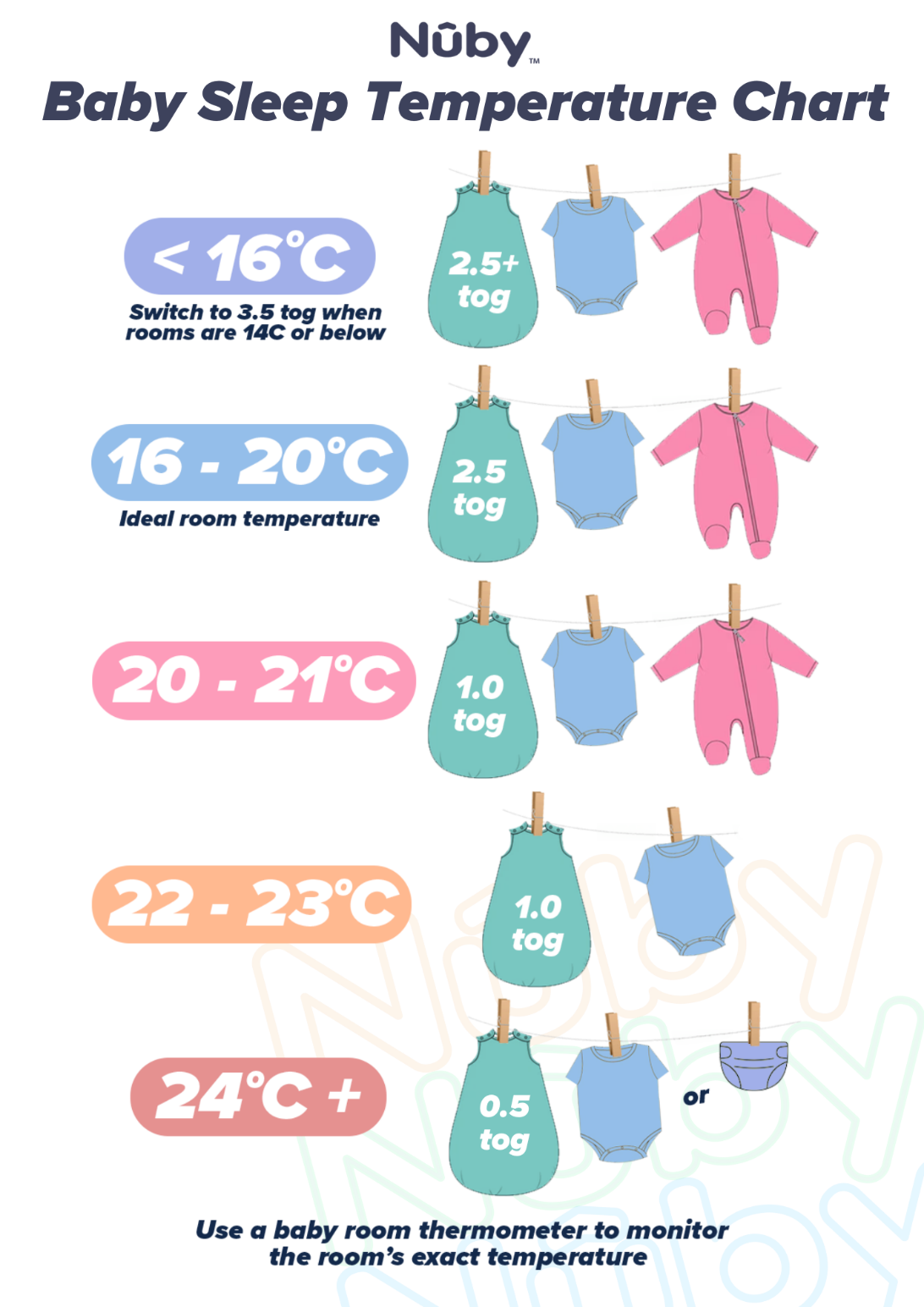
Spring and fall can be tricky with changing temperatures. Dress toddlers in layers that are easy to remove. A lightweight pajama plus a thin sleep sack works well. Check the room temperature and adjust clothes as needed. Choose fabrics that breathe yet keep warmth, like cotton blends.
Credit: uk.nuby.com
Signs Of Overheating Or Chilling
Choosing the right sleepwear for your toddler is important to keep them comfortable. Knowing the signs of overheating or chilling helps you protect their health. Toddlers cannot always tell you when they feel too hot or cold. Watching for clear signs makes bedtime safer and more restful for your child.
Monitoring Body Temperature
Check your toddler’s neck or chest to feel their skin temperature. Cool skin means they might be too cold. Sweaty or hot skin shows they could be overheating. Avoid using hands or feet to judge temperature. These body parts are often colder or warmer than the rest of the body. Use a room thermometer to keep the nursery at a safe temperature, around 68 to 72 degrees Fahrenheit.
Recognizing Sleep Discomfort
A toddler who feels too warm may sweat or have flushed cheeks. They might toss and turn or wake up crying. Chilling toddlers often shiver or have cold, pale skin. They might pull blankets tightly or curl up tightly. Watch for restless movements or fussiness during the night. These are signs your child may need a change in sleepwear or blankets.
When To Change Sleepwear
Change sleepwear if your toddler sweats through their clothes. Wet pajamas can make them chill quickly. Switch to lighter, breathable fabrics in warmer months. Add layers or warmer pajamas during colder months. Always dress your toddler in one more layer than you wear. Adjust clothing based on your toddler’s comfort and room temperature.
Maintaining Sleepwear Hygiene
Keeping your toddler’s sleepwear clean is very important. Clean pajamas help your child sleep better and stay healthy. Dirt and germs can cause skin irritation or allergies. Clean clothes also smell fresh and feel soft on your toddler’s skin. Follow easy steps to keep sleepwear clean and safe for every night.
Washing Guidelines
Wash toddler sleepwear after every use. Use mild detergent without harsh chemicals. Choose warm water, not too hot. Hot water may shrink or damage fabric. Avoid fabric softeners; they can irritate sensitive skin. Rinse clothes well to remove all soap. Dry clothes completely before use to stop bacteria growth.
Replacing Worn-out Clothing
Check sleepwear regularly for holes or thin spots. Torn pajamas can be unsafe and uncomfortable. Replace clothes that are worn out or faded. Old sleepwear loses softness and warmth. Buy new pajamas that fit well and feel cozy. Soft, breathable fabrics work best for toddlers.
Storage Tips
Store sleepwear in a clean, dry place. Keep clothes away from dust and moisture. Use drawers or bins with lids for protection. Fold clothes neatly to avoid wrinkles. Avoid storing sleepwear near strong scents or chemicals. Fresh clothes help your toddler sleep soundly every night.
Credit: www.sleeperific.com
Frequently Asked Questions
What Is The Best Fabric For Toddler Sleepwear?
Cotton is the best fabric for toddler sleepwear. It is soft, breathable, and hypoallergenic. Cotton helps regulate body temperature, keeping your toddler comfortable all night. Avoid synthetic fabrics that can cause sweating or irritation.
How To Choose The Right Pajamas For Toddlers?
Choose pajamas that fit snugly but allow free movement. Opt for flame-resistant or snug-fitting cotton sleepwear for safety. Avoid loose clothes that can pose hazards. Consider the room temperature and season when selecting thickness and style.
Should Toddlers Wear Socks To Bed?
Whether to wear socks depends on your toddler’s comfort and room temperature. Socks can keep feet warm in cold weather. However, overheating risks increase if the room is warm. Always choose breathable, soft socks if used.
How To Dress A Toddler For Bed In Summer?
In summer, dress toddlers in lightweight, breathable clothes like cotton shorts and short-sleeve shirts. Avoid heavy fabrics and multiple layers. Keep sleepwear loose to ensure proper air circulation and prevent overheating.
Conclusion
Choosing the right clothes helps your toddler sleep safe and sound. Soft, breathable fabrics keep them cozy through the night. Dress them in layers for easy temperature changes. Avoid clothes that are too tight or have small parts. Comfort and safety matter most for peaceful rest.
A good bedtime outfit supports healthy sleep habits. Keep it simple and watch your child sleep happily. Small changes in bedtime clothes can make a big difference. Sweet dreams start with smart choices in toddler sleepwear.