Imagine this: you’re climbing into your bunk bed after a long day, and suddenly, it starts to tip. What happens if a bunk bed falls on you?
The thought alone can make your heart race. You might wonder about the risks, the kind of injuries you could face, and what to do if it actually happens. Understanding this is crucial—not just for your safety but for the safety of anyone who uses a bunk bed in your home.
Keep reading, because knowing what to expect and how to respond could make all the difference.
Bunk Bed Hazards
Bunk beds are popular in homes and dorms. They save space and can be fun for kids. But they come with risks. Falling from a bunk bed can cause serious harm. Understanding these hazards helps prevent accidents.
Many accidents happen because of improper use or weak design. Knowing what causes falls and who is at risk can keep everyone safe.
Common Causes Of Falls
Falls often happen due to loose guardrails or weak ladders. Climbing without care can lead to slips. Overcrowding the top bunk can cause it to collapse. Rough play and jumping increase fall risks. Poor lighting makes it hard to see steps.
Types Of Injuries
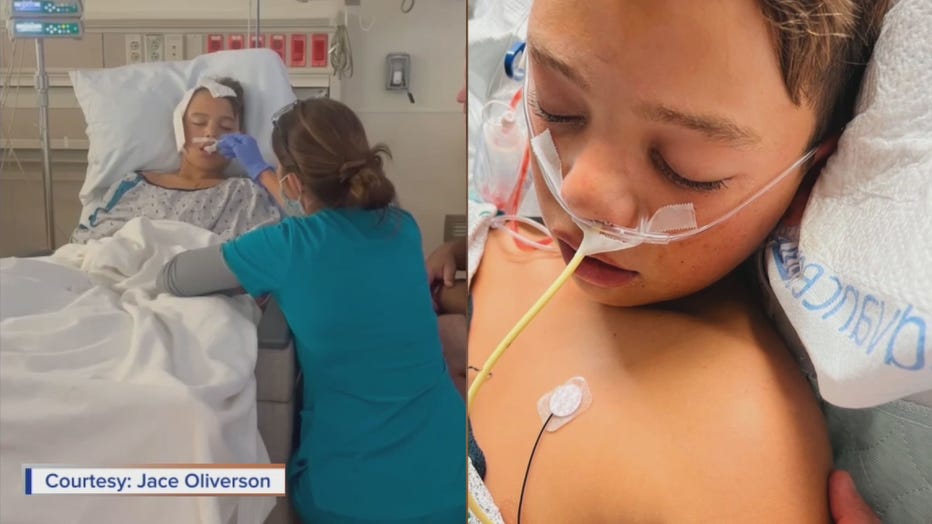
Injuries from bunk bed falls range from minor to severe. Cuts and bruises are common. Broken bones happen in falls from the top bunk. Head injuries can occur if the fall is hard. Spinal injuries are rare but very serious. Timely medical help can reduce damage.
Who Is Most At Risk
Children under 6 face higher risks. They may not climb safely or understand dangers. Teenagers who use bunk beds for fun can hurt themselves. People with poor balance or health problems are at risk too. Caregivers should watch young and vulnerable users closely.
Credit: www.reddit.com
Immediate Actions After A Fall
Falling from a bunk bed can be scary and painful. Knowing what to do right after the fall helps reduce harm and speeds recovery. Stay calm and check yourself carefully. Quick action can make a big difference.
Assessing Injuries
Check for pain or swelling in your body. Look for cuts, bruises, or bleeding. Try to move your arms and legs slowly. Notice if any part feels numb or weak. Remember areas that hurt the most. Do not ignore head pain or dizziness.
When To Seek Medical Help
Call a doctor if you have strong pain anywhere. Seek help if you cannot move a body part. Go to the hospital if you hit your head hard. Watch for vomiting, confusion, or fainting. Immediate care is needed for serious signs.
First Aid Steps
Stop any bleeding with a clean cloth. Keep the injured area still and supported. Use ice wrapped in cloth to reduce swelling. Avoid giving food or drink if you feel dizzy. Stay calm and wait for help if needed.
Preventing Bunk Bed Accidents
Bunk beds are fun and save space but can be risky without care. Preventing bunk bed accidents is very important for safety. Simple steps can stop falls and injuries. Follow clear rules to keep kids safe. Proper setup and choices reduce danger significantly.
Safe Bed Assembly
Assemble the bunk bed carefully. Use the instructions from the manufacturer. Check all screws and bolts are tight. Loose parts can cause the bed to fall. Place the bed on a flat floor. Avoid moving the bed after setup. Regularly check the bed’s stability over time.
Using Guardrails Effectively
Guardrails keep sleepers from falling out. Use guardrails on all sides of the top bunk. Make sure the rails are high enough. They should cover the mattress edges completely. Check rails for any breaks or loose parts. Teach children to stay inside the guardrails at night.
Choosing The Right Mattress
Pick a mattress that fits the bed frame. Too thick mattresses can reduce guardrail height. This raises the risk of falling out. Use firm mattresses made for bunk beds. Soft mattresses can cause unsafe sinking. Measure the bed before buying the mattress.
Credit: www.fox13news.com
Safety Tips For Children
Keeping children safe around bunk beds is very important. Bunk beds can be fun but also risky without the right care. Understanding safety tips helps prevent accidents and injuries. Below are key points every parent and caregiver should know.
Age Recommendations
Bunk beds are not for very young children. Experts suggest children under 6 years avoid the top bunk. Younger kids may fall or get hurt climbing. Wait until a child is older and steady on their feet.
Choosing the right bed for a child’s age helps reduce risks. Follow manufacturer age guidelines on each bunk bed. Safety starts with picking a bed suited to the child’s size and skills.
Supervision Guidelines
Always watch children playing or sleeping on bunk beds. Supervision lowers chances of falls or rough play. Teach kids to use ladders carefully and not jump from beds.
Check the bed’s structure often. Tighten screws and bolts to keep it stable. Remove any loose items that could cause tripping or slipping.
Safe Sleeping Habits
Encourage children to sleep calmly in their beds. Rough sleeping or moving too much can cause falls. Use guardrails on the top bunk to block falling out.
Keep the area around the bed clear of toys and clutter. Soft flooring like rugs can help cushion accidental falls. Good habits protect kids and give parents peace of mind.
Alternative Sleeping Solutions
Choosing a safe and comfortable bed is important, especially after a bunk bed accident. Alternative sleeping solutions offer strong and stable options. These beds reduce the risk of falls and injuries. They also suit different room sizes and styles.
Loft Beds
Loft beds lift the mattress off the floor. They create space underneath for a desk or storage. Unlike bunk beds, loft beds do not have a lower bunk. This design means less risk of falling from the top bunk. They are good for small rooms and add extra functionality.
Floor Beds
Floor beds sit directly on the floor without a frame. They are very safe because there is no height to fall from. Floor beds work well for young children or those who feel uneasy on high beds. They make it easy to get in and out of bed. Floor beds also create a cozy and simple sleep space.
Trundle Beds
Trundle beds have a second mattress stored under the main bed. The lower bed can be pulled out when needed. They save room and provide extra sleeping space. Trundle beds stay low to the ground, lowering the chance of injury. Ideal for guests or siblings sharing a room.

Credit: www.fox13news.com
Frequently Asked Questions
What Injuries Can Occur If A Bunk Bed Falls On You?
Injuries may range from bruises and cuts to broken bones or head trauma. Severity depends on the fall’s impact and your position. Immediate medical attention is crucial for serious symptoms like severe pain or unconsciousness.
How Should You Respond If A Bunk Bed Collapses?
Stay calm and assess your injuries first. Call for help immediately if you cannot move or feel severe pain. Avoid moving injured limbs and wait for professional medical assistance to prevent further harm.
Can Bunk Bed Falls Cause Long-term Health Issues?
Yes, serious falls can lead to chronic pain, nerve damage, or mobility problems. Early treatment and rehabilitation are vital to minimize long-term effects and promote full recovery after an accident.
How Can Bunk Bed Accidents Be Prevented?
Securely assemble the bunk bed using manufacturer instructions. Use guardrails and ensure the bed is stable. Avoid overcrowding the upper bunk and regularly check for loose parts to prevent falls.
Conclusion
A bunk bed falling can cause serious injuries. Always check its stability before use. Keep safety rules in mind to avoid accidents. Acting quickly after a fall can reduce harm. Seek medical help if pain or injury happens. Stay cautious, and keep your sleeping area safe.
Safety matters most for peaceful, worry-free rest.