Your outdoor wood furniture is more than just a place to sit—it’s a part of your home’s charm and comfort. But have you noticed how quickly the sun, rain, and changing seasons can wear it down?
You might be wondering what the best way is to keep your wooden pieces looking fresh and strong year after year. You’ll discover simple, effective solutions to protect your outdoor wood furniture from damage, so you can enjoy it without worry.
Ready to give your furniture the care it deserves? Let’s dive in!
Types Of Wood Protection
Outdoor wood furniture faces sun, rain, and wind every day. Protecting it keeps the wood strong and beautiful. Different types of wood protection work in unique ways. Choosing the right one helps your furniture last longer and look great.
Sealants
Sealants create a clear layer on wood surfaces. They block water and stop moisture from entering. Sealants keep wood dry and prevent swelling or cracking. Applying sealants is simple and does not change the wood’s color.
Varnishes
Varnishes add a hard, shiny finish to wood. They protect against scratches and sunlight damage. Varnishes help wood resist weather effects for years. Choose varnish for a glossy, durable surface on outdoor furniture.
Oils
Oils soak into the wood to nourish and protect it. They keep the wood soft and stop drying out. Oils bring out the natural grain and color of wood. Regular oiling is needed to maintain good protection.
Paints
Paint covers wood with a solid color layer. It hides imperfections and adds style to furniture. Paint protects wood from water and sun damage. Use outdoor paint designed to resist fading and peeling.
Wood Stains
Wood stains add color and protect wood from weather. They soak into the wood without hiding the grain. Stains help block UV rays and moisture. Staining is great for a natural look with color.
Choosing The Right Product
Choosing the right product to protect outdoor wood furniture is important. The right choice keeps your furniture safe and looking good. Different products work better for different types of wood and weather conditions. It also depends on how much time you want to spend on maintenance. Here are key points to help you decide.
Consider Wood Type
Different woods need different care. Softwoods like pine absorb finishes quickly. Hardwoods like teak have natural oils that protect them. Some products work well on oily woods. Others suit porous woods better. Match the product to your wood type for best results.
Assess Weather Exposure
Think about the weather where you live. Sun, rain, snow, and humidity affect wood differently. Some products offer strong UV protection. Others keep out moisture and prevent rot. Choose one that fits your climate to extend furniture life.
Evaluate Maintenance Needs
Some wood finishes last longer but need more effort. Others are easier to apply but wear out faster. Decide how often you want to reapply the product. Pick a finish that fits your schedule and effort level.
Check Environmental Impact
Eco-friendly products protect wood and the planet. Look for low-VOC or natural oil finishes. These reduce harmful chemicals around your home. Choosing safer options keeps your family and pets safe too.
Preparing Wood For Protection
Preparing wood for protection is a key step to keep your outdoor furniture lasting longer. Clean and smooth wood holds finishes better. This process helps prevent damage from water, sun, and insects. It also makes the wood look fresh and neat.
Cleaning The Surface
Remove dirt, dust, and old finishes with a soft brush or cloth. Use mild soap mixed with water for tough grime. Avoid harsh chemicals that can harm the wood. Let the wood dry fully before the next step.
Sanding Techniques
Sand the wood surface to smooth rough spots and remove old paint or stain. Start with medium-grit sandpaper, then use fine-grit for a smooth finish. Sand along the grain to avoid scratches. Wipe away dust after sanding.
Repairing Damages
Fill cracks or holes with wood filler or putty. Press the filler firmly and smooth it with a putty knife. Let it dry as per the product instructions. Lightly sand the repaired areas to blend with the rest of the surface.

Credit: osmouk.com
Application Tips
Applying protection to outdoor wood furniture needs care and attention. Proper application helps the wood last longer and look better. Follow these tips for a smooth and effective process.
Tools And Equipment
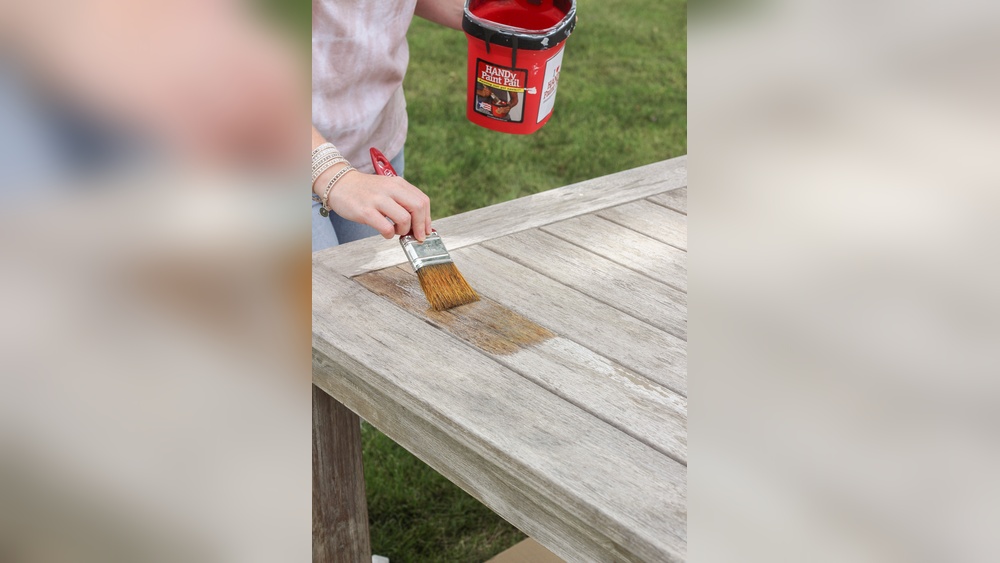
Use a high-quality brush or a clean cloth for applying wood sealant. A foam brush works well for smooth finishes. Have sandpaper ready to smooth rough spots. Use a drop cloth to protect the floor or ground.
Number Of Coats
Apply at least two coats of protective finish. The first coat soaks into the wood. The second coat adds a strong layer of defense. For extra protection, add a third coat. Let each coat dry fully before applying the next.
Drying Time
Allow the wood to dry in a warm, dry place. Follow the product’s instructions for exact drying times. Usually, wait 4 to 6 hours between coats. Avoid using furniture until it is completely dry. Proper drying prevents sticky or uneven surfaces.
Safety Precautions
Work in a well-ventilated area to avoid fumes. Wear gloves to protect your skin from chemicals. Use a mask if you are sensitive to smells. Keep the products away from children and pets. Dispose of rags and brushes safely to prevent fire risk.
Maintaining Outdoor Wood Furniture
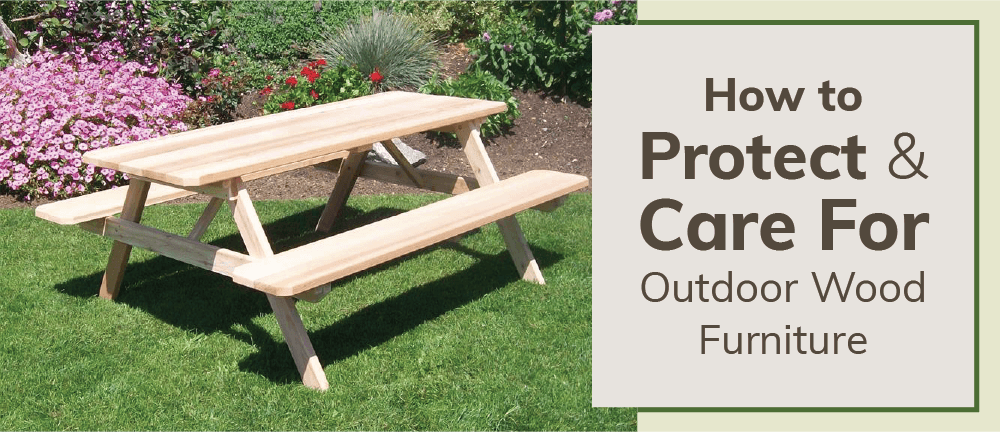
Maintaining outdoor wood furniture helps it last longer and look great. Wood faces sun, rain, and dirt every day. Without care, it can crack, fade, or rot. Simple steps keep wood strong and beautiful. These steps protect wood from weather and wear. Regular care saves money and effort over time.
Regular Cleaning
Clean wood furniture often to remove dirt and dust. Use a soft brush or cloth with mild soap and water. Avoid harsh chemicals that can damage wood. Rinse well and let the furniture dry completely. Cleaning stops mold and mildew from growing. It also keeps the wood’s color fresh.
Reapplying Protection
Wood finishes wear off after months in sun and rain. Apply a protective finish every year or two. Use oil, sealant, or outdoor wood paint. These products block water and UV rays. Follow product instructions for best results. Reapplying keeps wood safe and extends its life.
Handling Weather Damage
Check furniture for cracks, splinters, or discoloration. Sand rough areas gently to smooth the surface. Fill cracks with wood filler if needed. Cover furniture during heavy rain or snow. Store indoors or in a shed when not in use. Quick repairs stop small damage from getting worse.
Credit: www.dutchcrafters.com
Common Mistakes To Avoid
Protecting outdoor wood furniture takes effort and the right approach. Many people make simple errors that can damage their wood or shorten its life. Avoiding these mistakes helps your furniture stay beautiful and strong for years.
Skipping Preparation
Cleaning and sanding wood before applying protection is essential. Dirt and old finishes stop sealants from sticking well. Skipping these steps leads to poor protection and peeling. Always prepare wood surfaces carefully for best results.
Using Wrong Products
Not all wood treatments suit outdoor furniture. Some products do not resist water or UV damage. Using indoor varnishes or cheap coatings can cause wood to crack. Choose products made for outdoor use and your wood type.
Ignoring Maintenance
Wood finishes wear down over time. Leaving furniture without upkeep causes damage from sun and rain. Regular cleaning and reapplying sealant keep wood healthy. Check your furniture every year and fix any issues quickly.

Credit: www.andersonlumbercompany.com
Frequently Asked Questions
What Is The Best Finish To Protect Outdoor Wood Furniture?
The best finish is a high-quality exterior wood sealer or spar varnish. These products resist moisture, UV rays, and temperature changes, preserving wood’s natural beauty and durability.
How Often Should I Apply Protective Coating On Outdoor Wood?
Apply protective coating every 1 to 2 years. This schedule ensures continuous protection from weather damage and keeps the wood looking fresh and sturdy.
Can I Use Indoor Wood Sealers Outdoors?
Indoor sealers are not recommended outdoors. They lack UV resistance and waterproofing, which are essential for outdoor wood protection against sun and rain.
Is Oil Or Polyurethane Better For Outdoor Wood Furniture?
Oil penetrates wood and enhances grain, while polyurethane forms a protective surface layer. For outdoor use, spar urethane offers better weather protection than oil alone.
Conclusion
Protecting outdoor wood furniture keeps it strong and good-looking. Use sealants or oils to stop water damage. Clean the furniture before applying any product. Regular care helps wood last through all seasons. Choose products that suit your wood type. Cover furniture during bad weather for extra safety.
Small efforts now save big repair costs later. Enjoy your outdoor space with furniture that stays fresh and sturdy.