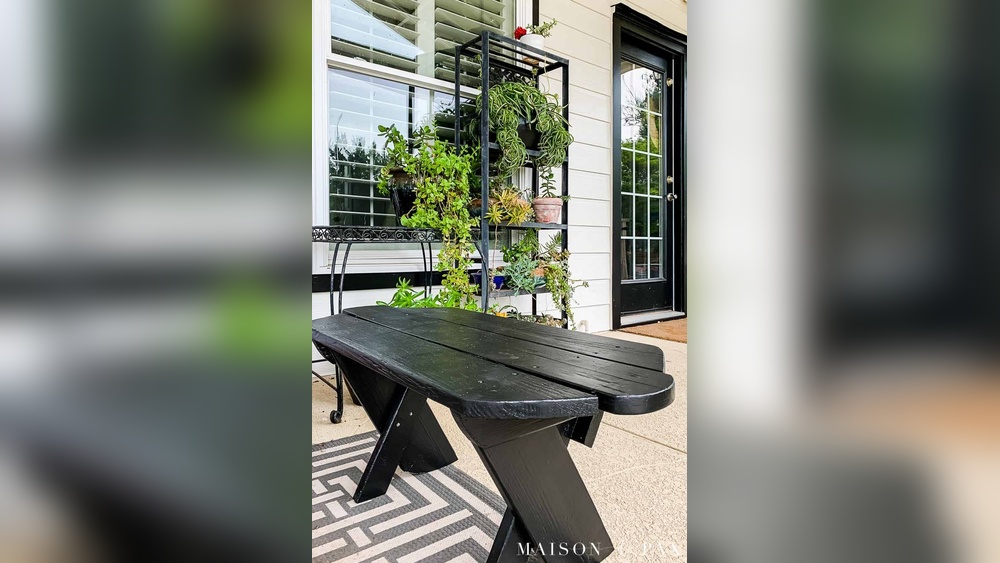
Are you ready to give your outdoor furniture a fresh, vibrant look that lasts through every season? Choosing the right type of paint isn’t just about color—it’s about protecting your investment from sun, rain, and wear.
But with so many options out there, how do you pick the perfect one for your furniture? You’ll discover exactly what type of paint works best for outdoor pieces, so your furniture stays beautiful and strong year after year. Keep reading to find the secret to a flawless finish that stands up to the elements.
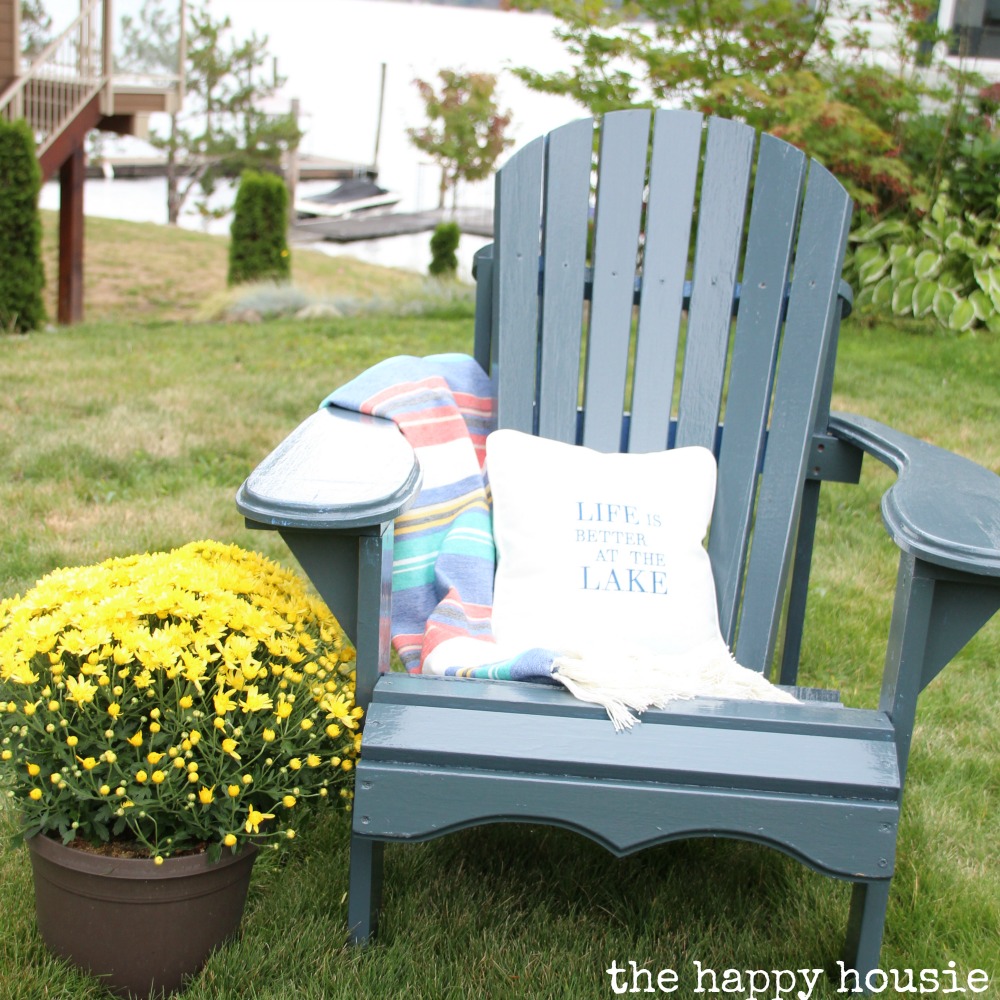
Credit: www.thehappyhousie.com
Choosing Paint For Outdoor Furniture
Choosing the right paint for outdoor furniture affects its look and lifespan. Outdoor furniture faces rain, sun, and wind. The paint must protect and stay bright. Picking paint needs some knowledge about types and durability. This helps keep furniture fresh and strong for years.
Factors Affecting Paint Durability
Sunlight can fade colors quickly. UV rays break down paint and cause cracking. Rain and moisture lead to peeling and mold. Temperature changes cause the wood or metal to expand and contract. This movement can make paint chip or flake off. Rough use or moving furniture often wears the paint faster. A good paint resists all these problems well.
Types Of Outdoor Paints
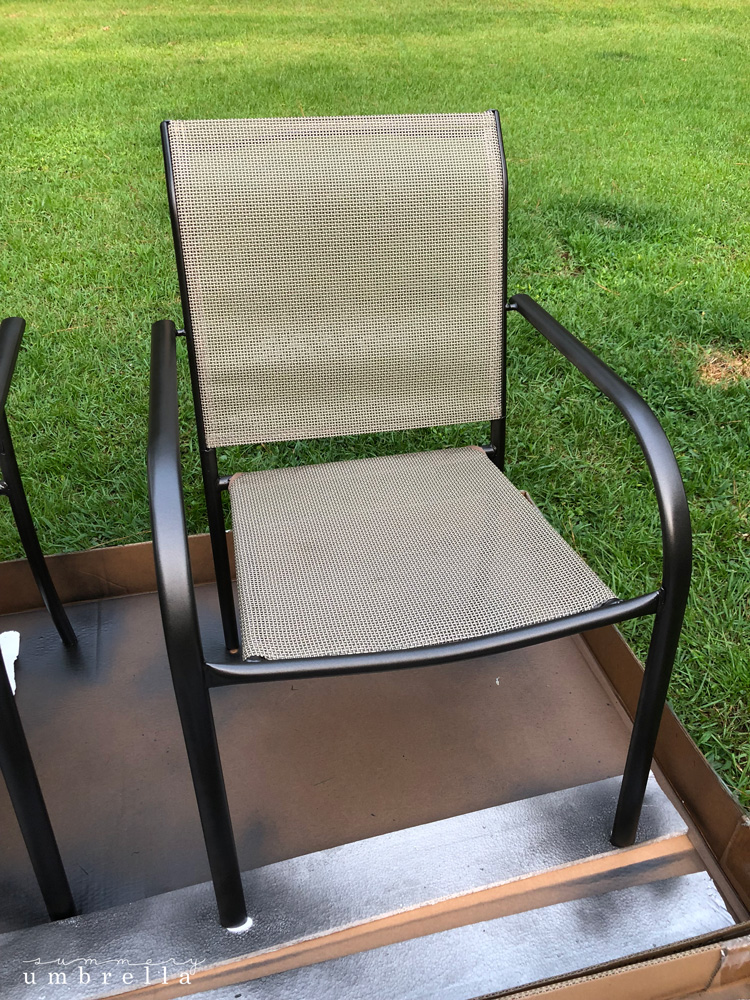
Latex paint is water-based and easy to clean. It dries fast and resists cracking. It works best on wood and metal. Oil-based paint sticks well but takes longer to dry. It offers strong protection from moisture. Chalk paint gives a matte finish and looks vintage. It needs a sealant to protect it outdoors. Spray paint is quick for small projects. It covers uneven surfaces but may need many coats.
Credit: thesummeryumbrella.com
Oil-based Paint
Oil-based paint is a popular choice for outdoor furniture. It creates a hard, durable surface that protects wood and metal. This paint type resists moisture well. It also stands up to sunlight and changing weather. Oil-based paint brings out rich, deep colors. Its finish is smooth and often glossy. These qualities make it ideal for garden chairs, tables, and benches.
Advantages For Outdoor Use
Oil-based paint lasts longer than many other paints outside. It forms a thick, strong layer that shields furniture. It seals the surface against water and humidity. This paint prevents wood from swelling and cracking. It also protects metal from rust and corrosion. Oil-based paint handles rough weather and heavy use well. The colors stay bright and fresh over time.
Application Tips
Start with clean, dry furniture. Sand rough spots for better paint grip. Use a brush or roller for smooth coverage. Apply thin, even coats to avoid drips. Allow each coat to dry completely before the next. Work in a well-ventilated area. Wear gloves and protect your skin. Clean brushes with mineral spirits after use.
Maintenance And Longevity
Check painted furniture regularly for chips or cracks. Touch up damaged areas quickly to prevent decay. Clean surfaces gently with mild soap and water. Avoid harsh scrubbing that can wear the paint. Oil-based paint can last several years outdoors. Repaint every few years to keep furniture looking fresh. Proper care extends both beauty and protection.
Latex Paint
Latex paint is a popular choice for outdoor furniture. It uses water as a base, making it easy to clean and low in odor. This type of paint dries quickly and offers a smooth finish. Many people prefer latex paint because it is safe and eco-friendly. It works well on wood, metal, and plastic surfaces.
Benefits And Drawbacks
Latex paint is easy to apply with brushes or rollers. It dries fast, so you can add more coats quickly. The paint resists cracking and peeling over time. It also cleans up easily with soap and water. On the downside, latex paint may not stick well to very rough surfaces. It can peel if exposed to constant moisture. It is less durable than oil-based paints on metal furniture.
Best Practices For Outdoor Furniture
Start by cleaning the furniture thoroughly. Remove dirt, dust, and old paint flakes. Sand the surface lightly to help the paint stick better. Use a primer designed for outdoor use before painting. Apply two thin coats of latex paint for the best coverage. Let each coat dry completely before adding the next. Store painted furniture in shade to extend its life.
Weather Resistance
Latex paint offers good protection against sunlight and rain. It does not crack easily in cold weather. It allows wood to breathe and prevents moisture buildup. Still, frequent rain or direct sun can fade the color over time. Applying a clear sealer on top can boost water resistance. Repainting every few years helps maintain the furniture’s look and protection.
Acrylic Paint
Acrylic paint is a popular choice for outdoor furniture. It is water-based and dries quickly. This paint type offers many benefits for outdoor use. It creates a smooth and colorful finish. Acrylic paint also resists weather effects well. Many people prefer it for its ease of use and good coverage.
Durability Features
Acrylic paint forms a strong, flexible coat on surfaces. It resists cracking and peeling over time. This paint handles sun, rain, and wind without damage. It also resists fading and chalking. Acrylic paint keeps outdoor furniture looking fresh longer.
Color Retention
The colors of acrylic paint stay bright and vivid. It holds pigments well against sunlight. UV rays do not easily fade acrylic colors. This paint maintains its look through different seasons. It helps furniture keep its vibrant appearance.
Suitable Surfaces
Acrylic paint works on many outdoor furniture materials. It sticks well to wood, metal, and plastic. It also adheres to wicker and concrete. Proper surface cleaning improves paint adhesion. This paint offers versatility for various furniture types.
Specialty Outdoor Paints
Specialty outdoor paints offer unique benefits for furniture exposed to weather. These paints protect against moisture, sun, and temperature changes. They also add style and texture to your pieces. Choosing the right specialty paint helps your furniture last longer and look great.
Chalk Paint
Chalk paint creates a matte, vintage look. It sticks well to wood, metal, and plastic surfaces. No sanding or priming is often needed. This paint is easy to use and dries fast. It gives furniture a soft, chalky finish that can be distressed for charm. Chalk paint is also breathable, which helps prevent cracking outdoors.
Milk Paint
Milk paint is natural and eco-friendly. It uses simple ingredients like milk protein and pigment. This paint works best on porous surfaces like wood. It creates a rustic, old-fashioned appearance. Milk paint is durable and resists peeling in outdoor conditions. It requires mixing with water before use. A topcoat can add extra protection against weather.
Spray Paint Options
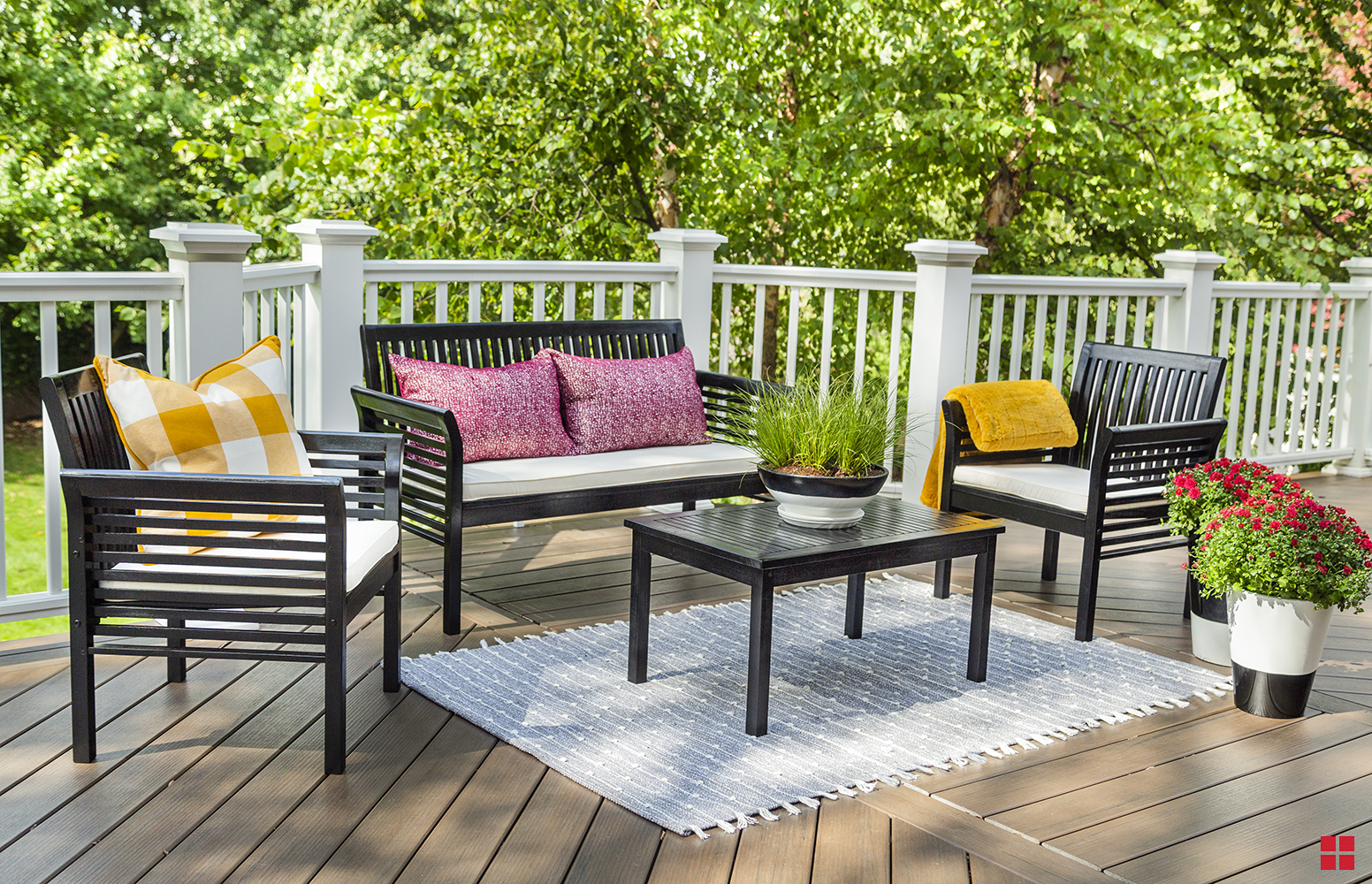
Spray paint offers quick, even coverage for outdoor furniture. It comes in many colors and finishes, such as matte, gloss, or satin. Spray paint works well on metal, wood, and plastic. It dries fast and reaches tight spots easily. Choose spray paint labeled for outdoor use to resist fading and rust. Always spray in a well-ventilated area for safety.
Credit: www.rustoleum.com
Preparation For Painting
Proper preparation is key for painting outdoor furniture. It helps paint stick better and last longer. Skipping preparation can cause peeling, cracking, and fading.
Spend time cleaning, sanding, and priming. These steps create a smooth, strong surface for the paint. The effort pays off with a beautiful, durable finish.
Cleaning And Sanding
Start by cleaning the furniture well. Remove dirt, dust, and old paint flakes. Use soap and water or a mild cleaner. Let it dry completely before sanding.
Sanding smooths rough spots and removes any loose paint. Use medium-grit sandpaper for best results. Sand lightly to avoid damaging the surface.
Priming Surfaces
Priming prepares the surface to hold paint better. It blocks stains and prevents rust or mold. Apply a thin, even coat of primer and let it dry fully.
Priming also improves paint color and finish. It seals porous materials like wood or metal. This step helps paint last longer outdoors.
Choosing The Right Primer
Select a primer that matches your furniture material. Use wood primer for wooden pieces. Metal furniture needs a rust-inhibiting primer.
Check if the primer suits outdoor use and your paint type. Water-based primers work well with water-based paints. Oil-based primers pair best with oil-based paints.
Application Techniques
Applying paint on outdoor furniture needs care and the right methods. Proper application helps the paint last longer and look better. Choosing the right technique can make the job easier and the finish smoother. This section covers different ways to apply paint, how many coats to use, and the drying times to expect.
Brush Vs. Roller Vs. Spray
Brushes give control and reach small areas well. They work best for detailed parts and edges. Rollers cover large flat surfaces quickly and evenly. They are good for tabletops and wide panels. Spray paint spreads fine mist for a smooth coat. It works fast but needs practice to avoid drips. Each method suits different furniture styles and paint types.
Number Of Coats
Two to three coats usually give the best results. The first coat may soak in or look thin. The second coat builds color and protection. A third coat can add extra durability. Always follow the paint label for specific instructions. Too few coats can cause quick wear. Too many coats may peel or crack.
Drying Times
Drying times vary by paint type and weather. Oil-based paints take longer, usually 6 to 8 hours. Water-based paints dry faster, often within 1 to 2 hours. Wait longer before heavy use or adding coats. Hot, dry weather speeds drying. Cool, humid conditions slow it down. Patience is key to a strong finish.
Protective Finishes
Protective finishes are vital for outdoor furniture paint. They guard against weather, sun, and wear. These finishes extend your furniture’s life and keep colors bright. Choosing the right protective finish helps your paint last longer. It also prevents damage from moisture and UV rays.
Sealants And Varnishes
Sealants and varnishes form a hard layer on painted surfaces. They protect wood, metal, and plastic furniture from scratches and dirt. Clear sealants keep the original paint color visible. Varnishes add a glossy or matte shine. Both stop moisture from seeping into the material.
Uv Protection
Sunlight can fade paint quickly. UV protection slows down this fading process. Many protective finishes include UV blockers. These blockers absorb or reflect harmful rays. UV protection keeps furniture looking fresh and new for years.
Waterproofing Options
Water can cause wood to swell and metal to rust. Waterproof finishes stop water from damaging furniture. Some finishes repel water completely. Others allow the material to breathe while keeping moisture out. Waterproofing is crucial for outdoor furniture exposed to rain.
Maintenance Tips
Proper maintenance keeps outdoor furniture looking fresh and lasting longer. Painted furniture needs care to protect the color and surface. Regular upkeep prevents damage from sun, rain, and dirt. Follow simple steps to maintain your painted pieces with ease.
Cleaning Painted Furniture
Clean your furniture gently to avoid paint damage. Use a soft cloth or sponge with mild soap and water. Avoid harsh chemicals or scrubbing brushes. Rinse with clean water and dry with a soft towel. Clean furniture regularly to prevent dirt buildup and fading.
Touch-ups And Repairs
Small scratches and chips happen over time. Fix them quickly to stop further damage. Lightly sand the damaged area before applying new paint. Use the same paint type and color for touch-ups. Let the paint dry fully before using the furniture again.
Seasonal Care
Protect furniture during harsh weather to extend its life. Cover pieces or move them indoors during winter or heavy rain. Remove covers regularly to avoid moisture buildup. Check for any damage or peeling paint each season. Repaint or repair as needed to keep furniture safe and attractive.
Common Painting Mistakes
Painting outdoor furniture can refresh its look and protect it. Many people make simple mistakes that hurt the paint job. These errors cause peeling, rust, and fading. Learning these common mistakes helps keep furniture beautiful longer.
Avoiding Peeling And Chipping
Peeling paint happens when the surface is dirty or wet. Paint sticks best to clean, dry wood or metal. Skip painting on humid or rainy days. Use a primer before the paint. Primer helps paint hold tight and last longer. Apply thin coats of paint instead of thick ones. Thick layers dry unevenly and chip easily.
Dealing With Rust And Mold
Rust ruins metal furniture paint fast. Remove rust with a wire brush or sandpaper first. Use rust-inhibiting primer to stop it from returning. Mold grows on damp wood and paint. Clean mold with a mix of water and vinegar. Let furniture dry fully before painting. Mold and rust damage paint and weaken the furniture.
Preventing Fading
Sunlight fades paint colors over time. Pick paint made for outdoor use with UV protection. These paints resist fading and keep colors bright. Light colors reflect sunlight and stay cooler. Dark colors absorb heat and fade faster. Repaint furniture every few years to keep it fresh.
Frequently Asked Questions
What Type Of Paint Is Best For Outdoor Furniture?
Acrylic latex paint is best for outdoor furniture. It offers durability, weather resistance, and flexibility to withstand temperature changes. This paint also resists fading and peeling, ensuring long-lasting protection and vibrant color for your outdoor pieces.
Can I Use Spray Paint On Outdoor Furniture?
Yes, spray paint designed for outdoor use works well on furniture. It provides an even coat and dries quickly. Choose spray paint labeled for metal, wood, or plastic, depending on your furniture material, for optimal adhesion and weather resistance.
How Do I Prepare Outdoor Furniture Before Painting?
Clean the furniture thoroughly and remove old paint or rust. Sand the surface smooth to help paint adhere better. Use a primer suitable for outdoor materials to enhance paint durability and protect against moisture and UV damage.
Is Oil-based Paint Good For Outdoor Furniture?
Oil-based paint offers strong adhesion and durability but takes longer to dry. It’s resistant to moisture, making it a good option for outdoor furniture, especially metal pieces. However, it can yellow over time and requires proper ventilation during application.
Conclusion
Choosing the right paint keeps outdoor furniture looking fresh. Use paint made for weather resistance and durability. This protects wood, metal, or plastic from sun and rain. A good paint also stops peeling and fading. Remember to prep furniture well before painting.
Clean and sand surfaces for best results. This helps paint stick and last longer. With the right paint, your furniture stays beautiful through seasons. Enjoy your outdoor space with lasting color and protection.