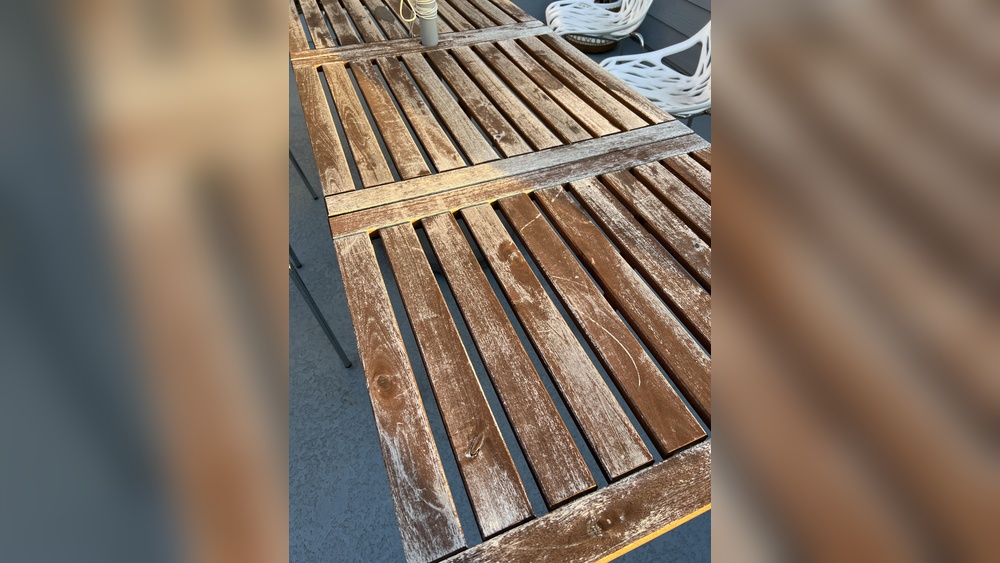
Your outdoor wood furniture adds charm and comfort to your space. But have you noticed how the legs often suffer the most from weather, moisture, and rough surfaces?
If you want to keep your furniture looking great and lasting longer, protecting those legs is key. You’ll discover simple, effective ways to shield your wood furniture legs from damage. By the end, you’ll know exactly how to maintain their beauty and strength season after season.
Ready to give your outdoor furniture the care it deserves? Let’s dive in!
Common Threats To Wood Furniture Legs
Wood furniture legs face many risks outdoors. These threats can cause damage fast. Knowing common problems helps you protect your furniture. The three main threats are weather damage, pests and insects, and wear and tear. Each one can weaken the legs and shorten the furniture’s life.
Weather Damage
Sun, rain, and moisture harm wood furniture legs. Sunlight can dry out the wood. It causes cracks and fading. Rain and dampness make wood swell and warp. Constant wetness leads to rot and mold. Cold weather can also cause wood to split. Protecting legs from weather keeps wood strong and lasting.
Pests And Insects
Wood furniture legs attract many pests. Termites and carpenter ants eat wood from inside. They make holes and tunnels that weaken legs. Beetles and other insects can lay eggs in wood. This causes more damage over time. Regular checks for pests help stop damage early. Treat wood with pest-resistant products for safety.
Wear And Tear
Daily use causes wear and tear on legs. Moving furniture across rough surfaces scratches and chips wood. Weight and pressure can cause legs to crack or loosen. Dirt and debris also wear down the finish. Simple habits like lifting furniture prevent damage. Clean legs often to remove harmful dirt and grit.
Choosing The Right Wood Type
Choosing the right wood type is key to protecting outdoor wood furniture legs. Wood quality affects strength and resistance to weather. Picking strong wood helps furniture last longer outdoors. Different woods handle moisture and pests in unique ways.
Understanding wood types guides better decisions. It saves money and effort on repairs. Choose wood that suits your outdoor environment. This section explains durable wood varieties and the difference between treated and untreated wood.
Durable Wood Varieties
Teak is a popular choice for outdoor furniture. It resists water and insects well. Cedar is light and naturally repels bugs. Redwood stands up to moisture and decay. These woods last longer without much maintenance. They keep furniture legs sturdy and safe.
Hardwoods like oak and mahogany also perform well. They resist dents and scratches. Choosing these woods means fewer repairs. These types hold up better on wet or hot days.
Treated Vs. Untreated Wood
Treated wood has chemicals to fight rot and bugs. It usually lasts longer outside. Untreated wood may absorb water and swell. It can crack or decay faster. Using treated wood helps protect furniture legs.
Treated wood needs less frequent maintenance. It reduces the risk of damage from weather. Untreated wood often requires sealants or paint. These coatings add a layer of protection.
Protective Coatings And Finishes
Protective coatings and finishes extend the life of outdoor wood furniture legs. They guard against damage from weather, dirt, and wear. Applying the right finish keeps wood strong and looking good. These coatings form a barrier that stops water and sun harm.
Choosing the right protective finish depends on the type of wood and exposure. Some finishes focus on water resistance. Others block harmful UV rays. Regular care and reapplication keep protection effective for years.
Water-resistant Sealants
Water-resistant sealants prevent moisture from soaking into wood. They stop swelling, cracking, and rotting. Look for sealants made for outdoor wood. These products soak deep and form a tight layer on the surface. Apply sealant evenly on all furniture legs. Let each coat dry fully before adding another. This helps sealants work better and last longer.
Uv Protection Options
Sunlight damages wood by fading and drying it out. UV protection finishes block harmful rays. They keep wood color rich and prevent surface cracks. Some finishes combine UV blockers with water resistance. Choose a product designed for outdoor use. Apply in thin, even layers to avoid peeling. This keeps your furniture legs strong and fresh looking.
Reapplying Finishes
Protective finishes wear down over time. Reapplying keeps wood safe from weather damage. Check furniture legs for dullness, cracks, or water stains. Lightly sand the surface before adding new finish. Clean dust and dirt first. Apply fresh coats as needed, usually once a year. Regular maintenance keeps wood legs durable and beautiful.

Credit: flowyline.com
Cleaning And Maintenance Tips
Cleaning and maintenance keep outdoor wood furniture legs strong and good-looking. Dirt, dust, and moisture can harm the wood over time. Simple care helps the wood last longer and stay beautiful.
Regular Dusting And Washing
Dust furniture legs often using a soft cloth or brush. This stops dirt from building up and scratching the wood.
Wash legs with mild soap and water every few weeks. Use a gentle sponge or cloth. Rinse with clean water and dry fully. Avoid soaking the wood to prevent damage.
Removing Mold And Mildew
Mold and mildew grow in damp areas. Clean these with a mix of water and white vinegar or mild soap. Apply the solution gently with a brush.
Rinse well and dry the legs completely. Mold can weaken wood if not removed quickly.
Avoiding Harsh Chemicals
Do not use strong cleaners or bleach. They can strip the wood’s natural oils and cause cracks.
Choose products made for wood or natural solutions. These protect the finish and keep legs sturdy.
Preventing Ground Moisture Damage
Outdoor wood furniture often faces damage from ground moisture. Water from the soil can seep into wood legs. This causes swelling, rotting, and weakness over time. Protecting furniture legs from moisture extends their life and keeps them strong. Simple steps can help avoid costly repairs or replacements.
Using Furniture Feet And Pads
Furniture feet and pads create a barrier between wood and the ground. They stop direct contact with wet surfaces. Rubber or plastic pads are common choices. These materials resist water and prevent wood from soaking moisture. Using feet or pads also reduces scratches on patio floors. They are easy to install and replace if needed.
Elevating Furniture Off The Ground
Raising furniture legs above the ground limits exposure to dampness. Small blocks or bricks work well for this. Elevation allows air to flow under furniture. This helps dry out any moisture quickly. Avoid placing furniture directly on grass or soil. Elevation keeps wood legs dry and strong for longer.
Seasonal Care Strategies
Seasonal care strategies help keep outdoor wood furniture legs strong. Changing weather can damage wood. Each season needs special steps. These steps stop cracks, rotting, and fading. Protect your investment by caring for your furniture year-round.
Preparing For Winter
Winter weather is harsh on wood. Cold, snow, and ice cause wood to swell and crack. Clean the legs before winter. Use a soft brush to remove dirt and dust. Apply a water-repellent sealant. This stops moisture from soaking in. If possible, move furniture to a covered area. Use furniture covers if moving is not an option. Keep legs off wet ground using small blocks. Check for any damage before storing.
Summer Maintenance Tips
Summer sun can dry and fade wood. Clean legs weekly with mild soap and water. Avoid strong chemicals that can strip wood oils. Apply a UV-resistant finish to stop sun damage. Check for loose screws or joints. Tighten them to keep legs steady. Move furniture to shaded areas during peak sun hours. Water the legs lightly if wood feels dry. This helps prevent cracking and splitting.
Repairing Minor Damages
Repairing minor damages on outdoor wood furniture legs keeps them strong and looking good. Small problems like scratches and cracks can get worse if left alone. Fixing these issues early saves money and effort later. Simple repairs help extend the life of your furniture. This section explains easy ways to repair small damages.
Fixing Scratches And Cracks
Start by cleaning the damaged area with a soft cloth. Use fine sandpaper to smooth rough edges around scratches or cracks. Apply wood filler to fill small cracks and deep scratches. Let the filler dry completely before sanding it smooth. Match the color of the wood stain or paint to the original finish. Apply a thin layer of stain or paint over the repair. This hides the damage and protects the wood from water and insects.
Replacing Damaged Parts
Some damages need part replacement for safety and stability. Remove the damaged leg or section carefully using basic tools like a screwdriver or hammer. Measure the old part to find a matching replacement. Buy a new piece of wood or leg that fits your furniture model. Sand and finish the new part to match the original color. Attach the new part securely using screws or wood glue. Check the repaired leg for firmness before use.

Credit: flowyline.com
Storage Solutions For Longevity
Proper storage greatly extends the life of outdoor wood furniture legs. Protecting them from harsh weather keeps wood strong and prevents damage. Choosing the right storage method helps maintain their look and durability. This section covers practical storage solutions to keep your furniture legs in top shape.
Indoor Storage Options
Storing wood furniture indoors is the best way to protect legs from moisture and sun. A garage, shed, or basement works well. Keep furniture away from damp floors by placing it on pallets or shelves. Avoid storing near heaters or vents to prevent drying and cracking. Indoor storage stops insects and mold growth on wood.
Using Protective Covers
Use covers made for outdoor furniture to shield legs from rain and dust. Choose breathable fabric to stop moisture buildup under the cover. Tight covers protect against dirt and animal scratches. Remove covers during sunny days to let wood breathe. Regularly clean and dry the covers to avoid mold growth.

Credit: flowyline.com
Frequently Asked Questions
How Can I Prevent Wood Furniture Legs From Rotting Outdoors?
Apply a water-resistant sealant to furniture legs. Use protective leg caps or rubber feet. Keep furniture elevated to avoid direct ground contact and regularly inspect for damage or moisture.
What Materials Protect Wood Furniture Legs Outside Best?
Silicone-based sealants, outdoor varnishes, and polyurethane coatings offer strong protection. Rubber or plastic leg caps prevent ground moisture damage. Choose UV-resistant finishes to protect against sun damage.
How Often Should I Treat Outdoor Wood Furniture Legs?
Treat wood furniture legs every 6 to 12 months. Frequent treatment prevents moisture damage and UV fading. Inspect legs regularly and reapply sealants as needed to maintain protection.
Are Furniture Leg Covers Effective Against Outdoor Damage?
Yes, leg covers shield wood from moisture, dirt, and insects. They reduce direct contact with wet surfaces and help prevent rot. Choose durable, weather-resistant materials for best results.
Conclusion
Protecting outdoor wood furniture legs keeps your pieces strong and lasting. Use simple methods like sealing, covering, and elevating legs from wet surfaces. Regular care stops damage from water, insects, and sun. Small efforts make big differences over time. Enjoy your outdoor furniture without worrying about wear and tear.
Keep these tips in mind to preserve beauty and function. Your wood furniture will thank you with many seasons of use. Easy steps lead to long-lasting outdoor comfort.