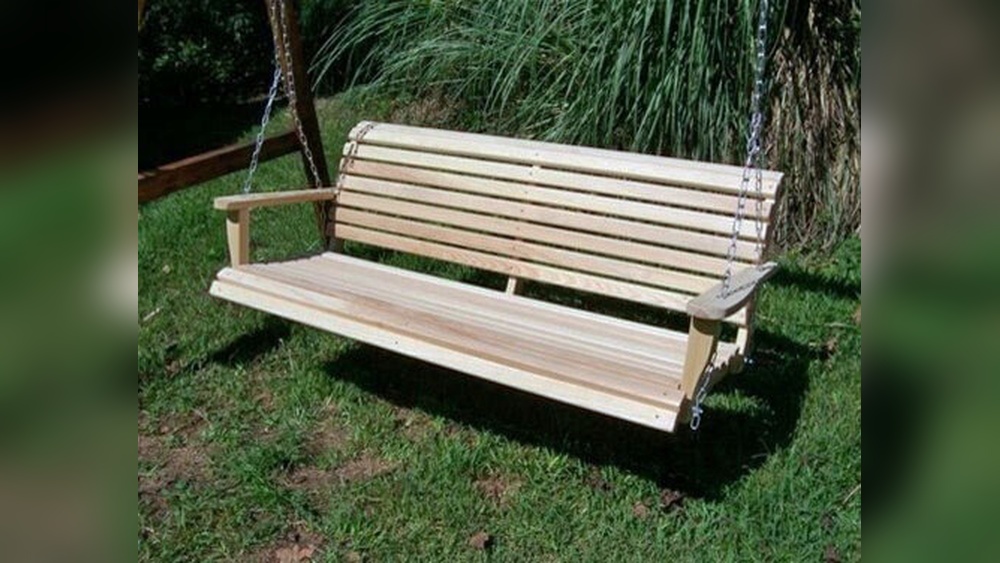
Choosing the right wood for your outdoor furniture can make all the difference between a beautiful, lasting piece and one that quickly fades or breaks. You want your furniture to stand up to weather, look great, and feel comfortable for years to come.
But with so many types of wood available, how do you know which one is best for your space? This guide will help you discover the perfect wood that matches your style, budget, and outdoor needs—so you can create a relaxing and inviting area you’ll love spending time in.
Keep reading to find out which wood will give your outdoor furniture the strength and beauty it deserves.
Best Woods For Outdoor Use
Choosing the right wood for outdoor furniture matters a lot. The wood must resist rain, sun, and bugs. Some woods last longer and look better outside. Here are the best woods for outdoor use.
Teak: The Classic Choice
Teak is famous for its strength and beauty. It has natural oils that protect it from water and insects. This wood ages well and turns a nice silver color. Teak furniture needs little care to stay good.
Cedar: Natural Resistance
Cedar has a fresh smell and resists rot and insects. It stays strong even in wet weather. This wood is light and easy to work with. Cedar furniture can last many years outside without much treatment.
Redwood: Beauty And Strength
Redwood has a rich color and tight grain. It resists decay and insect damage well. This wood is stable and does not warp easily. Redwood furniture looks great and holds up in all seasons.
Ipe: Extreme Durability
Ipe is one of the hardest woods for outdoor use. It resists scratches, decay, and insects very well. This wood lasts for decades without much upkeep. Ipe furniture is heavy but very strong and safe.
Eucalyptus: Affordable Alternative
Eucalyptus offers good durability at a lower price. It resists moisture and insects better than many woods. This wood needs regular oiling to keep its color. Eucalyptus furniture is a smart choice for budget buyers.

Credit: www.reddit.com
Factors Influencing Wood Durability
Choosing the right wood for outdoor furniture means understanding what makes wood last long outside. Wood durability depends on several key factors. These factors protect the wood from weather and wear. They help keep your furniture strong and good-looking for years.
Resistance To Moisture
Wood that handles water well stays strong longer. Moisture can cause wood to swell, warp, or rot. Some woods absorb less water naturally. Others need treatment to resist moisture. Good moisture resistance keeps furniture sturdy through rain and dew.
Insect And Pest Resistance
Insects can damage wood by eating or boring holes. Some types of wood are naturally harder for pests to attack. Others need special chemicals or finishes for protection. Choosing pest-resistant wood helps avoid damage and costly repairs.
Uv Protection
Sunlight can fade and break down wood fibers. UV rays cause wood to lose color and become brittle. Woods with natural oils resist sun damage better. Applying a UV-protective finish also helps maintain wood’s look and strength.
Maintenance Requirements
Some woods need more care to stay durable. Regular cleaning, sealing, or oiling can extend wood life. Low-maintenance woods save time and effort. Knowing the maintenance needs helps choose the right wood for your lifestyle.
Wood Treatments To Enhance Longevity
Wood outdoor furniture faces many challenges. Sun, rain, and insects can damage it fast. Proper wood treatments help protect and extend its life. These treatments keep wood looking good and strong for years. Choosing the right treatment depends on the wood type and your needs.
Sealing And Staining
Sealing blocks water from entering the wood. It stops moisture that causes cracks and warping. Stains add color and extra protection. They soak into wood and protect from sun damage. Choose a stain with UV blockers for best results. Reapply sealers and stains every year or two.
Oil Finishes
Oils penetrate deep into wood pores. They nourish wood and prevent drying out. Popular oils include teak, linseed, and tung oil. Oil finishes enhance the wood’s natural beauty. Apply oil regularly to keep wood healthy. Wipe off excess oil to avoid sticky surfaces.
Paint Options
Painting covers wood completely for strong protection. It shields wood from sun, rain, and bugs. Use outdoor paint made for wood surfaces. Primer helps paint stick better and last longer. Bright colors can add style and personality to furniture. Repaint as needed to fix chips and cracks.
Regular Cleaning Tips
Cleaning removes dirt and grime that degrade wood. Use mild soap and water with a soft brush. Avoid harsh chemicals that damage finishes. Clean furniture every few months or after heavy use. Dry furniture well to prevent mold and mildew. Regular care keeps wood furniture looking fresh and strong.
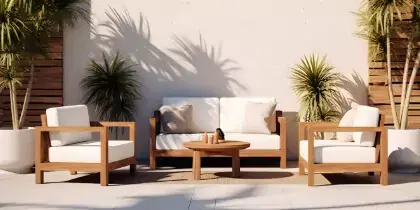
Credit: authenteak.com
Comparing Wood With Other Materials
Choosing the right material for outdoor furniture affects its look, feel, and lifespan. Wood is a classic choice with natural beauty and warmth. Other materials like metal, plastic, and composite have their own strengths. Comparing these materials helps you find the best fit for your outdoor space.
Wood Vs. Metal
Wood offers a warm, natural appearance that metal cannot match. Metal furniture is often stronger and lasts longer without much care. However, metal can get hot in the sun and cold in winter. Wood may need more maintenance but feels comfortable and inviting.
Wood Vs. Plastic
Plastic furniture is lightweight and easy to move. It resists water and won’t rot or crack. Wood looks more elegant and can be sanded or refinished. Plastic can fade over time, while wood can maintain its beauty with proper care.
Wood Vs. Composite
Composite materials combine wood fibers and plastic. They resist rot and need less upkeep than wood. Composite looks like wood but may lack its natural charm. Wood offers a unique texture and can age beautifully if treated well.
Cost Considerations For Outdoor Wood Furniture
Choosing wood for outdoor furniture means thinking about costs beyond the price tag. Some woods cost more upfront but save money over time. Others may seem cheaper but need more care. Understanding these costs helps pick the best wood for your budget and style.
Initial Investment
Hardwoods like teak and mahogany have higher prices at first. They are strong and last many years. Softwoods, such as pine, are cheaper but less durable. The initial cost depends on wood quality and availability. Budget-friendly options may save money now but may wear out fast.
Long-term Maintenance Costs
Some woods need regular sealing or staining to stay strong. This adds to yearly expenses. Teak and cedar resist weather well and require less care. Pine and fir need more protection from water and sun. Think about time and money needed to keep wood looking good.
Value Retention
High-quality woods keep their value longer. They age nicely and stay sturdy. Cheaper woods lose value quickly and may need replacement. Good wood can even increase your outdoor space’s appeal. Spending more upfront may save money on repairs or new furniture later.
Sourcing Sustainable Outdoor Wood
Choosing wood for outdoor furniture affects the planet. Sustainable wood helps protect forests and wildlife. It also supports healthy ecosystems and reduces waste.
Knowing where and how wood is sourced matters. Sustainable wood comes from well-managed forests. These forests grow new trees to replace those cut down.
Certified Wood Options
Look for wood with certification labels. These labels show the wood comes from responsibly managed forests. Common certifications include FSC and PEFC.
Certified wood ensures the forest is not overharvested. It also means workers follow safe and fair practices. This wood meets high environmental and social standards.
Eco-friendly Practices
Choose wood from companies using eco-friendly methods. They minimize chemical use and avoid harmful treatments. Such practices protect the soil and water around forests.
Eco-friendly wood is often treated with natural oils or water-based finishes. These treatments last long without polluting the environment. They keep your furniture safe and green.
Local Vs. Imported Woods
Local wood reduces transportation impact. It often means fresher, stronger wood for your furniture. Supporting local suppliers helps your community’s economy.
Imported wood can offer unique colors and grains. Yet, it may travel thousands of miles, adding to carbon emissions. Check the source to ensure it meets sustainability standards.
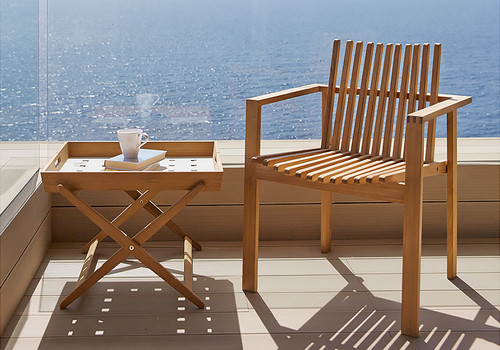
Credit: www.tablelegsonline.com
Frequently Asked Questions
What Wood Is Best For Outdoor Furniture Durability?
Teak is the most durable wood for outdoor furniture. It naturally resists water, insects, and decay. Other good options include cedar and redwood, which also offer strong resistance to weather and pests, making them ideal for long-lasting outdoor use.
How To Maintain Wooden Outdoor Furniture?
To maintain wooden outdoor furniture, clean it regularly with mild soap and water. Apply protective sealants or oils annually to prevent drying and cracking. Store furniture in a covered area during harsh weather to extend its lifespan and keep it looking fresh.
Is Cedar Wood Good For Outdoor Furniture?
Yes, cedar is excellent for outdoor furniture. It contains natural oils that resist rot and insect damage. Cedar is lightweight, easy to work with, and has a pleasant aroma, making it a popular choice for weather-resistant, attractive outdoor pieces.
Can I Use Untreated Wood Outdoors?
Untreated wood is not recommended for outdoor furniture. It absorbs moisture easily, leading to warping, cracking, and decay. Always choose treated or naturally durable wood types like teak, cedar, or redwood for outdoor use to ensure longevity and stability.
Conclusion
Choosing the right wood for outdoor furniture matters a lot. Durable woods like teak, cedar, and redwood last longer outside. They resist weather, insects, and decay well. Think about your budget and style, too. Proper care can keep your furniture looking great.
Good wood makes your outdoor space cozy and inviting. Enjoy your time outside with furniture that stands strong.

