Are you tired of seeing mold creeping onto your outdoor furniture every time it rains? Mold doesn’t just ruin the look of your favorite chairs and tables—it can also cause damage that’s expensive to fix.
The good news is, you don’t have to let mold take over your outdoor space. You’ll discover simple, effective steps to keep mold from growing on your furniture. By following these tips, you’ll protect your investment and enjoy a clean, fresh outdoor area all year round.
Keep reading to learn how easy it can be to say goodbye to mold for good.
Credit: www.patioproductions.com
Causes Of Mold On Outdoor Furniture
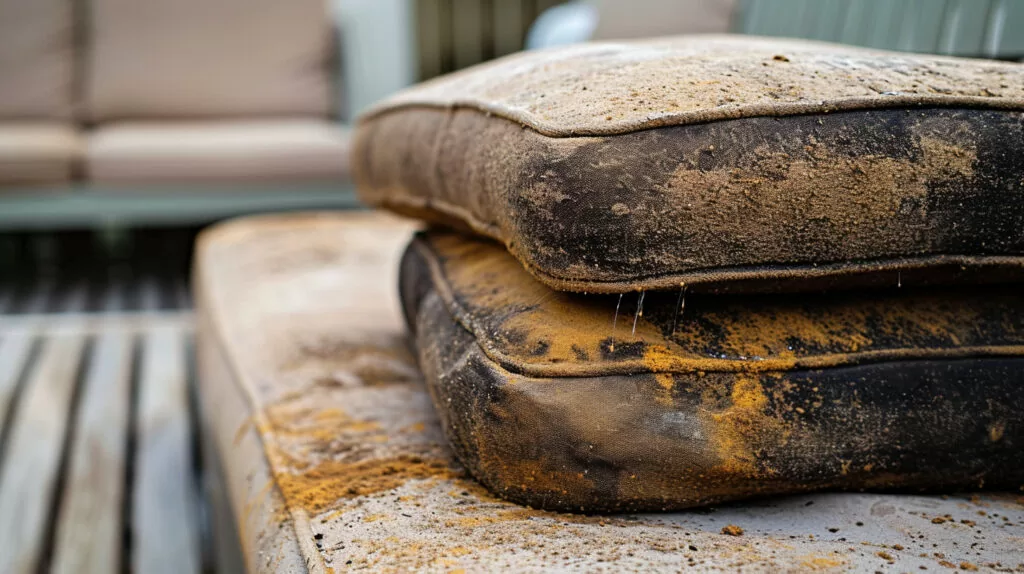
Mold on outdoor furniture is a common problem that many homeowners face. Understanding what causes mold helps in preventing it effectively. Mold thrives in certain conditions that often occur outdoors. Identifying these causes is the first step to keep your furniture clean and safe.
Moisture And Humidity
Mold needs moisture to grow. Rain, dew, and spills create damp surfaces on your furniture. High humidity keeps the moisture trapped. Wet cushions and frames become perfect spots for mold. Without drying out quickly, mold spreads easily on outdoor items.
Poor Air Circulation
Stagnant air encourages mold growth. Furniture placed in tight corners or under dense trees lacks airflow. Limited wind makes moisture stay longer on surfaces. Proper space around furniture helps air move freely. This drying effect reduces mold chances significantly.
Material Vulnerability
Certain materials attract mold more than others. Wood, fabric, and wicker absorb water faster than metal or plastic. Porous surfaces hold moisture inside, feeding mold spores. Fabrics with dirt or organic matter add to the risk. Choosing resistant materials lowers mold problems.
Choosing Mold-resistant Materials
Choosing mold-resistant materials is key to keeping outdoor furniture clean and durable. Materials that resist moisture and fungi help prevent mold growth. Selecting the right type of furniture can save time and effort in maintenance. It also keeps your outdoor space safe and healthy.
Synthetic Vs Natural Materials
Synthetic materials like plastic, resin, and metal resist mold better than natural ones. They do not absorb water, which stops mold from growing. Synthetic furniture often requires less cleaning and lasts longer outdoors.
Natural materials like wood and wicker look nice but absorb moisture easily. They need more care to prevent mold. Regular cleaning and sealing can help protect these materials from damage.
Treated Woods And Metals
Treated woods have chemicals that protect against mold and moisture. Cedar and teak are popular because they resist decay naturally. Pressure-treated wood lasts longer in wet conditions.
Metals like aluminum and stainless steel do not hold moisture. They are less likely to develop mold. Coated metals also resist rust and mold, making them ideal for outdoor use.
Regular Cleaning Techniques
Regular cleaning keeps outdoor furniture fresh and mold-free. Dirt and moisture build up create perfect spots for mold to grow. Cleaning removes these elements and keeps your furniture looking good.
Use simple and safe methods to clean your furniture. Avoid harsh chemicals that can damage materials. Regular care extends the life of your outdoor pieces.
Safe Cleaning Solutions
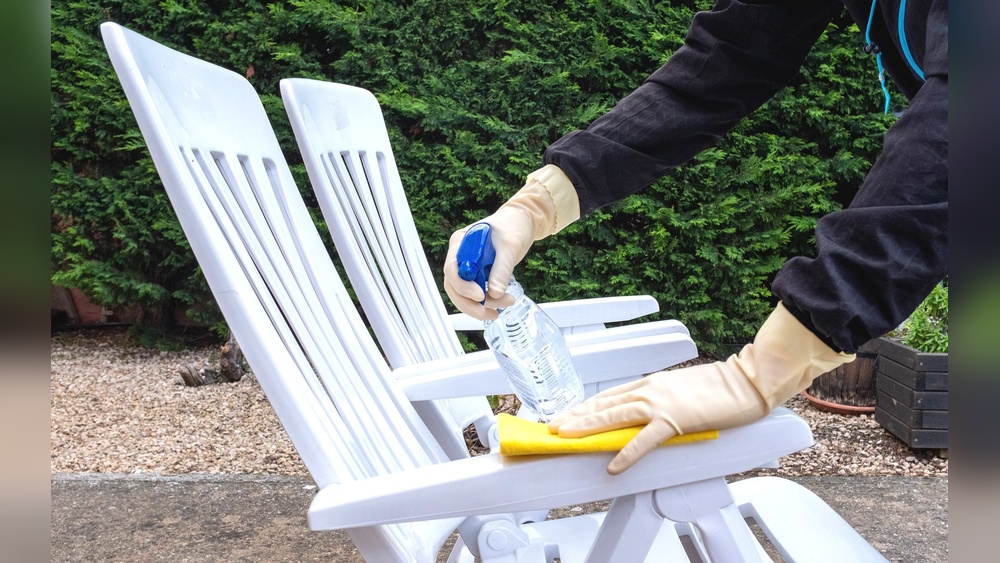
Use mild soap mixed with warm water. This solution cleans without harming furniture surfaces. A soft brush or cloth works well to scrub gently.
White vinegar is another safe option. It naturally kills mold and mildew. Mix one part vinegar with three parts water for cleaning.
Avoid bleach on delicate materials. It can cause discoloration and damage. Test any solution on a small area first.
Frequency Of Cleaning
Clean your outdoor furniture at least once a month. More often during rainy or humid seasons helps prevent mold.
Check furniture regularly for dirt, leaves, or moisture. Remove debris quickly to stop mold growth.
After heavy rain or storms, dry furniture thoroughly. Mold thrives in wet conditions.
Credit: fj-outdoors.com
Proper Furniture Placement
Proper furniture placement is key to stopping mold growth on outdoor furniture. Mold loves damp and shaded spots. Placing your furniture in the right area helps keep it dry and clean.
Avoiding Shaded Damp Areas
Keep furniture away from shaded, damp spots. These areas stay wet longer after rain or dew. Moisture feeds mold and mildew. Avoid placing furniture under dense trees or near walls that block sunlight. Check the ground too. Avoid spots where water pools or drains slowly.
Maximizing Sun Exposure
Sunlight helps dry furniture quickly. Place your outdoor furniture where it gets direct sun. The sun’s heat stops mold spores from settling. Even a few hours of sun exposure daily helps. Move furniture occasionally to different sunny spots. This keeps all surfaces dry and mold-free.
Using Protective Covers And Sealants
Protective covers and sealants play a big role in stopping mold on outdoor furniture. They block moisture and dirt. This keeps mold spores from settling and growing. Using these tools right helps furniture last longer and stay fresh.
Types Of Covers
Choose covers made of waterproof material. Look for heavy-duty fabrics like polyester or vinyl. They keep rain and dew away. Some covers have vents to stop moisture build-up under the cover. This lets air flow and reduces mold risk. Pick covers that fit your furniture well. Loose covers let rain and dirt inside.
Applying Sealants
Sealants add a strong layer to furniture surfaces. They block water and stop mold from growing. Use sealants made for your furniture material. Wood sealants protect against moisture and rot. Metal sealants stop rust and mold. Clean furniture before applying sealant. Spread sealant evenly with a brush or cloth. Let it dry fully before use. Repeat the process yearly for best protection.
Seasonal Maintenance Tips
Seasonal maintenance is key to keeping mold off outdoor furniture. Each season brings different challenges for your furniture. Regular care helps protect it from moisture and dirt. This prevents mold growth and keeps your furniture looking fresh. Simple steps make a big difference over time.
Preparing For Rainy Seasons
Rain creates the perfect environment for mold to grow. Clean your furniture before the rain starts. Use a mild soap and water to remove dirt and dust. Dry the furniture completely to stop moisture buildup. Cover furniture with waterproof covers during heavy rain. Store cushions inside to keep them dry. Proper airflow under covers prevents mold from forming.
Winter Storage Advice
Winter brings cold and damp conditions that invite mold. Clean all furniture thoroughly before storing. Use a soft brush to remove debris from crevices. Let furniture dry fully in the sun if possible. Store furniture in a dry, well-ventilated area. Avoid storing on damp ground or concrete. Cover furniture with breathable fabric covers to avoid moisture trap.
Diy Mold Removal Methods
Mold can ruin outdoor furniture and make it unsafe. Removing mold yourself saves money and keeps your furniture looking good. Simple cleaning methods work well to remove mold from many types of materials. Safety first: wear gloves and a mask while cleaning.
Homemade Cleaning Solutions
Mix equal parts white vinegar and water in a spray bottle. Vinegar kills mold and is safe for most surfaces. Another option is a baking soda solution: dissolve two tablespoons in a cup of water. Spray the solution on the moldy areas and let it sit for 10 minutes. Avoid harsh chemicals that can damage your furniture or harm the environment.
Scrubbing And Drying Techniques
Use a soft brush or sponge to scrub the mold gently. Avoid hard scrubbing that can damage the furniture surface. Rinse the area with clean water after scrubbing. Dry the furniture completely using towels or by placing it under the sun. Mold grows in damp places, so thorough drying is essential to stop mold from returning.
Credit: www.furnituremaxi.com
When To Seek Professional Help
Mold on outdoor furniture can sometimes become hard to manage alone. Knowing when to ask for expert help saves time and protects your furniture. Professionals have tools and knowledge to remove mold safely and thoroughly. They prevent mold from coming back quickly.
Signs Mold Is Too Widespread
When mold covers large areas of your furniture, it may be too much to clean yourself. Deep mold can hide in cracks and materials. Professionals can reach these spots and clean them properly.
Health Concerns
Some molds cause allergies or breathing problems. If you or family members feel sick around moldy furniture, stop cleaning it yourself. Experts use safe methods to remove mold without spreading spores.
Delicate Or Valuable Furniture
Old or expensive pieces need careful cleaning. Using wrong products may cause damage. Experts know the right treatments for different materials and finishes.
Persistent Mold Growth
If mold returns after cleaning, hidden causes may exist. Professionals can find moisture problems causing mold. Fixing these issues helps stop mold for good.
Frequently Asked Questions
How Do I Prevent Mold On Outdoor Furniture?
Keep furniture clean and dry. Use protective covers during rain. Store cushions indoors. Apply mold-resistant sprays to surfaces regularly.
What Cleaning Solutions Remove Mold From Outdoor Furniture?
Use a mixture of water, vinegar, and mild detergent. Scrub gently with a soft brush. Rinse thoroughly and dry completely to prevent mold growth.
Which Materials Resist Mold Better Outdoors?
Teak, metal, and plastic resist mold well. These materials dry quickly and don’t absorb moisture, reducing mold risk.
How Often Should I Clean Outdoor Furniture To Avoid Mold?
Clean furniture monthly during humid seasons. Regular cleaning removes dirt and moisture that encourage mold growth.
Conclusion
Keeping mold off outdoor furniture takes regular care and attention. Clean your furniture often and dry it well after rain. Store cushions in a dry place when not in use. Use covers that let air pass through. Check for mold spots early and clean them quickly.
These small steps help your furniture stay fresh and last longer. Enjoy your outdoor space without worrying about mold. Simple habits make a big difference.