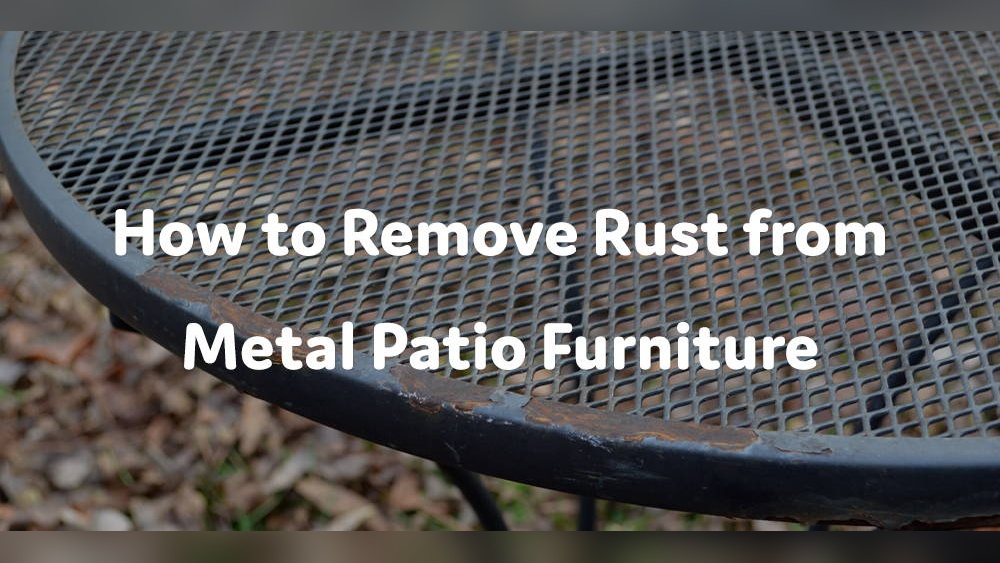
Aluminum outdoor furniture can add style and comfort to your patio, but rust can quickly ruin its look. If you’ve noticed spots of rust on your favorite pieces, you’re not alone—and the good news is, you can fix it.
Knowing how to treat aluminum outdoor furniture for rust will save you money and keep your space looking fresh all year round. You’ll discover simple, effective steps to remove rust and protect your furniture from future damage. Keep reading, and you’ll learn how to bring back that clean, shiny finish you love.
Causes Of Rust On Aluminum Furniture
Aluminum outdoor furniture is popular for its light weight and modern look. Despite aluminum’s natural resistance to rust, certain conditions can cause it to corrode. Understanding the causes of rust helps keep your furniture in good shape. This section explores common reasons aluminum furniture develops rust over time.
Common Factors Leading To Rust
Rust on aluminum often starts from scratches or chips in the protective coating. These small damages expose the metal underneath. Moisture then reacts with the metal surface, causing corrosion. Using harsh cleaners can also wear down protective layers. Dirt and debris left on furniture trap moisture, speeding up rust formation.
Environmental Impact
Outdoor aluminum furniture faces rain, humidity, and salty air. Salt from coastal areas is especially harmful. It breaks down aluminum’s surface faster than fresh water. Pollution in the air can mix with rain to create acidic water. Acid rain eats away at the metal’s protective coating. Sunlight also weakens the finish, making rust more likely.
Wear And Tear Effects
Regular use causes wear and tear on aluminum furniture. Moving and cleaning can create small scratches. Over time, these damages let moisture reach the metal. Heavy furniture or frequent handling may cause dents. Dents can trap water and dirt, increasing rust risk. Without care, daily use speeds up corrosion on aluminum pieces.
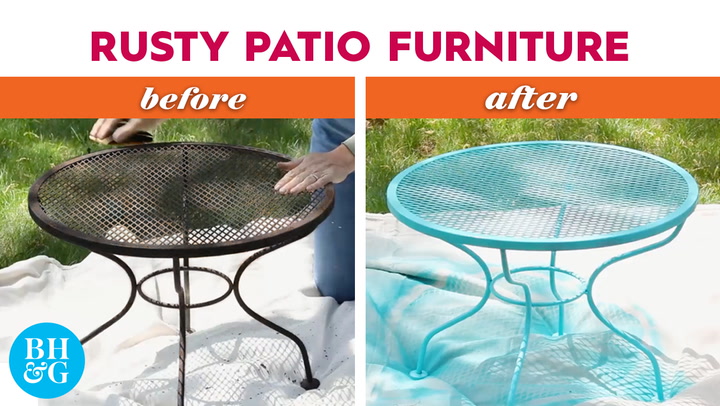
Credit: www.bhg.com
Preparing Aluminum Furniture For Treatment
Preparing aluminum outdoor furniture for rust treatment starts with proper surface care. Cleaning, removing rust, and smoothing the metal are key steps. These steps help the treatment work better and last longer.
Cleaning The Surface
First, clean the furniture to remove dirt and dust. Use warm water and mild soap. A soft brush or cloth works best. Rinse with clean water and let it dry fully. Clean surfaces help the treatment stick well.
Removing Existing Rust
Next, check for rust spots. Use a wire brush or rust remover to clear rust. Scrub gently to avoid damaging the aluminum. Remove all loose rust before moving on. This step stops rust from spreading further.
Sanding And Smoothing
After rust removal, sand the surface smooth. Use fine-grit sandpaper for best results. Sanding removes rough patches and prepares the metal. Wipe away dust with a clean cloth. Smooth surfaces ensure even treatment application.
Choosing The Right Rust Treatment Products
Choosing the right rust treatment products is key to fixing aluminum outdoor furniture. The right products stop rust and protect the metal. They make your furniture last longer and look better.
Not all rust treatments work the same. Some stop rust, some cover it, and others protect the surface. Knowing which product to use helps you get good results fast.
Rust Converters
Rust converters change rust into a stable surface. They stop rust from spreading. These products work well on small rust spots. Apply them directly to rusty areas. The rust turns into a black, protective layer. This layer helps paint stick better later.
Primers And Paints
Primers prepare the metal for paint. They make paint stick and stop rust under the paint. Use a primer made for metal. After the primer dries, apply outdoor paint. Choose paint that resists weather and sun. This keeps your furniture looking fresh longer.
Protective Coatings
Protective coatings create a shield over metal and paint. They block water and air from reaching the metal. Clear coatings keep the metal’s color. Use coatings made for outdoor metal furniture. Reapply coatings every year for best protection.

Credit: www.youtube.com
Step-by-step Rust Treatment Process
Treating rust on aluminum outdoor furniture protects it and extends its life. Follow these clear steps to remove rust and prevent it from coming back. Each step is important for a smooth and lasting finish.
Applying Rust Converter
Start by cleaning the rusty areas with a wire brush. Remove loose rust and dirt well. Apply rust converter with a brush or spray on the rust spots. The converter changes rust into a solid surface. Let it dry completely before moving on. This step stops rust from spreading further.
Priming The Surface
Choose a primer made for metal surfaces. Apply a thin, even coat over the treated areas. Primer helps paint stick well and adds protection. Wait for the primer to dry fully. This creates a good base for the paint.
Painting And Sealing
Use paint designed for outdoor metal furniture. Apply at least two coats for strong coverage. Allow each coat to dry before applying the next. Finish with a clear sealer to protect the paint. This keeps your furniture looking new longer.
Maintenance Tips To Prevent Rust
Keeping aluminum outdoor furniture free from rust starts with proper care. Rust can weaken the metal and spoil the look of your furniture. Simple maintenance steps can protect your pieces and keep them looking new for years.
Small efforts like cleaning and covering your furniture can stop rust before it begins. Seasonal care also plays a key role in maintaining the metal’s strength and shine. Follow these tips to prevent rust and extend the life of your aluminum furniture.
Regular Cleaning Routine
Clean your aluminum furniture often using mild soap and water. Dirt and grime can trap moisture, which leads to rust. Use a soft cloth or sponge to avoid scratching the surface. Rinse well with clean water and dry thoroughly with a towel. Regular cleaning removes harmful elements that cause rust.
Protective Coverings
Use covers made for outdoor furniture to protect against rain and humidity. Covers keep moisture from settling on the metal surface. Choose waterproof and breathable materials to avoid trapped condensation. Remove the covers occasionally to let furniture air out. Proper coverings reduce exposure to elements that cause rust.
Seasonal Care Advice
Inspect your furniture before and after each season. Look for scratches, chips, or spots where paint may peel. Touch up damaged areas with rust-resistant paint to protect the metal. Store furniture indoors or in a dry place during harsh weather. Seasonal care prevents rust from starting and keeps furniture strong.
Diy Vs Professional Rust Treatment
Treating rust on aluminum outdoor furniture can be done in two main ways: DIY methods or hiring professionals. Each option has its own advantages. Choosing the right approach depends on your skills, time, and budget. Understanding the benefits and limits of both helps you protect your furniture well.
Benefits Of Diy Methods
DIY rust treatment saves money. You only buy supplies like sandpaper, rust remover, and paint. It offers full control over the process and timing. You can clean and paint your furniture at your own pace. Learning to treat rust yourself builds useful skills. Small rust spots are easy to fix with simple tools. DIY also gives satisfaction from completing the task on your own.
When To Hire Professionals
Professionals handle severe rust or large furniture sets. They use special tools and chemicals not available at home. Experts ensure a thorough treatment that lasts longer. Hiring pros saves your time and effort. They can spot hidden damage that DIY might miss. Professional work often comes with a guarantee. Choose experts when the rust is deep or the furniture is expensive.
Cost Considerations
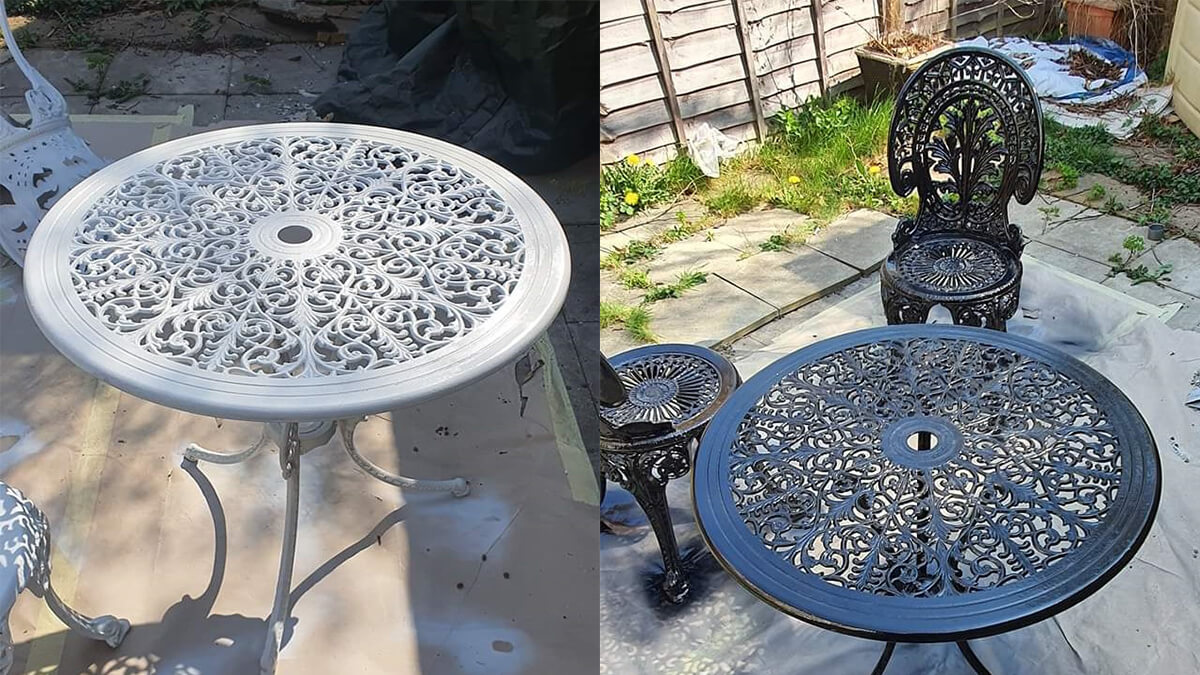
DIY rust treatment usually costs less upfront. You pay only for materials and maybe some tools. Professional service fees can be higher due to labor and expertise. Consider costs against furniture value and rust severity. DIY is cheaper for small repairs. Professional treatment is worth the cost for big jobs. Think about long-term savings from a quality job too.
Credit: www.dcpaintsolutions.com
Frequently Asked Questions
How Do I Remove Rust From Aluminum Outdoor Furniture?
To remove rust, use a mixture of vinegar and water or a commercial rust remover. Gently scrub with a soft brush. Rinse thoroughly and dry completely to prevent further rusting.
What Protective Coating Is Best For Aluminum Furniture?
Applying a clear sealant or outdoor paint designed for metal protects aluminum furniture. These coatings prevent moisture contact and reduce rust formation, extending the furniture’s lifespan.
How Often Should I Treat Aluminum Furniture For Rust?
Treat aluminum outdoor furniture at least once a year. Inspect for rust spots regularly, especially after harsh weather. Prompt treatment prevents rust from spreading and damaging the furniture.
Can Aluminum Outdoor Furniture Rust Without Paint?
Yes, aluminum can oxidize and develop rust if its protective coating wears off. Proper maintenance and protective treatments are essential to prevent corrosion and maintain appearance.
Conclusion
Treating aluminum outdoor furniture for rust protects it longer. Clean the rust spots gently with a soft brush. Use a rust remover suitable for aluminum surfaces. After cleaning, apply a protective coating to prevent rust. Regular maintenance keeps your furniture looking fresh and strong.
Small efforts now save big costs later. Enjoy your outdoor space without worrying about rust damage. Simple care steps make a big difference over time. Keep your aluminum furniture rust-free and beautiful year-round.

