Are you looking to give your plastic outdoor furniture a fresh, new look without spending a fortune? You might be wondering, “Can you spray paint plastic outdoor furniture?” The answer is yes—but there are some important tricks you need to know to make sure the paint sticks well and lasts through the seasons.
You’ll discover simple steps to transform your worn-out patio pieces into stylish, vibrant seating that stands out. Keep reading, and you’ll learn how to get professional-looking results that will make your outdoor space shine.

Credit: www.tastefullyeclectic.com
Choosing The Right Spray Paint
Choosing the right spray paint for plastic outdoor furniture is key to a good finish and long-lasting results. Not all spray paints stick well to plastic surfaces. The right paint must bond tightly and resist weather effects. This choice affects how your furniture looks and how long the paint lasts.
Types Suitable For Plastic
Look for spray paints made specifically for plastic. These paints have special formulas that help them stick to smooth surfaces. Acrylic enamel spray paints work well on plastic. They dry fast and give a smooth coat. Some spray paints label themselves as “for plastic” or “multi-surface.” These types reduce peeling and chipping over time.
Weather-resistant Options
Outdoor furniture faces sun, rain, and wind. Choose spray paint with weather-resistant features. Paints with UV protection prevent colors from fading. Waterproof paint keeps moisture from damaging the surface. Look for spray paints that say “outdoor use” or “weatherproof.” These options keep your furniture looking fresh longer.
Preparing Plastic Furniture For Painting
Preparing plastic furniture for painting is a key step. It helps the paint stick well and last longer. This process ensures a smooth, clean surface. Proper preparation avoids peeling and chipping later on.
Cleaning And Sanding
Start by cleaning the furniture thoroughly. Remove dirt, dust, and grease with soap and water. Use a soft brush or cloth for better cleaning. Let the furniture dry completely before sanding.
Next, lightly sand the plastic surface. Use fine-grit sandpaper, around 220 grit. Sanding roughens the surface, helping the paint stick. Wipe off the dust with a damp cloth after sanding.
Priming For Better Adhesion
Apply a plastic primer before painting. Primer creates a strong base for the paint. It improves paint adhesion and durability. Use a spray primer designed for plastic materials. Apply thin, even coats and let it dry fully before painting.
Spray Painting Techniques
Spray painting plastic outdoor furniture needs special care and good technique. Proper spray painting helps the paint stick well and last longer. Using the right methods gives a smooth and even finish. Let’s explore key spray painting techniques for the best results.
Spray Distance And Angle
Keep the spray can about 10 to 12 inches from the furniture. This distance helps avoid drips and runs. Hold the can at a 45-degree angle to the surface. Spray in steady, side-to-side motions. Move your hand evenly to cover all areas. Avoid spraying too close or too far.
Multiple Thin Coats
Apply several thin coats instead of one thick coat. Thin coats dry faster and stick better. Thick layers can drip and peel later. Lightly spray the surface with each coat. Wait for the paint to feel dry before the next one. This builds a strong, even layer of paint.
Drying Time Between Coats
Let each coat dry fully before adding another. Usually, wait 15 to 30 minutes between coats. Check the paint feels dry to touch but not hard. Proper drying prevents smudges and uneven texture. Follow the instructions on the paint can for best drying times.
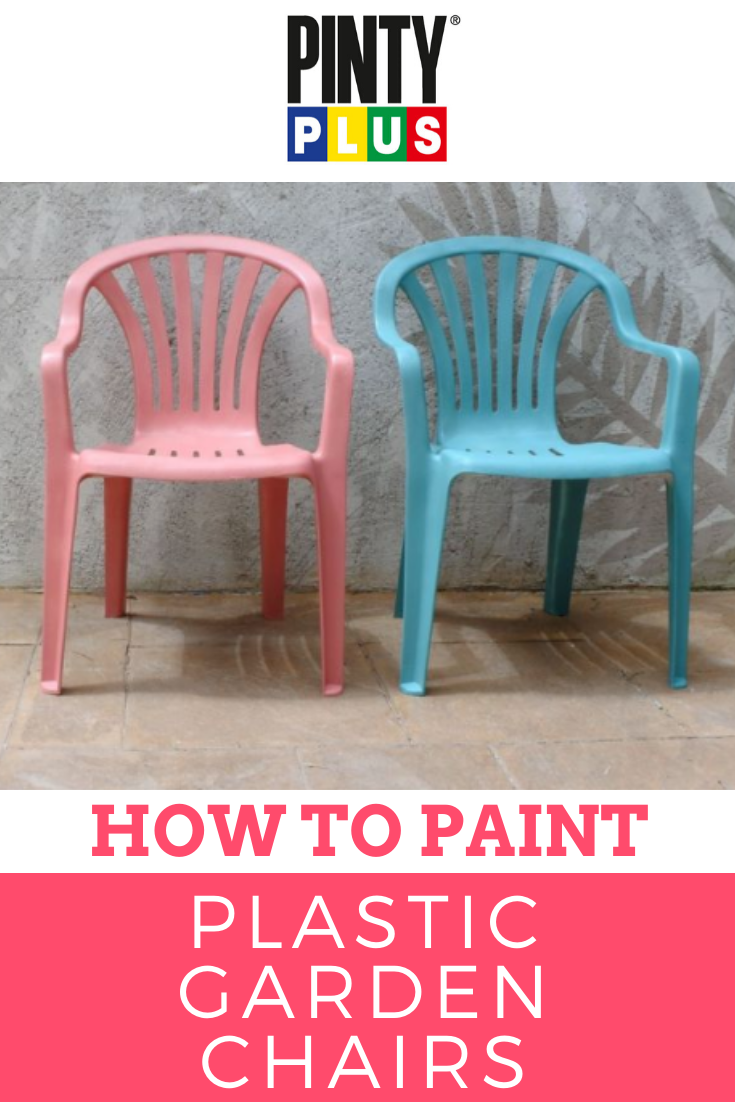
Credit: www.pintyplus.co.uk
Protecting Painted Furniture
Protecting painted outdoor furniture is key to keeping its fresh look. Paint can peel or fade without proper care. Shielding your furniture extends the life of the paint. It also keeps the colors bright and attractive. Simple steps can make a big difference in durability.
Sealing With Clear Coat
A clear coat forms a strong protective layer over paint. It guards against rain, sun, and dirt. Use a spray or brush-on clear coat made for outdoor use. Apply thin, even layers to avoid drips. Let each coat dry fully before adding another. This seal helps prevent fading and chipping. It also makes cleaning easier.
Maintenance Tips For Longevity
Clean your furniture regularly with a soft cloth and mild soap. Avoid harsh chemicals that can damage paint and sealant. Cover furniture during heavy rain or winter months. Store cushions and fabric separately to prevent mildew. Check for chips or scratches and touch them up quickly. Small repairs keep paint strong and fresh. Proper care helps your furniture last many seasons.
Common Mistakes To Avoid
Spray painting plastic outdoor furniture can give it a fresh look. Many people try this project but make mistakes that ruin the finish. Avoiding common errors helps the paint last longer and look better. Below are key mistakes to avoid.
Skipping Preparation Steps
Preparation is the foundation of good results. Many skip cleaning the furniture before painting. Dirt and grease stop paint from sticking well. Always wash with soap and water, then let dry completely.
Sanding the plastic surface is another important step. It makes the surface rough for better paint grip. Without sanding, paint can peel or chip easily. Use fine sandpaper and wipe off dust before spraying.
Ignoring these steps leads to uneven paint and short lifespan. Taking time to prepare helps your furniture look smooth and last longer outdoors.
Using Incompatible Paint Types
Not all spray paints work on plastic. Some paints crack or peel on plastic surfaces. Use spray paint specifically made for plastic materials.
Look for labels that say “for plastic” or “multi-surface.” These paints bond better and resist weather damage. Avoid regular spray paint meant for wood or metal.
Using wrong paint wastes time and money. It also ruins the look of your outdoor furniture. Choose the right paint to ensure a durable and attractive finish.
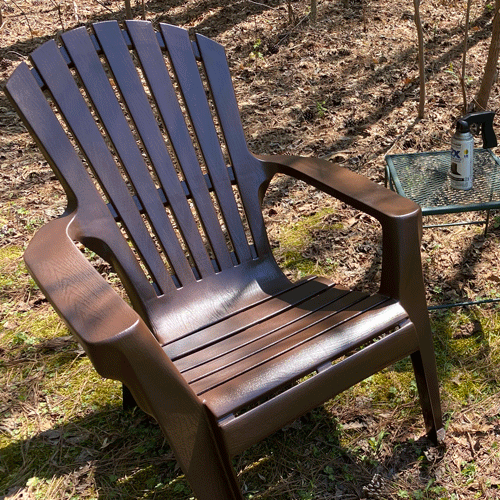
Credit: acookandherbooks.com
Alternative Methods For Plastic Furniture
Plastic outdoor furniture can look dull over time. Changing its look is easy with different methods. Spray painting is one choice. Yet, there are other simple ways to refresh plastic furniture. These methods save time and offer unique finishes. Explore some alternative ways below.
Using Paint Brushes
Painting plastic furniture with brushes allows control. Choose paint made for plastic surfaces. Clean the furniture before painting. Use a primer to help paint stick better. Apply thin, even coats to avoid drips. Let each layer dry fully. Brushes create detailed and smooth finishes. Perfect for small or intricate pieces. This method needs patience but gives a fresh look.
Applying Vinyl Wraps
Vinyl wraps cover plastic furniture easily. They come in many colors and patterns. Clean the surface before applying the wrap. Smooth the wrap to avoid bubbles. Vinyl protects furniture from weather damage. It is removable and does not harm plastic. Great for changing style without paint mess. Wraps last long and keep furniture looking new.
Frequently Asked Questions
Can You Spray Paint Plastic Outdoor Furniture?
Yes, you can spray paint plastic outdoor furniture. Use paint designed for plastic surfaces. Proper preparation is key for durability and a smooth finish.
What Type Of Spray Paint Works Best On Plastic?
Use spray paint labeled for plastic or multi-surface use. These paints adhere better and resist chipping and peeling outdoors.
How Do You Prepare Plastic Furniture For Spray Painting?
Clean the surface thoroughly, remove dirt and grease. Lightly sand to create texture. Use a plastic primer before applying paint for best results.
How Long Does Spray Paint Last On Plastic Outdoor Furniture?
Spray paint can last 1 to 3 years outdoors. Longevity depends on paint quality, surface prep, and weather exposure.
Conclusion
Spray painting plastic outdoor furniture can refresh its look quickly. Choose the right paint made for plastic surfaces. Clean the furniture well before starting the job. Use light, even coats to avoid drips and runs. Let each layer dry fully to get the best finish.
This simple project saves money and brightens your outdoor space. With patience and care, your plastic furniture will look new again. Try it yourself and enjoy the fresh, updated style.