Are you ready to bring your music and movies to life with crisp, clear sound? Setting up bookshelf speakers might seem tricky, but it doesn’t have to be.
With the right tools and simple steps, you can create an amazing audio experience right in your own space. You’ll discover exactly what you need to get started and how to make your speakers sound their best. Keep reading, and soon you’ll enjoy powerful sound that fills the room effortlessly.

Credit: www.klipsch.com
Choosing The Right Speakers
Choosing the right bookshelf speakers is key to a great sound experience. The perfect speakers fit your space, music style, and budget. This guide breaks down important points to help you pick the best speakers for your needs.
Speaker Types And Sizes
Bookshelf speakers come in different types and sizes. Two-way speakers have a woofer and a tweeter for clear sound. Three-way speakers add a midrange driver for fuller audio. Smaller speakers fit tight spaces but may lack deep bass. Larger models deliver richer sound but need more room.
Power Handling And Sensitivity
Power handling shows how much power a speaker can take without damage. Choose speakers that match your amplifier’s power output. Sensitivity measures how loud a speaker plays with a given power. Higher sensitivity means louder sound from less power. Check these specs to get balanced volume and quality.
Matching Speakers To Room Size
Room size affects speaker performance a lot. Small rooms suit small to medium speakers. Large rooms need bigger speakers or extra subwoofers. Place speakers away from walls to reduce echo. Consider room shape and furniture too. Proper matching gives clear, balanced sound throughout the room.

Credit: elac.com
Selecting An Amplifier
Selecting the right amplifier is key to setting up bookshelf speakers. The amplifier powers the speakers and controls sound quality. Picking the right one ensures clear, balanced audio. It also protects your speakers from damage. This section explains what to consider when choosing an amplifier for your bookshelf speakers.
Amplifier Power Requirements
Match the amplifier’s power output with your speaker’s power handling. Too little power causes weak sound and distortion. Too much power can damage the speakers. Check the speaker’s recommended wattage range. Choose an amplifier that fits within this range. This balance keeps sound clean and safe.
Compatibility With Speakers
Look at the speaker’s impedance, usually 4, 6, or 8 ohms. The amplifier must support this impedance. Using a wrong match can reduce sound quality. It may also harm the amplifier or speakers. Verify the amplifier’s specs before buying. Compatibility ensures smooth and efficient performance.
Types Of Amplifiers
There are several amplifier types for bookshelf speakers. Integrated amplifiers combine preamp and power amp in one unit. They are easy to use and space-saving. Separate preamps and power amps offer more control and flexibility. Class D amplifiers are compact and energy efficient. Tube amplifiers provide warm, rich sound but cost more. Choose based on your space, budget, and sound preference.
Speaker Placement Tips
Proper speaker placement is key to getting the best sound from your bookshelf speakers. Small changes in position can make a big difference. Follow these tips to enjoy clear, balanced audio in your room.
Ideal Positioning
Place speakers at ear level when seated. Keep them at equal distance from your main listening spot. Aim for a triangle shape between you and the two speakers. This setup helps create a wide and natural soundstage.
Distance From Walls
Keep speakers at least 6 inches away from walls. Walls can reflect sound and cause bass to become muddy. Leaving space behind and to the sides improves clarity and reduces echo.
Height And Angle Considerations
Angle speakers slightly toward your ears. This focus directs sound to your listening position. Avoid placing speakers too high or low to prevent sound distortion. Proper height and angle ensure clear vocals and instruments.
Wiring And Connectivity
Wiring and connectivity play a key role in setting up bookshelf speakers. Proper wiring ensures clear sound without interruptions. Good connections prevent signal loss and distortion. Choosing the right wires and connectors makes your speakers work at their best. Let’s explore the basics of wiring and connectivity for bookshelf speakers.
Choosing Speaker Wire
Select speaker wire based on gauge and material. Thicker wire (lower gauge number) carries signals better. Use 16-gauge wire for short runs under 50 feet. For longer distances, 14-gauge wire works best. Copper wire is common and offers good sound quality. Avoid cheap or thin wires as they reduce sound clarity.
Cable Length And Quality
Measure the distance between your amplifier and speakers first. Keep wires as short as possible to reduce signal loss. Longer cables can weaken audio signals and cause interference. Use cables with good insulation to avoid electrical noise. High-quality cables maintain sound clarity and improve durability.
Connection Types
Most bookshelf speakers use binding posts or spring clips. Binding posts offer a secure and tight connection. They work with bare wire, banana plugs, or spade connectors. Spring clips are easier but less secure and may cause loose connections. Match connectors to your amplifier and speaker terminals for best results.
Additional Accessories
Setting up bookshelf speakers involves more than just the speakers themselves. Additional accessories improve sound quality and speaker placement. These extras help you get the best audio experience at home.
Speaker Stands And Mounts
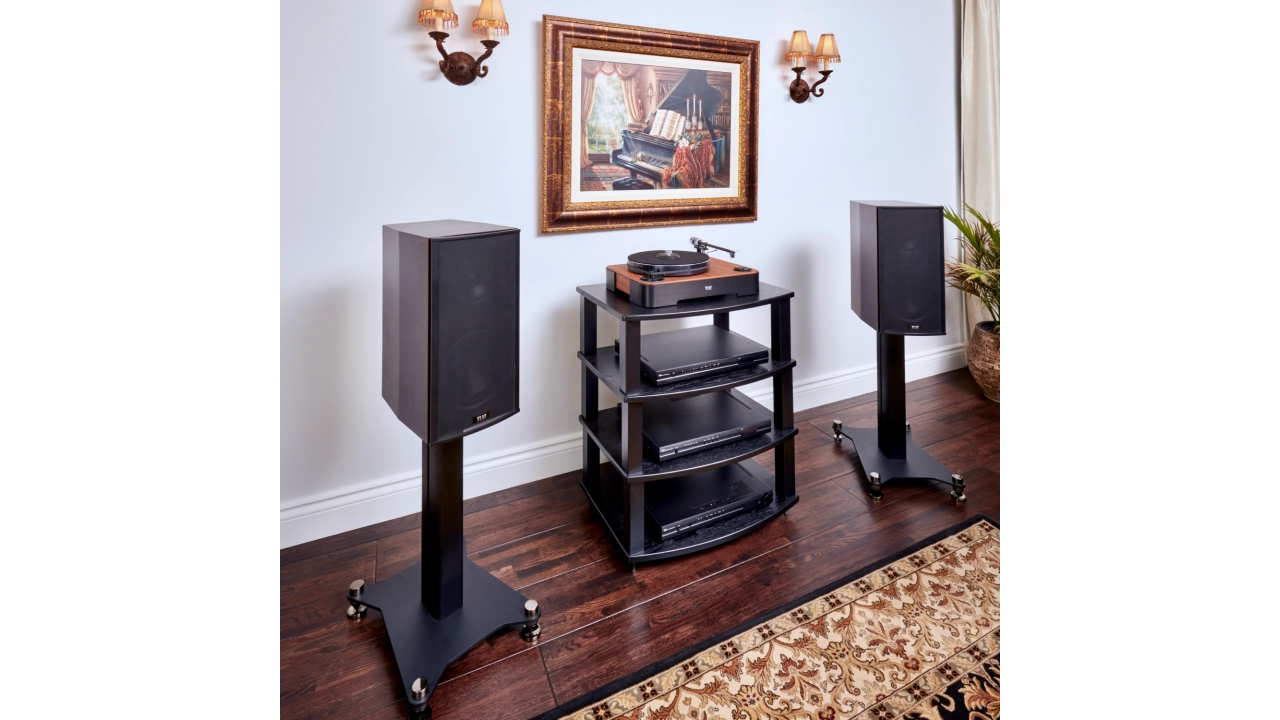
Speaker stands keep your bookshelf speakers stable and at ear level. Proper height improves sound clarity and reduces vibrations. Wall mounts save space and position speakers for better sound direction. Both stands and mounts help create a cleaner setup and better listening experience.
Room Acoustic Treatments
Rooms affect how sound travels and reflects. Acoustic panels absorb sound waves to reduce echo and noise. Bass traps control low-frequency sounds, making audio clearer. Simple rugs and curtains also help soften sound reflections. Treating your room makes music and voices sound more natural.
Wireless Adapters
Wireless adapters remove cables between your speakers and audio source. They offer more flexibility in speaker placement. Bluetooth and Wi-Fi adapters connect easily with phones, tablets, or computers. These adapters keep your setup tidy and allow for wireless streaming.
Credit: elac.com
Setup And Calibration
Setting up and calibrating bookshelf speakers is key for clear and balanced sound. Proper setup makes sure you hear every detail in music or movies. Calibration helps match sound levels to your room’s size and shape. This section covers the basics of setting up and fine-tuning your speakers.
Initial Testing
Start by placing your speakers on sturdy shelves or stands. Keep them at ear level for best sound. Play some familiar music to check how they sound. Listen for any odd noises or distortion. Test both speakers to make sure they work well together. This step helps find any issues before adjusting settings.
Adjusting Sound Balance
Adjust the volume on each speaker for even sound. Move speakers slightly to change bass and treble effects. Aim for clear highs and solid lows without overpowering bass. Keep sound natural and not too loud. Balance the sound so voices and instruments are easy to hear. Small changes can improve your listening experience a lot.
Using Calibration Tools
Use calibration tools like sound meters or apps for better accuracy. These tools measure sound levels and frequency response. Follow tool instructions to adjust speaker settings. Some systems have built-in calibration microphones for automatic tuning. Calibration tools help create a balanced sound tailored to your room. This step ensures the best audio quality for your speakers.
Frequently Asked Questions
What Equipment Is Essential For Bookshelf Speakers Setup?
You need bookshelf speakers, an amplifier or receiver, speaker wires, and a stable surface or stands. Proper placement and quality cables enhance sound quality.
How Do I Connect Bookshelf Speakers To An Amplifier?
Use speaker wires to connect the speaker terminals to the amplifier outputs. Ensure positive and negative terminals match to avoid sound issues.
Where Should I Place Bookshelf Speakers For Best Sound?
Place speakers at ear level and away from walls. Keep some space around them to prevent sound distortion and enhance audio clarity.
Do I Need Special Cables For Bookshelf Speakers?
Standard speaker wire works well; thicker gauge wires are better for longer distances. High-quality cables reduce signal loss and improve sound performance.
Conclusion
Setting up bookshelf speakers needs careful thought and simple steps. Choose the right place for clear sound. Use good quality cables to connect speakers and devices. Adjust speaker height and angle for best listening. Keep speakers away from walls to avoid sound issues.
Test sound and make small changes as needed. Enjoy music with clear, rich tones in your space. Following these tips helps create a great listening experience. Simple setup brings big sound joy.