Choosing the best bunk bed mattress can feel overwhelming. You want something comfortable, safe, and just the right size.
After all, your bunk bed isn’t just a place to sleep—it’s where your kids dream, play, and rest. The right mattress can make all the difference in how well they sleep and wake up refreshed. In this guide, you’ll discover exactly what to look for, so you can pick the perfect mattress that fits your needs and gives your family the best night’s sleep possible.
Keep reading—you’re about to make a choice that will change bedtime for the better.
Credit: www.independent.co.uk
Choosing The Right Mattress
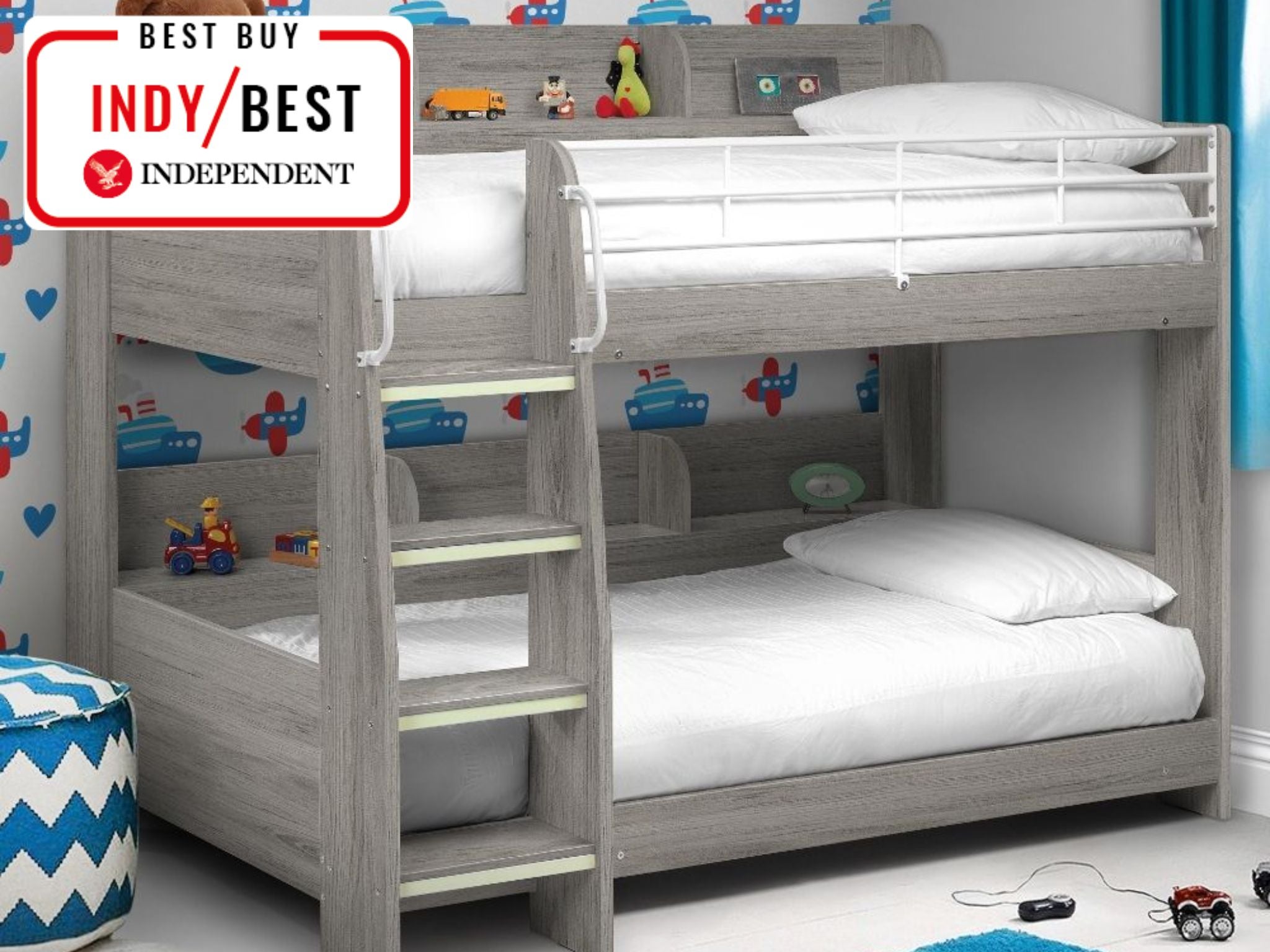
Choosing the right mattress for a bunk bed is important for comfort and safety. A good mattress supports the body well and fits the bed frame perfectly. It also lasts longer and provides better sleep quality. Many factors affect the choice, including mattress type, size, and material. Understanding these can help you pick the best mattress for your bunk bed.
Types Of Mattresses For Bunk Beds
Memory foam mattresses offer good support and reduce pressure points. They are lightweight and easy to move. Innerspring mattresses provide strong support with coils inside. They are firm but can be heavier. Hybrid mattresses combine foam and springs for comfort and support. They suit people who want both softness and firmness. Latex mattresses are durable and naturally hypoallergenic. They provide a firmer feel and good airflow. Each type has pros and cons depending on needs and preferences.
Size Considerations
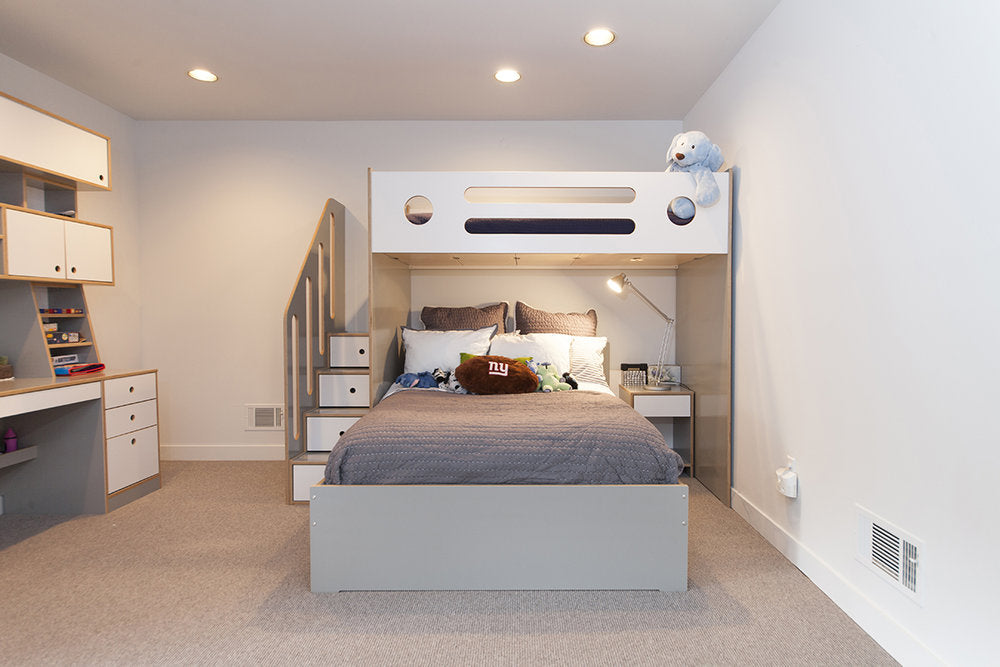
Bunk beds usually need twin or twin XL mattresses. Check the bed frame size before buying. A mattress too thick can be unsafe on the top bunk. Choose a mattress height of 6 to 8 inches for safety. Ensure the mattress fits snugly without gaps. Proper size prevents falls and improves comfort. Always measure the bunk bed frame carefully.
Material Options
Foam mattresses are soft and mold to the body shape. They are good for kids and adults who like softness. Innerspring mattresses have coils that provide firm support. They keep the mattress cool and stable. Latex is natural and resistant to dust mites. It is a good choice for allergy sufferers. Hybrid mattresses mix foam and coils for balanced comfort. Selecting the right material helps improve sleep quality and mattress life.

Credit: www.turmerry.com
Comfort Factors To Consider
Choosing the best bunk bed mattress means focusing on comfort. Comfort helps you sleep well and feel good. It depends on many small details. Knowing these details makes it easier to pick the right mattress. Comfort is not just about softness. It includes support, firmness, and how the mattress handles heat. These factors work together to give a good night’s rest.
Firmness Levels
Firmness affects how the mattress feels under your body. Some people like soft mattresses that hug their shape. Others prefer firm mattresses that hold the body up well. For bunk beds, medium firmness is often best. It balances softness and support. Too soft can cause sinking. Too firm can feel hard and uncomfortable.
Support And Pressure Relief
Good support keeps your spine straight during sleep. Pressure relief stops pain in shoulders, hips, and back. Mattresses with memory foam or latex often give better pressure relief. Springs can offer strong support but may need padding for comfort. A mattress that supports without pressure points helps prevent aches and pains.
Temperature Regulation
Temperature affects how well you sleep. Mattresses that trap heat can make you sweaty and restless. Look for mattresses with breathable materials. Gel-infused foam and open-cell structures help air flow. Natural fabrics like cotton and bamboo also cool better. A mattress that stays cool keeps you comfortable all night.
Safety And Durability
Choosing the right bunk bed mattress means focusing on safety and durability. These factors keep sleepers safe and ensure the mattress lasts long. A strong mattress supports weight without damage. Safe materials protect health. Easy care helps maintain comfort.
Weight Capacity
Check the mattress weight limit before buying. A mattress must hold the heaviest user safely. Bunk beds need strong support for upper and lower beds. Mattresses with higher weight capacity offer better stability. Avoid mattresses that feel weak or sag easily.
Non-toxic Materials
Safe mattresses use non-toxic, chemical-free materials. These materials reduce risks of allergies and breathing problems. Look for mattresses labeled as hypoallergenic or made with organic fabrics. Avoid mattresses with strong chemical smells. Healthy materials protect children and adults alike.
Longevity And Maintenance
Durable mattresses last many years without losing comfort. Choose mattresses with strong stitching and quality foam or springs. Easy-to-clean covers improve hygiene and extend mattress life. Regularly clean and air the mattress to keep it fresh. A well-maintained mattress stays safe and comfortable longer.
Credit: casakids.com
Top Mattress Picks For 2026
Choosing the right mattress for a bunk bed can improve sleep quality and comfort. The best mattress fits the bed frame and suits the sleeper’s needs. In 2026, mattress options have grown with many good picks. This guide highlights top mattresses for different needs and budgets.
Best Overall Mattress
The best overall mattress balances comfort, support, and price. It fits most bunk beds and suits all ages. This mattress uses quality foam layers that adapt to the body. It stays cool and resists sagging. Its medium-firm feel suits side and back sleepers well.
Best Budget Option
For those on a tight budget, this mattress offers good value. It uses high-density foam for support and comfort. The cover is soft and breathable. It fits standard bunk bed sizes and is lightweight. This mattress is a smart choice without sacrificing quality.
Best For Kids
This mattress is designed for children’s safety and comfort. It is hypoallergenic and resistant to dust mites. The mattress is firm to support growing bodies. It has a washable cover for easy cleaning. Parents can trust this mattress for healthy sleep.
Best Memory Foam Mattress
Memory foam mattresses contour to the body for pressure relief. This model uses high-quality foam that stays cool. It reduces motion transfer, ideal for shared bunk beds. The mattress is durable and retains shape over time. Perfect for those who want extra comfort.
Frequently Asked Questions
What Mattress Size Fits Standard Bunk Beds?
Standard bunk beds typically fit twin-size mattresses. The dimensions are usually 38 by 75 inches. Always measure your bunk bed frame before purchasing. This ensures the mattress fits properly and provides comfort and safety for the sleeper.
Which Mattress Type Is Best For Bunk Beds?
Memory foam and innerspring mattresses are popular for bunk beds. Memory foam offers comfort and pressure relief. Innerspring mattresses provide good support and durability. Choose a mattress with medium firmness for optimal comfort and support.
How Thick Should A Bunk Bed Mattress Be?
A bunk bed mattress should be 6 to 8 inches thick. This thickness balances comfort and safety, preventing falls from the top bunk. Thicker mattresses may reduce guardrail effectiveness, while thinner ones might lack comfort.
Are Hypoallergenic Mattresses Good For Bunk Beds?
Yes, hypoallergenic mattresses are ideal for bunk beds. They reduce allergens like dust mites and mold. This is especially important in shared or children’s rooms. Hypoallergenic options promote healthier sleep environments for sensitive sleepers.
Conclusion
Choosing the best bunk bed mattress means balancing comfort and safety. A good mattress supports the body and fits the bed size well. Think about firmness and material to match sleep needs. Always check for certifications to ensure quality. Remember, a proper mattress helps kids sleep soundly and grow healthy.
Sleep matters. Choose wisely.