
Where you place your bedroom furniture can change how your space feels and functions. Imagine waking up in a room that instantly makes you feel calm and energized.
That’s the power of smart furniture placement. If you’ve ever felt frustrated by a cramped or cluttered bedroom, this guide is for you. You’ll discover simple tips to arrange your bed, dresser, and nightstands in ways that make your room more comfortable and inviting.
Keep reading to unlock the secrets of creating a bedroom that truly works for you.
Choosing The Right Bed Position
Choosing the right bed position is key to a comfortable bedroom. The bed is the largest piece of furniture. Its placement shapes the room’s flow and feel. A well-placed bed boosts rest and makes the room inviting. Think about space, light, and privacy for best results.
Considering Room Size And Shape
Start with the room’s size and shape. A small room needs careful bed placement to avoid crowding. Place the bed where it fits without blocking doors or windows. In large rooms, the bed can be the room’s focus. Center it on a main wall or under a window. Square rooms allow more options. Narrow rooms need the bed along the longer wall.
Maximizing Natural Light
Natural light brightens the bedroom and lifts mood. Place the bed near a window but not directly in front. This avoids glare and keeps the bed cozy. East-facing windows bring morning sun, great for early risers. West-facing light is softer in the evening. Avoid blocking light with heavy furniture. Let sunlight fill the room without disturbing sleep.
Balancing Privacy And Accessibility
Privacy is important for rest and relaxation. Position the bed away from the door’s direct line. This gives a sense of security and calm. Make sure the bed is easy to reach from both sides. Avoid tight spaces that limit movement. Keep the bed near power outlets for lamps or charging devices. This balance creates a peaceful and practical bedroom.
Arranging Nightstands And Dressers
Arranging nightstands and dressers in the bedroom shapes the room’s look and feel. Proper placement helps with both style and daily use. It creates balance and makes the space comfortable. Each piece should fit the room’s flow and your needs.
Symmetry Vs. Asymmetry
Symmetry means placing nightstands or dressers evenly on both sides of the bed. This setup feels calm and neat. It suits traditional or simple bedroom styles. Asymmetry places different furniture or sizes on each side. It adds interest and feels more casual. Both ways work well. Choose what fits the room and your taste.
Optimizing Storage And Function
Nightstands hold lamps, books, and small items. Dressers store clothes and larger things. Place them close to where you need items most. Keep daily items easy to reach. Avoid crowding the room with too much furniture. Use vertical space on dressers for extra storage. This keeps the room tidy and useful.
Maintaining Clear Pathways
Clear paths help you move safely and freely. Leave enough space between furniture pieces. Avoid blocking doors or windows. Nightstands and dressers should not make the room feel tight. Measure the room before placing big items. This prevents bumping and keeps the room open. A good flow makes the bedroom relaxing.
Placing Seating And Accent Pieces
Placing seating and accent pieces in the bedroom adds comfort and style. These pieces create extra spots to relax and make the room feel inviting. Choosing the right spots for chairs, benches, or small tables helps the space look balanced and cozy.
Creating Cozy Corners
Choose quiet spots for seating to form cozy corners. A soft chair by a window invites reading or resting. Use a small side table for books or a cup of tea. Add a floor lamp for soft lighting. These corners offer a peaceful retreat inside the bedroom.
Avoiding Clutter
Keep seating and accents simple to avoid clutter. Do not crowd the room with too many pieces. Leave enough space around furniture for easy movement. Pick pieces that serve a purpose and fit the room size. Clear floors and tidy surfaces make the bedroom feel calm.
Enhancing Room Flow
Place seating where it does not block paths. Arrange chairs and benches to keep walkways open. Position accent pieces to guide the eye smoothly through the room. Balance furniture on both sides for harmony. Good flow makes the bedroom feel larger and more relaxing.

Credit: durhamfurnitureblog.wordpress.com
Utilizing Wall Space And Corners
Utilizing wall space and corners in your bedroom can make the room feel bigger and more organized. These areas often get ignored, but they offer great spots for furniture and storage. Thoughtful placement helps keep the floor clear and the room inviting.
Incorporating Shelves And Hooks
Wall shelves create extra storage without taking floor space. Use them to hold books, plants, or decor. Hooks are perfect for hanging bags, hats, or clothes. Place them near the door or bed for easy access.
Fitting Furniture Into Corners
Corners are ideal for small pieces like nightstands or chairs. Corner shelves or desks fit well too. These spots often go unused but can hold useful furniture without crowding the room.
Enhancing Visual Balance
Balance the room by spreading furniture along walls and corners. Avoid clustering too much in one place. Balanced space feels calm and comfortable. Use matching pieces or colors to create harmony.
Incorporating Lighting And Accessories
Lighting and accessories bring life to your bedroom. They create mood and add style. Thoughtful placement can make your space cozy and practical.
Choosing the right spots for lamps and decor helps you use the room better. It also highlights your furniture and personal taste. Let’s explore simple ways to add lighting and accessories.
Positioning Lamps For Functionality
Place lamps near beds for easy reading. Bedside tables work well for this. Use lamps with adjustable brightness for comfort.
Floor lamps suit corners where overhead light is weak. They brighten dark spots and save space. Keep lamps within reach to avoid fumbling in the dark.
Highlighting Key Areas
Use spotlights or small lamps to draw attention to art or shelves. Lighting creates focus and adds depth. It makes the room feel dynamic and inviting.
Soft lighting works well near mirrors and dressers. It helps with grooming and adds warmth. Avoid harsh lights that cause glare.
Complementing Furniture Layout
Match lamp size to furniture scale. Large lamps suit big nightstands; small lamps fit compact spaces. Balanced lighting supports a neat, organized look.
Accessories like rugs and cushions should fit the room’s color and style. They add texture and personality without crowding. Keep pathways clear for easy movement.
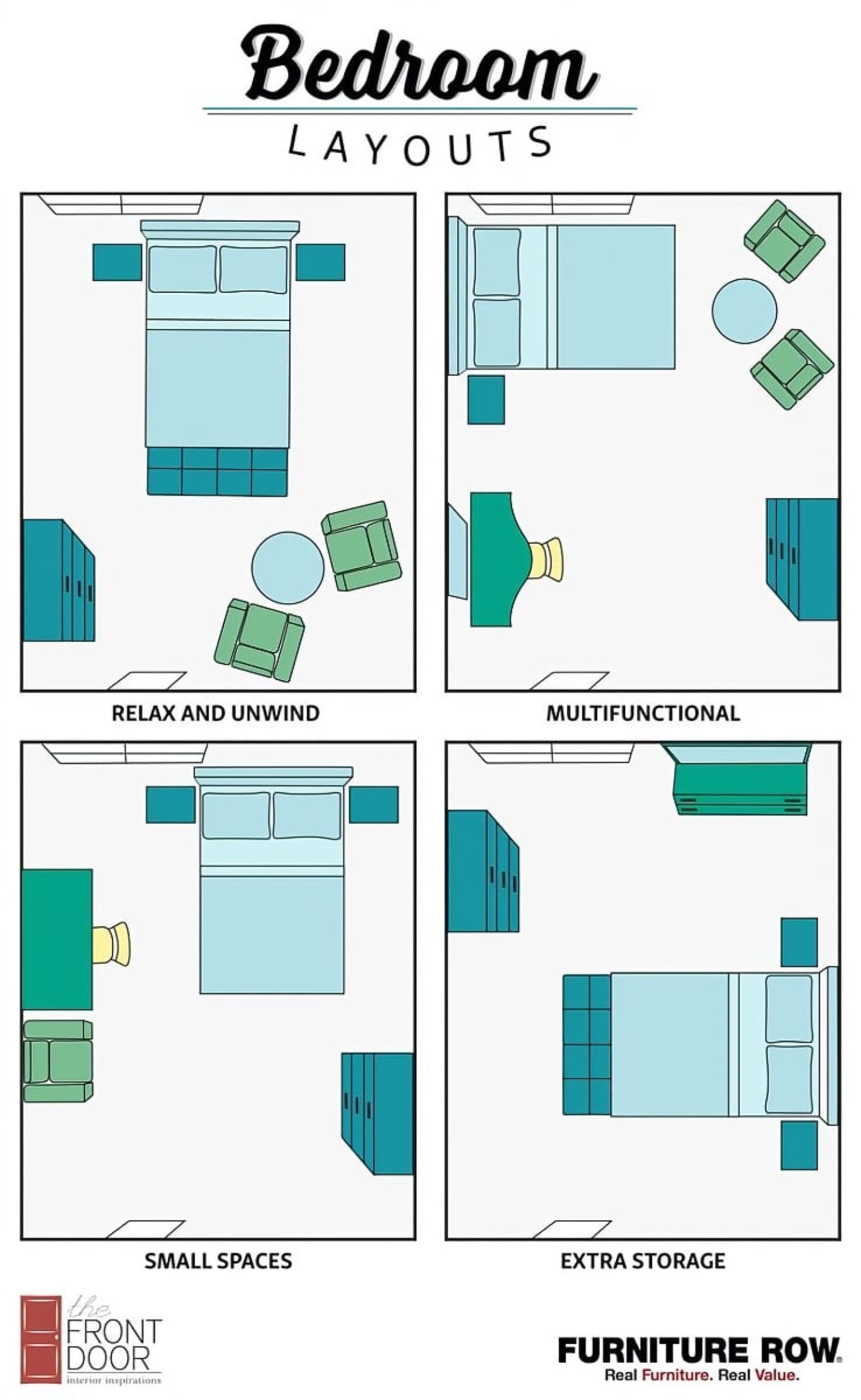
Credit: www.furniturerow.com
Adapting Layouts For Different Room Types
Adapting bedroom furniture layouts depends on room size and function. Each room type needs a unique approach. Small bedrooms require space-saving ideas. Master suites allow for more freedom. Shared spaces must balance comfort and privacy. Understanding these differences helps create cozy, practical bedrooms.
Small Bedrooms
Small bedrooms need smart furniture placement. Place the bed against the longest wall. Use vertical storage to save floor space. Avoid bulky furniture that blocks movement. Mirrors help make the room feel bigger. Keep pathways clear for easy access.
Master Suites
Master suites offer more space for furniture. Position the bed as the room’s focal point. Add nightstands on both sides for balance. Include a seating area if space allows. Use rugs to define different zones. Keep enough space for walking around.
Shared Spaces
Shared bedrooms need thoughtful layout planning. Separate each person’s space with furniture or rugs. Use beds with built-in storage to reduce clutter. Place desks or dressers in corners. Make sure both sides have access to light. Maintain open areas for easy movement.
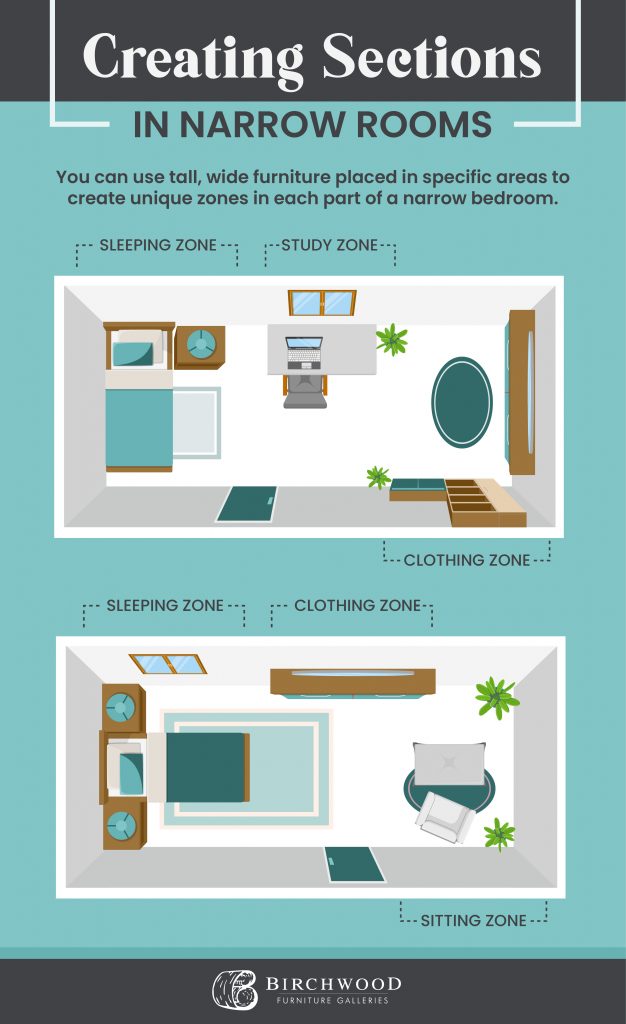
Credit: birchwoodfurniture.ca
Frequently Asked Questions
Where Is The Best Place To Put A Bed In A Bedroom?
The best place to position a bed is against the longest wall without windows. This maximizes space and creates a focal point. Avoid placing the bed directly under a window to reduce drafts and noise disturbances.
How Should I Arrange Bedroom Furniture For Small Rooms?
In small bedrooms, place large furniture against walls to open floor space. Use multi-functional pieces like storage beds. Keep pathways clear for easy movement and avoid overcrowding to maintain a spacious feel.
Where To Position A Dresser In The Bedroom?
Position the dresser against a free wall, ideally opposite or adjacent to the bed. Ensure it doesn’t block windows or doors. This placement allows easy access to clothing and maintains room balance.
Should Bedroom Furniture Face The Door Or Window?
Furniture should generally face the bedroom door to create a welcoming layout. Avoid placing the bed directly in line with the door, but facing it can enhance comfort and security.
Conclusion
Placing bedroom furniture well makes your room feel calm and cozy. Choose spots that let light in and keep space open. Think about how you move around the room every day. Keep big pieces away from doors and windows. Small touches like a nightstand near the bed help a lot.
These simple steps make your bedroom a nice place to rest. A good layout helps you relax and sleep better each night. Try arranging furniture to fit your style and needs. Your bedroom can be both pretty and practical.


