When it comes to choosing outdoor furniture, durability is probably at the top of your list. You want pieces that can stand up to sun, rain, and changing seasons without losing their charm.
But which wood is truly tougher: teak or acacia? Both are popular choices, but knowing which one fits your needs can save you time, money, and frustration down the road. Keep reading, and you’ll discover the strengths and weaknesses of each wood, helping you make the smartest decision for your outdoor space.
Teak Wood Characteristics
Teak wood is a popular choice for outdoor furniture. It stands out for its strength and long-lasting quality. Many people prefer teak because it handles outdoor conditions well. Its natural properties make it resistant to damage from sun and rain. This wood ages beautifully and keeps its charm over time.
Understanding teak’s features helps decide if it suits your outdoor space. It has unique traits that affect durability and care. Let’s explore these key characteristics.
Natural Oils And Weather Resistance
Teak contains natural oils that protect it from moisture. These oils stop water from soaking into the wood. Because of this, teak resists rot and decay better than many woods. It also stands strong against insects and fungi. This natural protection reduces damage caused by weather. Teak furniture can stay outside without losing strength quickly.
Grain And Texture
Teak has a straight, tight grain that looks smooth and neat. The texture feels dense and firm, giving it a solid appearance. This tight grain helps teak resist cracks and splits. The wood’s color ranges from golden brown to darker shades. Over time, it can turn a lovely silver-gray if left untreated. This change adds a natural, aged look many find attractive.
Maintenance Needs
Teak requires less maintenance than many other woods. Its oils reduce the need for frequent sealing or staining. Cleaning teak furniture is simple with mild soap and water. To keep its golden color, occasional oiling is helpful. Without oil, teak will develop a silver-gray patina. This look is natural and does not harm the wood. Regular care can extend the life of teak furniture for many years.

Credit: belleze.com
Acacia Wood Features
Acacia wood is a popular choice for outdoor furniture. It offers a mix of beauty and strength. This wood comes from fast-growing trees found in many parts of the world. Acacia is known for its unique grain and rich color. It can last long if cared for properly. Understanding its features helps decide if it fits your outdoor needs.
Durability And Hardness
Acacia wood is hard and dense. It resists scratches and dents better than many woods. This makes it good for outdoor use. It handles weather changes well but is not as strong as teak. Moisture can cause problems if the wood is not sealed. Still, acacia lasts for years with the right protection.
Appearance And Finish
Acacia has a warm, rich color that ranges from light brown to dark reddish hues. Its grain patterns are often wavy or straight, giving each piece a unique look. The wood takes stains and finishes nicely. A smooth, polished surface enhances its natural beauty. Over time, it develops a soft patina that adds character.
Care And Upkeep
Acacia furniture needs regular care to stay beautiful. Clean with mild soap and water to remove dirt. Avoid harsh chemicals that can damage the wood. Applying a protective oil or sealant twice a year helps prevent drying and cracking. Cover furniture during heavy rain or winter to extend its life. Simple care keeps acacia strong and looking great.
Resistance To Outdoor Elements
Outdoor furniture faces many challenges from weather and nature. Choosing wood that stands strong against these elements is important. Both teak and acacia are popular choices. Understanding their resistance to outdoor elements helps you pick the best wood for lasting durability.
Moisture And Rot Resistance
Teak wood has natural oils that repel water. This makes it highly resistant to moisture and rot. It does not absorb water easily, preventing decay and swelling. Acacia is also water-resistant but less than teak. It can handle wet conditions but may need sealing to avoid rot over time.
Uv And Sunlight Exposure
Teak maintains its color and strength under strong sunlight. It resists UV rays better than most woods. Acacia darkens with sun exposure and may fade faster. Both woods benefit from occasional oiling to protect their surface from sun damage.
Pest And Insect Resistance
Teak contains natural chemicals that deter insects and pests. This lowers the risk of damage and infestation. Acacia is moderately resistant but might attract bugs in some climates. Treating acacia with protective finishes can improve its pest resistance.
Longevity And Wear Over Time
Outdoor furniture faces sun, rain, and wind every day. Its ability to last depends on the wood type. Teak and acacia are popular choices. Both have strong points for lasting long outdoors. Understanding their longevity and wear helps make smart furniture choices.
Aging And Patina Development
Teak ages by developing a smooth, silver-gray patina. This natural change adds charm and protects the wood. Acacia also changes color but can darken unevenly. The patina on acacia may need more care to keep its look. Teak’s aging is slow and steady, making it easier to maintain.
Structural Integrity
Teak has natural oils that resist rot and insects. This keeps it strong for many years. Acacia is dense and tough but less oily. It can absorb water if not sealed well. Over time, teak maintains its shape better outdoors. Acacia may need more frequent sealing to avoid damage.
Common Wear Issues
Teak rarely cracks or warps due to its oils. Scratches on teak tend to be less visible. Acacia can show scratches and dents more clearly. Without proper care, acacia may develop surface cracks. Both woods can fade under intense sun but teak fades more evenly.
Cost And Value Comparison
Choosing outdoor furniture means thinking about cost and value. Both teak and acacia have different price points and benefits. Understanding these helps you pick the best wood for your budget and needs.
Initial Investment
Teak wood is usually more expensive at first. It has natural oils that protect it from water and bugs. This makes it a popular choice for outdoor use. Acacia costs less but still looks good. It needs more care to last longer outdoors.
Long-term Value
Teak holds value well over time. It can last for decades with little damage. Acacia may wear out faster, needing repairs or replacement. Spending more on teak can save money later. Acacia offers a budget-friendly option but may cost more in upkeep.
Availability And Sourcing
Teak is harder to find and often imported. This can raise its price and affect delivery times. Acacia is more common and grows faster. This makes it easier to source and usually cheaper. Choosing local acacia supports sustainable practices and reduces shipping impact.
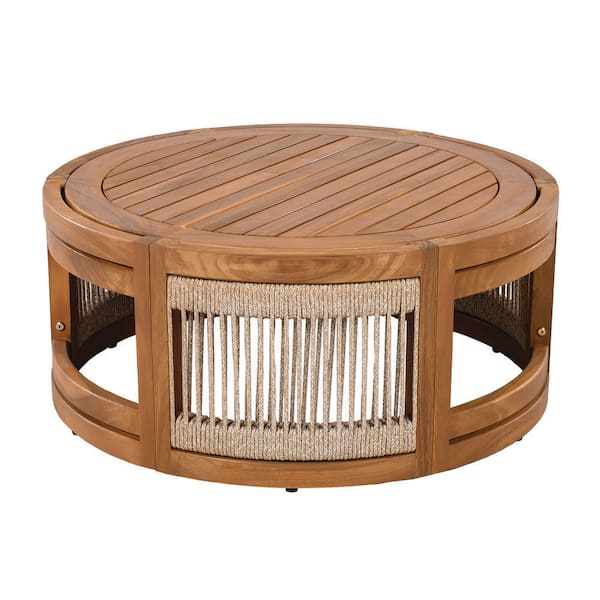
Credit: www.homedepot.com
Environmental Impact
Choosing outdoor furniture means thinking about the environment. Wood types like teak and acacia affect nature in different ways. Understanding their impact helps make better choices for a greener planet.
Sustainability Of Teak
Teak grows slowly and needs tropical forests. Many teak sources come from plantations, not wild forests. This helps reduce cutting natural trees. Some teak comes from illegal logging, which harms ecosystems. Certified teak ensures responsible harvesting and forest care. Sustainable teak supports wildlife and soil health.
Sustainability Of Acacia
Acacia trees grow fast and adapt to many climates. They often come from managed farms that plant new trees. This quick growth means less pressure on forests. Acacia wood use helps stop deforestation in some areas. It also improves soil by fixing nitrogen. Choosing acacia from certified sources supports forest renewal.
Eco-friendly Practices
Both teak and acacia benefit from eco-friendly farming. Using less water and avoiding chemicals protects the land. Replanting trees after harvest keeps forests healthy. Local sourcing reduces carbon emissions from transport. Recycling wood waste lowers environmental harm. Look for certifications like FSC to ensure green practices.
Choosing Based On Style And Design
Choosing the right wood for outdoor furniture depends on style and design. Both teak and acacia offer unique looks and features. Understanding their design qualities helps match furniture to your outdoor space. Style matters as much as durability in making the best choice.
Aesthetic Appeal
Teak has a rich golden brown color that ages well. It develops a silver-gray patina over time, adding charm. Acacia shows a darker, reddish tone with visible grain. It looks warm and natural. Both woods bring a classic, elegant feel to outdoor furniture.
Versatility In Outdoor Settings
Teak fits well in modern and traditional settings. Its smooth finish blends with many decor styles. Acacia offers a rustic, casual look perfect for relaxed spaces. It works great in gardens or patios with natural elements. Both woods adapt well but create different atmospheres.
Customization Options
Teak is easy to shape and polish into sleek designs. It accepts stains and oils that highlight its grain. Acacia allows for creative carving and varied finishes. You can paint or stain it to match your theme. Both woods offer ways to personalize furniture style.

Credit: www.hineighbor.com
Final Durability Verdict
Choosing between teak and acacia for outdoor furniture depends on durability needs. Both woods offer strength and beauty but differ in lifespan and care. Understanding their durability helps in picking the right wood for your space.
Best Use Cases For Teak
Teak is known for its long-lasting durability. It resists water, insects, and decay naturally. Ideal for areas with heavy rain or sun exposure. Perfect for outdoor furniture that stays outside all year. Requires less maintenance to keep its quality. Great choice for decks, patios, and poolside seating.
Best Use Cases For Acacia
Acacia is strong but needs more care than teak. It works well in covered outdoor spaces like porches or gazebos. Best for furniture that stays under shade or is stored during bad weather. Affordable option for stylish outdoor settings. Treating acacia wood regularly extends its life. Suitable for casual outdoor dining sets and benches.
Making The Right Choice
Consider how much time furniture spends outside. Think about climate and weather conditions. Teak fits harsh environments with little upkeep. Acacia fits mild conditions with some care. Budget also plays a key role in decision. Both woods look great but durability varies. Choose wood that matches your outdoor lifestyle and care ability.
Frequently Asked Questions
Which Wood Lasts Longer Outdoors, Teak Or Acacia?
Teak is generally more durable outdoors due to its natural oils and dense grain. It resists moisture, insects, and decay better than Acacia. Acacia is still durable but requires more maintenance to withstand weather conditions over time.
Is Teak Or Acacia Better For Weather Resistance?
Teak is superior in weather resistance because of its natural oils. It handles rain, sun, and humidity without warping or cracking. Acacia can resist weather but needs regular sealing to maintain its strength and appearance.
How Does Maintenance Differ Between Teak And Acacia?
Teak requires minimal maintenance; it ages gracefully with a natural silver patina. Acacia needs frequent oiling and sealing to prevent drying and cracking. Proper care extends Acacia’s life but demands more effort compared to teak.
Which Wood Is More Insect Resistant, Teak Or Acacia?
Teak is more insect resistant due to its natural oils and tight grain structure. Acacia can be susceptible to insect damage if not properly treated or maintained. Regular treatment helps protect Acacia from pests.
Conclusion
Teak and acacia both offer strong options for outdoor furniture. Teak lasts longer and resists weather well. Acacia is affordable and looks beautiful but needs more care. Choose teak for durability and less maintenance. Pick acacia if you want style on a budget.
Both woods can enhance your outdoor space. Think about your needs and climate before deciding. Either way, your furniture can stay sturdy and attractive.