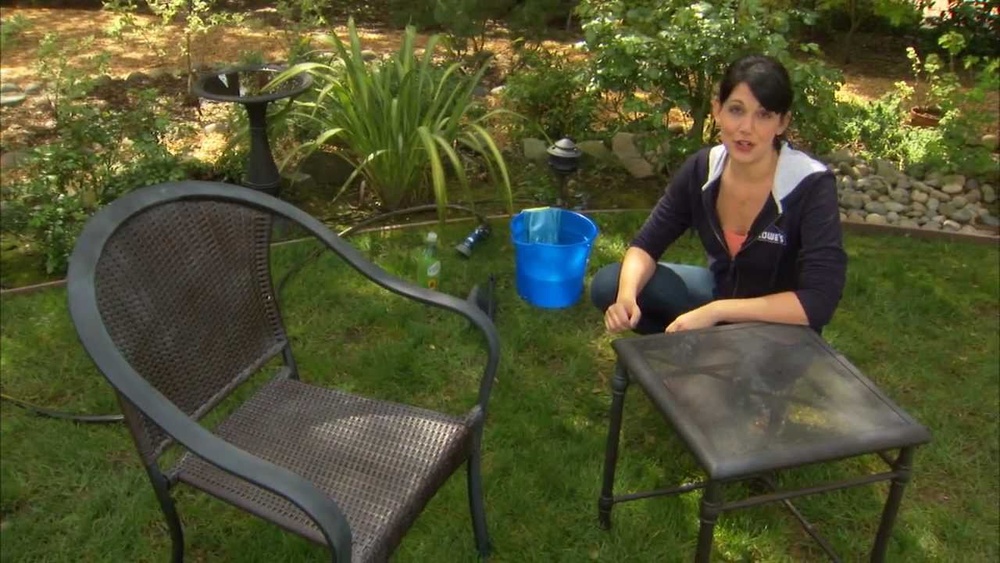
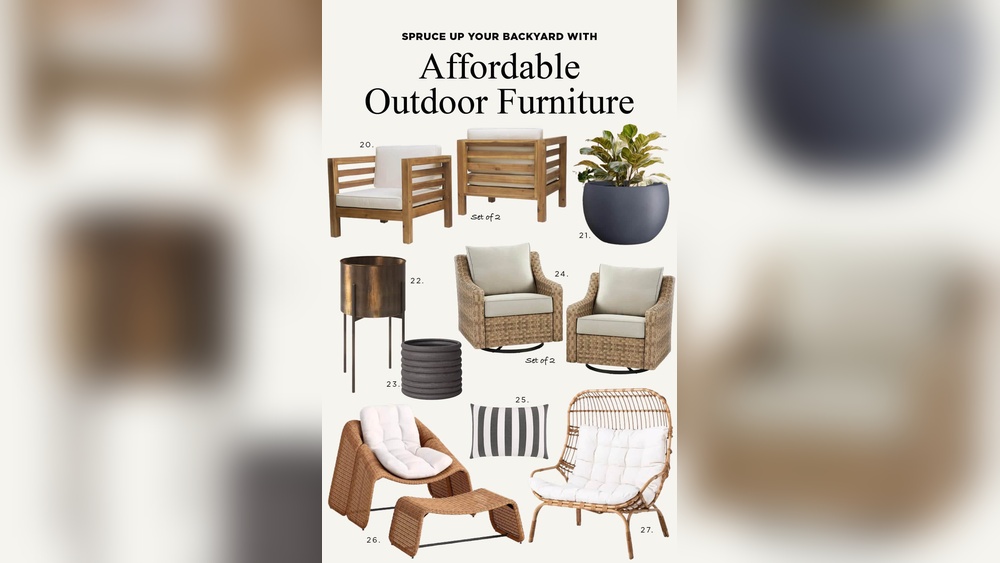
Are you wondering if you can take your favorite indoor furniture and make it safe for outdoor use? Maybe you have a beautiful chair or table that you don’t want to leave inside but worry about weather damage.
The good news is, with some simple steps, you can protect your indoor pieces and enjoy them outside without worry. Imagine relaxing on your cozy sofa in the fresh air, knowing it’s safe from rain, sun, and wear. Keep reading to discover easy tips that will help you transform your indoor furniture into outdoor-ready treasures.

Credit: tovfurniture.com
Choosing The Right Furniture
Choosing the right furniture is the first step to making indoor pieces safe for outdoor use. Not all furniture can handle outdoor conditions. Some materials last longer outside. Others may get damaged quickly by sun, rain, or wind.
Think about the place where you want to put the furniture. Also, consider how much care the furniture will need. Picking the right piece saves time and money. It keeps your outdoor space looking nice for a long time.
Materials That Withstand Weather
Furniture made of certain materials can resist weather better. Teak wood is strong and does not rot easily. Metal frames made of aluminum or stainless steel resist rust. Plastic and synthetic wicker dry fast and do not fade. Avoid soft woods and untreated metals. They can crack, warp, or rust outside.
Identifying Indoor Furniture Suitable For Outdoors
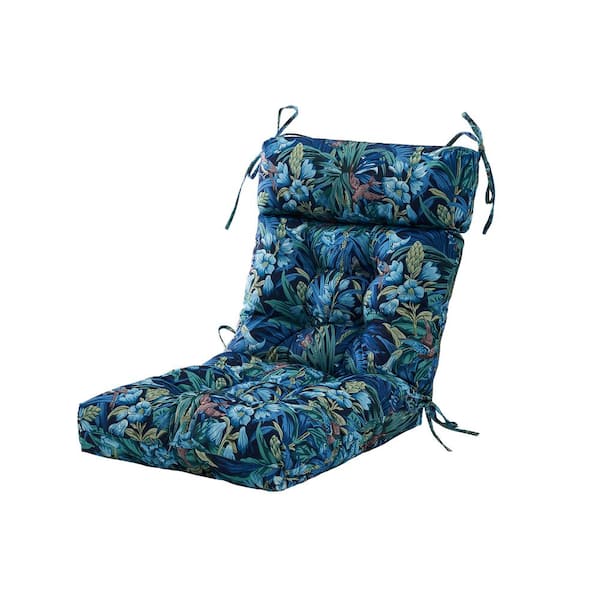
Some indoor furniture can work outdoors with care. Look for pieces with dense wood or metal parts. Furniture with removable cushions is easier to protect. Check if the fabric is thick and water-resistant. Avoid furniture with delicate finishes or soft fabrics. These can wear out quickly in the sun or rain.
Credit: www.homedepot.com
Preparing Furniture For Outdoor Use
Preparing indoor furniture for outdoor use takes some effort. The goal is to protect it from weather damage. Proper preparation helps the furniture last longer outside. It also keeps the furniture looking good and safe to use.
Cleaning And Repairing Surfaces
Start by cleaning the furniture thoroughly. Remove dust, dirt, and any sticky spots. Use mild soap and water for wooden or metal surfaces. Dry the furniture completely before moving to the next step.
Check the furniture for any damage. Fix loose joints or broken parts carefully. Use wood glue or screws to strengthen weak areas. Repair small cracks or holes with filler or putty. Clean and repair make the surface ready for protection.
Sanding And Smoothing Imperfections
Lightly sand the furniture to smooth rough spots. Use fine-grit sandpaper to avoid damage. Sanding helps paint or sealant stick better. Focus on edges and surfaces with chipped paint or roughness.
After sanding, wipe off dust with a damp cloth. A smooth surface improves protection and appearance. This step is important for lasting outdoor use.
Protective Coatings And Sealants
Protective coatings and sealants help indoor furniture survive outdoor use. They act as a shield against water, sun, and dirt. These products extend the life of your furniture. They keep wood, metal, and fabric looking good. Applying the right coating makes indoor pieces weather-resistant. This step is vital for safe outdoor use.
Types Of Outdoor Sealants
Sealants come in many forms, each for different materials. Clear sealants keep the natural look of wood. They protect against moisture and stains. Paint-on sealants add color and protection. Some sealants are thick and form a hard shell. Others soak into the surface for deep protection. Choose a sealant based on your furniture’s material and exposure.
Applying Waterproof Coatings
Waterproof coatings stop water from damaging furniture. They prevent swelling, warping, and mold. Clean the furniture well before applying. Use a brush or spray for even coverage. Let the coating dry fully between layers. Two or three coats usually work best. Check the product instructions for specific tips. Waterproof coatings create a strong barrier against rain and spills.
Using Uv-resistant Finishes
UV-resistant finishes block harmful sun rays. They stop colors from fading and wood from cracking. These finishes keep furniture looking new longer. Apply UV finish after waterproof coating for best results. Reapply every year for continued protection. UV finishes work well on plastic, wood, and metal. They guard your furniture from sun damage all season.
Maintaining Furniture Outdoors
Maintaining furniture outdoors helps keep it strong and looking good. Outdoor conditions like sun, rain, and dust can damage furniture fast. Simple care steps can protect your pieces and extend their life. Small efforts make a big difference in keeping your furniture safe for outdoor use.
Regular Cleaning Tips
Clean your furniture often to remove dirt and dust. Use a soft brush or cloth for gentle cleaning. Mild soap and water work well on most materials. Avoid harsh chemicals that can wear out finishes. Dry furniture fully after cleaning to stop mold and mildew.
Seasonal Maintenance Practices
Check your furniture at the start of each season. Look for cracks, chips, or loose parts. Tighten screws and fix small damages quickly. Apply protective sprays or sealants to guard against weather. Refresh cushions and fabrics to keep them fresh and strong.
Storage Solutions During Harsh Weather
Store furniture indoors during extreme cold or storms. Use waterproof covers if indoor storage is not possible. Keep pieces off the ground to avoid moisture damage. Choose a dry, well-ventilated spot for storage. Proper storage prevents warping, rust, and fading over time.
Additional Weatherproofing Techniques
Making indoor furniture safe for outdoor use takes more than just a quick fix. Protecting it from weather damage requires extra steps. These methods help furniture last longer outside. They stop water, sun, and dirt from causing harm.
Using the right techniques can keep your furniture looking good. Small efforts make a big difference in outdoor durability. Below are two simple ways to add more protection.
Using Outdoor Covers
Outdoor covers shield furniture from rain and sun. They create a barrier against dust and dirt too. Covers made from waterproof fabric work best. Choose covers that fit snugly to avoid wind damage. Remove covers occasionally to let furniture breathe. This prevents mold and mildew from forming.
Elevating Furniture To Prevent Moisture Damage
Keeping furniture off the ground stops moisture from seeping in. Use small blocks or furniture risers under the legs. Elevation helps air flow beneath the pieces. This reduces the chance of wood rot and rust. Elevating also keeps furniture cleaner by avoiding dirt splash.
Common Mistakes To Avoid
Making indoor furniture safe for outdoor use needs care. Many people make simple mistakes that harm the furniture. Avoiding these errors can save time and money. It also keeps your furniture looking good for longer.
Skipping Surface Preparation
Surface preparation is the first important step. Dirt, grease, and old finishes can stop new coatings from sticking. Sanding the surface helps the paint or finish grip better. Clean the furniture well before starting any work. Skipping this step causes peeling and chipping outside.
Using Indoor Paints Or Finishes Outdoors
Indoor paints and finishes are not made for weather. They can fade, crack, or peel when exposed to sun or rain. Outdoor paints and finishes have special ingredients for protection. Use only products labeled for outdoor use. This choice helps your furniture last longer and stay beautiful.
Credit: www.walmart.com
Frequently Asked Questions
Can Indoor Furniture Be Weatherproofed For Outdoor Use?
Yes, indoor furniture can be weatherproofed using sealants and waterproof covers. Proper treatment protects against moisture, UV rays, and temperature changes, extending furniture life outdoors.
What Materials Make Indoor Furniture Suitable Outdoors?
Materials like treated wood, metal, and synthetic fibers become suitable after sealing or coating. Protective finishes prevent damage from rain, sun, and humidity.
How Often Should Indoor Furniture Be Maintained Outdoors?
Maintenance should occur every 3 to 6 months. Regular cleaning and reapplication of sealants help preserve furniture and prevent outdoor wear and tear.
Can Cushions From Indoor Furniture Be Used Outside?
Indoor cushions are not ideal outdoors unless covered with waterproof fabric. Use weather-resistant cushions or protective covers to avoid mold and fading.
Conclusion
Indoor furniture can become safe for outdoors with the right care. Use sealants and weatherproof covers to protect surfaces. Choose spots with shade to reduce sun damage. Regular cleaning stops dirt and moisture buildup. Small changes help furniture last longer outside.
Enjoy your favorite pieces in fresh air safely. Simple steps make a big difference over time. Take your time and maintain your furniture well. Safe outdoor use is possible with some effort.