Choosing the right outdoor furniture can change the way you enjoy your backyard, patio, or garden. You want pieces that are comfortable, durable, and match your style perfectly.
But with so many options out there, how do you know which outdoor furniture is best for you? This guide will help you make smart choices that fit your space and lifestyle. Keep reading to discover how to create your ideal outdoor retreat that you’ll love spending time in every day.
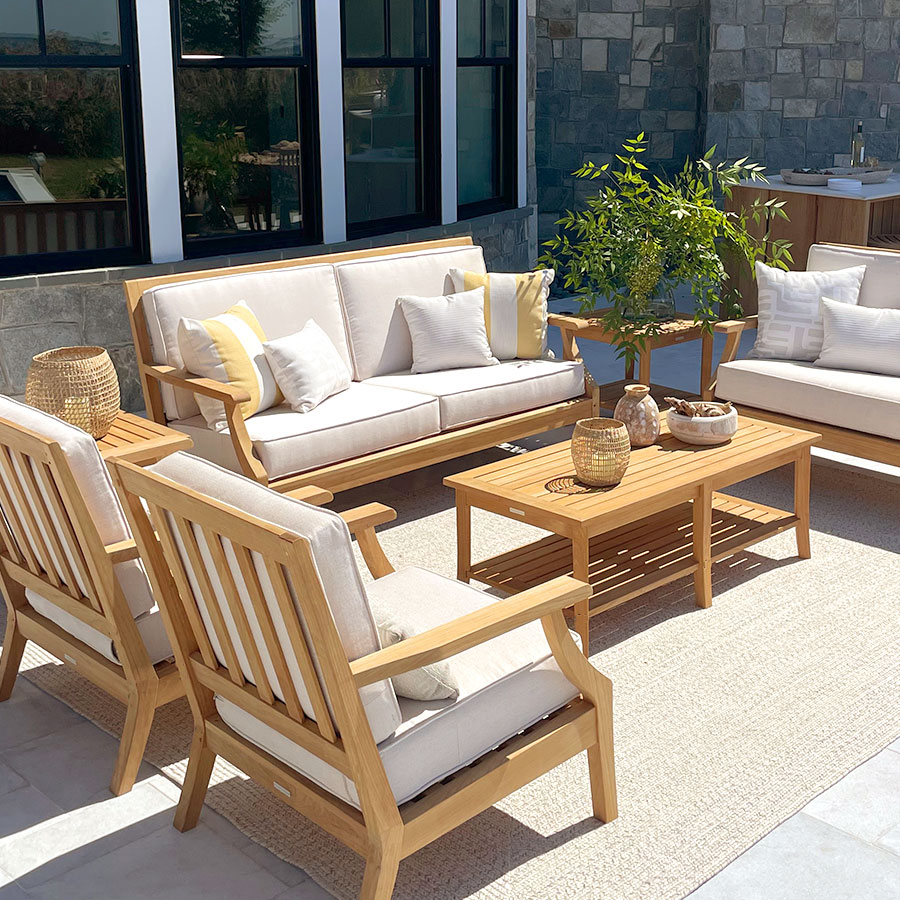
Credit: www.countrycasualteak.com
Choosing The Right Material
Choosing the right material for outdoor furniture matters a lot. It affects comfort, style, and how long the furniture lasts. Some materials suit certain weather better than others. Picking the right one helps your furniture stay beautiful and strong for years.
Wood Options
Wood gives a natural, warm look to any outdoor space. Teak is very strong and resists water well. Cedar and redwood also handle weather changes nicely. Wood needs regular care like sealing or oiling. This care keeps it from cracking or fading.
Metal Choices
Metal furniture looks modern and feels sturdy. Aluminum is light and does not rust. Steel is heavier and very strong but can rust without a protective coat. Wrought iron is classic but needs painting to stop rust. Metal holds up well to wind and sun.
Synthetic Materials
Synthetic furniture uses plastics and resins. It is easy to clean and very weatherproof. These materials do not fade or crack easily. They often look like wood or metal but weigh less. Synthetic options suit busy outdoor areas well.
Wicker And Rattan
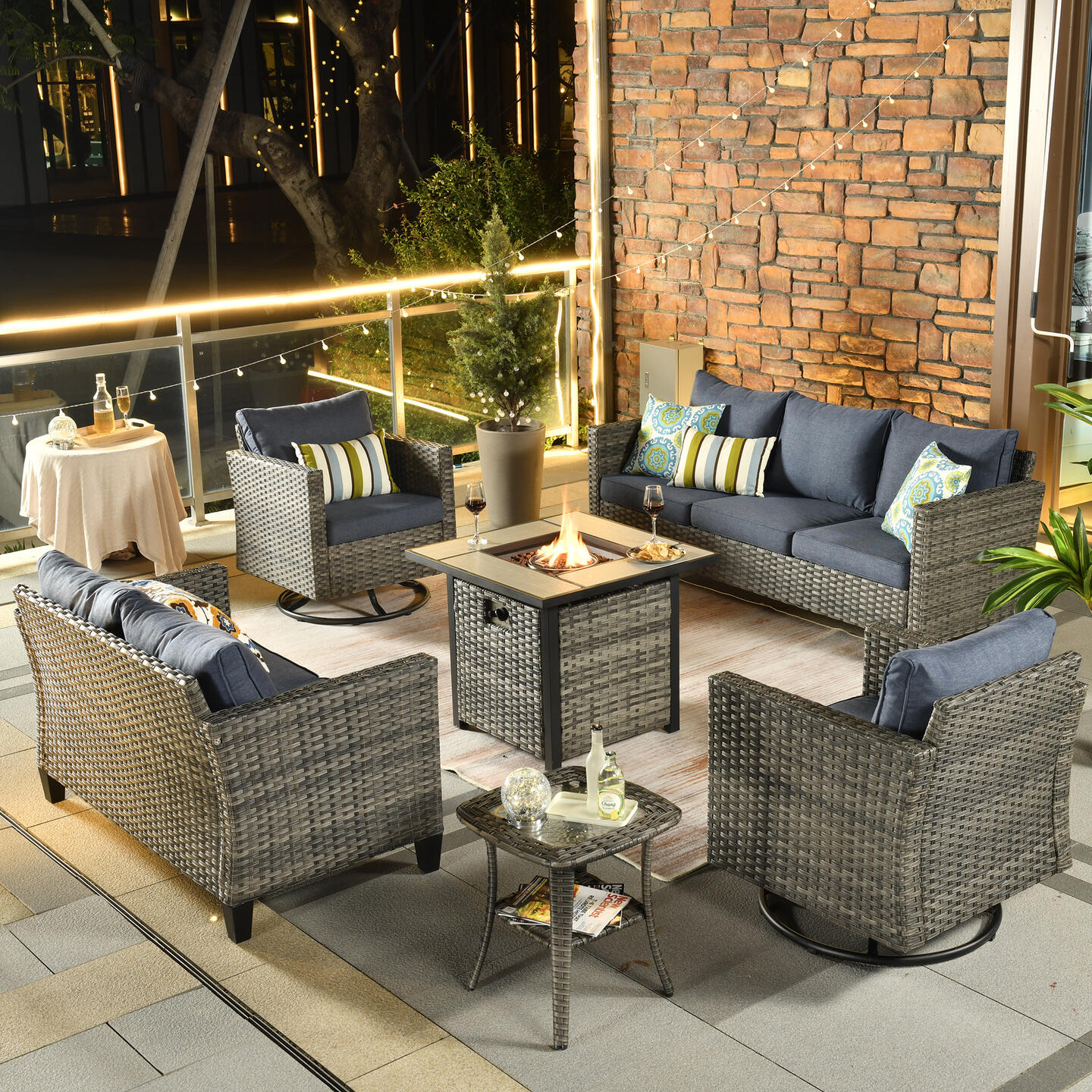
Wicker and rattan offer a cozy, casual feel. Natural rattan is light but not good in rain. Synthetic wicker is stronger and weather-resistant. It looks like real rattan but lasts longer outside. These materials fit patios and garden nooks perfectly.
Styles To Suit Your Space
Choosing the right outdoor furniture style helps create a space you enjoy. The style you pick sets the mood and fits your outdoor area. Each style offers unique looks and feels. Explore different styles to find one that matches your space perfectly.
Modern Designs
Modern outdoor furniture features clean lines and simple shapes. It often uses materials like metal and glass. This style fits well in urban patios or sleek gardens. Colors tend to be neutral or bold. It creates a fresh and uncluttered look.
Classic Looks
Classic outdoor furniture brings timeless charm. Wood and wrought iron are common materials. This style suits traditional gardens and porches. It adds elegance and comfort to your space. Soft cushions and detailed designs complete the look.
Rustic Appeal
Rustic furniture feels warm and natural. It uses wood, stone, and rough textures. This style blends well with nature and country settings. It creates a cozy, inviting outdoor spot. Weathered finishes add character and charm.
Bohemian Vibes
Bohemian outdoor furniture is colorful and eclectic. It mixes patterns, fabrics, and styles freely. This style fits creative, relaxed outdoor areas. It invites comfort and personal expression. Add cushions, rugs, and plants for a lively space.
Comfort Features To Consider
Choosing outdoor furniture means thinking about comfort first. Sitting outside should feel relaxing and cozy. Comfort features help make your outdoor space inviting. These features also ensure you enjoy long hours outside without discomfort. Consider these key comfort elements before buying.
Cushion Types
Cushions add softness to hard furniture. Foam cushions offer firm support and last long. Polyester cushions feel soft and dry quickly. Memory foam cushions shape to your body for extra comfort. Look for cushions with removable covers for easy cleaning.
Ergonomic Shapes
Ergonomic furniture fits the body’s natural curves. Chairs with curved backs support your spine well. Seats with angled backs reduce pressure on your legs. Armrests help you relax your shoulders. Choose shapes that let you sit comfortably for hours.
Adjustable Elements
Adjustable furniture allows you to change positions easily. Reclining chairs let you lean back to relax. Tables with adjustable height suit different needs. Footrests that move can relieve tired legs. Adjustable features customize comfort for everyone.
Weatherproof Fabrics
Outdoor furniture faces sun, rain, and wind. Weatherproof fabrics resist fading and moisture. Look for materials like solution-dyed acrylic or polyester. These fabrics dry fast and resist mold and mildew. Durable fabrics keep furniture comfortable and looking good longer.
Sizing And Layout Tips
Choosing the right size and layout for outdoor furniture is key. It helps create a comfortable and inviting space. Proper sizing avoids overcrowding and leaves enough room to move. Thoughtful layouts improve flow and function.
Consider your space carefully before buying furniture. Plan the layout to fit your lifestyle and needs. Use these tips to get started.
Measuring Your Area
Start by measuring the total outdoor space. Include patios, decks, or yards where you want furniture. Note any fixed features like steps or plants. Measure doorways and paths for easy access. Write down width and length in feet or meters.
Measure furniture pieces you like, too. Compare sizes to your space. Leave extra room for walking around furniture. Plan at least two feet of clearance between pieces. This prevents a crowded feel and allows easy movement.
Creating Functional Zones
Divide the area into zones for different activities. A dining zone for meals, a lounge zone for relaxing, and a play zone if you have kids. Use rugs or plant pots to mark areas. Group furniture by its purpose to make zones clear.
Keep zones balanced in size. Do not let one zone take all the space. Allow space for traffic flow between zones. This layout feels organized and easy to use.
Maximizing Small Spaces
Choose compact and multi-purpose furniture for small areas. Foldable chairs and tables save space when not in use. Use vertical space with shelves or hanging planters. Light-colored furniture opens up the space visually.
Arrange furniture close to walls or corners. This frees the center for movement. Keep pathways clear to avoid clutter. Small spaces can feel cozy and functional with smart layout.
Maintenance And Durability
Outdoor furniture needs care to last long and look good. Choosing durable materials is just the start. Proper maintenance keeps your furniture strong against sun, rain, and dust. It also helps avoid costly repairs.
Simple cleaning and smart protection extend the life of your outdoor pieces. Regular checks catch problems early. This way, your furniture stays fresh and inviting season after season.
Cleaning Tips
Dust and dirt can damage furniture over time. Use a soft brush or cloth to remove loose dirt. Mild soap and water work well for most materials. Avoid harsh chemicals that can harm finishes. Rinse with clean water and dry thoroughly to prevent mold and rust.
Protecting Against Weather
Sun and rain cause fading and wear. Cover furniture with waterproof covers when not in use. Move lightweight pieces indoors during storms. Apply protective sealants or paint to wood and metal surfaces. Shade umbrellas or awnings reduce sun damage.
Repair And Upkeep
Check furniture regularly for loose screws or cracks. Tighten screws and bolts to keep pieces stable. Sand rough wood spots and apply fresh stain or paint. Replace worn cushions and fabric to maintain comfort and style. Small fixes prevent bigger problems later on.
Budgeting For Outdoor Furniture
Setting a budget for outdoor furniture helps balance style and cost. It guides choices and avoids overspending. Knowing how much to spend can make shopping easier and more focused.
Outdoor furniture prices vary widely. Some pieces are cheap but less durable. Others cost more but last many years. Understanding these differences helps pick the best fit for your budget and needs.
Affordable Options
Look for furniture made from plastic or aluminum. These materials cost less and resist weather well. Simple designs often come at lower prices. Affordable sets can still look good and be useful.
Sales and discounts offer chances to save. Buying during off-season lowers prices. Consider second-hand items in good shape. Budget options let you enjoy outdoor space without spending much.
Investment Pieces
Some outdoor furniture costs more but offers high quality. Teak, wrought iron, and resin wicker last for years. These pieces stay strong through sun and rain. Investing in them reduces replacement needs.
Comfort and style also improve with better materials. Spending more upfront can mean less hassle later. Choose a few key items to upgrade your space smartly.
Cost Vs. Longevity
Cheaper furniture may wear out quickly. It might need repairs or replacement soon. Higher-priced items often last longer and save money over time.
Think about how often you use your outdoor furniture. If daily, choose durable pieces. For occasional use, budget options may be enough. Balance initial cost with how long the furniture will serve you.
Enhancing Outdoor Ambiance
Creating a cozy and inviting outdoor space depends on more than just furniture. Enhancing the ambiance shapes how you feel outside. Small touches turn a simple setup into a warm, relaxing retreat. This section explores easy ways to lift your outdoor area’s mood and style.
Adding Accessories
Accessories bring personality and comfort to outdoor furniture. Throw pillows add color and softness. Outdoor rugs define the seating area and add warmth. Blankets offer coziness on chilly evenings. Choose weatherproof materials to keep them fresh and durable. Accessories allow easy updates for changing seasons or trends.
Lighting Ideas
Lighting sets the mood after the sun goes down. String lights create a magical, soft glow. Solar lanterns are eco-friendly and easy to place. Candles add flickering warmth and charm. Path lights guide guests safely around your space. Mix different lights for depth and interest.
Incorporating Greenery
Plants make outdoor spaces lively and fresh. Potted plants fit small areas and add variety. Hanging planters save space and draw eyes upward. Shrubs or small trees provide shade and privacy. Choose plants that suit your climate and light conditions. Greenery helps blend furniture with nature.
;Resize=(920,575))
Credit: www.homedepot.com

Credit: www.castlery.com
Frequently Asked Questions
What Materials Are Best For Outdoor Furniture?
Teak, aluminum, and synthetic wicker are top outdoor furniture materials. They resist weather damage, require low maintenance, and last longer. Choose based on your climate and style preferences for durability and comfort.
How To Choose Outdoor Furniture For Small Spaces?
Select compact, foldable, or multi-functional pieces for small outdoor areas. Opt for lightweight materials and minimalist designs to maximize space and maintain comfort without overcrowding.
Which Outdoor Furniture Is Weather-resistant?
Furniture made from teak, aluminum, resin wicker, or plastic offers excellent weather resistance. These materials withstand rain, sun, and humidity while maintaining their appearance and structural integrity.
How To Maintain Outdoor Furniture Longevity?
Regularly clean furniture with mild soap and water. Apply protective coatings like sealants or covers. Store cushions indoors during harsh weather to prevent damage and extend furniture life.
Conclusion
Choosing the right outdoor furniture makes your space inviting and comfortable. Think about your needs, style, and budget carefully. Durable materials keep furniture looking good for years. Easy-to-clean pieces save time and effort. Small spaces benefit from compact, multi-use items.
Enjoy your outdoor area more with smart furniture choices. Take your time and pick what fits best. Your perfect outdoor setup awaits with thoughtful selection.