Are you looking to give your outdoor wicker furniture a fresh, lasting look? Choosing the right paint can make all the difference between a quick fix and a durable transformation.
You want a finish that not only looks great but also stands up to sun, rain, and changing seasons. You’ll discover exactly what kind of paint works best for your outdoor wicker pieces—so you can protect your investment and enjoy beautiful furniture for years to come.
Keep reading to find out how to make your wicker furniture shine and stay strong, no matter the weather.
Types Of Paint For Outdoor Wicker
Choosing the right paint for outdoor wicker furniture is important. The paint must protect the furniture from weather. It should also stick well to the wicker surface. Several types of paint work well on outdoor wicker. Each type has unique benefits and uses.
Acrylic Paint
Acrylic paint is water-based and easy to use. It dries fast and resists fading from sunlight. Acrylic paint stays flexible, which helps prevent cracking on wicker. It also cleans up easily with soap and water. This type is good for detailed work and bright colors.
Oil-based Paint
Oil-based paint offers a hard and durable finish. It bonds well to wicker surfaces and lasts longer outdoors. This paint resists moisture and wear from weather. Drying time is slower, so patience is needed. Use oil-based paint for strong protection and a glossy look.
Spray Paint
Spray paint is quick to apply and covers evenly. It reaches tight spots on woven wicker easily. Many spray paints are made for outdoor use and resist rust and weather. Choose spray paint labeled for exterior furniture. It saves time and gives smooth results.
Chalk Paint
Chalk paint has a matte, vintage finish that many like. It sticks well to wicker without much prep. Chalk paint is easy to distress for a worn look. It needs a sealant to protect against moisture outdoors. This paint is ideal for a soft, rustic style.
Preparing Wicker Furniture For Painting
Preparing wicker furniture for painting is a key step for a smooth and lasting finish. Proper preparation helps paint stick better and look more even. This step also protects the furniture from damage and wear. Take your time to prepare the wicker carefully. It makes a big difference in the final look and durability.
Cleaning The Surface
Start by removing dirt and dust from the wicker. Use a soft brush or cloth to clear loose debris. Mix mild soap with water and gently scrub the surface. Avoid soaking the wicker to prevent damage. Rinse with clean water and let it dry completely before painting.
Sanding Techniques
Light sanding smooths rough spots and old paint flakes. Use fine-grit sandpaper for gentle sanding. Move in the direction of the wicker weave to avoid damage. Wipe away dust with a dry cloth. This step helps the new paint stick better and look even.
Repairing Damages
Check for broken or loose pieces of wicker. Use wood glue or epoxy to fix small breaks. Clamp or hold pieces in place until dry. Fill small cracks with wood filler and sand smooth. Repairing damages makes the furniture stronger and ready for paint.
Choosing The Right Paint Finish
Choosing the right paint finish for outdoor wicker furniture affects both look and protection. The finish changes how the paint feels and shines. It also influences how well the paint holds up against weather and wear. Picking the correct finish helps keep your furniture beautiful for a long time.
Matte Vs. Glossy
Matte finishes give a soft, natural look. They hide scratches and dirt well. Matte paint does not shine much, which makes imperfections less visible.
Glossy finishes shine bright and show colors vividly. They are easier to clean because dirt wipes off smoothly. Gloss paint highlights the texture of wicker but can show scratches more.
Durability Factors
Durability depends on paint type and finish. Outdoor wicker needs paint that resists cracking and peeling. Thicker paints with strong binders last longer.
Protective finishes help paint stay on through rain, wind, and heat. Choose paint designed for outdoor use to keep furniture safe.
Uv Resistance
UV rays from the sun can fade colors quickly. Paint with UV resistance keeps colors bright and fresh longer.
UV-resistant finishes also prevent paint from breaking down under sunlight. This keeps your wicker looking newer for years.
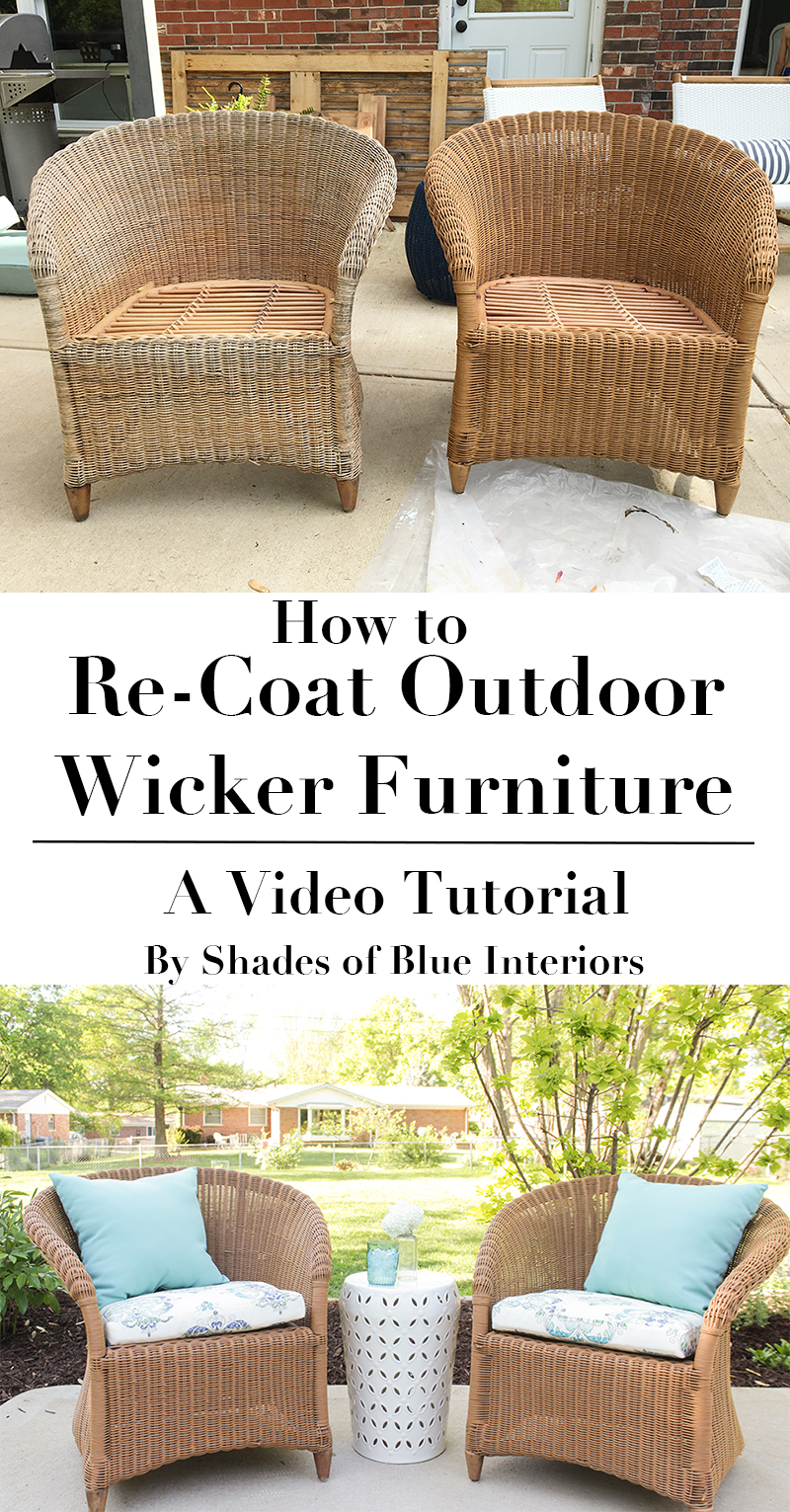
Credit: www.shadesofblueinteriors.com
Tools And Materials Needed
Painting outdoor wicker furniture needs the right tools and materials. The correct supplies help the paint stick and last longer. Choosing the right brushes, primers, and protective gear makes the job easier and safer.
Brushes And Rollers
Use soft-bristle brushes for wicker’s tight spaces. Small brushes reach corners and crevices. Foam rollers work well on flat wicker surfaces. Avoid stiff brushes that can damage the wicker fibers.
Primers And Sealers
A good primer helps paint stick to wicker better. Use a primer made for outdoor use and wood or synthetic surfaces. After painting, apply a clear sealer to protect against rain and sun. Sealers keep the paint from peeling or fading.
Protective Gear
Wear gloves to protect your hands from chemicals. Use a mask to avoid breathing in paint fumes. Safety goggles keep paint out of your eyes. Dress in old clothes or a coverall to avoid stains.
Step-by-step Painting Process
Painting outdoor wicker furniture can refresh its look and protect it from weather damage. A clear step-by-step process helps achieve a smooth, long-lasting finish. Preparing the surface, applying paint correctly, and allowing enough drying time are key to success.
Follow these steps carefully for the best results.
Applying Primer
Start by cleaning the wicker thoroughly. Remove dirt and dust with a soft brush or cloth. Use a mild soap and water solution for stubborn grime. Let the furniture dry completely before priming.
Choose a primer designed for outdoor use and suitable for wicker. Apply a thin, even coat using a small brush. Work into all the nooks and crevices. Allow the primer to dry fully before moving on to painting.
Painting Techniques
Use paint made for outdoor furniture or spray paint for a smooth finish. Choose a brush or spray method based on your comfort and furniture size. Apply thin coats to avoid drips and uneven texture. Paint in the direction of the wicker weave for best coverage. Let each coat dry before applying the next one. Usually, two to three coats provide good protection and color depth.
Drying And Curing Time
Allow the paint to dry in a dust-free, ventilated space. Drying time varies by paint type and weather, but usually takes 24 hours per coat. After the final coat, cure the paint by letting it sit untouched for several days. This strengthens the finish and improves durability. Avoid heavy use until the paint fully cures to prevent damage.
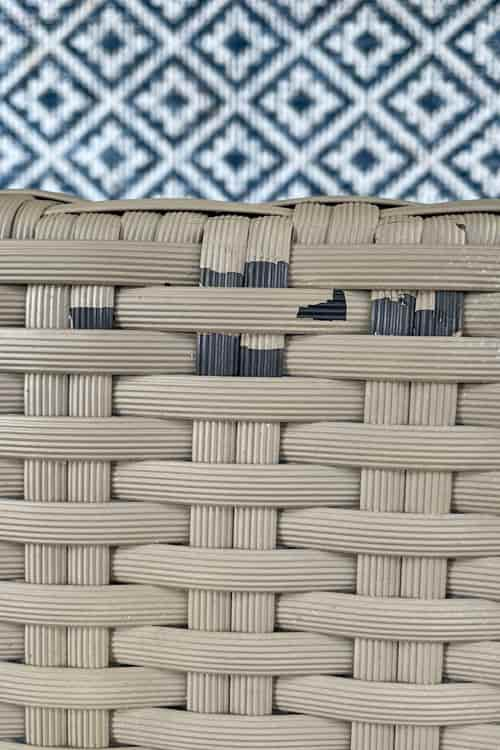
Credit: porchdaydreamer.com
Maintaining Painted Wicker Furniture
Maintaining painted wicker furniture helps keep it looking fresh and new. Proper care extends the life of the paint and the wicker material. Simple steps make a big difference in preserving your outdoor furniture.
Cleaning Tips
Dust and dirt can build up on painted wicker surfaces. Use a soft brush or cloth to remove loose dirt gently. Clean with mild soap and water for deeper dirt. Avoid harsh chemicals that damage paint and wicker. Rinse well and dry completely to prevent mold growth.
Touch-up Advice
Small chips or scratches can happen over time. Keep some paint on hand for quick repairs. Lightly sand the damaged area before repainting. Apply thin layers of paint and let each dry fully. This keeps the finish smooth and protects the wicker underneath.
Seasonal Care
Outdoor wicker faces weather changes that affect paint. Cover furniture or move it indoors during harsh weather. Dry furniture thoroughly after rain or snow. Check paint condition each season and touch up as needed. Proper seasonal care reduces cracking and peeling.
Common Mistakes To Avoid
Painting outdoor wicker furniture can refresh its look and protect it. Avoiding common mistakes ensures a smooth and lasting finish. These errors can cause paint to peel, chip, or look uneven. Pay close attention to preparation, paint choice, and weather for the best results.
Skipping Surface Prep
Cleaning and sanding wicker is essential before painting. Dirt, dust, and old paint block new paint from sticking. Use a soft brush to remove debris. Sand gently to smooth rough spots. Skipping these steps leads to poor paint adhesion and quick wear.
Using Wrong Paint Type
Not all paints work on wicker. Choose paint designed for outdoor use and flexible surfaces. Acrylic or latex paints are good choices. Avoid thick or oil-based paints that crack on wicker. Using the wrong paint causes peeling and damage over time.
Neglecting Weather Conditions
Paint needs dry, mild weather to cure properly. Avoid painting on rainy or very hot days. High humidity slows drying and traps moisture. Cold weather can make paint brittle. Check the forecast and pick calm, dry days for painting.
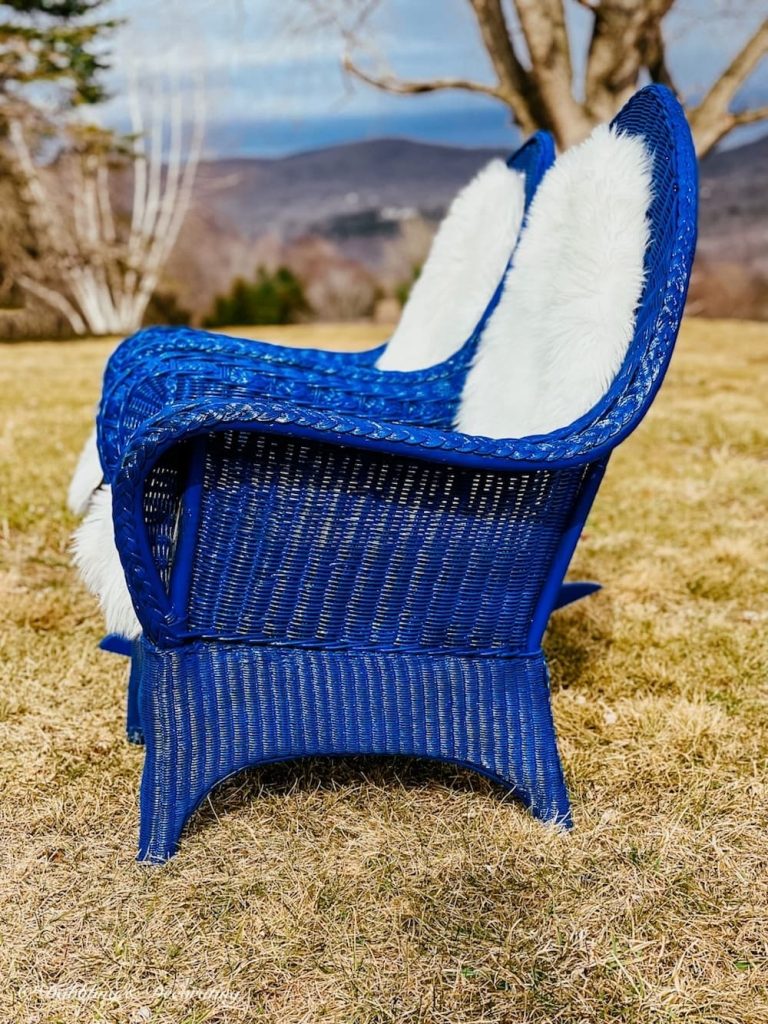
Credit: www.dabblinganddecorating.com
Frequently Asked Questions
What Type Of Paint Is Best For Outdoor Wicker Furniture?
Use acrylic latex paint for outdoor wicker furniture. It offers excellent flexibility and weather resistance. This paint adheres well to wicker and prevents cracking. It also provides long-lasting color and protection from UV rays and moisture.
Can Spray Paint Be Used On Outdoor Wicker Furniture?
Yes, spray paint is ideal for outdoor wicker. It covers intricate wicker patterns evenly and dries quickly. Choose spray paint formulated for outdoor use to ensure durability. Always clean and prime the surface before painting for best results.
How Do I Prepare Wicker Furniture Before Painting?
Clean wicker thoroughly to remove dirt and dust. Use mild soap and water, then let it dry completely. Lightly sand the surface to improve paint adhesion. Apply a primer suited for wicker to ensure a smooth, lasting finish.
Is Outdoor Paint Waterproof For Wicker Furniture?
High-quality outdoor paint is water-resistant but not fully waterproof. It protects wicker furniture from light rain and humidity. For extra protection, apply a clear outdoor sealant after painting. This enhances durability against moisture and extends the furniture’s lifespan.
Conclusion
Choosing the right paint protects your outdoor wicker furniture well. Use paint made for outdoor use and flexible surfaces. This keeps the wicker from cracking or peeling. Always clean and dry furniture before painting. A good paint job lasts longer and looks better.
Enjoy your refreshed furniture in any weather. Painting is simple with the right materials and care. Your outdoor space will feel cozy and bright. Now, your wicker furniture stands strong and beautiful.