Have you ever noticed dark spots or a musty smell on your outdoor furniture and wondered, “Is this dangerous mold?” If you’re like many homeowners, keeping your outdoor space safe and comfortable is a top priority. But mold growing on your patio chairs or wooden table can put that comfort at risk.
You’ll discover why mold appears on outdoor furniture, how it can affect your health, and simple steps you can take to protect your family and keep your furniture looking great. Keep reading to make sure your outdoor oasis stays mold-free and safe all year round.
How Mold Grows On Outdoor Furniture
Mold growth on outdoor furniture happens when certain conditions come together. Moisture, warmth, and organic material create a perfect environment for mold spores to settle. These spores are tiny and float in the air. When they land on damp furniture, they start to grow and spread.
Understanding how mold grows helps protect your outdoor furniture. Knowing the causes, materials at risk, and environmental factors can help keep mold away.
Common Causes Of Mold
Mold grows on outdoor furniture due to moisture build-up. Rain, dew, and spills keep surfaces wet. Dirt and leaves on furniture provide food for mold. Poor air circulation also traps moisture. This creates a dark, damp place where mold thrives.
Materials Prone To Mold
Wood furniture is very prone to mold. It absorbs water and organic matter easily. Fabric cushions can hold moisture inside. This makes mold grow under the surface. Plastic and metal usually resist mold but can still get mold if dirt and moisture collect.
Environmental Factors
Warm and humid weather speeds up mold growth. Shady areas with little sunlight stay damp longer. Furniture near plants or trees collects more moisture and debris. High rainfall areas face greater mold risks. Proper placement and cleaning help reduce these risks.
Signs Of Mold On Outdoor Furniture
Mold on outdoor furniture can cause damage and health issues. Early detection helps prevent bigger problems. Knowing the signs of mold helps keep your furniture safe and clean.
Visual Indicators
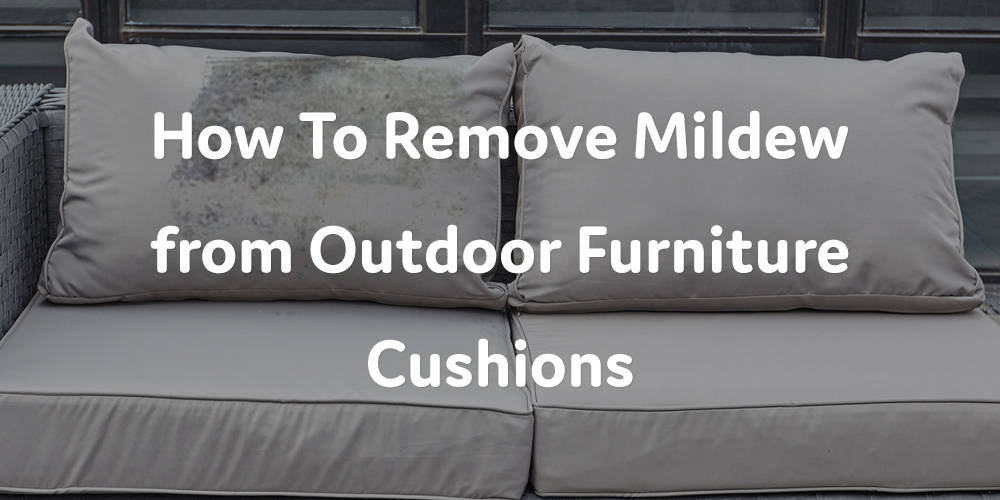
Mold often looks like black, green, or white spots. These spots may appear fuzzy or slimy. Check corners, seams, and under cushions. Look for patches that spread over time. Rust or discoloration may also signal mold growth.
Odor And Texture Changes
Mold has a musty, earthy smell. A strong odor around furniture can mean mold is present. The texture may feel slimy or damp even when dry outside. Surfaces might feel rough or soft in places. Trust your nose and touch to detect mold early.
Health Risks Linked To Mold Exposure
Mold on outdoor furniture can cause health problems. It releases spores that float in the air. Breathing these spores can harm your body. Some people are more sensitive to mold than others. Understanding these health risks helps you stay safe.
Allergic Reactions
Mold spores can trigger allergies. Sneezing, runny nose, and itchy eyes are common signs. Skin rashes may also appear after contact. These reactions can happen quickly or after long exposure. Sensitive individuals may experience worse symptoms.
Respiratory Issues
Breathing mold spores can irritate your lungs. Coughing, wheezing, and shortness of breath are common problems. Mold can worsen asthma and other lung diseases. Children and older adults are at higher risk. Avoiding mold helps protect your breathing health.
Long-term Concerns
Long exposure to mold may cause serious health issues. Chronic lung infections can develop in some cases. Some molds produce mycotoxins, which are harmful chemicals. These toxins can affect the brain and immune system. Regular cleaning prevents mold buildup and reduces risks.

Credit: www.reddit.com
Preventing Mold Growth
Mold on outdoor furniture can cause health problems and damage your items. Preventing mold growth keeps your furniture safe and looking good. Simple steps can stop mold from growing and spreading.
Proper Cleaning Techniques
Clean outdoor furniture regularly to remove dirt and moisture. Use a soft brush and mild soap with water. Rinse well to avoid soap residue. Dry furniture completely after cleaning. Avoid harsh chemicals that can damage surfaces.
Choosing Mold-resistant Materials
Select materials that resist mold, such as aluminum, plastic, or treated wood. Fabrics made from synthetic fibers dry faster and resist mold better. Avoid natural wood without treatment; it absorbs moisture easily. Mold-resistant materials reduce the chance of mold growth.
Storage And Coverage Tips
Store furniture in a dry, ventilated area when not in use. Use breathable covers to protect furniture from rain and humidity. Avoid plastic covers that trap moisture. Elevate furniture off the ground to prevent water contact. Proper storage lowers mold risk significantly.
Removing Mold Safely
Mold on outdoor furniture can cause health problems and damage your furniture. Removing mold safely is important to protect your family and extend the life of your furniture. Use safe methods and avoid harsh chemicals. This keeps your outdoor space clean and healthy.
Effective Cleaning Solutions
Use a mixture of water and mild soap for most furniture. White vinegar also works well to kill mold naturally. A solution of water and baking soda can remove stains and smell. Avoid bleach on delicate materials as it may cause damage. Choose safe, non-toxic cleaners to protect yourself and the environment.
Step-by-step Removal Process
Start by brushing off loose mold with a soft brush outside. Spray your cleaning solution on the affected areas. Let it sit for 10 to 15 minutes to kill mold spores. Scrub gently with a soft brush or cloth. Rinse with clean water and dry the furniture in the sun. Repeat if mold remains. Always wear gloves and a mask during cleaning for safety.
When To Seek Professional Help
Call a professional if mold covers large areas or returns quickly. Professionals have special tools and cleaners to remove mold deeply. Mold inside cushions or wood cracks may need expert care. If family members have allergies or asthma, avoid doing heavy mold removal yourself. Safety and thorough cleaning are the top priorities.

Credit: www.patioproductions.com
Maintaining Mold-free Outdoor Furniture
Outdoor furniture faces many challenges from weather and moisture. Mold can grow quickly on damp surfaces. Keeping furniture free of mold means taking simple, regular steps. Clean and protect your furniture to enjoy it longer and safer.
Regular Inspection Routines
Check your furniture often for signs of mold or mildew. Look under cushions and in corners where moisture hides. Early spotting stops mold from spreading. Use a soft brush or cloth to clean small spots immediately.
Seasonal Care Tips
Before winter or rainy seasons, clean furniture thoroughly. Remove dirt and debris that hold moisture. Store cushions inside or in dry places. Let wood dry completely before covering or storing it. This reduces mold growth during wet months.
Using Protective Coatings
Apply sealants or water-repellent sprays made for outdoor use. These coatings stop water from soaking into the material. They create a barrier against mold and mildew. Reapply every year or as the product instructions say.
Credit: www.furnituremaxi.com
Frequently Asked Questions
Can Outdoor Furniture Develop Dangerous Mold?
Yes, outdoor furniture can develop dangerous mold if exposed to moisture and poor ventilation. Mold thrives on damp surfaces and organic materials, posing health risks. Regular cleaning and drying help prevent mold growth and keep furniture safe.
How Can I Prevent Mold On Outdoor Furniture?
To prevent mold, keep furniture dry and clean regularly. Use protective covers and store furniture in shaded or ventilated areas. Applying mold-resistant treatments also reduces the risk of mold growth on outdoor pieces.
Is Mold On Outdoor Furniture Harmful To Health?
Yes, mold on outdoor furniture can cause allergic reactions and respiratory issues. Prolonged exposure may worsen asthma or cause skin irritation. Removing mold promptly is essential to protect your health and maintain furniture safety.
What Materials Resist Mold On Outdoor Furniture?
Materials like metal, plastic, and treated wood resist mold better than untreated wood or fabric. These materials are less porous and dry faster, reducing mold growth chances. Choosing mold-resistant furniture extends durability and safety outdoors.
Conclusion
Outdoor furniture can grow mold if not cared for well. Moisture and dirt create the perfect place for mold to start. Cleaning your furniture regularly helps keep mold away. Using covers protects it from rain and dampness. Airflow also stops mold from settling on surfaces.
Small steps make your outdoor space safe and fresh. Enjoy your furniture longer by preventing mold growth today. Simple care keeps your outdoor area healthy and nice. Don’t let mold ruin your relaxing moments outside.

