Are you wondering if you should cover your outdoor furniture? It’s a question many homeowners face, especially when thinking about protecting their investment.
Your outdoor furniture is more than just a place to sit—it adds style and comfort to your space. But weather, dirt, and wear can quickly take a toll. What if there was a simple way to keep your furniture looking new and lasting longer?
Keep reading to discover the benefits and smart tips that will help you decide if covering your outdoor furniture is the right choice for you.
Benefits Of Covering Outdoor Furniture
Covering outdoor furniture offers many benefits that protect your investment. It helps keep your furniture in good shape for longer. Covers act as a shield against many problems outdoor furniture faces. This section explores the key benefits of using covers.
Protection From Weather Elements
Covers guard furniture against rain, sun, snow, and wind. Water can cause wood to rot and metal to rust. Sunlight may fade colors and weaken fabric. Covers stop moisture and UV rays from damaging surfaces. They also prevent dirt and debris from settling on furniture.
Preventing Wear And Tear
Using covers reduces scratches, dents, and other damage. Wind can move furniture and cause it to bump into hard surfaces. Covers provide a soft barrier that absorbs shock. This keeps furniture looking new and extends its lifespan. It also lowers the chance of costly repairs or replacements.
Reducing Cleaning Frequency
Covers keep dust, leaves, and bird droppings off furniture. This means less time spent scrubbing and washing. Clean furniture looks better and is more inviting. Covering also stops stains from setting in, making cleaning easier. You save effort and keep your space tidy with less work.

Credit: www.colinmannschool.org.za
Types Of Outdoor Furniture Covers
Choosing the right cover for your outdoor furniture helps protect it from weather and dirt. Different types of covers offer various benefits. Knowing these types makes it easier to pick the best one for your needs.
Material Options
Outdoor furniture covers come in many materials. Polyester covers are common. They are lightweight and resist tearing. Vinyl covers offer strong protection against rain and snow. They are heavier and more durable. Canvas covers are thick and breathable. They allow air to pass through, reducing moisture build-up. Each material fits different weather conditions and furniture types.
Size And Fit Considerations
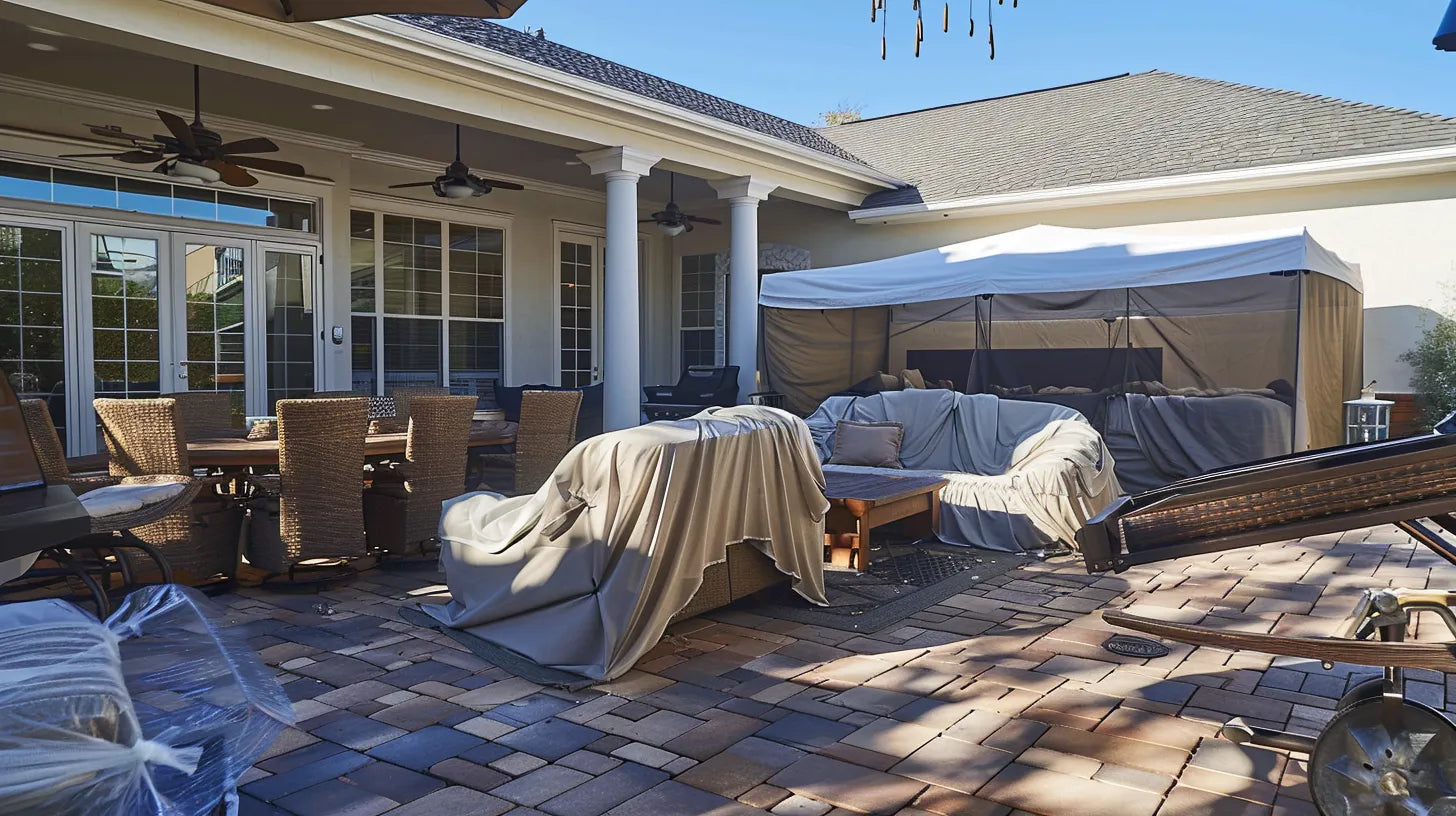
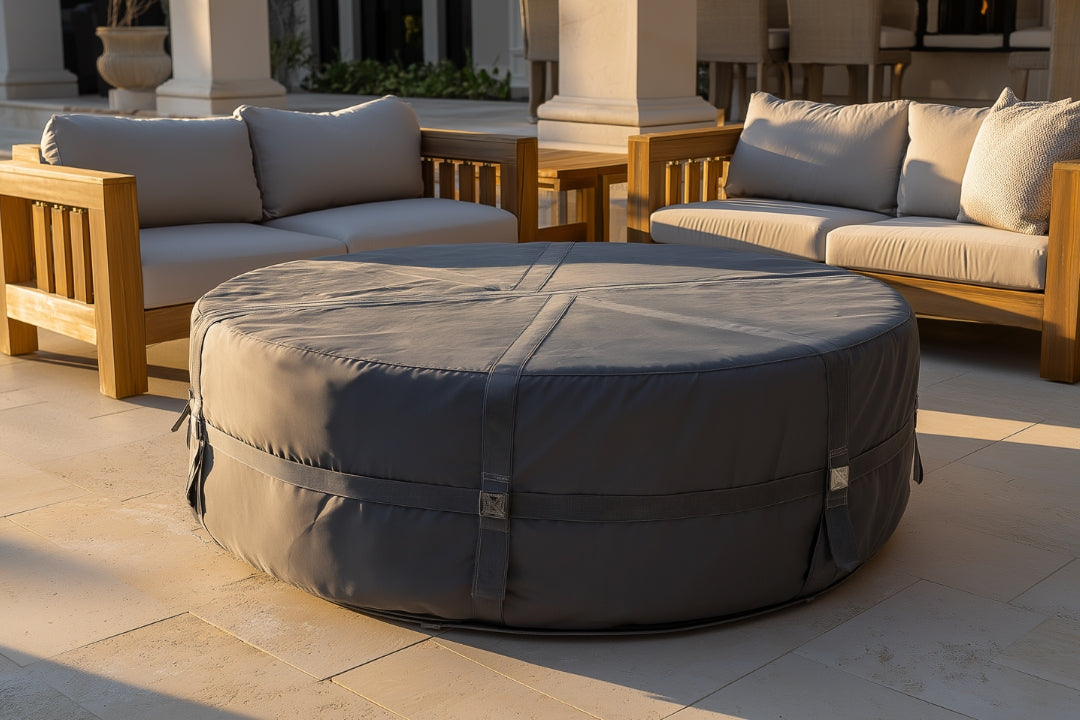
The right size cover keeps furniture safe and clean. Covers that are too small may leave parts exposed. Too large covers can flap in the wind and wear quickly. Measure your furniture before buying. Look for covers with adjustable straps or elastic hems. These features help secure the cover tightly and prevent it from blowing away.
Waterproof Vs. Breathable Covers
Waterproof covers block rain and snow completely. They keep furniture dry but may trap moisture inside. Breathable covers let moisture escape. This reduces mold and mildew growth. Choose waterproof covers for heavy rain areas. Pick breathable covers in humid places to keep furniture fresh. Some covers offer a mix of both features for balanced protection.
When To Use Covers
Knowing when to cover your outdoor furniture can save you money and keep your furniture looking new. Covers protect your furniture from damage caused by weather and dirt. They also help extend the life of your furniture by preventing wear and tear. Choosing the right time to use covers is important for proper care and maintenance.
Seasonal Protection
Covering outdoor furniture during seasonal changes helps protect it from rain and sun. In spring and fall, weather can be unpredictable. Covers keep moisture away, stopping rust and mold. They also block harmful UV rays that fade colors and weaken materials. Using covers during these times keeps furniture fresh and ready for use.
During Harsh Weather
Strong winds, heavy rain, snow, and hail can damage outdoor furniture. Covers act as a shield, preventing scratches and dents. They stop water from soaking into cushions and wood. Harsh weather can cause fast wear. Using covers during storms or bad weather keeps furniture safe and clean.
Extended Periods Of Non-use
When you do not use your outdoor furniture for a long time, covers are essential. They protect from dust, dirt, and bird droppings. Covers also reduce exposure to sun and moisture. This prevents fading, cracking, and mold growth. Covering furniture during off-seasons or long breaks keeps it in good shape.
Proper Covering Techniques
Proper covering techniques help protect outdoor furniture from weather damage. Using the right methods extends the life of your furniture. Covers shield against rain, dust, and sun. They also keep dirt and bugs away. Following simple steps ensures your furniture stays clean and dry.
Cleaning Before Covering
Always clean furniture before putting on covers. Remove dirt, leaves, and dust with a soft brush. Wipe surfaces with mild soap and water. Let furniture dry completely to stop mold growth. Clean furniture looks better and lasts longer under covers.
Securing Covers Against Wind
Strong wind can blow covers away. Use straps or bungee cords to keep covers tight. Make sure covers fit snugly around furniture edges. Check ties regularly to prevent loosening. A secure cover stays in place and protects furniture well.
Ventilation To Prevent Mold
Trapped moisture can cause mold and mildew. Choose covers with built-in vents or breathable fabric. Leave small gaps for air circulation. Avoid sealing covers too tightly around furniture. Good airflow keeps furniture dry and mold-free.
Alternatives To Covering
Covering outdoor furniture is not the only way to protect it. Several alternatives help keep your furniture safe from weather damage. These options can save time and keep your space neat. Explore different methods that work well for various types of furniture and climates.
Using Furniture Storage
Storing furniture indoors during bad weather protects it completely. A garage or shed works well for this. Storage keeps furniture away from rain, sun, and dust. This method extends the life of your pieces without using covers. It also keeps your outdoor area tidy and clutter-free.
Applying Protective Coatings
Protective coatings add a strong shield to furniture surfaces. Use water-resistant sealants or varnishes for wooden pieces. Metal furniture benefits from rust-proof paints or sprays. These coatings stop damage from moisture and sun exposure. Reapply coatings yearly for the best protection.
Choosing Weather-resistant Materials
Selecting furniture made from durable materials reduces the need for covers. Teak, aluminum, and synthetic wicker resist weather well. Fabrics made for outdoors dry quickly and resist fading. These materials need less maintenance and stay attractive longer. Investing in weather-proof furniture saves effort and money.
Credit: fj-outdoors.com
Common Mistakes To Avoid
Covering outdoor furniture protects it from weather damage. But mistakes can cause more harm than good. Avoid these common errors to keep your furniture safe and lasting longer.
Covering Wet Furniture
Never cover furniture while it is still wet. Trapping moisture under covers causes mold and mildew. Always dry your furniture before putting on covers. This helps prevent bad smells and fabric damage.
Ignoring Fit And Size
Using covers that are too small or too large hurts your furniture. Tight covers can tear easily. Loose covers let in rain and dirt. Choose covers that fit well and secure tightly. Proper fit keeps furniture dry and clean.
Neglecting Regular Maintenance
Do not forget to clean and check your furniture often. Dirt and moisture can build up under covers. Remove covers regularly to air out your furniture. Clean covers and furniture to avoid stains and damage.
Credit: starfiredirect.com
Frequently Asked Questions
Should I Cover Outdoor Furniture In Winter?
Covering outdoor furniture in winter protects it from snow, ice, and moisture. This prevents rust, mold, and fading, extending furniture life. Use breathable, waterproof covers for best protection and avoid trapping moisture underneath.
What Materials Are Best For Outdoor Furniture Covers?
The best covers are made of waterproof, UV-resistant, and breathable materials like polyester or vinyl. These materials protect against rain, sun damage, and mildew while allowing airflow to prevent condensation buildup.
Can Covering Outdoor Furniture Cause Mold?
If covers are not breathable, moisture can get trapped, causing mold and mildew. Use covers with ventilation and remove them occasionally to air out furniture and keep it dry.
How Often Should I Cover Outdoor Furniture?
Cover furniture whenever it is not in use, especially during harsh weather like rain or snow. Regular covering reduces dirt buildup and sun damage, keeping furniture clean and durable.
Conclusion
Covering outdoor furniture helps protect it from rain, sun, and dust. This keeps furniture looking new for longer. It also saves money by reducing repairs and replacements. Choose covers that fit well and allow air to pass through. Remember to clean both furniture and covers regularly.
Taking these steps keeps your outdoor space tidy and comfortable. So, covering your furniture is a smart, simple way to care for it.