Are you wondering if you really need to use outdoor furniture covers in shaded areas? It’s a question many people ask, especially when their patio or garden is protected from direct sunlight.
You might think your furniture is safe from damage, but there’s more to consider than just sun exposure. What if moisture, dust, or unexpected weather can still harm your investment? Keep reading to discover why covering your outdoor furniture—even in the shade—can save you time, money, and hassle in the long run.
You might be surprised by what you learn.
Benefits Of Using Covers In Shaded Areas
Using covers for outdoor furniture in shaded areas offers many benefits. Even without direct sunlight, shaded furniture faces risks. Covers provide an extra layer of protection that helps keep your furniture in good shape. They guard against moisture, dust, and wear that can affect the look and durability of your furniture.
Protection From Moisture And Mold
Shaded areas often have higher humidity and slower drying times. Moisture can settle on furniture surfaces and lead to mold growth. Covers block water from rain and dew, keeping moisture away. This stops mold and mildew from damaging fabric and wood. Using covers reduces the need for frequent cleaning and repairs.
Shielding Against Dust And Debris
Dust and debris gather even in shaded spots. Leaves, dirt, and small particles can settle on furniture. Covers act as a barrier, preventing dirt buildup. This keeps furniture cleaner for longer periods. It also saves time spent on dusting and washing furniture.
Preserving Furniture Appearance
Furniture in shaded areas still faces wear from weather and insects. Covers protect against fading, scratches, and stains. They help maintain color and texture. Keeping covers on extends the life of cushions and wood finishes. Your outdoor furniture looks fresh and inviting for years.

Credit: www.amazon.com
Common Misconceptions About Shaded Areas
Many people think shaded outdoor furniture does not need a cover. This is a common misunderstanding. Shade offers some protection, but it does not stop all damage. Furniture in shaded areas still faces risks from weather and dirt. Covers help keep your furniture safe and clean for longer.
Less Sunlight Means No Cover Needed
Many assume less sun means no cover is needed. Shade lowers sun exposure but does not remove it. UV rays can still reach furniture through gaps and reflections. These rays cause fading and material breakdown over time. Dust, pollen, and bird droppings also collect on shaded furniture. Covers help protect against these elements every day.
Shade Prevents All Weather Damage
Shade does not block rain, wind, or humidity. Water can still cause stains and mold. Wind carries dirt and debris that scratch surfaces. Humidity affects wood, metal, and fabric by causing rust and rot. Covers create a barrier against all these problems. They keep furniture dry and clean, even in shaded spots.
Choosing The Right Cover For Shade
Choosing the right cover for outdoor furniture in shaded areas is important. Shade protects furniture from sun damage but does not stop dust, moisture, or pests. A good cover keeps furniture safe and clean. It also helps furniture last longer. Picking the right cover depends on material, breathability, and fit.
Material Options And Durability
Materials like polyester and vinyl are popular for covers. Polyester is light and dries quickly. Vinyl is strong and waterproof. Some covers have extra coatings to resist tears and UV rays. Durable covers protect furniture from rain, dust, and dirt. Choose a material that suits your climate and furniture type.
Breathability And Ventilation
Breathable covers prevent mold and mildew. They let air flow while keeping water out. Look for covers with vents or mesh panels. Good ventilation stops moisture from building up under the cover. This keeps furniture dry and fresh for longer.
Size And Fit Considerations
A cover must fit snugly to protect well. Too tight can cause wear and tear. Too loose allows wind to blow it off. Measure your furniture before buying a cover. Adjustable straps or elastic hems help keep the cover in place. Proper fit ensures full protection and easy use.
Maintenance Tips For Covered Furniture
Keeping outdoor furniture covers in good shape helps protect your furniture longer. Covers block dirt, dust, and weather damage. Proper care of covers keeps them strong and useful.
Follow easy steps to maintain your covered furniture. These tips help avoid damage from moisture and dirt. Store covers correctly to make them last through seasons.
Regular Cleaning Of Covers
Clean covers often to stop dirt buildup. Use mild soap and water for best results. Avoid harsh cleaners that can damage fabric. Rinse well and let covers dry fully before use. Clean covers prevent mold and stains.
Preventing Moisture Build-up
Moisture can cause mold and damage furniture. Always check for wet spots under covers. Lift covers occasionally to air out furniture. Use covers that breathe to reduce moisture. Dry furniture before covering it to keep it safe.
Storing Covers Properly
Store covers in a dry place when not in use. Fold them neatly to avoid creases and tears. Avoid placing heavy items on top of covers. Use storage bags or containers to keep covers clean. Proper storage extends cover life and protects your investment.
Alternative Protection Methods
Outdoor furniture in shaded areas still needs care to stay in good shape. Covers are helpful but not the only way to protect your furniture. Many people prefer other methods that keep the furniture safe without using bulky covers. These alternatives can save time and keep the furniture looking nice for longer.
Using Furniture Oils And Sealants
Oils and sealants help protect wood and wicker furniture. They create a barrier against moisture and dirt. Applying these products regularly stops the material from drying out or cracking. The oils bring out the natural color and shine. Sealants add a layer that repels water and stains. This method works well for wooden furniture under shade.
Positioning And Placement Strategies
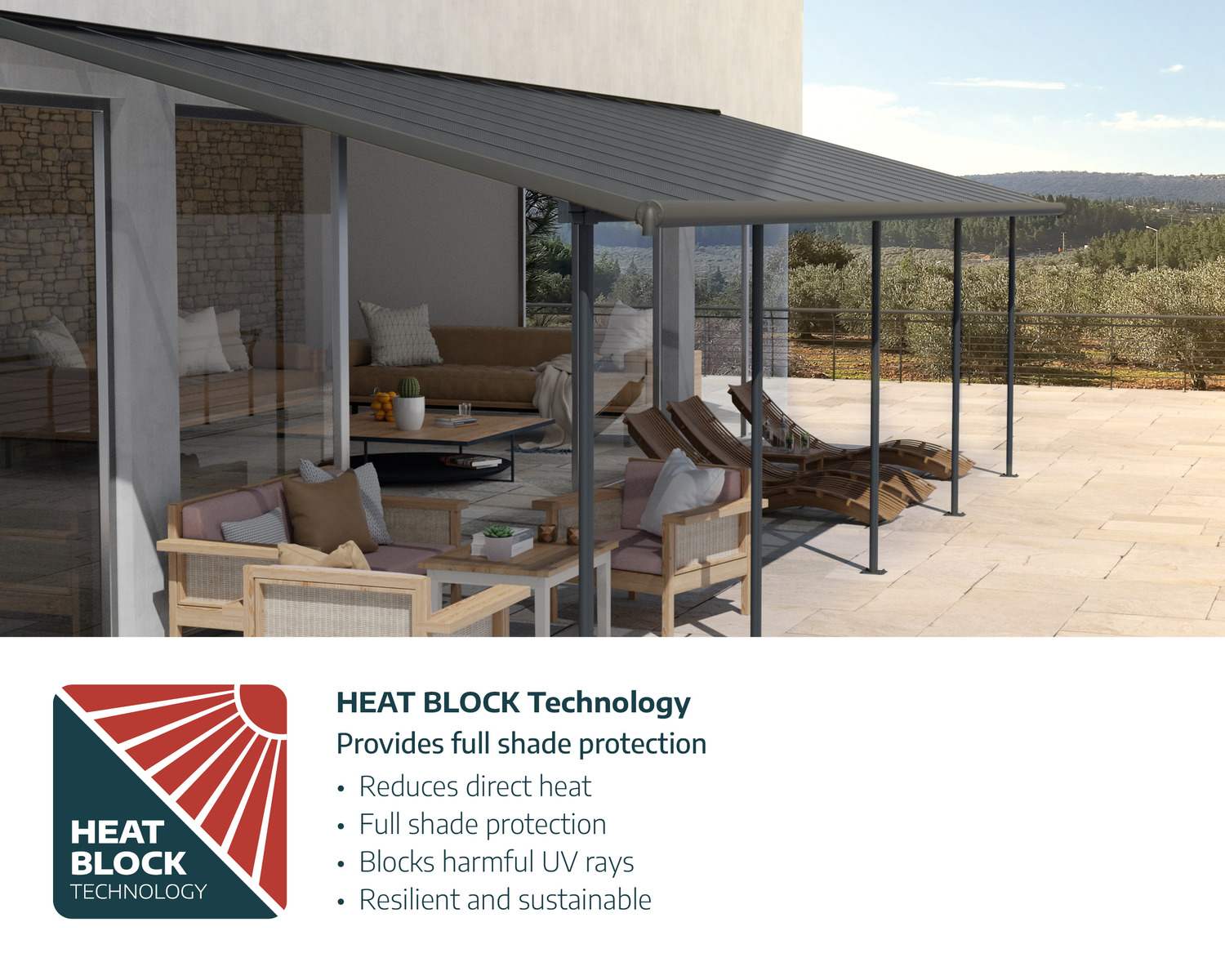
Where you place your furniture matters a lot. Keep it away from direct rain paths and damp spots. Put furniture on raised surfaces to avoid ground moisture. Arrange pieces so air flows around them to prevent mold. Moving furniture slightly during wet weather can reduce damage. Smart placement helps keep furniture safe without covers.
Credit: canopia.com

Credit: www.walmart.com
Frequently Asked Questions
Do Outdoor Furniture Covers Protect Shaded Furniture?
Yes, covers protect shaded furniture from dust, moisture, and insects. They prevent dirt buildup and extend furniture life even in shade.
Is A Cover Necessary For Furniture In Shaded Areas?
A cover is recommended to shield furniture from humidity, bird droppings, and unexpected weather. It keeps furniture clean and durable.
Can Outdoor Covers Prevent Mold On Shaded Furniture?
Yes, covers reduce moisture exposure and airflow restrictions, lowering mold risk. Properly ventilated covers are best for mold prevention.
How Often Should I Use A Cover In Shaded Spots?
Use covers whenever furniture is not in use, especially during rain or long periods. Regular covering maintains cleanliness and condition.
Conclusion
Outdoor furniture covers protect your items even in shaded spots. They keep dirt, dust, and moisture away effectively. Covers also prevent damage from insects and falling leaves. This protection helps your furniture last longer and look better. Choosing the right cover means less cleaning and fewer repairs.
So, using covers in shaded areas is still a smart idea. It saves time and money in the long run. Simple protection can make a big difference for your outdoor furniture.