Choosing the right wood for your outdoor furniture can make all the difference between pieces that last for years and those that quickly wear out. You want furniture that looks great, feels comfortable, and stands up to weather without constant upkeep.
But with so many wood options out there, how do you know which one is best for your patio or garden? You’ll discover the top woods that combine beauty, strength, and durability—helping you make a smart choice that suits your style and keeps your outdoor space inviting season after season.
Keep reading to find the perfect wood for your outdoor furniture needs!
Durability Factors For Outdoor Wood
Choosing wood for outdoor furniture requires understanding its durability. Outdoor wood faces many challenges like rain, sun, and bugs. The right wood lasts longer and stays beautiful. Durability depends on several key factors. These factors help wood resist damage and wear over time.
Resistance To Moisture And Rot
Outdoor wood often gets wet from rain or dew. Some woods absorb water quickly, causing swelling and decay. Woods with natural oils resist moisture better. These oils protect wood from rotting and breaking down. Proper moisture resistance keeps furniture strong and safe.
Insect And Pest Resistance
Wood outdoors attracts insects like termites and beetles. Some woods have natural chemicals that repel pests. This helps stop wood from being eaten or damaged. Choosing pest-resistant wood reduces repairs and extends furniture life.
Weather And Uv Tolerance
Sunlight and weather change wood’s color and texture. UV rays can make wood fade and crack. Weather changes can cause wood to expand and shrink. Durable woods handle sun and weather better. They keep their shape and look good longer.
Teak: The Premium Choice
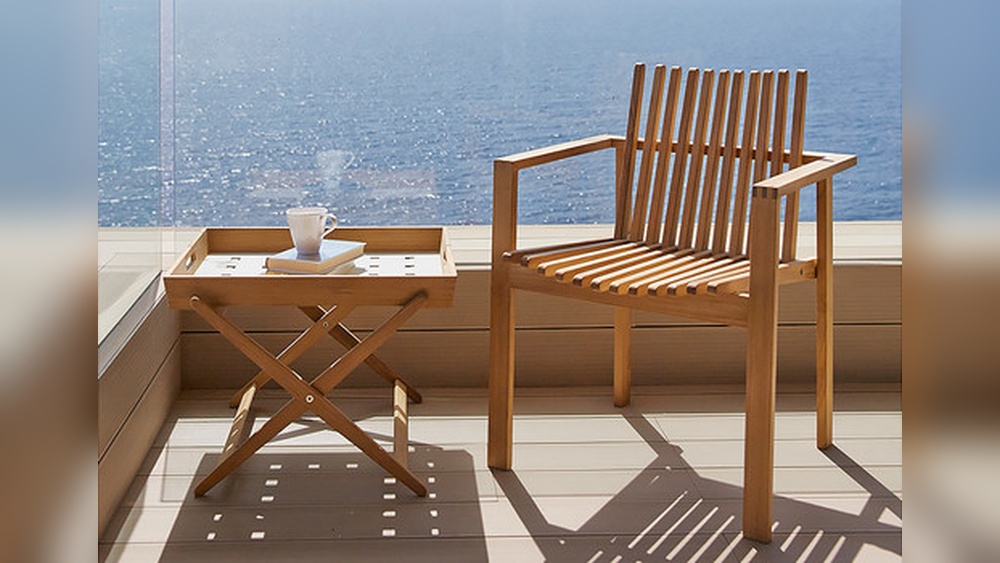
Teak is known as the premium choice for outdoor furniture. It stands out for its strength, beauty, and resistance to weather. People trust teak for patios, gardens, and decks. It offers a natural look that fits well in any outdoor setting.
Teak wood comes from tropical hardwood trees. Its dense grain keeps it safe from water and insects. This makes teak last longer than many other woods. The wood’s warm colors also age well, turning a soft silver-gray over time.
Natural Oils And Longevity
Teak contains natural oils that protect it without extra treatment. These oils help the wood resist water and decay. Bugs and fungi find it hard to damage teak wood. This natural defense gives teak furniture a long life outdoors. It can stay strong for 20 years or more with proper care.
Maintenance Tips For Teak Furniture
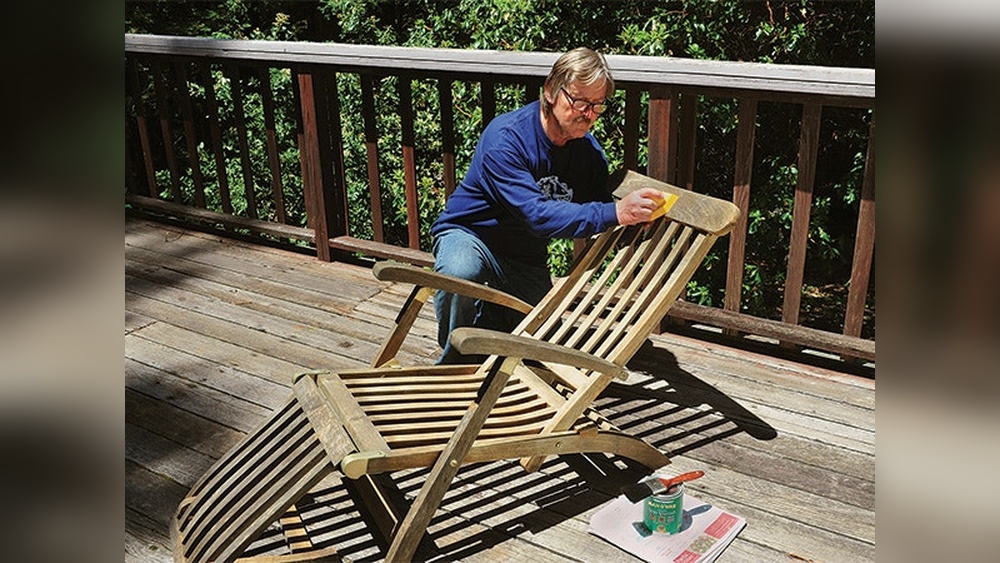
Teak furniture needs little maintenance to keep its beauty. Clean it with mild soap and water regularly. Avoid harsh chemicals that can strip the wood’s oils. Sand lightly if the surface feels rough or dull. Use teak oil only if you want to restore its golden color. Otherwise, let it age naturally to a lovely silver shade.
Cedar: Lightweight And Aromatic
Cedar is a popular choice for outdoor furniture. It is lightweight, making it easy to move and rearrange. The wood has a natural, pleasant smell that adds charm to any outdoor space. Cedar’s unique aroma comes from natural oils in the wood. These oils help protect the wood from damage and decay. This makes cedar furniture last longer outdoors.
Inherent Pest Repellent Properties
Cedar contains natural oils that repel insects. Bugs like mosquitoes, ants, and moths avoid cedar wood. This reduces the need for chemical treatments. The oils also help prevent wood rot caused by fungi. Using cedar means less maintenance and fewer repairs. It keeps outdoor furniture looking good for years.
Ideal Uses In Outdoor Settings
Cedar works well for many outdoor furniture types. Chairs, benches, tables, and swings benefit from cedar’s light weight. It is also great for garden furniture near plants. The aroma can help keep insects away from these areas. Cedar’s resistance to weather makes it perfect for decks and patios. It blends naturally with outdoor surroundings, creating a warm, inviting space.
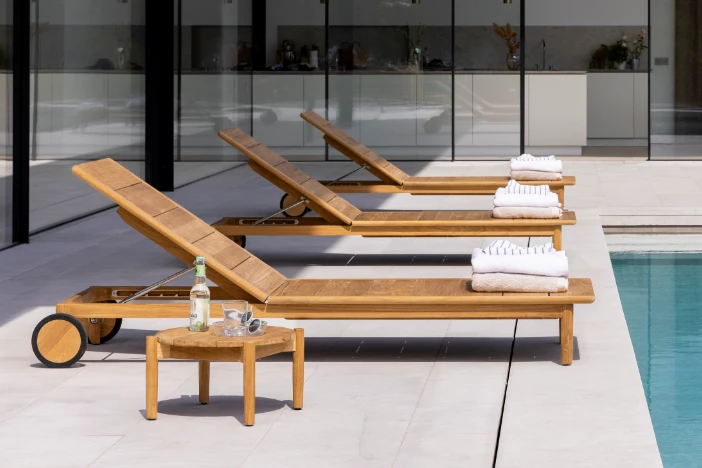
Credit: decoroutdoor.com
Redwood: Rich Color And Strength
Redwood stands out for its rich color and strong build. Its natural beauty makes it popular for outdoor furniture. The deep reddish hues add warmth to any space. This wood offers both style and durability. It holds up well against outdoor elements. Many choose redwood for decks, benches, and tables.
Decay Resistance Characteristics
Redwood has natural oils that fight decay. These oils protect the wood from moisture and insects. This makes it last longer outside. It resists rot better than many other woods. The heartwood is especially strong against decay. Regular care can extend redwood’s lifespan even more. It does not need heavy chemical treatments.
Common Outdoor Applications
Redwood is often used for garden furniture. It works well for porch railings and decks. Outdoor tables and benches also benefit from redwood. It is easy to shape and sand smoothly. The wood’s color stays vibrant with basic maintenance. Many homeowners prefer it for patio sets. Redwood blends well with natural surroundings.
Eucalyptus: Affordable And Durable
Eucalyptus is a popular choice for outdoor furniture. It offers a good balance of affordability and durability. This wood can handle weather changes well. It stays strong and looks good for years. Eucalyptus has a natural resistance to insects and decay. This makes it a smart option for garden chairs, tables, and benches.
Sustainability Aspects
Eucalyptus trees grow fast compared to other hardwoods. They can be harvested every 10 to 15 years. This fast growth helps reduce pressure on slow-growing forests. Many eucalyptus plantations use responsible farming methods. These include replanting trees after harvesting. Using eucalyptus supports eco-friendly furniture choices.
Care And Preservation Methods
To keep eucalyptus furniture looking its best, some care is needed. Clean it regularly with mild soap and water. Avoid harsh chemicals that can damage the wood. Applying a coat of teak oil or outdoor wood sealant helps protect it. Cover furniture during heavy rain or winter months. This care extends the life and beauty of eucalyptus pieces.
Ipe: Extreme Hardness And Longevity
Ipe wood stands out for its extreme hardness and long lifespan. It is a dense tropical hardwood often used in outdoor furniture. This wood resists weather, insects, and decay better than many other types. Its natural oils help protect it without much treatment. Ipe furniture can last 25 years or more with proper care. It offers a rich, dark color that ages to a beautiful silver-gray over time. This makes ipe a popular choice for decks, tables, and benches outside.
Maintenance Challenges
Ipe requires some effort to keep its original color. Sunlight causes the wood to fade to gray if not treated. Applying oil every few months helps maintain its rich brown shade. The wood is very hard, making sanding or repairs difficult. Special tools are needed to work with ipe properly. Dust and dirt can accumulate on the surface, requiring regular cleaning. Despite these challenges, many find the upkeep worth it for ipe’s durability.
Benefits Over Other Hardwoods
Ipe outlasts most other hardwoods used outdoors. It is stronger and denser than teak or cedar. The wood resists scratches and dents better than softer woods. Ipe does not warp or crack easily in different climates. It also has natural resistance to mold and insects. This reduces the need for chemical treatments. The long lifespan and toughness make ipe a cost-effective choice over time.
Acacia: Versatile And Attractive
Acacia wood stands out as a favorite for outdoor furniture. Its rich color and smooth texture create a warm, inviting look. This wood adapts well to many styles and settings. Strong and durable, acacia can handle daily outdoor use. Its natural beauty lasts for years with basic care.
Water Resistance Features
Acacia wood resists water better than many other woods. Its dense grain helps keep moisture out. This feature prevents warping and cracking. Water beads on the surface instead of soaking in. Still, applying a sealant can boost its protection. This step helps furniture last longer in wet conditions.
Design Considerations
Acacia offers many design possibilities. Its warm tones fit classic and modern looks. The wood sands smoothly for fine details. It holds paint and stain well if a color change is desired. Choose acacia for tables, chairs, benches, and more. The wood’s strength supports heavy use and weight.
Choosing Wood Treatments
Choosing the right wood treatment is key for outdoor furniture. It protects wood from rain, sun, and insects. The right treatment keeps furniture strong and looking good for years. Treatments also bring out the wood’s natural beauty. Understanding sealers, stains, and protective finishes helps you pick the best option.
Sealers And Stains
Sealers block water from soaking into wood. They stop wood from swelling or cracking. Some sealers are clear, showing wood’s natural color. Stains add color while protecting the wood. They soak deep, giving long-lasting protection. Stains also hide imperfections and brighten dull wood. Choose a stain or sealer made for outdoor use.
Protective Finishes
Protective finishes form a hard layer on wood surfaces. They guard against scratches, dirt, and UV damage. Finishes include varnish, polyurethane, and lacquer. Varnish is popular for outdoor furniture. It resists water and sun damage well. Polyurethane offers strong protection but may yellow over time. Regular reapplication keeps wood safe and looking fresh.
Tips For Extending Furniture Life
Outdoor furniture faces sun, rain, and dirt every day. Protecting it helps keep its beauty and strength. Simple steps can make your wood last many years. These tips help your furniture stay fresh and strong.
Proper Cleaning Techniques
Use a soft brush or cloth to remove dirt. Clean with mild soap and water. Avoid harsh chemicals that can damage wood. Rinse well with clean water after washing. Dry furniture completely before using or covering it. Regular cleaning stops mold and stains from forming.
Seasonal Storage Advice
Store wooden furniture in a dry, covered place during winter. Keep it away from direct sunlight and moisture. Use furniture covers for extra protection outside. Remove cushions and store them separately. Proper storage prevents cracks and warping caused by weather changes.
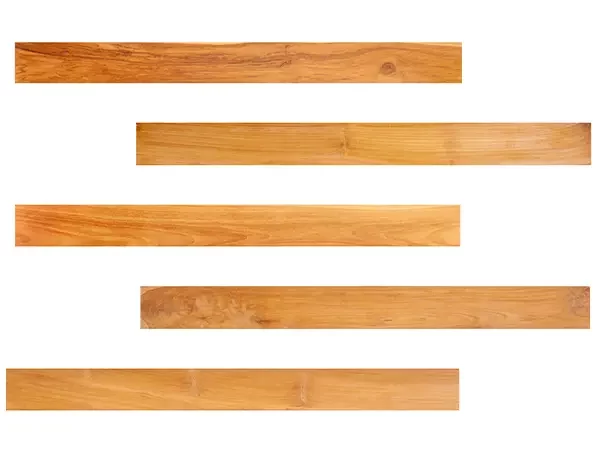
Credit: farrellslandscaping.com

Credit: timberactually.com
Frequently Asked Questions
What Woods Are Best For Outdoor Furniture Durability?
Teak, cedar, and redwood are top choices for outdoor furniture. They resist moisture, insects, and decay well. These woods last long and maintain strength outdoors. Their natural oils help protect against weather damage, making them durable and low-maintenance options.
Is Teak Wood Good For Outdoor Furniture?
Yes, teak is excellent for outdoor furniture. It contains natural oils that resist water, insects, and rot. Teak ages beautifully, developing a silver-gray patina. Its durability and minimal maintenance make it a popular and valuable choice for outdoor use.
How Does Cedar Wood Perform Outdoors?
Cedar is naturally resistant to insects and decay. It withstands moisture well and remains stable in changing weather. Cedar’s pleasant aroma and lightweight make it easy to work with. It requires occasional sealing to maintain its rich color and longevity outdoors.
Can Hardwoods Withstand Outdoor Weather Conditions?
Many hardwoods like teak and mahogany handle outdoor weather well. They offer strong resistance to moisture, insects, and decay. Hardwoods are dense and durable but might need regular treatment. Proper care ensures they last long and stay attractive outdoors.
Conclusion
Choosing the right wood makes outdoor furniture last longer. Teak, cedar, and redwood resist weather well. They need little care but look great. Softwoods like pine need more protection. Think about your climate and budget too. Good wood keeps your furniture strong and beautiful.
Enjoy your outdoor space with sturdy, natural wood. Your choice matters for comfort and style.