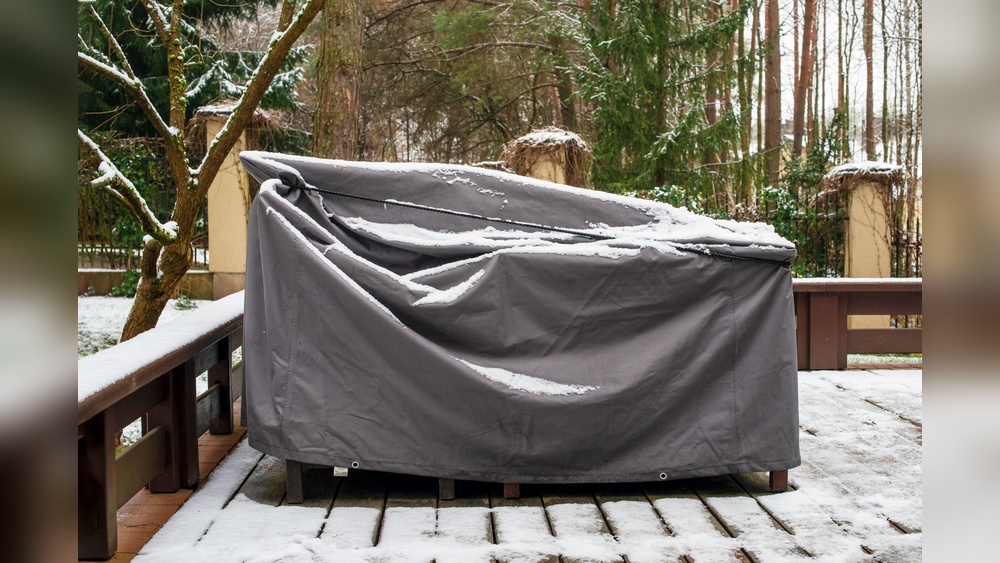
Are you worried about protecting your outdoor furniture from rain, dust, or harsh sunlight? You might be wondering if using a tarp is the right solution.
A tarp seems like an easy and affordable way to cover your furniture, but is it really the best choice? You’ll discover the pros and cons of using a tarp, and learn smart tips to keep your outdoor furniture safe and looking great all year long.
Keep reading to find out how to make the right decision for your space and budget.
Benefits Of Using Tarps
Using a tarp to cover outdoor furniture offers many benefits. It protects your furniture from rain, sun, and dust. Tarps help keep furniture clean and dry. They are a practical choice for outdoor protection.
Weather Resistance
Tarps are made from strong materials that resist water and wind. They shield furniture from rain, snow, and harsh sunlight. This helps prevent damage and fading. Your furniture stays in good condition longer.
Cost-effectiveness
Tarps are an affordable way to protect outdoor furniture. They cost less than custom covers or storage units. You get good protection without spending much. This saves money over time.
Ease Of Use
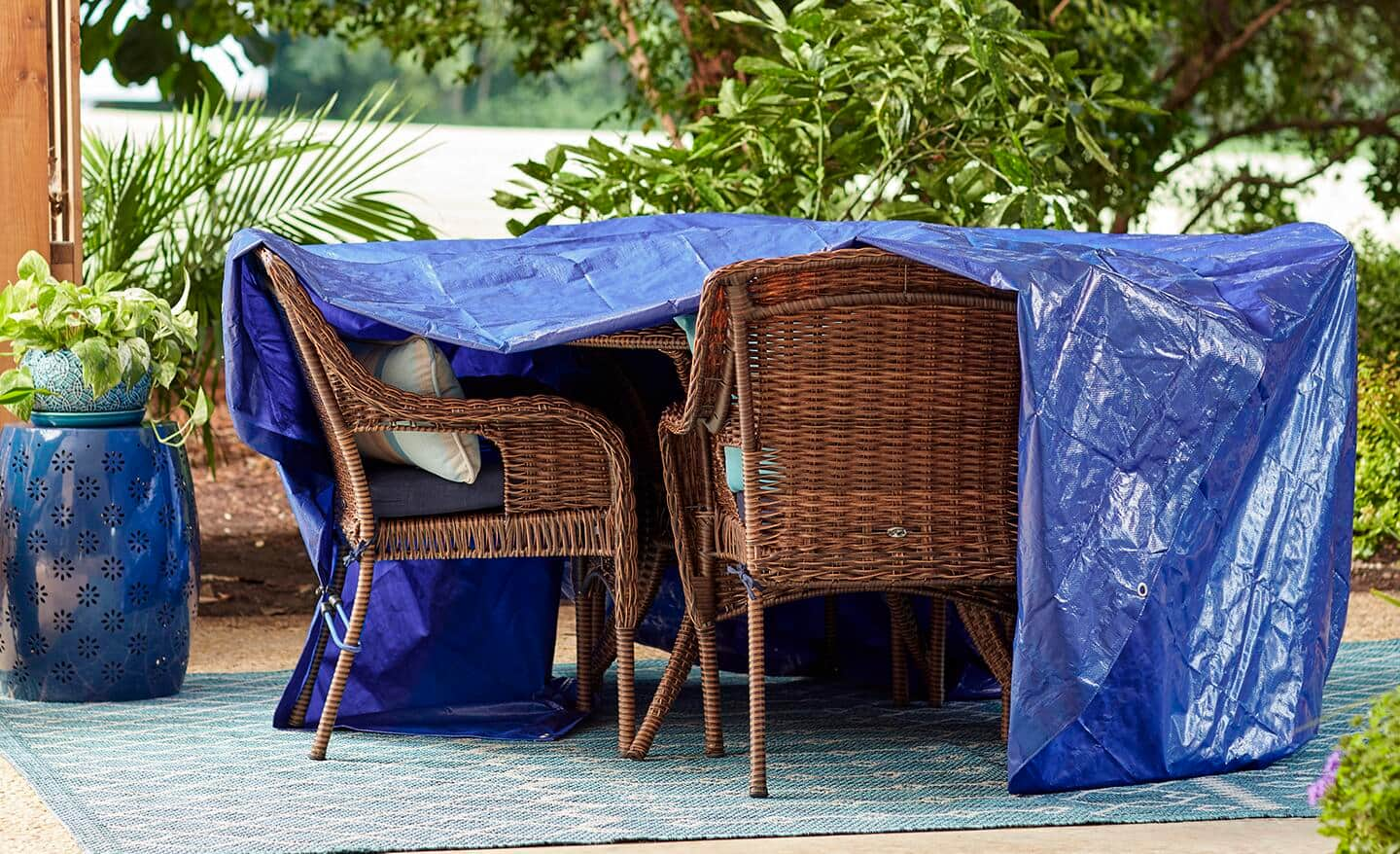
Tarps are simple to put on and take off. They are lightweight and easy to handle. You can secure them quickly with ropes or bungee cords. This makes covering furniture fast and hassle-free.
Credit: www.homedepot.com
Choosing The Right Tarp
Choosing the right tarp is key to protecting outdoor furniture. A good tarp keeps furniture dry, clean, and safe from weather damage. Not all tarps work the same. Picking the best one depends on material, size, and UV protection.
Material Types
Tarps come in different materials. Polyethylene tarps are waterproof and strong. They resist tears and hold up well in rain. Canvas tarps breathe better but may absorb water. Vinyl tarps are heavy and very durable. Choose a material that matches your climate and furniture needs.
Size And Fit
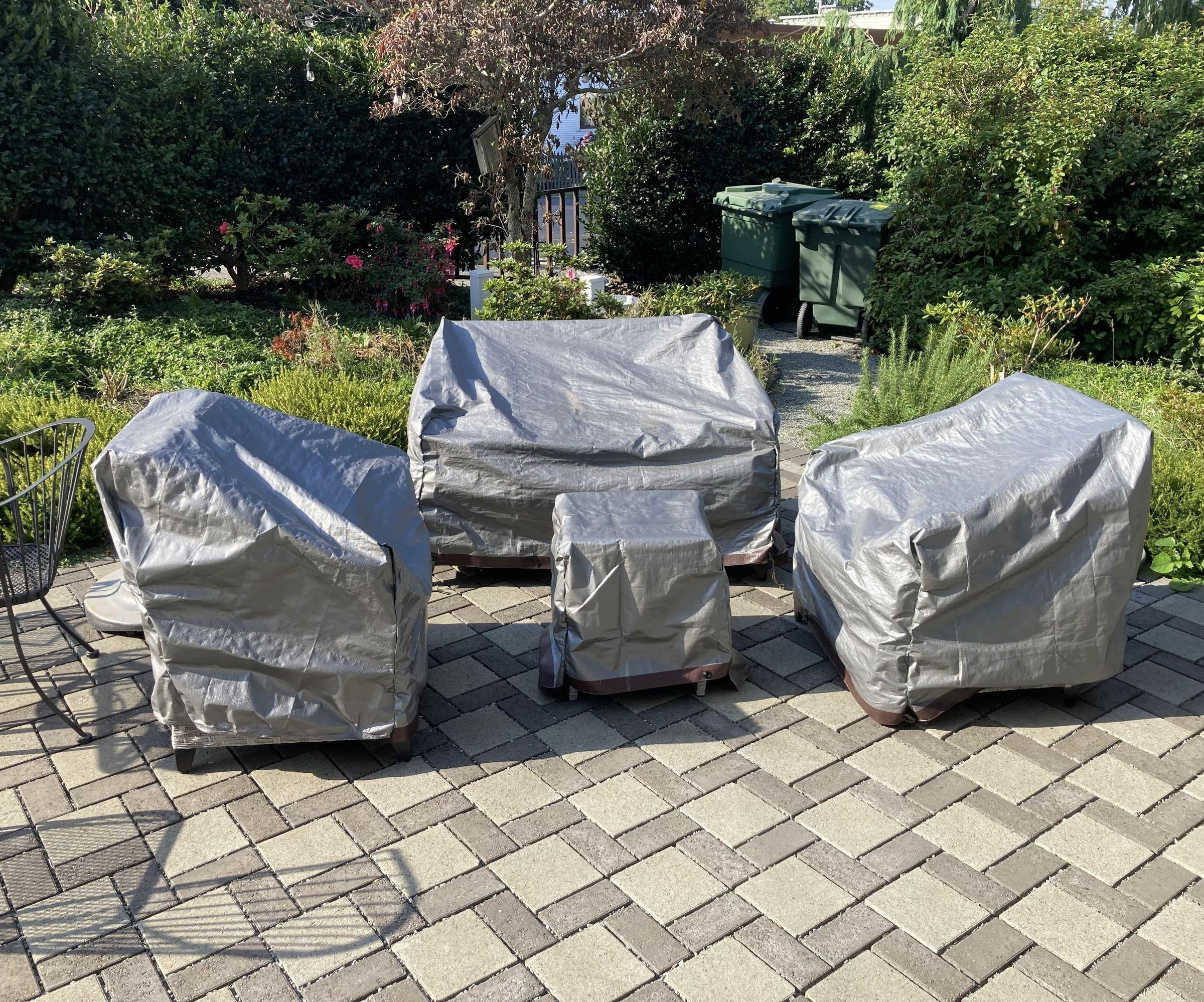
Size matters for proper coverage. A tarp too small leaves parts exposed. Too big, and it flaps in the wind. Measure your furniture’s length, width, and height. Pick a tarp slightly larger for full coverage. Secure fit helps prevent damage from wind and rain.
Uv Protection Features
Sunlight can fade and weaken furniture. Tarps with UV protection block harmful rays. This extends the life of your furniture. Look for tarps labeled UV resistant or sunproof. They help keep colors bright and materials strong.
Preparing Furniture Before Covering
Preparing your outdoor furniture before covering it with a tarp is very important. Proper preparation helps protect the furniture from damage and keeps it in good shape. It also prevents mold, rust, and wear caused by moisture and dirt trapped under the tarp. Taking a few simple steps can make a big difference in preserving your furniture’s life and appearance.
Cleaning Surfaces
Start by cleaning all furniture surfaces. Remove dust, dirt, and debris with a soft brush or cloth. Use mild soap and water for stubborn spots. Avoid harsh chemicals that may damage the material. Clean surfaces help prevent stains and mold growth under the tarp.
Drying Completely
Make sure the furniture is completely dry before covering. Moisture trapped under the tarp can cause mold and mildew. Let the furniture air dry in the sun or a well-ventilated area. Do not cover wet or damp furniture, as this can cause damage over time.
Applying Protective Coatings
Apply protective coatings to extend furniture life. Use sealants, oils, or paint designed for outdoor use. These coatings create a barrier against moisture and UV rays. Follow product instructions carefully. Protective coatings help your furniture resist weather damage and fading.
Credit: www.instructables.com
Proper Tarp Installation
Proper tarp installation protects outdoor furniture from rain, sun, and dirt. It keeps your furniture dry and clean. A well-installed tarp lasts longer and stays in place during bad weather.
Follow simple steps to secure the tarp correctly. This helps avoid damage and water buildup.
Securing With Bungee Cords
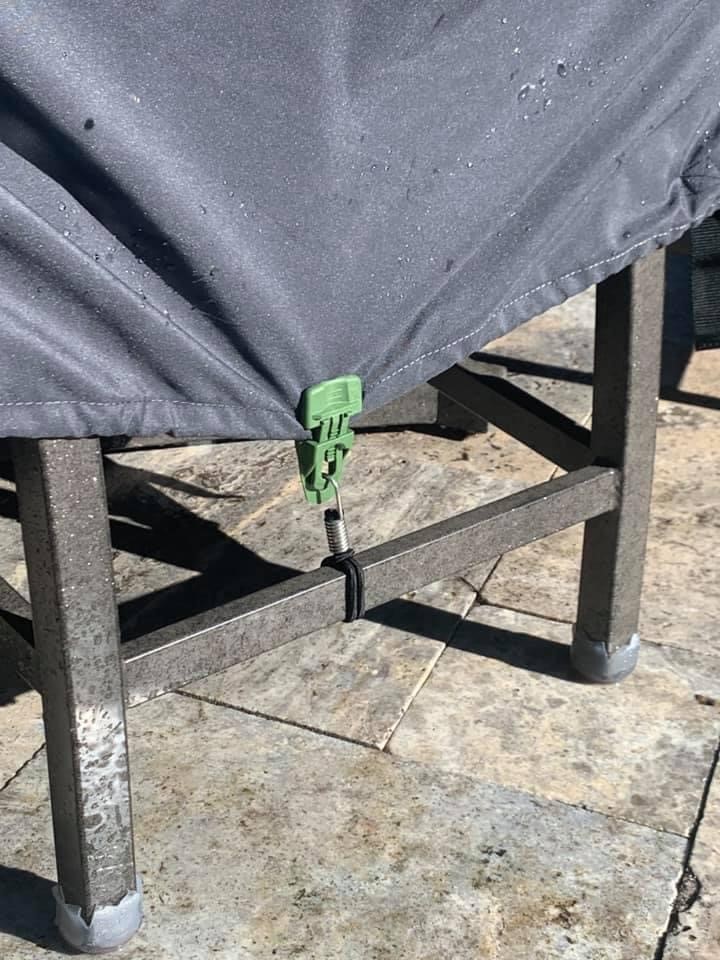
Bungee cords hold the tarp tight around the furniture. Stretch the cords around the edges and hook them to the tarp grommets. This stops the tarp from flapping in the wind. Use enough cords to cover all sides well.
Avoiding Water Pooling
Water pooling causes damage and mold. Create a slope by raising the tarp center slightly. Use lightweight supports like PVC pipes or wooden sticks. This way, water runs off instead of staying on top.
Anchoring Against Wind
Wind can blow the tarp away. Anchor corners with heavy objects or stakes. Tie extra ropes from the tarp to nearby fixed points. This keeps the tarp stable during strong winds.
Maintaining Tarps For Longevity
Maintaining tarps for longevity helps protect your outdoor furniture better. A well-cared tarp lasts longer and keeps your furniture safe from rain, dust, and sun damage. Taking simple steps to clean, check, and store tarps properly improves their durability and effectiveness.
Regular Cleaning
Remove dirt and debris from the tarp often. Use a soft brush or cloth with mild soap and water. Avoid harsh chemicals that can wear down the tarp material. Rinse thoroughly and let the tarp dry completely before using it again. Clean tarps prevent mold and mildew build-up.
Inspecting For Damage
Check the tarp for holes, tears, or worn areas regularly. Small damage can grow bigger and reduce protection. Repair minor holes with tarp tape or patch kits. Replace the tarp if damage is extensive. Timely inspection keeps your tarp strong and reliable.
Storing When Not In Use
Store tarps in a dry, cool place away from sunlight. Fold or roll the tarp neatly to avoid creases and cracks. Keep tarps off the ground to prevent moisture absorption. Proper storage stops mold growth and extends tarp life.
Alternative Covers For Outdoor Furniture
Outdoor furniture needs protection from rain, sun, and dust. Tarps work but can be harsh on furniture. Alternative covers offer better fit and protection. These covers keep furniture safe and last longer. They also look nicer and can breathe, preventing mold and mildew.
Furniture-specific Covers
Furniture-specific covers are made for chairs, tables, and sofas. They fit tightly and protect every part. These covers use soft, water-resistant fabric. They also have vents to stop moisture build-up. Some come with straps to hold them in place. These covers keep your furniture clean and dry.
Diy Cover Options
You can make your own covers with simple materials. Heavy-duty fabric or old bedsheets work well. Sew or tape edges to avoid fraying. Use elastic bands or cords to secure the cover. This option saves money and fits your furniture size. DIY covers can be replaced easily if damaged.
Common Mistakes To Avoid
Using a tarp to cover outdoor furniture can protect it from weather damage. Yet, some common mistakes reduce its effectiveness. Avoid these errors to keep your furniture safe and lasting longer.
Covering Wet Furniture
Never cover wet furniture with a tarp. Trapped moisture causes mold and mildew growth. Always dry furniture fully before covering it. This step helps keep the material fresh and clean.
Ignoring Ventilation
Sealing furniture tightly under a tarp stops airflow. Lack of ventilation leads to dampness and rust. Leave small gaps or lift edges slightly. This allows air to circulate and moisture to escape.
Using Incorrect Tarp Size
A tarp too small won’t cover furniture properly. A large tarp can flap in wind and cause damage. Choose a tarp size that fits snugly. Proper fit ensures better protection and less wear.
Credit: www.easyklip.com
Frequently Asked Questions
Can I Use A Tarp To Protect Outdoor Furniture?
Yes, tarps can protect outdoor furniture from rain, dust, and sun. Choose waterproof, UV-resistant tarps for best results. Secure the tarp tightly to avoid wind damage. Proper coverage helps extend furniture lifespan and maintain appearance.
What Type Of Tarp Is Best For Outdoor Furniture?
A heavy-duty, waterproof, UV-resistant tarp is ideal. Look for breathable tarps to prevent moisture buildup. Avoid thin or non-waterproof tarps, as they offer limited protection. Quality tarps help prevent mold and sun damage effectively.
How Do I Secure A Tarp On Outdoor Furniture?
Use bungee cords, ropes, or weighted straps to secure the tarp. Ensure the tarp fits snugly and covers all furniture parts. Avoid loose ends to prevent wind from lifting the tarp. Proper securing keeps furniture protected during storms.
Can A Tarp Cause Damage To Outdoor Furniture?
If improperly used, tarps can trap moisture and cause mold. Non-breathable tarps may lead to mildew and fading. Use breathable, well-ventilated tarps and avoid long-term coverage without airing. Regularly check and adjust the tarp to prevent damage.
Conclusion
Using a tarp can protect your outdoor furniture from rain and dust. Choose a tarp that fits well and covers all parts. Secure it tightly to avoid wind damage. Remember to check under the tarp sometimes to prevent mold. Tarps work best for short-term protection.
For long-term care, consider other covers made for furniture. Keep your outdoor space clean and dry to extend furniture life. Simple steps help keep your furniture looking good year-round.

