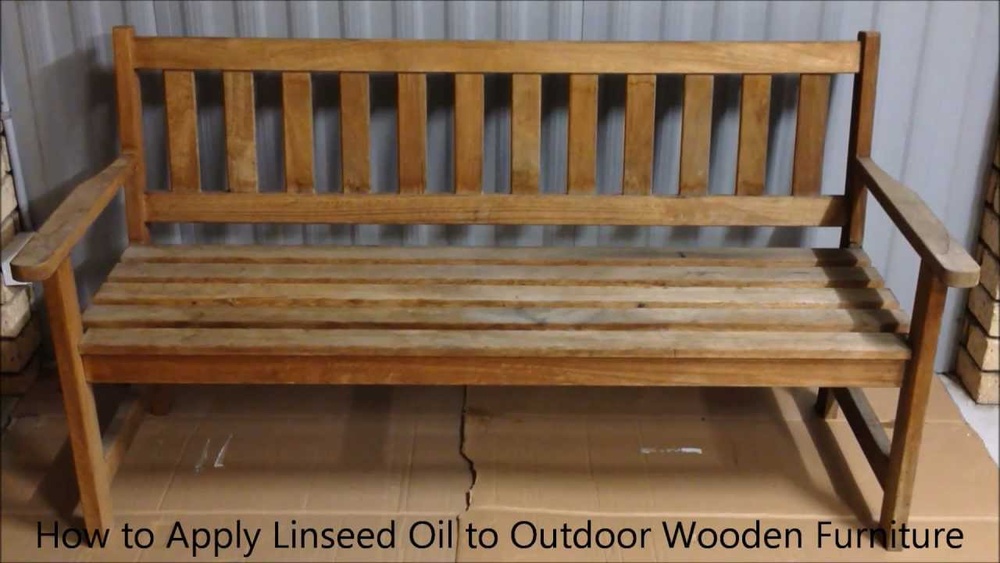
Are you wondering how to keep your outdoor wood furniture looking great year after year? You might have heard about linseed oil as a natural way to protect and enhance wood.
But can you really use linseed oil on your outdoor pieces? The answer isn’t as simple as you might think. You’ll discover how linseed oil works, its benefits, and what you need to know before applying it outside. Keep reading to find out if linseed oil is the right choice to bring out the best in your outdoor wood furniture.
Credit: www.findingsilverpennies.com
Benefits Of Linseed Oil For Wood
Linseed oil is a popular choice for treating outdoor wood furniture. It offers many benefits that help protect and beautify the wood. The oil penetrates deep into the wood, keeping it healthy and strong. Using linseed oil also helps wood last longer outdoors.
This natural oil works well without harsh chemicals. It is easy to apply and keeps wood looking fresh. Let’s explore why linseed oil is good for wood.
Natural Protection Properties
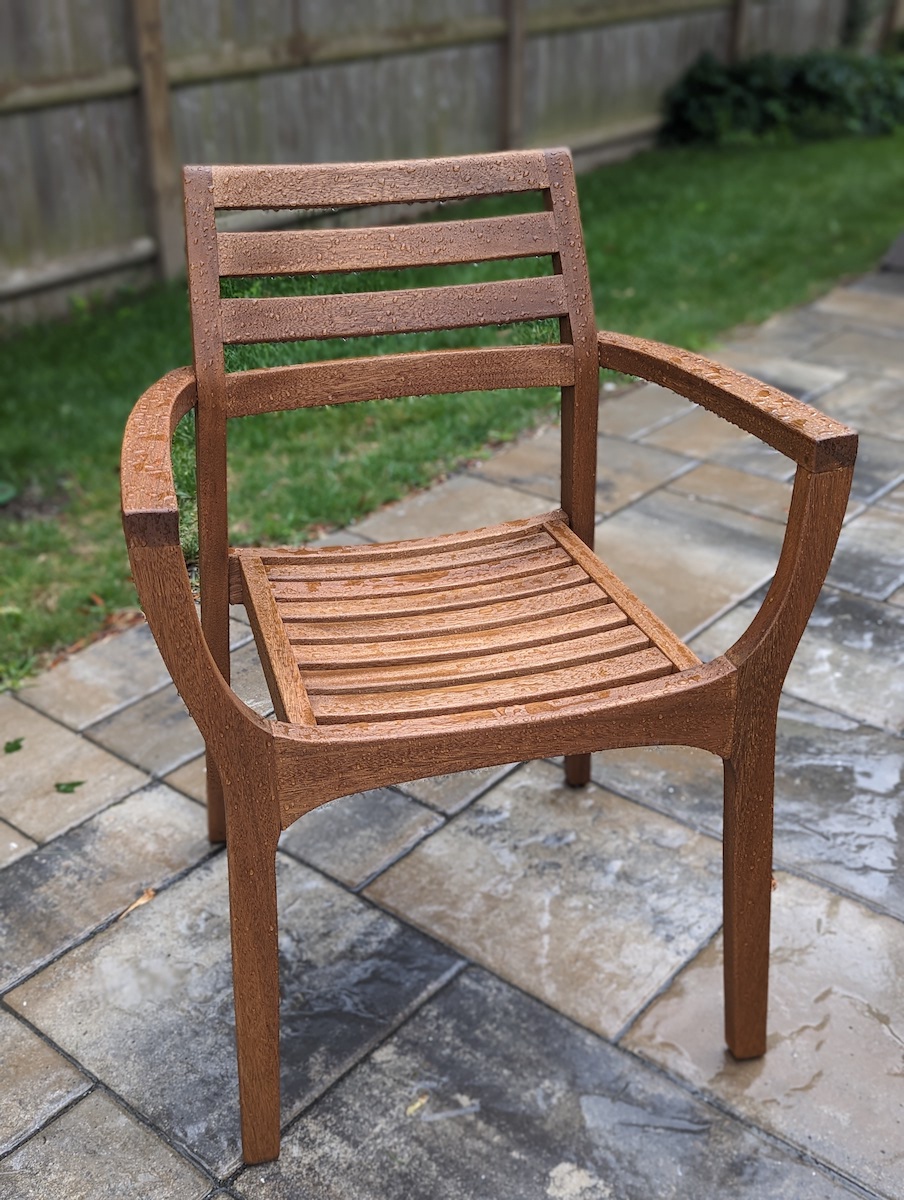
Linseed oil creates a barrier that repels water. This stops moisture from soaking into the wood. Moisture can cause wood to swell and crack over time. The oil also helps prevent damage from sunlight. It keeps wood from drying out and fading.
Enhancing Wood Grain
Applying linseed oil brings out the natural beauty of wood. It darkens the wood slightly and makes the grain more visible. The oil adds a warm, rich color. This makes outdoor furniture look more attractive and well cared for.
Eco-friendly Choice
Linseed oil comes from flax seeds, a renewable resource. It does not contain harmful chemicals or toxins. This makes it safe for the environment and people. Using linseed oil is a green way to protect outdoor wood.

Credit: www.findingsilverpennies.com
Types Of Linseed Oil
Linseed oil is a popular choice for treating outdoor wood furniture. It protects wood by soaking deep and creating a water-resistant surface. Different types of linseed oil exist, each with unique properties. Understanding these types helps you pick the right one for your wood.
Raw Linseed Oil
Raw linseed oil is pure and unprocessed. It dries very slowly, sometimes taking days or weeks. It soaks well into wood but offers limited protection against water. This type is best for indoor furniture or wood that will be sealed with another finish.
Boiled Linseed Oil
Boiled linseed oil dries faster than raw oil. It contains drying agents that speed up the hardening process. This makes it better for outdoor furniture. The oil forms a stronger, more water-resistant layer on the wood surface.
Stand Oil Variants
Stand oil is a thicker version of linseed oil. It is heated in the absence of oxygen to improve its texture. This oil creates a smooth, hard finish that resists water and wear. It is often mixed with other oils or solvents for easier application.
Preparing Outdoor Wood For Application
Preparing outdoor wood for linseed oil application is an important step. Proper preparation ensures the oil soaks in well and protects the wood. Good preparation extends the life of your furniture and keeps it looking nice. Clean, smooth wood absorbs the oil evenly. This makes the finish last longer and prevents damage from weather.
Follow these simple steps before applying linseed oil. They help the wood get ready to take on the oil and stay protected outdoors.
Cleaning And Sanding Tips
Start by cleaning the wood surface to remove dirt and dust. Use a soft brush or cloth with mild soap and water. Let the wood dry completely before sanding. Sand the surface with fine-grit sandpaper to smooth rough areas. Sanding also helps open the wood pores for better oil absorption. Always sand along the grain, not across it. After sanding, wipe the wood with a dry cloth to remove dust.
Removing Old Finishes
Old finishes can block linseed oil from soaking in. Remove old paint, varnish, or sealant before oiling. Use a chemical paint stripper or sand the wood thoroughly. Test a small area first to see how easily the finish comes off. After removing the finish, clean the wood well and let it dry. Only apply linseed oil on bare wood for best results.
Applying Linseed Oil Correctly
Applying linseed oil correctly is key to protecting outdoor wood furniture. Proper application helps the wood absorb the oil evenly. This enhances durability and keeps the wood looking natural. The process involves preparation, careful application, and patience during drying.
Tools And Materials Needed
- Linseed oil (preferably boiled linseed oil for faster drying)
- Clean, lint-free cloths or rags
- Fine-grit sandpaper (220 grit works well)
- Paintbrush or foam brush (optional)
- Gloves to protect your hands
- Container for the oil
- Newspapers or plastic sheets to protect the work area
Step-by-step Application Process
- Start by cleaning the wood surface thoroughly. Remove dirt and dust.
- Lightly sand the wood using fine-grit sandpaper. This opens the wood pores.
- Wipe away all sanding dust with a dry cloth.
- Pour a small amount of linseed oil into a container.
- Use a cloth or brush to apply a thin, even layer of oil.
- Rub the oil into the wood following the grain direction.
- Let the oil soak in for 15 to 30 minutes.
- Wipe off any excess oil with a clean cloth to avoid stickiness.
- Repeat the application for 2-3 coats for best protection.
Drying And Curing Time
Linseed oil needs time to dry and cure fully. Each coat takes about 24 to 48 hours to dry.
Drying time depends on temperature and humidity.
Allow the wood to cure for at least one week before heavy use.
Good airflow helps the oil dry faster and prevents a sticky surface.
Maintenance And Reapplication
Maintaining outdoor wood furniture with linseed oil keeps it strong and beautiful. Proper care stops the wood from drying out and cracking. Regular checks and reapplication help protect the wood from sun, rain, and dirt. This section explains how to know when to reapply and gives tips for seasonal care.
Signs Wood Needs Re-oiling
Look for dull or dry spots on the wood surface. If the wood feels rough or brittle, it needs oil. Water should not soak in quickly. If water beads up or darkens the wood, oil is still good. Cracks or small splits mean the wood is losing moisture. These signs show it is time to apply linseed oil again.
Seasonal Care Tips
Clean the furniture before applying oil. Use a soft brush or cloth to remove dirt. Apply oil in dry, warm weather for best results. Avoid oiling right before rain or cold days. In spring and fall, check the wood and apply oil as needed. Store furniture under cover or use a waterproof cover in winter. This helps keep the wood safe and oil lasts longer.
Credit: www.findingsilverpennies.com
Limitations And Considerations
Linseed oil is a popular choice for treating wood. It enhances the natural look and protects the surface. Still, it has some limits. Outdoor wood faces harsh conditions. Knowing these limits helps in making a good choice.
Weather Resistance Challenges
Linseed oil does not fully block water. Rain and moisture can soak into the wood. This can cause swelling and cracking over time. It also offers little protection against UV rays. Sunlight can fade and weaken the wood finish. Regular reapplication is necessary to keep protection strong. Without it, wood can degrade faster outdoors.
Comparing With Other Finishes
Linseed oil is natural and easy to use. But it is less durable than some finishes. Polyurethane or varnish creates a hard, waterproof layer. These finishes last longer in wet weather. They also protect better from scratches and stains. Linseed oil keeps wood looking natural but needs more care. Consider the level of exposure and effort before choosing.
Safety Precautions
Rags soaked in linseed oil can catch fire. Store them in a metal container filled with water. Keep them away from heat and flames. Apply oil in a well-ventilated area to avoid breathing fumes. Wear gloves to protect skin from irritation. Follow instructions carefully to stay safe while using linseed oil.
Frequently Asked Questions
Can Linseed Oil Protect Outdoor Wood Furniture?
Yes, linseed oil penetrates wood, providing water resistance and enhancing durability for outdoor furniture. It helps prevent cracking and warping caused by weather.
How Often Should I Apply Linseed Oil Outdoors?
Apply linseed oil every 6 to 12 months for best protection. Frequency depends on weather exposure and wood type.
Is Boiled Linseed Oil Better For Outdoor Use?
Yes, boiled linseed oil dries faster and offers better protection outdoors than raw linseed oil. It seals wood effectively against moisture.
Can Linseed Oil Cause Wood Discoloration Outside?
Linseed oil can darken wood slightly and enhance its natural grain. Proper application minimizes uneven discoloration on outdoor furniture.
Conclusion
Linseed oil works well to protect outdoor wood furniture. It soaks into the wood and helps prevent damage from water and sun. You should apply it regularly to keep the wood looking fresh. Avoid using too much oil at once to stop sticky surfaces.
This natural oil keeps wood strong and beautiful over time. Using linseed oil is a simple way to care for your outdoor furniture. Just remember to clean the wood before applying the oil. A little effort can make your furniture last for years.