Struggling to fit all your furniture into a small bedroom without making it feel cramped? You’re not alone.
Finding the perfect spot for your bed, dresser, and nightstand can feel like a puzzle. But what if you could arrange your furniture in a way that makes your room feel bigger, more comfortable, and truly yours? Keep reading, because we’ll show you simple, smart tips to transform your small bedroom into a cozy, stylish retreat—without the stress.
Your dream space is closer than you think.

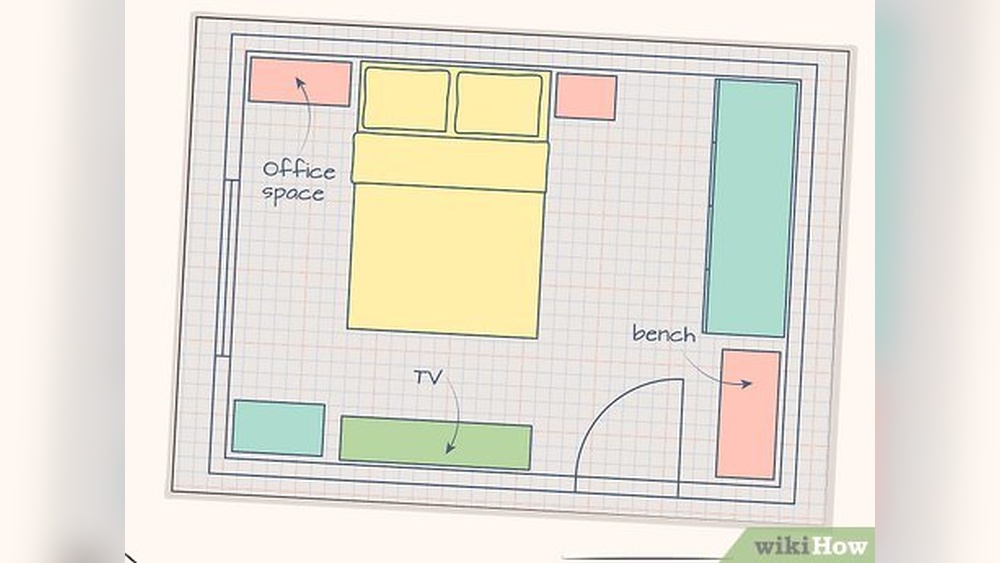
Credit: www.wikihow.com
Measure Your Space
Measuring your space is the first step in arranging furniture in a small bedroom. Without knowing exact room size, furniture placement can feel tricky and cluttered. Taking clear measurements helps plan where each piece fits best.
Accurate measurements prevent overcrowding. They give a real picture of usable space. This way, you can avoid buying too-large furniture or wasting room corners.
Take Accurate Room Dimensions
Use a tape measure to get room length and width. Measure from wall to wall along the floor. Write down these numbers carefully. Check twice to avoid mistakes. Include closet spaces if they affect layout.
Note Door And Window Placement
Mark where doors and windows sit on your measurements. Note how far they are from corners. Doors need space to open fully. Windows bring light and affect wall use. Avoid blocking these areas with big furniture.
Consider Ceiling Height
Measure the height from floor to ceiling. Low ceilings limit tall furniture choices. Higher ceilings allow for shelves or loft beds. Think about vertical space to keep the room feeling open. Use height to your advantage.

Credit: www.designcafe.com
Choose The Right Furniture
Choosing the right furniture is key to making a small bedroom feel spacious and cozy. The right pieces save space and make the room functional. Avoid bulky furniture that can crowd the room. Instead, pick items that fit well and serve more than one purpose.
Opt For Multi-functional Pieces
Multi-functional furniture saves space and adds value. A bed with drawers underneath provides storage without extra furniture. A fold-out desk can become a workspace or a nightstand. Choose pieces that do more than one job to keep the room tidy and open.
Pick Scale-appropriate Items
Small bedrooms need smaller furniture. Large beds or dressers can overwhelm the space. Choose a bed that fits well without blocking movement. Use smaller nightstands and dressers to keep the room balanced. Proper scale makes the room look bigger and feels comfortable.
Select Light And Slim Designs
Light and slim furniture feels less heavy in a small room. Thin legs and open designs create a sense of space. Avoid bulky, solid pieces that block light and sightlines. Clear or light-colored furniture brightens the room and keeps it airy.
Maximize Bed Placement
Maximizing bed placement is key in a small bedroom. The bed takes up most space, so placing it smartly frees room for other furniture. A good layout makes the room feel bigger and more comfortable. Try different positions to find what fits best.
Position Against A Wall
Place the bed flat against one wall. This opens the center of the room for movement. It also creates more space for nightstands or shelves. Choose a wall without windows for less noise and light. This setup keeps the room simple and neat.
Try Corner Bed Setup
Push the bed into a corner to save space. This arrangement frees up two walls for storage or decorations. It gives the room a cozy feel. Corner placement works well with smaller beds. It also creates more floor space for other uses.
Use Under-bed Storage
Use the space under the bed to store items. Choose beds with built-in drawers or use storage boxes. This reduces clutter in a small room. Keep seasonal clothes or extra bedding under the bed. It keeps things organized and out of sight.
:max_bytes(150000):strip_icc()/hermosa-ave-home-tour-kids-bedroom-0320-opus1-752fd1b51889479c8093e6215efe9c26.jpg)
Credit: www.marthastewart.com
Arrange Storage Strategically
Arranging storage in a small bedroom needs careful planning. Using smart storage ideas saves space and keeps the room neat. It helps to place furniture without making the room feel crowded. Strategic storage turns a small bedroom into a cozy, organized space.
Incorporate Vertical Shelving
Vertical shelves use wall height instead of floor space. They create extra room for books, decor, or clothes. Tall shelves draw the eyes up, making the room feel larger. Place shelves near the bed or above doors for easy reach.
Use Floating Shelves
Floating shelves are simple and stylish storage solutions. They do not take floor space, freeing room for other furniture. These shelves hold small items like clocks, plants, or photo frames. Install them at different heights to add visual interest.
Install Wall-mounted Hooks
Wall hooks keep things off the floor and within reach. Hang bags, hats, or jackets on these hooks. They help reduce clutter and make the room tidy. Place hooks near the door or beside the bed for quick access.
Create Clear Pathways
Creating clear pathways in a small bedroom helps the space feel open and easy to move in. Proper furniture placement avoids crowding and keeps the room comfortable. Clear paths also make the bedroom safer and more inviting.
Allow Space For Movement
Leave enough room between furniture pieces for walking. A gap of at least two feet works well. This space lets you move freely without bumping into things. Keep pathways clear near doors and windows too.
Avoid Cluttered Corners
Empty corners make the room feel less cramped. Avoid piling furniture or decorations in corners. Use small shelves or simple items if needed. Open corners create a sense of balance and light.
Use Rugs To Define Areas
Place rugs to mark walking paths or seating zones. Rugs guide movement and add warmth to the room. Choose sizes that fit the space without blocking walkways. This technique helps organize the room visually.
Enhance Lighting And Mirrors
Lighting and mirrors play a key role in small bedroom design. They make the room feel larger and brighter. Proper use of lamps, mirrors, and colors can create a fresh and open space. These elements enhance natural light and add depth to the room. Here is how to use them effectively.
Place Lamps To Save Floor Space
Choose wall-mounted or clamp lamps to save floor space. Small bedrooms benefit from lighting that does not take up room. Bedside lamps attached to the wall free up nightstands. Use adjustable lamps to focus light where you need it most. This keeps the floor clear and the space uncluttered.
Use Mirrors To Open Space
Mirrors reflect light and create a sense of depth. Place a large mirror opposite a window to double natural light. Use tall mirrors to draw the eye upward and add height. Avoid small, heavy frames that make the room feel crowded. Mirrors also work well on closet doors or behind furniture.
Choose Light Colors And Reflective Surfaces
Light colors reflect more light and brighten the room. Use soft whites, pale blues, or gentle grays on walls and furniture. Reflective surfaces like glass, metal, or glossy finishes bounce light around. A light-colored rug or bedding also helps brighten the space. These choices make the bedroom feel open and airy.
Incorporate Flexible Seating
In a small bedroom, seating can take up a lot of space. Flexible seating helps save room and keeps the area comfortable. It lets you change the layout based on your needs. This way, you can have both a place to sit and enough space to move around.
Choose Foldable Chairs
Foldable chairs are easy to store. You can keep them in a closet or under the bed. When you need extra seating, just unfold them. They are light and simple to move. This makes your small bedroom feel less crowded.
Use Ottomans With Storage
Ottomans serve two purposes. They provide a seat and extra storage inside. Use them to hold blankets, books, or clothes. This cuts down on clutter in your room. Plus, they fit nicely near the bed or desk.
Consider Wall-mounted Desks
Wall-mounted desks do not take up floor space. They fold up when not in use. This frees up room for other furniture or activities. You can use the desk for work or study. It keeps your small bedroom neat and open.
Frequently Asked Questions
Where Is The Best Spot For A Bed In A Small Bedroom?
Place the bed against the longest wall to maximize floor space. Avoid blocking windows or doors. This layout allows easy movement and creates a balanced room appearance.
How Can I Arrange Furniture To Save Space In Small Bedrooms?
Use multifunctional furniture and keep pieces close to walls. Avoid overcrowding by selecting essential items only. Arrange furniture to maintain clear pathways for better flow and comfort.
What Furniture Should I Avoid In A Small Bedroom?
Avoid bulky or oversized furniture that overwhelms the space. Skip large dressers or armoires. Opt for streamlined, compact pieces to keep the room airy and functional.
How Can I Create Storage Without Cluttering A Small Bedroom?
Choose furniture with built-in storage like beds with drawers. Use vertical space with shelves or wall-mounted organizers. Keep surfaces clear to maintain a tidy, spacious feel.
Conclusion
Small bedrooms need smart furniture placement to feel spacious. Use walls for beds or shelves to save floor space. Keep pathways clear for easy movement and comfort. Choose furniture that fits well and serves more than one purpose. Bright colors and good lighting help open the room visually.
A tidy, organized space feels bigger and more relaxing. Try these tips to make your small bedroom both cozy and functional. Simple changes can create a big difference in your room’s look and feel.