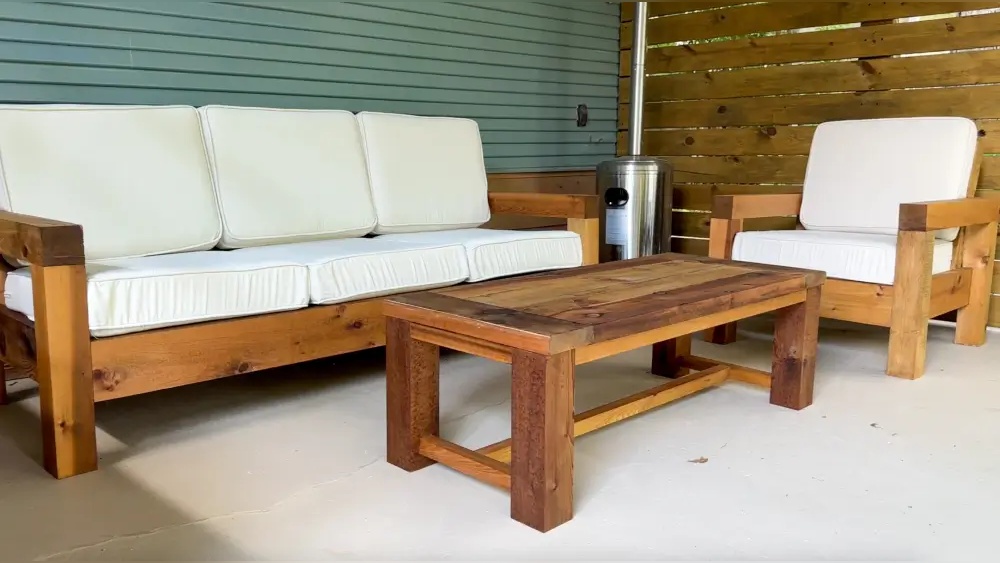
Are you dreaming of creating your own wooden outdoor furniture but don’t know where to start? Making your own pieces gives you the chance to design exactly what fits your space and style.
Plus, nothing beats the satisfaction of sitting on something you built with your own hands. In this guide, you’ll discover simple steps and helpful tips that make the process easy, even if you’re new to woodworking. Keep reading, and by the end, you’ll be ready to bring your perfect outdoor furniture to life—strong, beautiful, and built to last.
Choosing The Right Wood
Choosing the right wood is the first step to make strong outdoor furniture. Wood must resist rain, sun, and insects. It should last long and stay beautiful with little care. Picking the correct wood type makes your furniture safe and comfy. The wood’s quality affects how your furniture looks and holds up over time.
Types Of Wood For Outdoor Use
Some woods work better outside than others. Teak is very strong and stays smooth. Cedar smells good and stops bugs. Redwood has natural oils that fight decay. Pine is cheap but needs treatment to last. Choose wood that resists water and insects well.
Wood Treatment Options
Treating wood helps it survive outdoor weather. Use sealants to block water and sun. Stains add color and protect from fading. Paint works as a strong shield but can peel. Oils soak into wood to keep it healthy. Treat wood before building furniture for best results.
Sourcing Quality Lumber
Good wood starts with good lumber. Pick wood without cracks or knots. Buy from trusted stores or sawmills. Check if the wood is dried properly. Fresh wood can warp or crack fast. Quality lumber makes furniture last many years outdoors.

Credit: www.youtube.com
Essential Tools And Materials
Making wooden outdoor furniture needs the right tools and materials. These help you build strong, lasting pieces. Choosing good quality items makes your work easier and the result better.
Basic Woodworking Tools
Start with simple tools like a handsaw, hammer, and measuring tape. A drill helps make holes and fasten screws. Sandpaper smooths rough wood surfaces. Clamps hold pieces steady while you work. A square tool ensures corners are even and straight.
Protective Finishes And Sealants
Wood outside must resist water and sun damage. Use outdoor wood paint or stain to protect color and texture. Sealants stop water from soaking into the wood. Polyurethane and varnish are common sealants. Apply several coats for strong protection.
Safety Gear
Safety is key in woodworking. Wear goggles to protect your eyes from dust and chips. Use gloves to avoid splinters and cuts. Hearing protection helps when using loud power tools. A dust mask stops you from breathing sawdust. Always work in a well-ventilated area.
Preparing The Wood
Preparing the wood is the first important step in making outdoor wooden furniture. It helps the wood last longer and look better. Proper preparation protects the wood from weather and damage. This stage sets the foundation for strong and beautiful furniture.
Measuring And Cutting
Start by measuring the wood pieces carefully. Use a tape measure and mark the wood with a pencil. Cut the wood with a saw along the marks. Accurate cuts make sure the pieces fit well. Take your time to avoid mistakes.
Sanding And Smoothing
After cutting, sand the wood surface to remove rough spots. Use sandpaper or a sanding block. Smooth edges and surfaces prevent splinters. Sand until the wood feels soft and even. Clean the dust off before the next step.
Pre-treatment Steps
Treat the wood to protect it from water and insects. Apply a wood preservative or primer with a brush. Let it dry fully before building. This step helps the wood resist weather and decay. It keeps your furniture strong for years.
Assembling Your Furniture
Assembling your wooden outdoor furniture is an exciting step. It turns your raw materials into a useful piece. Taking care during this process ensures your furniture lasts long and stays strong. Focus on proper techniques and tools for a smooth build.
Joinery Techniques
Joinery is the way wooden pieces connect. Common methods include dowels, mortise and tenon, and biscuit joints. These create strong bonds without metal parts. Proper joinery gives your furniture a clean look. It also improves durability and stability.
Using Screws And Nails
Screws and nails add extra strength to joints. Screws hold parts tightly and resist pulling apart. Nails are quicker to use but less strong than screws. Pre-drill holes to avoid wood splitting. Choose rust-resistant screws and nails for outdoor use.
Ensuring Stability
Stability keeps your furniture safe and comfortable. Check all joints are tight and well-aligned. Use clamps to hold parts while fastening. Test the furniture by pressing or sitting gently. Adjust loose areas to prevent wobbling or tipping.
Applying Protective Finishes
Applying protective finishes is a key step in making wooden outdoor furniture last longer. Wood faces weather, sun, and moisture. Protective finishes guard against damage and keep furniture looking good. They also help prevent cracking, fading, and warping. Choosing the right finish and applying it properly ensures strong protection. Regular maintenance keeps the finish effective over time.
Choosing The Right Sealant
Select a sealant made for outdoor wood. Look for water resistance and UV protection. Clear sealants keep natural wood color. Tinted ones add color and hide stains. Oil-based sealants soak deep and protect well. Water-based sealants dry faster and have less odor. Match the sealant with the wood type for best results.
Step-by-step Application
Start by sanding the wood smooth. Remove dust with a clean cloth. Apply sealant with a brush or cloth. Use even, thin coats to avoid drips. Let the first coat dry fully. Apply a second coat for stronger protection. Follow the sealant’s instructions for drying times. Work in a well-ventilated area for safety.
Maintenance Tips
Check your furniture each season. Clean dirt and debris gently with mild soap and water. Avoid harsh chemicals that can damage the finish. Reapply sealant every 1-2 years or as needed. Sand lightly before reapplying for better adhesion. Cover furniture during harsh weather to extend its life.
:max_bytes(150000):strip_icc()/patio-furniture-plans-4769226-hero-2ba4479863d84c908bb86a06830f023d.jpg)
Credit: www.thespruce.com
Enhancing Durability
Wooden outdoor furniture adds charm and comfort to any garden or patio. Protecting it from sun, rain, and insects keeps it strong and beautiful. Enhancing durability means the furniture lasts longer and stays safe from damage.
Simple steps can make a big difference in preserving your wooden pieces. Regular care and timely repairs keep the wood healthy. This section covers key ways to boost the life of your outdoor wooden furniture.
Weatherproofing Tips
Apply a good sealant to block water and moisture. Use oil-based or water-based wood sealers designed for outdoors. Cover furniture during heavy rain or snow to avoid soaking. Place furniture in shaded spots to reduce sun damage. Use cushions to protect surfaces from scratches and fading.
Regular Care Routines
Clean wood surfaces often using mild soap and water. Avoid harsh chemicals that can strip natural oils. Dry furniture thoroughly after washing to stop mold growth. Check for signs of wear or insect damage every month. Sand rough spots lightly before applying new finish or oil.
Repairing Damage
Fix cracks and splits quickly to prevent further decay. Use wood filler to fill small gaps and holes. Replace broken parts with matching wood pieces. Tighten loose screws and joints to keep structure stable. Treat damaged areas with protective coatings after repairs.
Design Ideas And Inspiration
Design ideas help you create wooden outdoor furniture that fits your space. They guide your choices on style, function, and comfort. Inspiration sparks creativity and makes your project enjoyable.
Explore simple and practical design concepts. Think about customizing pieces to suit your taste. Also, consider adding comfort features for long-lasting use.
Simple Styles For Beginners
Start with clean, basic shapes. Straight lines and flat surfaces are easier to build. A bench or a small table works well. Use common wood types like pine or cedar. These materials are easy to cut and join. Avoid complex curves or intricate details.
Customizing Your Furniture
Add personal touches to make your pieces unique. Paint or stain wood in your favorite colors. Carve simple patterns or initials for a special look. Change sizes to fit your space perfectly. Add shelves or hooks for extra function. Small changes make furniture fit your style.
Incorporating Comfort Features
Comfort is key for outdoor furniture. Use smooth sanding to avoid splinters. Add cushions or pillows for softness. Choose weather-resistant fabrics for durability. Build armrests and backrests for support. Make sure the height fits your needs. Comfortable furniture invites people to relax longer.

Credit: www.youtube.com
Frequently Asked Questions
What Wood Is Best For Outdoor Furniture Making?
Teak, cedar, and redwood are top choices for outdoor furniture. They resist moisture, decay, and insects well. These woods last longer and require less maintenance. Choose wood based on durability and climate suitability for your outdoor space.
How Do I Protect Wooden Outdoor Furniture?
Apply a high-quality outdoor sealant or wood preservative. This protects wood from moisture, UV rays, and temperature changes. Regularly clean and reapply the sealant every 1-2 years to maintain protection. Proper care extends the furniture’s lifespan significantly.
Can I Build Outdoor Furniture Without Professional Tools?
Yes, basic tools like a saw, drill, and screwdriver suffice. Simple furniture designs require minimal tools and skills. Start with easy projects and gradually improve your woodworking skills. This saves money and adds a personal touch to your outdoor space.
How Long Does Wooden Outdoor Furniture Usually Last?
With proper care, wooden outdoor furniture can last 10-20 years. Maintenance like sealing, cleaning, and repairs extend its life. Weather conditions and wood type also affect longevity. Regular upkeep is key to enjoying durable outdoor furniture.
Conclusion
Creating wooden outdoor furniture brings warmth and charm to any space. Choose good wood and simple tools to start your project. Take time to measure and cut carefully for best results. Treat the wood to protect it from weather damage.
Regular care keeps your furniture strong and beautiful for years. Enjoy the satisfaction of using something you built yourself. Wooden furniture adds a natural feel to your outdoor area. Give it a try and see how rewarding it can be!


