Do you want your outdoor furniture to stay looking great year-round? You might be wondering if covering it is really necessary.
Leaving your furniture exposed can lead to damage from sun, rain, dirt, and pests. But is covering it the best way to protect your investment? You’ll discover simple truths and expert tips that help you decide when and how to cover your outdoor furniture.
Keep reading to learn how to keep your outdoor space inviting and your furniture lasting longer.
:max_bytes(150000):strip_icc()/spr-otk-fj-outdoor-patio-furniture-covers-waterproof-uv-resistant-anti-fading-cover-x-large-round-table-chairs-set-dburreson-13-d5f0f236a2d34497bb8f72b8b5fd51bc.jpeg)
Credit: www.thespruce.com
Reasons To Cover Outdoor Furniture
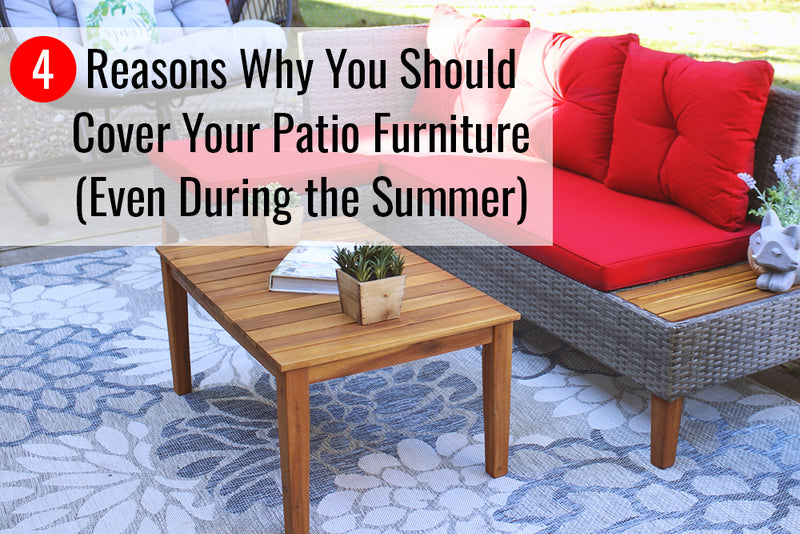
Covering outdoor furniture is a smart choice for many reasons. It helps keep your furniture in good shape. Covers protect against many problems that can occur outside. The benefits go beyond just keeping dirt off. Here are some key reasons to cover your outdoor furniture.
Protection From Weather Elements
Rain, snow, and sun can harm outdoor furniture. Water can cause rust on metal and rot on wood. Sunlight can dry out and crack materials. Covers block these elements and extend furniture life. They keep cushions dry and frames safe.
Preventing Fading And Discoloration
Sunlight can fade colors and make materials dull. Fabric and plastic lose their bright look over time. Covers shield furniture from harsh UV rays. This keeps your furniture looking new longer.
Avoiding Damage From Pests
Insects and animals can damage outdoor furniture. Birds may leave droppings, bugs can chew or nest. Covers create a barrier that keeps pests away. This helps maintain the furniture’s condition.
Reducing Cleaning And Maintenance
Covers stop dirt, dust, and leaves from building up. Less cleaning means less wear on your furniture. It also saves time and effort. Covered furniture needs fewer repairs and lasts longer.
Types Of Outdoor Furniture Covers
Outdoor furniture covers protect your pieces from weather and dirt. They come in different types, each serving a special purpose. Choosing the right cover helps keep your furniture safe and looking new for longer.
Understanding the types of covers can help you decide which one fits your needs best.
Materials Used For Covers
Outdoor furniture covers are made from various materials. Common ones include polyester, vinyl, and canvas. Polyester is lightweight and easy to handle. Vinyl offers strong water resistance. Canvas is durable and breathable. Each material offers different protection levels.
Waterproof Vs. Breathable Covers
Waterproof covers keep rain and moisture out completely. They protect furniture during heavy rain. Breathable covers allow air to pass through. This prevents mold and mildew buildup. Choose based on your climate and furniture type.
Custom-fit Vs. Universal Covers
Custom-fit covers match furniture shapes exactly. They offer the best protection and look neat. Universal covers fit many furniture types but may be loose. They are usually more affordable. Consider size and shape before choosing a cover.
When To Cover Outdoor Furniture
Knowing when to cover outdoor furniture helps protect it and extend its life. Covering furniture at the right times keeps it safe from damage. It also keeps the furniture clean and looking fresh. Some times need more care than others. Learn the best times to cover your outdoor furniture for lasting use.
Seasonal Considerations
Cover furniture during fall and winter seasons. Leaves, rain, and frost can cause damage. Summer sun can also fade colors and dry out materials. Covering furniture during these seasons helps avoid wear and tear. It keeps cushions dry and fabric from cracking. Think about the local climate when deciding to cover.
During Harsh Weather Conditions
Strong winds, heavy rain, and snow can harm furniture. Covering furniture before storms prevents dirt and water damage. Protect metal parts from rust and wood from swelling. Covers create a barrier against dust and debris. Remove covers on sunny days to avoid mold growth.
Long-term Storage Periods
Furniture stored for months needs full protection. Covering prevents dust buildup and insect damage. Use breathable covers to avoid moisture trapping. Clean furniture before covering to prevent stains. Store furniture in a dry, shaded area when possible. Proper covering reduces the risk of costly repairs later.

Credit: www.reddit.com
Tips For Using Furniture Covers Effectively
Using furniture covers can extend the life of your outdoor furniture. Proper use of these covers helps keep your furniture safe from weather damage and dirt. Follow these tips to use covers effectively and protect your outdoor space.
Proper Cleaning Before Covering
Clean your furniture before placing covers on it. Dirt and moisture trapped under covers can cause mold and damage. Use a soft brush or cloth to remove dust and debris. Let your furniture dry completely to avoid moisture buildup.
Ensuring Adequate Ventilation
Good airflow prevents mold and mildew under covers. Choose covers with ventilation holes or breathable fabric. Avoid sealing covers too tightly. Ventilation helps keep your furniture fresh and dry.
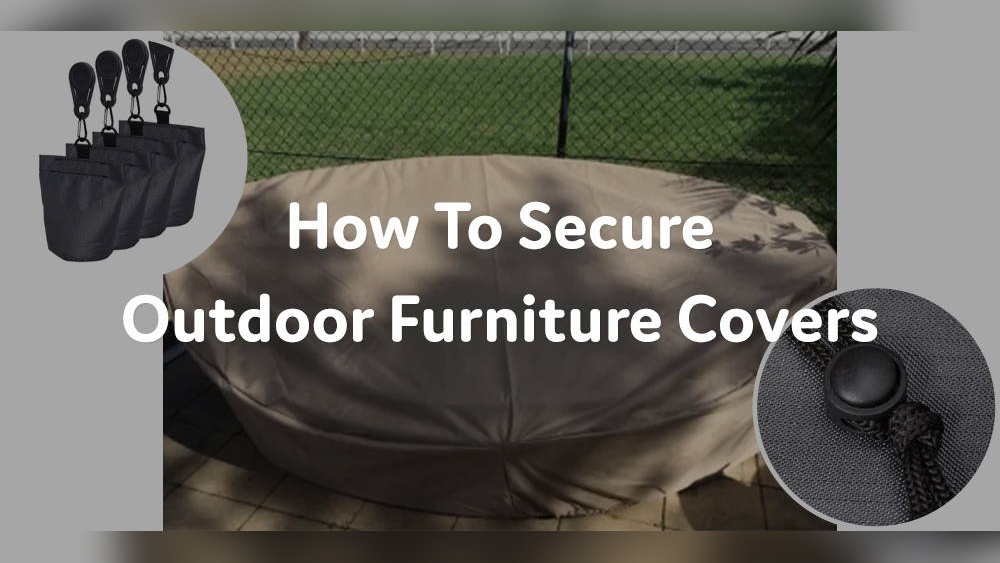
Securing Covers To Prevent Wind Damage
Strong winds can blow covers off or cause damage. Use straps, ties, or elastic hems to keep covers in place. Check covers regularly after windy days. Properly secured covers protect furniture and avoid unnecessary wear.
Alternatives To Covering Furniture
Covering outdoor furniture protects it from rain, sun, and dust. But covers can be bulky and hard to manage. Some people prefer other ways to keep their furniture safe and looking good. These options help reduce wear without the need for covers.
Using Protective Finishes
Applying protective finishes adds a strong layer to furniture surfaces. Paints, sealants, and varnishes block moisture and UV rays. They make cleaning easier and slow down fading and cracking. Reapplying these finishes once or twice a year keeps furniture in good shape.
Choosing Weather-resistant Materials
Picking furniture made from weather-resistant materials saves time and effort. Teak, cedar, and metal resist water and insects well. Synthetic wicker and plastic are also good choices. These materials need less protection and stay durable outdoors for a long time.
Storing Furniture Indoors
Moving furniture indoors during bad weather extends its life. Garages, sheds, or covered patios are great spots. This keeps furniture safe from heavy rain, snow, and harsh sun. Storing furniture inside during winter prevents damage and fading.
Common Mistakes To Avoid
Protecting outdoor furniture is important to keep it in good shape. People often make mistakes that can harm their furniture instead of helping. Avoiding these common errors saves time and money. Understand these mistakes to care for your furniture properly.
Covering Wet Furniture
Never cover outdoor furniture while it is still wet. Moisture trapped under the cover causes mold and mildew. These grow quickly and damage the fabric or wood. Always let your furniture dry completely before covering it.
Ignoring Fit And Size
Using covers that do not fit well is a big mistake. Too loose covers can blow away with the wind. Too tight covers may tear or damage the furniture. Choose covers that fit snugly and protect all parts of the furniture.
Neglecting Regular Inspections
Many skip checking their covered furniture regularly. This lets small problems grow unnoticed. Look under covers often to spot mold, rust, or tears early. Regular checks help keep furniture safe and lasting longer.
Credit: sunnydazedecor.com
Frequently Asked Questions
Do Outdoor Furniture Covers Prevent Weather Damage?
Yes, covers protect furniture from rain, sun, and dust. They help prevent fading, rust, and mold, extending furniture life.
When Is The Best Time To Cover Outdoor Furniture?
Cover furniture during harsh weather like heavy rain, snow, or intense sun. Off-season storage is also ideal for covering.
Can I Leave Outdoor Furniture Uncovered Year-round?
Leaving furniture uncovered can cause wear and tear. Covers are recommended to protect against weather and dirt buildup.
What Materials Are Best For Outdoor Furniture Covers?
Choose waterproof, breathable fabrics like polyester or vinyl. These materials protect well and prevent moisture buildup that causes mold.
Conclusion
Covering outdoor furniture helps protect it from rain, sun, and dust. It keeps your furniture looking new longer. Covers save money by reducing wear and tear. Choose covers that fit well and allow air flow. Check and clean covers regularly to avoid mold.
Protecting your furniture is a smart way to enjoy it more. A little care goes a long way. Keep your outdoor space inviting and comfortable all year.