Have you ever wondered what a knight’s bedroom looked like? Imagine stepping into a room filled with strong, sturdy furniture built for both comfort and battle readiness.
Your curiosity about the pieces that made up a knight’s personal space could reveal surprising details about their daily life and status. You’ll discover exactly what furniture would be in a knight’s bedroom and why each item mattered. Keep reading to unlock the secrets of medieval living and see how your own space might be inspired by these timeless designs.

Credit: casakids.com
Medieval Bedroom Basics
A knight’s bedroom in medieval times was simple but functional. It served as a place to rest and prepare for the day ahead. Comfort was important, but practicality ruled the space.
The room had essential furniture to support the knight’s daily life. Every piece had a purpose, reflecting the lifestyle of the medieval era.
Typical Room Layout
The bedroom was usually small and placed near the great hall. The bed took up most of the space. It stood against a wall to save room.
A wooden chest sat near the bed to hold clothes and armor. A small table or stool provided a place to sit or set items. The room had little decoration, focusing on usefulness.
Materials Used
Wood was the main material for furniture. Oak and pine were common choices because they were strong and available. The bed frame, chest, and stools were made from solid wood.
Textiles like wool and linen covered the bed and floor. Animal hides sometimes added warmth and comfort. Metal fittings and nails held the furniture together securely.
The Bed
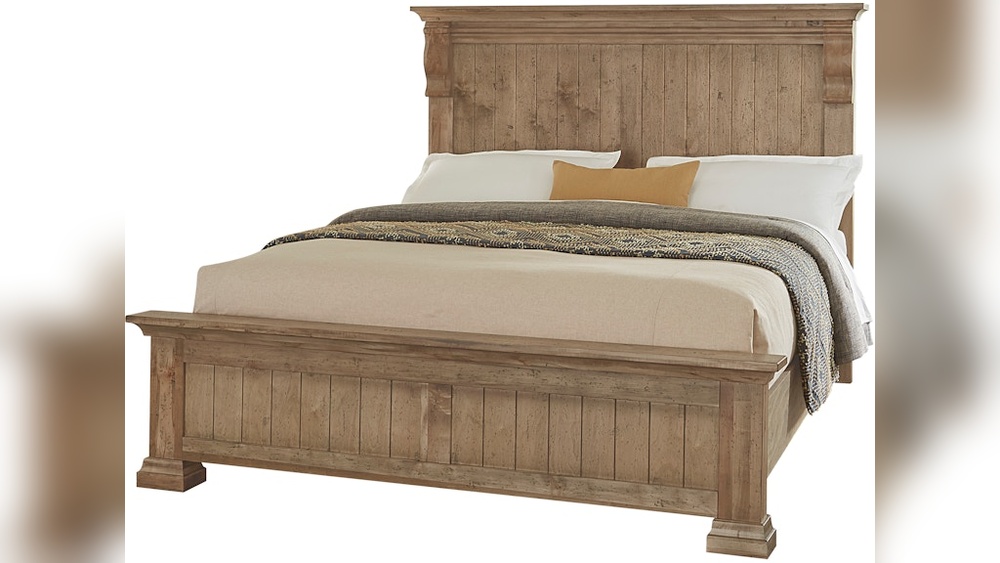
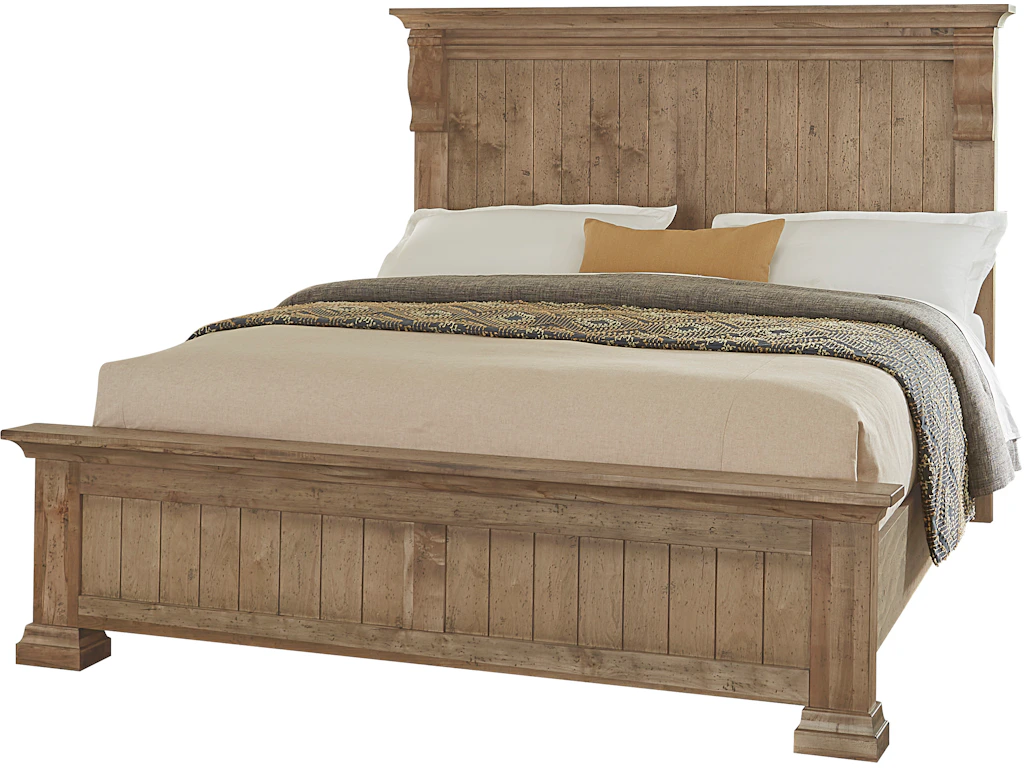
The bed was the centerpiece of a knight’s bedroom. It offered rest after long days and nights spent in armor. Comfort mattered, but strength and style were key. The bed showed the knight’s status and taste. It combined practical design with rich decoration.
Wooden Frame And Canopy
The bed frame was usually made of strong wood like oak. It had thick posts to hold a canopy. The canopy protected from cold drafts in stone castles. Heavy curtains often hung from the frame. These curtains could be closed for privacy and warmth. Carvings decorated the wood, showing family crests or symbols.
Mattress And Bedding
The mattress was filled with straw or feathers for softness. Knights needed a bed that supported tired muscles well. Bedding included wool blankets and linen sheets. These kept the knight warm during chilly nights. Sometimes, rich fabrics like velvet covered the bed for a grand look. Pillows were stuffed with feathers to provide comfort for the head.
Storage Solutions
Knights needed practical storage in their bedrooms. Their rooms held armor, weapons, clothes, and personal items. Storage solutions kept things organized and protected. Strong wooden furniture was common. It served both as storage and decoration. These pieces had to be sturdy for heavy items.
Chests And Trunks
Chests and trunks were the main storage options. They stored armor, weapons, and textiles safely. Often made of oak or pine wood, these chests were strong. Metal bands and locks protected the contents. Knights used chests to keep valuables secure. Some chests had compartments for smaller items. They also acted as seats or tables.
Wardrobes And Armoires
Wardrobes and armoires stored clothes and gear neatly. These tall wooden cabinets had shelves and hanging space. They kept garments wrinkle-free and ready to wear. Carved designs showed the knight’s status and taste. Doors with iron hinges secured the contents. Wardrobes made the room look orderly and tidy.
Credit: www.knightfurn.com
Seating And Tables
The seating and tables in a knight’s bedroom served both comfort and function. These pieces of furniture were simple yet sturdy. They helped the knight rest, eat, and prepare for the day. Each item had a clear purpose in daily life.
Stools And Chairs
Stools and chairs in a knight’s room were made of wood. They had no soft cushions. The design was plain but strong. Stools were easy to move and used for quick sitting. Chairs often had a high back for support. They showed some rank or style with carved details. These seats were practical for the knight’s needs.
Writing Desks And Tables
Desks and tables were essential for writing letters and planning. These surfaces were flat and solid. Knights used them to read maps or hold small weapons. Some tables had drawers to keep ink and quills. The size was enough for work but did not take much space. These items helped the knight stay organized and prepared.
Decorative Elements
The decorative elements in a knight’s bedroom played a big role in showing status and taste. These decorations made the room feel warm and impressive. They also told stories of battles and family heritage. The room was not just for rest but a place to show pride.
Colors, textures, and patterns were carefully chosen. Each item had meaning and purpose. Rich materials like wool, silk, and leather were common. The walls and floors were covered with art and fabric to keep out cold and noise.
Tapestries And Wall Hangings
Tapestries were a key decorative feature in a knight’s room. These large woven fabrics showed scenes of battles, hunting, or legends. They added color and life to stone walls. Tapestries also helped keep the room warm by blocking drafts.
Wall hangings often carried family crests or symbols. They showed loyalty and history. Some tapestries were handmade with bright dyes, making the room look rich and inviting. Knights used these to remind themselves of honor and bravery.
Rugs And Floor Coverings
Rugs covered cold stone floors in a knight’s bedroom. They made the room more comfortable and less noisy. Rugs often had strong patterns and colors. These patterns sometimes matched the tapestries on the walls.
Floor coverings were made from wool or animal hides. They protected feet from the cold and rough floor. Rugs also marked important spaces, like near the bed or door. They added a soft touch to the room’s hard surfaces.
Lighting And Accessories
The knight’s bedroom was more than a place to sleep. It was a space filled with useful lighting and personal touches. These items helped knights prepare for battle and relax after a long day. Lighting and accessories in a knight’s room show a mix of function and comfort.
Light was important because knights needed to see their armor and weapons clearly. Accessories added personality to the room and kept important things close.
Candles And Lanterns
Candles were the main source of light in a knight’s room. Made from beeswax or tallow, they burned with a soft, warm glow. Knights placed candles in metal or stone holders to avoid fire risks. Lanterns protected flames from wind and helped carry light around the castle. These lights allowed knights to read maps or write letters after dark. The flickering flame created a calm and quiet atmosphere.
Mirrors And Personal Items
Mirrors were rare but valuable in a knight’s bedroom. Small polished metal or glass mirrors helped knights check their appearance. They ensured helmets and armor fit properly before battle. Personal items like combs, brushes, and small chests held grooming tools and keepsakes. These objects showed the knight’s care for appearance and identity. Personal effects also included religious symbols or lucky charms for protection.
Armor And Weapon Storage
A knight’s bedroom was not just a place to sleep. It also held important gear. Armor and weapons needed safe, neat storage. This furniture kept them ready for battle or display. It showed the knight’s strength and skill.
Racks And Stands
Racks and stands were common in a knight’s room. They held helmets, shields, and swords. Wood or metal made these racks strong. Some racks had hooks for hanging chainmail or gauntlets. These kept armor pieces in good shape. Stands for swords kept blades sharp and safe.
Display And Accessibility
Armor and weapons were often displayed proudly. The knight wanted to see them easily. Display racks showed off fine details and craftsmanship. Accessibility was key for quick use. Items were arranged for fast grabbing. This helped the knight prepare for battle fast. The room balanced order and readiness.
Credit: www.homedepot.com
Frequently Asked Questions
What Essential Furniture Was In A Knight’s Bedroom?
A knight’s bedroom typically included a sturdy wooden bed with heavy curtains. There was a chest for armor and weapons, a small writing desk, and a chair. Tapestries and rugs added warmth and decoration to the stone room.
Did Knights Have Special Furniture For Armor Storage?
Yes, knights used strong chests or wooden racks to store armor safely. This furniture was designed to keep armor organized and protected from damage or rust. It was essential for maintaining their battle gear.
How Was A Knight’s Bedroom Decorated?
Knights decorated their bedrooms with tapestries depicting battles or heraldry. Rugs and heavy curtains helped insulate the cold stone walls. Decorative shields and weapons often adorned the room, reflecting their status and achievements.
Was There Furniture For Relaxation In A Knight’s Room?
Knights had simple chairs or benches to sit and rest. Some rooms included a small writing desk for letters or planning. Comfort was basic, as functionality and defense were prioritized over luxury.
Conclusion
A knight’s bedroom held simple but strong furniture. A sturdy wooden bed, a chest for armor, and a small table were common. These items showed the knight’s life of duty and rest. Such furniture helped keep the room neat and ready.
It also reflected the knight’s brave and disciplined nature. Understanding this helps us see how knights lived daily. Their rooms were both practical and personal. This glimpse into history makes the past more real and clear.

