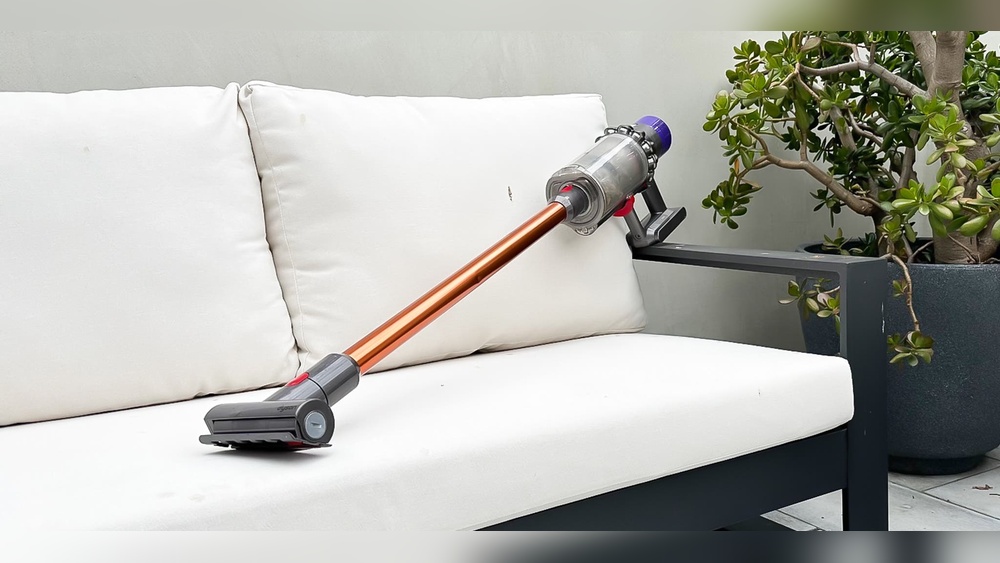
Do you have an old couch sitting unused, taking up space? What if you could turn it into a cozy outdoor furniture piece that adds charm to your garden or patio?
Imagine relaxing outside on a comfy seat you made yourself—saving money and giving new life to something old. In this guide, you’ll discover simple, step-by-step ways to transform your worn-out couch into stylish outdoor seating. Ready to impress your guests and enjoy fresh air in comfort?
Let’s get started!
Choosing The Right Couch
Choosing the right couch is the first step to creating great outdoor furniture from an old piece. The couch must fit your space and stand up to outdoor conditions. Picking the right one will make your project easier and more enjoyable.
Material Considerations
Start by checking the couch material. Wood frames work well outside but need sealing. Metal frames resist weather but can rust. Avoid couches with fabric that absorbs water or fades quickly. Look for synthetic or outdoor-friendly fabrics.
Assessing Couch Condition
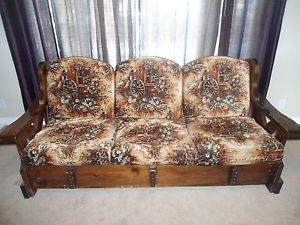
Check the couch for damage. Loose joints, broken springs, or torn cushions can be fixed. Avoid couches with mold or severe rot. A solid frame saves time and money. Fixing small problems is okay, but major damage is not worth it.
Size And Space Planning
Measure the couch and your outdoor area. Make sure the couch fits without crowding. Think about how many people will sit on it. A couch too big or too small will not work well. Plan space for walking and other furniture too.
Credit: www.mysoulfulhome.com
Gathering Materials And Tools
Before you start turning your old couch into outdoor furniture, gather all needed materials and tools. This step makes the project smoother and faster. Having everything ready helps avoid interruptions and mistakes.
Essential Supplies
Choose weather-resistant fabric to cover the couch. Pick strong outdoor paint or sealant to protect the wood or metal parts. Get foam or cushions made for outside use. Use screws, nails, or brackets for extra support. Sandpaper helps smooth rough surfaces. Wood or metal primer ensures paint sticks well.
Tools For The Project
Have a drill ready for screws and holes. Use a paintbrush or roller for applying paint or sealant. A staple gun fastens fabric tightly. Scissors or a utility knife cuts fabric and foam. A screwdriver helps tighten screws. A measuring tape ensures precise cuts and fitting.
Protective Gear
Wear gloves to protect your hands from splinters and chemicals. Safety goggles shield your eyes from dust and paint. A dust mask stops you from breathing harmful particles. Old clothes keep your skin safe from stains. Working safely makes the project more enjoyable and injury-free.
Preparing The Couch
Preparing an old couch for outdoor use takes careful work. It helps the couch last longer and look better outside. This step makes sure the couch is clean and ready for new materials. Follow these simple tasks to get your couch ready.
Cleaning And Stripping
Start by cleaning the couch well. Remove dust, dirt, and stains using a mild soap and water. Use a brush to scrub hard spots gently. Let the couch dry completely before moving on.
Strip off any old paint or varnish on the wooden parts. Use a paint stripper or sandpaper to remove it. This helps protect the wood from weather damage later.
Removing Fabric And Cushions
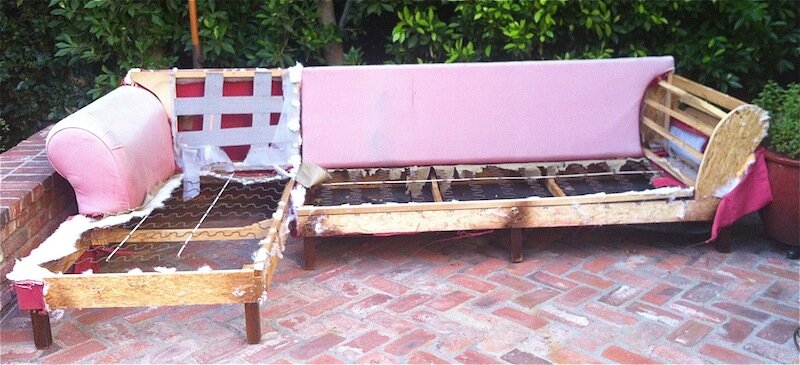
Take off all the fabric coverings carefully. Use scissors or a staple remover if needed. Remove the cushions and any stuffing inside the couch. Keep the frame only to make it easier to work with.
Check the frame for any nails or staples left behind. Pull them out to avoid injury and make the surface smooth.
Sanding And Smoothing
Sand all wooden parts of the couch with medium-grit sandpaper. This removes rough spots and old finish. Follow with fine-grit sandpaper for a smooth surface.
Wipe away the dust with a damp cloth. A smooth surface helps paint or sealant stick better. This step protects the wood and improves the couch’s look outdoors.
Credit: www.hometalk.com
Weatherproofing The Frame
Weatherproofing the frame is a key step to turn an old couch into outdoor furniture. Protecting the frame from rain, sun, and wind keeps it strong for years. This process stops wood or metal from rotting, rusting, or breaking down. A well-protected frame makes your outdoor couch last much longer.
Applying Primer And Paint
Start by cleaning the frame well. Remove dirt, dust, and old paint flakes. Use a brush or cloth for this task. Next, apply a primer designed for outdoor use. Primer helps paint stick better and shields the material underneath. Let the primer dry completely before painting.
Choose paint made for outdoor furniture. These paints resist sun damage and water. Apply the paint in thin, even layers. Two or three coats work best. Allow each coat to dry before adding the next.
Using Sealants
Sealants add an extra layer of protection. They block water from seeping into the frame. Use a clear, waterproof sealant for best results. Brush or spray the sealant evenly over the painted frame. Pay attention to corners and joints where water can gather. Let the sealant dry fully before using the furniture.
Tips For Durability
Check the frame regularly for chips or cracks. Touch up paint and sealant as needed. Store the furniture in a covered area during heavy rain or winter months. Use furniture covers to protect from dust and moisture. These small steps keep your outdoor couch strong and good-looking.
Selecting Outdoor Fabric
Selecting the right fabric is key to turning an old couch into outdoor furniture. Outdoor fabric faces sun, rain, and dirt. It needs strength and durability. Choosing the right material ensures your couch lasts long and stays comfortable.
Choosing Weather-resistant Materials
Pick fabrics made for outside use. Look for materials labeled as waterproof or water-resistant. Acrylic, polyester, and olefin are strong choices. These fabrics resist fading from sun and dry quickly after rain. Avoid cotton or silk; they soak water and wear fast.
Color And Pattern Ideas
Bright colors add life to your outdoor space. Blues, greens, and yellows work well. Patterns hide dirt better than plain fabrics. Stripes, florals, or geometric prints add style. Choose colors that match your garden or patio. Dark colors show less dirt but can get hot in sun.
Cutting And Measuring
Measure your couch cushions carefully. Add extra fabric for seams and tucks. Cut pieces with sharp scissors for clean edges. Work on a flat surface to keep fabric smooth. Label each piece to avoid confusion when sewing or stapling. Accurate cuts make your couch look neat and tidy.
Reupholstering The Couch
Reupholstering an old couch transforms it into durable outdoor furniture. It refreshes the look and protects it from weather. Using the right materials makes the couch last longer outside. This process involves attaching new fabric, securing cushions, and adding padding. Each step improves comfort and style for your outdoor space.
Attaching New Fabric
Choose fabric designed for outdoor use. It should resist water, sun, and mildew. Cut the fabric to fit each part of the couch. Use a staple gun to attach the fabric tightly. Smooth out wrinkles for a clean finish. Wrap fabric around edges for a neat look. Check all sides to ensure the fabric is secure.
Securing Cushions
Remove old cushions or covers from the couch. Use outdoor fabric to cover each cushion. Sew or glue the fabric tightly around the foam. Attach cushions to the couch frame with Velcro strips or ties. This prevents cushions from moving in the wind. Make cushions easy to remove for cleaning. Secure cushions firmly for comfort and safety.
Adding Outdoor-friendly Padding
Replace old padding with foam made for outdoor use. Outdoor foam resists moisture and dries quickly. Cut foam to fit cushion sizes perfectly. Wrap foam with a water-resistant cover before the fabric. This adds comfort and protects the foam. Use padding that keeps its shape in all weather. Proper padding makes your couch cozy and durable outside.
Adding Finishing Touches
Adding finishing touches transforms your old couch into a cozy outdoor spot. These small details boost comfort and style. They protect the couch and make it inviting for guests. Pay attention to these key elements to complete your outdoor furniture setup.
Decorative Pillows
Decorative pillows bring color and softness to your couch. Choose pillows with outdoor fabrics. They resist fading and drying in the sun. Mix different sizes and patterns for a lively look. Pillows also make the couch more comfortable to sit on.
Waterproof Covers
Waterproof covers protect your couch from rain and moisture. Use covers made for outdoor furniture. They keep the couch dry and clean. Covers help prevent mold and wear over time. Always cover your couch when not in use.
Accessorizing For Comfort
Add small accessories to increase comfort. Outdoor throws keep you warm on cool evenings. A small side table nearby holds drinks or snacks. Place a rug under the couch to soften the space. These touches make your outdoor area cozy and inviting.
Maintaining Outdoor Furniture
Keeping your old couch looking good outside takes effort. Proper care helps it last longer and stay comfortable. A few simple steps protect your furniture from dirt and weather. Regular attention keeps your outdoor space inviting and neat.
Regular Cleaning Tips
Brush off loose dirt with a soft brush. Use mild soap and water to wipe the fabric. Avoid strong chemicals that can damage material. Rinse with clean water and let it dry fully. Clean spills quickly to prevent stains.
Protecting From Weather Damage
Cover your couch during rain and strong sun. Use waterproof covers made for outdoor furniture. Move cushions inside when not in use. Treat fabric with a water-repellent spray for extra protection. Check for mold or mildew and clean right away.
Storage Solutions
Store your couch in a dry, cool place during winter. Use plastic wrap or furniture bags for added safety. Elevate the couch to avoid moisture from the ground. Proper storage prevents damage and keeps the couch fresh. Plan storage space before bad weather arrives.
Credit: www.mysoulfulhome.com
Frequently Asked Questions
How Do I Prepare An Old Couch For Outdoor Use?
Start by cleaning the couch thoroughly to remove dirt and stains. Repair any damage to the frame or cushions. Apply a weather-resistant primer and paint or sealant to protect against moisture and UV rays. Use outdoor fabrics or covers for durability.
What Materials Work Best For Outdoor Couch Cushions?
Choose cushions made from quick-drying foam and covered with water-resistant, UV-protected fabric. Materials like Sunbrella or polyester blends are ideal. These fabrics resist mold, mildew, and fading, ensuring your cushions last longer outdoors.
Can I Use Any Old Couch Frame Outside?
Not all frames are suitable. Wooden or metal frames work best if they are sturdy and can be treated for weather resistance. Avoid particleboard or fragile materials, as they deteriorate quickly when exposed to moisture.
How Do I Protect An Old Couch From Outdoor Weather?
Use waterproof covers when not in use and place the couch under a covered patio or awning. Regularly clean and apply protective sprays. Elevate the couch slightly to avoid ground moisture damage.
Conclusion
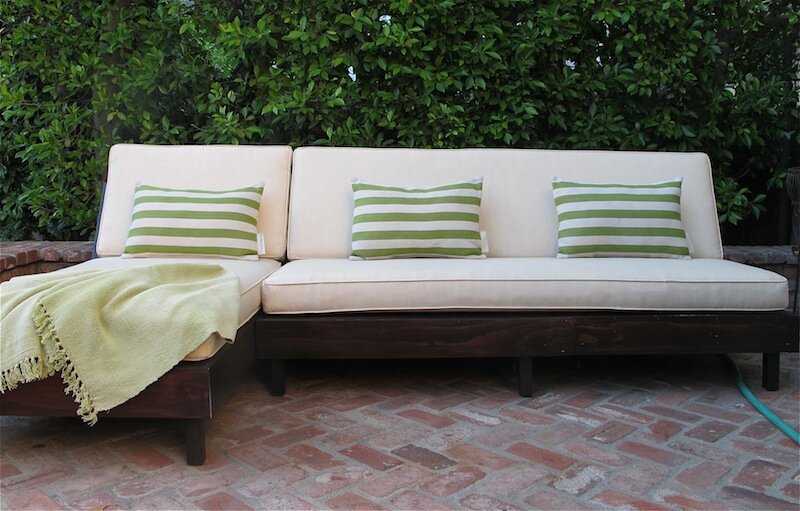
Turning an old couch into outdoor furniture saves money and reduces waste. You get a unique and cozy spot for your garden or patio. Just follow simple steps to clean, protect, and style your couch. A little effort goes a long way.
Enjoy fresh air and comfort without buying new furniture. Try this project and see how easy it is to refresh your outdoor space. Your old couch can find new life outside. Why not give it a chance?