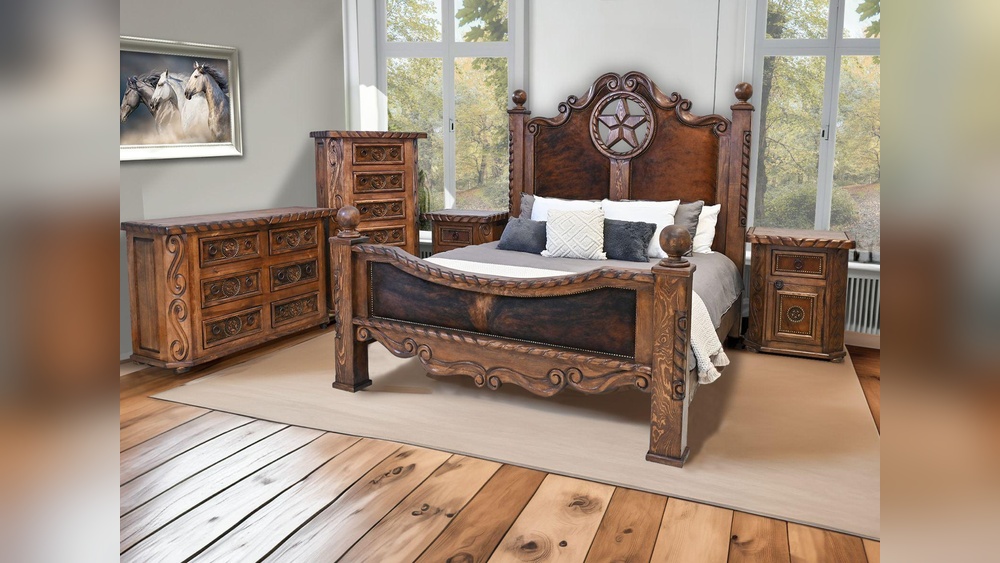
Are you thinking about giving your bedroom a fresh, bright look without buying new furniture? Painting your bedroom furniture white can be a simple and affordable way to transform your space.
But is it really as easy as it sounds? You might wonder if your furniture can handle the paint, how it will hold up over time, and what steps you need to take to get the best results. Keep reading to discover everything you need to know before picking up that paintbrush—so you can turn your bedroom into the clean, stylish retreat you’ve been dreaming of.
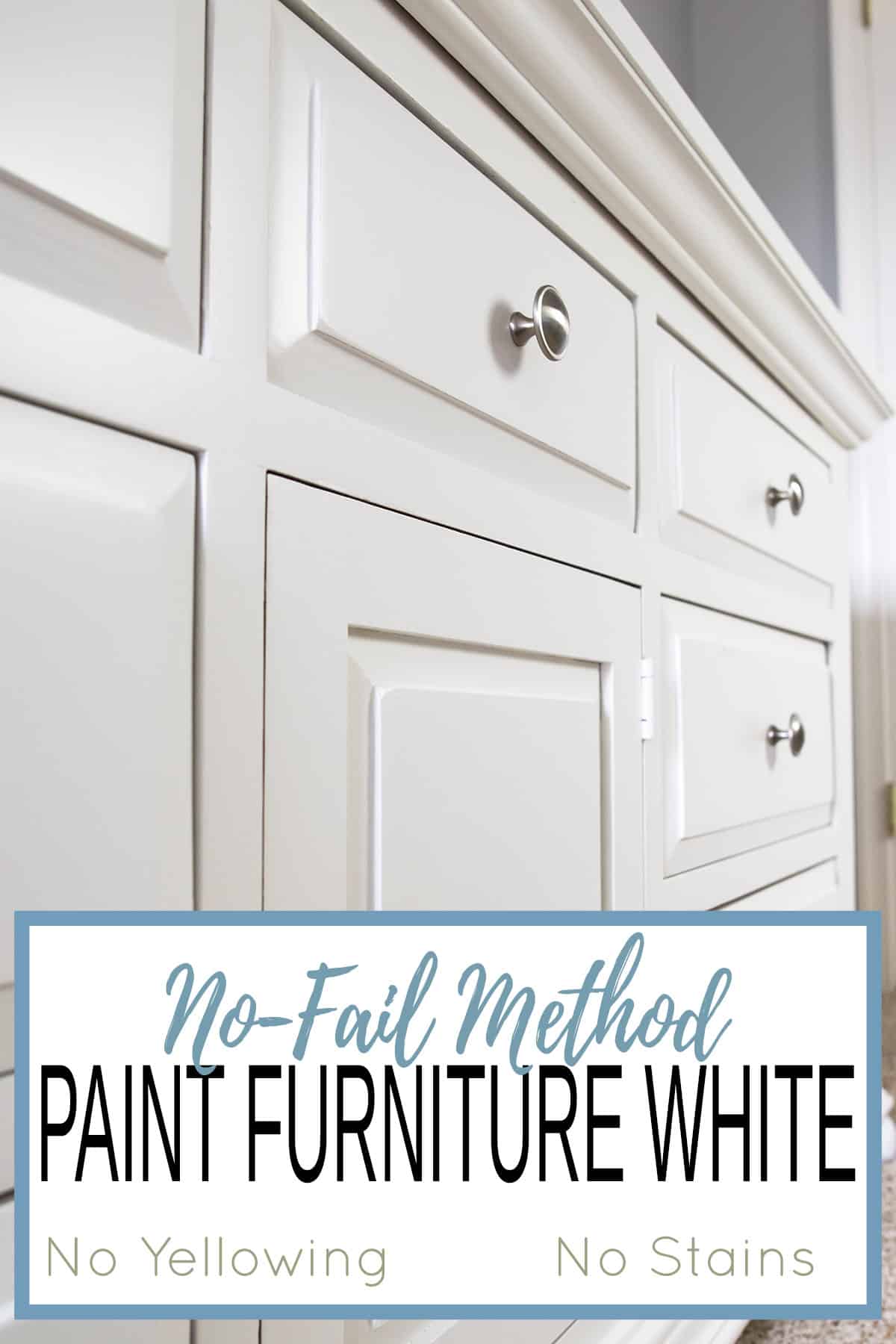
Credit: www.cravingsomecreativity.com
Choosing The Right White Paint
Choosing the right white paint for your bedroom furniture is important. The wrong shade or finish can change the whole look. White paint comes in many types and finishes. Each choice affects the style and feel of your room. Understanding these options helps you pick the best paint for your furniture.
Types Of White Paint Finishes
White paint comes in different finishes. Matte finish has no shine and hides imperfections well. Satin finish has a soft shine and is easy to clean. Semi-gloss finish is shiny and very durable. Glossy finish is very shiny but shows every mark. Choose the finish based on how much use the furniture gets.
Selecting Paint Based On Furniture Material
Furniture material affects paint choice. Wood absorbs paint differently than metal or laminate. For wood, use paint made for wood surfaces. Metal needs paint that sticks well and resists rust. Laminate furniture may need a primer before painting. Check paint labels to match your furniture material.
Considering Lighting And Room Size
Lighting changes how white paint looks. Natural light makes white look brighter and warmer. Artificial light can make white look cooler or dull. Small rooms can feel bigger with bright white paint. Large rooms might suit warmer white tones to add coziness. Think about your room’s light and size when picking white paint.
Preparing Your Furniture For Painting
Preparing your bedroom furniture for painting is an important step. It helps the paint stick well and last longer. Taking time to prepare means fewer mistakes and a smoother finish. This section guides you through cleaning, sanding, fixing, and priming your furniture.
Cleaning And Sanding Surfaces
Start by cleaning the furniture with a mild soap and water. Remove dirt, dust, and grease completely. Dry the surface with a clean cloth. Sand the furniture lightly using fine-grit sandpaper. Sanding roughens the surface so paint can grip better. Wipe away dust with a damp cloth after sanding.
Repairing Imperfections
Check for cracks, holes, or dents on the furniture. Use wood filler or putty to fill these spots. Smooth the filler with a putty knife. Let it dry fully before sanding the area smooth. Repairing imperfections gives a flat, even surface for painting.
Priming For Better Adhesion
Apply a coat of primer after cleaning and repairing. Primer helps paint stick and shows the true color. Choose a primer that fits the furniture material. Use a brush or roller to spread the primer evenly. Let the primer dry completely before painting.
Painting Techniques For Smooth Results
Painting your bedroom furniture white can brighten your space and give it a fresh look. Achieving smooth paint results depends on the right techniques. Careful painting helps avoid streaks, bubbles, and rough spots. Follow these tips to get a clean, professional finish on your furniture.
Using Brushes Vs. Rollers
Brushes offer precision for corners and detailed areas. Choose a high-quality brush with soft bristles. Rollers cover large flat surfaces quickly. Use a small foam roller for smooth finishes on tabletops or doors. Combining both tools often gives the best results.
Applying Thin, Even Coats
Thin coats dry faster and prevent drips. Apply paint in light layers and let each dry fully. Avoid thick paint piles to stop bumps and uneven texture. Multiple thin coats build up color and smoothness naturally.
Avoiding Common Painting Mistakes
Clean the furniture surface before painting. Dust and grease cause paint to peel. Sand rough spots gently for better adhesion. Do not rush drying time between coats. Skip painting in high humidity or cold weather to avoid poor drying.
Enhancing White Furniture With Finishes
Painting bedroom furniture white gives a fresh, clean look. White furniture fits many styles and brightens any room. Adding the right finishes can make your furniture last longer and look unique. Finishes protect the paint and add special effects. They help your furniture stand out and match your room’s style.
Adding A Protective Topcoat
A protective topcoat keeps white paint safe from scratches. It stops stains and water damage. Use clear polyurethane or polycrylic for a strong finish. Choose satin or matte for a soft shine. Apply thin layers with a brush or cloth. Let each layer dry before adding the next. This makes the paint last longer and look fresh.
Creating Distressed Or Vintage Looks
Distressing white furniture adds character and charm. Lightly sand edges and corners to reveal wood or base paint. Use a sanding block or fine sandpaper for control. Focus on areas that get natural wear. This look suits vintage or shabby chic styles. It gives your furniture a cozy, lived-in feel.
Using Glazes And Wax For Texture
Glazes and wax create depth and texture on white furniture. Glaze is a tinted, thin paint that settles in cracks and details. Apply it with a brush or rag, then wipe off the excess. Wax adds a soft, smooth finish and extra protection. Use clear or tinted wax for different effects. Buff wax with a cloth for a gentle shine. These finishes bring warmth and style to plain white paint.
Maintenance Tips For White Furniture
White furniture brightens any bedroom and creates a fresh look. It needs special care to stay beautiful. Follow simple steps to keep white paint clean and fresh. Proper maintenance helps your furniture look new for years.
Cleaning Without Damage
Use a soft cloth for dusting. Avoid harsh chemicals that can strip paint. Mix mild soap with water for gentle cleaning. Wipe surfaces carefully, then dry immediately. Avoid soaking wood to prevent damage.
Touching Up Scratches And Chips
Keep some matching white paint handy. Lightly sand the scratched area before painting. Apply paint with a small brush for precision. Let it dry fully before using the furniture again. Regular touch-ups prevent bigger problems.
Preventing Yellowing And Wear
Keep furniture out of direct sunlight to stop yellowing. Use protective pads under objects to avoid scratches. Clean spills quickly to prevent stains. Apply a clear sealant to protect the paint. These steps keep white furniture fresh longer.

Credit: mardomdecor.com
Design Ideas With White Bedroom Furniture
White bedroom furniture creates a fresh and clean look. It brightens any room and makes the space feel larger. White pieces also offer great flexibility. You can easily change your room’s style without replacing the furniture. Here are some design ideas to make white bedroom furniture stand out.
Pairing White With Bold Colors
White furniture pairs beautifully with bold colors. Deep blues, rich greens, or bright reds add energy. Use colorful bedding, rugs, or curtains to bring life. Bold colors create strong contrasts that make white furniture pop. This mix keeps the room lively and inviting.
Mixing Modern And Classic Styles
White furniture fits well with both modern and classic designs. Pair sleek, white pieces with vintage decor for a unique look. Combine clean lines and soft curves for balance. This blend creates a timeless bedroom that feels fresh and elegant.
Incorporating Textures And Fabrics
Textures add warmth to white furniture rooms. Use soft fabrics like cotton or linen for bedding. Add plush rugs or knitted throws for comfort. Mix smooth and rough textures to avoid a flat look. Textures make the space cozy and appealing.
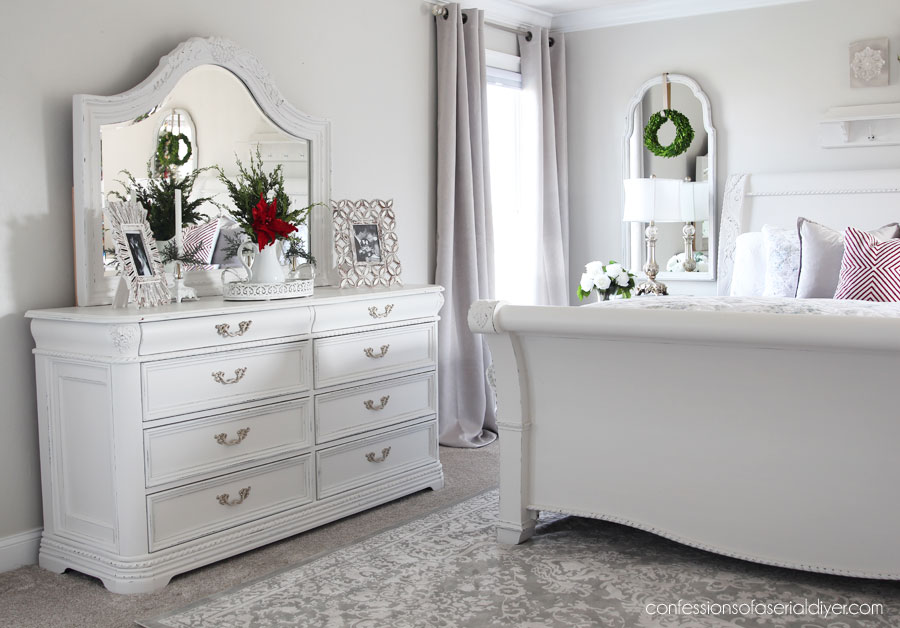
Credit: www.confessionsofaserialdiyer.com
Frequently Asked Questions
Can I Paint My Bedroom Furniture White Without Sanding?
Yes, you can paint without sanding by using a primer designed for glossy surfaces. However, light sanding ensures better paint adhesion and durability.
What Type Of Paint Works Best For White Furniture?
Acrylic latex or chalk paint works best for white furniture. These paints provide a smooth finish, durability, and are easy to apply.
How Long Does White Paint Take To Dry On Furniture?
White paint typically dries to the touch within 1-2 hours. Full curing usually takes 24-48 hours for optimal durability.
Should I Seal White-painted Bedroom Furniture?
Sealing with a clear polyurethane or wax protects the paint from scratches and stains. It also enhances longevity and keeps the finish fresh.
Conclusion
Painting bedroom furniture white can refresh any space quickly. It suits many styles and brightens the room. Choose the right paint and prepare the surface well. Small steps make a big difference in the final look. Enjoy the process and personalize your furniture with care.
White furniture creates a clean and calm feeling. Give your bedroom a fresh, new vibe today.