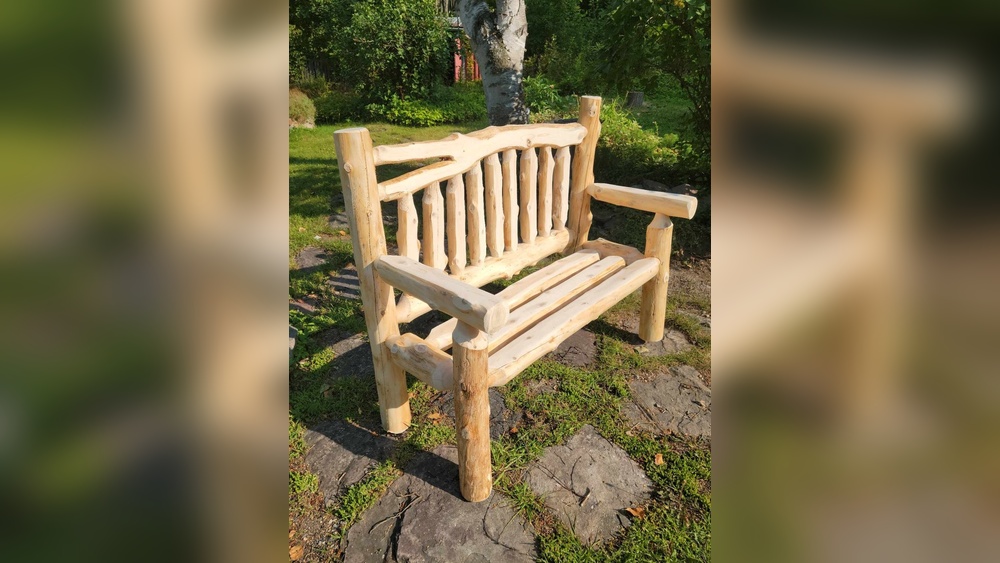
Are you looking to create unique outdoor furniture that stands out and brings a natural charm to your space? Making furniture out of logs is a simple and rewarding way to add rustic beauty to your garden or patio.
Imagine relaxing on a sturdy chair you built yourself, crafted from solid wood that blends perfectly with the outdoors. In this guide, you’ll discover easy steps to turn logs into comfortable, stylish furniture. Whether you’re a beginner or just want fresh ideas, you’ll find everything you need to get started and enjoy your own handmade pieces.
Keep reading and unlock the secrets to crafting your perfect outdoor furniture from logs!
Choosing The Right Logs
Choosing the right logs is the first step in making strong and lasting outdoor furniture. The quality of the logs affects how well your furniture holds up against weather and use. Picking the best logs ensures your project looks great and lasts for years.
Types Of Wood For Outdoor Use
Not all wood is good for outdoor furniture. Some types resist water and bugs better than others. Cedar and redwood are popular because they last long outside. Pine is cheaper but needs treatment to prevent rotting. Oak is strong but heavy. Choose wood that suits your budget and climate.
Selecting Healthy Logs
Look for logs without cracks, holes, or soft spots. These signs show damage or disease. Healthy logs have tight bark and no mold. Avoid logs with many knots, as they can weaken the wood. Pick logs that feel solid and heavy for their size.
Preparing Logs For Crafting
Remove the bark carefully to stop bugs and decay. Use a drawknife or a sharp knife for this job. Let the logs dry slowly to avoid cracking. Store logs in a dry, shaded place. Sand the logs smooth before building to make furniture safe and neat.
Essential Tools And Materials
Creating outdoor furniture from logs needs the right tools and materials. Choosing good tools makes your work easier and safer. It also helps you get a strong and beautiful finished piece.
Below are the must-have items to start your log furniture project. These tools and supplies help cut, shape, and join the wood properly. Safety gear keeps you protected while working with heavy logs and sharp tools.
Basic Tools Needed
A sharp chainsaw is essential for cutting logs to size. Use a handsaw or bow saw for smaller cuts and trimming. A power drill helps make holes for screws and bolts. A hammer and nails or screws are needed to join pieces. Sandpaper or a power sander smooths rough surfaces for comfort and safety. Measuring tape and a pencil help mark cuts and placements accurately.
Safety Gear
Wear safety goggles to protect your eyes from wood chips. Use gloves to prevent splinters and improve grip. A dust mask stops you from breathing sawdust. Ear protection reduces noise damage from power tools. Wear sturdy boots to protect your feet from falling logs. A hard hat is useful if working with heavy logs overhead.
Additional Supplies
Wood sealant or outdoor varnish protects your furniture from weather damage. Outdoor wood glue strengthens joints and helps hold parts together. Metal brackets add extra support to corners and joints. Wood filler repairs cracks or holes in logs. Sanding blocks or pads make finishing easier and more even. Rags or brushes are needed for applying sealants and varnishes.
Designing Your Furniture
Designing your outdoor furniture from logs is the first step to creating a unique and sturdy piece. It helps to think about what you need and how the furniture will be used. Planning your design carefully saves time and wood. A good design also makes building easier and your furniture more comfortable and attractive.
Start with simple ideas and then move to detailed sketches. Take your space and tools into account. This way, you can avoid mistakes and build furniture that fits perfectly in your outdoor area.
Simple Furniture Ideas
Choose basic shapes like benches, stools, or tables. These shapes are easier to make from logs. A bench with a flat seat and backrest is a good start. A small table with three or four legs works well too. Simple designs need fewer cuts and less joining. They also use fewer logs, which saves wood and effort.
Measuring And Planning
Measure the space where your furniture will go. Note down the length, width, and height you want. Think about how many people will use it. Plan the size of each part of the furniture. Accurate measurements help logs fit together well. Write down these numbers. Check them twice before cutting any wood.
Sketching Your Design
Draw your furniture on paper. Use a pencil to make changes easily. Start with basic shapes to show the main parts. Add details like legs, arms, or backrests later. Label each part with its size and wood type. A clear sketch acts like a map during building. It helps you stay organized and avoid mistakes.
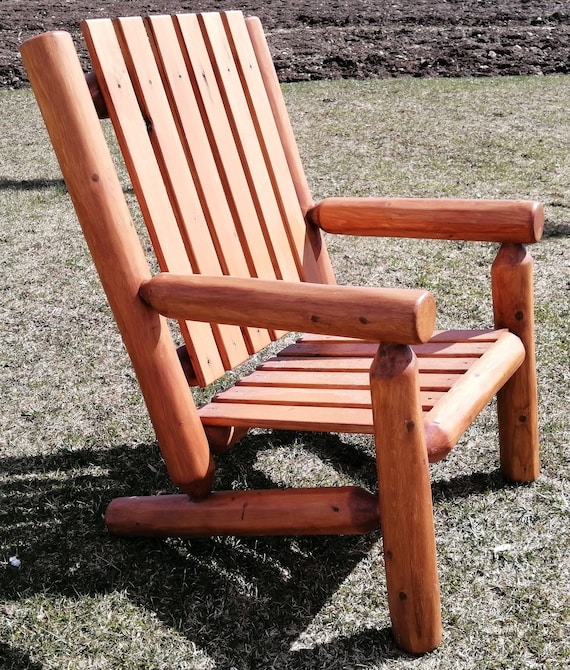
Credit: www.etsy.com
Cutting And Shaping Logs
Cutting and shaping logs is the first step in making outdoor furniture. This process turns rough wood into smooth, usable pieces. Proper cutting and shaping help your furniture last longer and look better. It also makes the assembly easier and safer.
Cutting Techniques
Use a chainsaw or handsaw to cut logs to size. Measure twice, cut once to avoid mistakes. Cut logs at a flat angle for better stability. Make straight cuts for table legs or benches. Curved cuts add style to armrests or backs.
Sanding And Smoothing
Remove rough edges and splinters by sanding logs. Start with coarse sandpaper to shape the wood. Then, use fine sandpaper for a smooth finish. Sand all surfaces that will touch skin or clothes. Smooth logs feel better and reduce injury risk.
Creating Joints
Join logs using simple techniques for strong connections. Use dowels or wooden pegs to hold pieces together. Cut notches to fit logs tightly at corners. Glue and screws add extra strength to joints. Good joints keep furniture stable and safe.
Assembling The Furniture
Assembling outdoor furniture from logs is an exciting step. It turns raw wood into useful pieces for your garden or patio. This process needs care and basic skills. Correct assembly ensures your furniture is strong and lasts long.
Joinery Methods
Joinery means connecting logs without metal parts. You can use notches or grooves to fit logs together tightly. This method keeps the natural look of wood. It also makes the furniture sturdy and less likely to wobble.
Simple joints like lap joints or saddle joints work well. They lock logs in place and spread weight evenly. These joints require careful measuring and cutting. Use a saw and chisel for best results.
Using Screws And Nails
Screws and nails speed up the building process. Choose galvanized or stainless steel to avoid rust. Pre-drill holes to stop logs from splitting. Screws offer better hold than nails and can be removed if needed.
Place screws at angles for stronger grip. Nail heads can be hidden with wood filler for a clean look. This method combines strength with easy assembly.
Ensuring Stability
Check the furniture for balance before final tightening. All legs must touch the ground firmly. Use a level tool to confirm evenness. Add braces or cross supports under seats and tables.
Tighten all fasteners securely. Test by pressing or sitting gently. Stable furniture is safe and comfortable. Stability extends the life of your log furniture outdoors.
Finishing Touches
Finishing touches give your log furniture a polished look and protect it outdoors. These steps help your furniture last longer and stay beautiful. Small details make a big difference in comfort and style.
Applying Wood Sealant
Wood sealant protects logs from moisture and sunlight. It stops cracks and rotting over time. Use a brush to apply sealant evenly on all surfaces. Let the sealant dry fully before use. Choose a sealant made for outdoor wood for best results.
Painting Or Staining
Painting or staining adds color and extra protection to your furniture. Stain shows the natural wood grain while paint covers it completely. Use outdoor paint or stain for durability. Apply two coats for a smooth finish. Let each coat dry well before adding the next.
Adding Cushions Or Accessories
Cushions make your log furniture cozy and inviting. Pick cushions with weather-resistant fabric. Accessories like throw pillows or blankets add comfort and style. Arrange them to match your outdoor space theme. These small touches make your furniture welcoming and ready to use.
Maintenance Tips
Maintaining your outdoor furniture made from logs is key to keeping it strong and beautiful. Proper care helps the wood last longer and stay safe from damage. Follow these simple tips to protect and clean your log furniture regularly.
Protecting Against Weather
Apply a weatherproof sealant to shield the wood from rain and sun. Use a cover when not in use to prevent moisture buildup. Place furniture in shaded areas to reduce sun damage. Check the sealant every year and reapply if needed.
Regular Cleaning
Remove dirt and debris with a soft brush or cloth. Use mild soap and water to clean the surface gently. Avoid harsh chemicals that can damage the wood. Dry the furniture well after cleaning to stop mold and mildew growth.
Repairing Damage
Inspect your furniture often for cracks or splinters. Sand rough spots smoothly to avoid injuries. Fill small cracks with wood filler made for outdoor use. Replace broken parts quickly to keep the furniture safe and sturdy.

Credit: www.cabinlife.com

Credit: www.youtube.com
Frequently Asked Questions
How Do You Prepare Logs For Outdoor Furniture?
Start by selecting dry, sturdy logs. Remove bark and sand rough surfaces. Treat logs with weatherproof sealant to protect from moisture and insects.
What Tools Are Essential For Making Log Furniture?
Basic tools include a saw, drill, sander, measuring tape, and clamps. These tools help cut, shape, and assemble logs accurately and safely.
Which Wood Types Work Best For Log Furniture?
Cedar, pine, and oak are ideal for outdoor log furniture. They resist decay and insects, ensuring durability and longevity in outdoor conditions.
How Can I Protect Log Furniture From Weather Damage?
Apply a high-quality outdoor wood sealant or varnish annually. Cover furniture or store it indoors during harsh weather for extra protection.
Conclusion
Creating outdoor furniture from logs brings charm and strength to your space. You only need some basic tools and patience to start. Each piece you build will be unique and sturdy. Enjoy the process of working with natural wood. Your outdoor area will feel cozy and inviting.
Try simple designs first, then explore more ideas. This project suits beginners and experienced makers alike. Making log furniture adds a personal touch to your garden or patio. Give it a try and see how satisfying it can be.