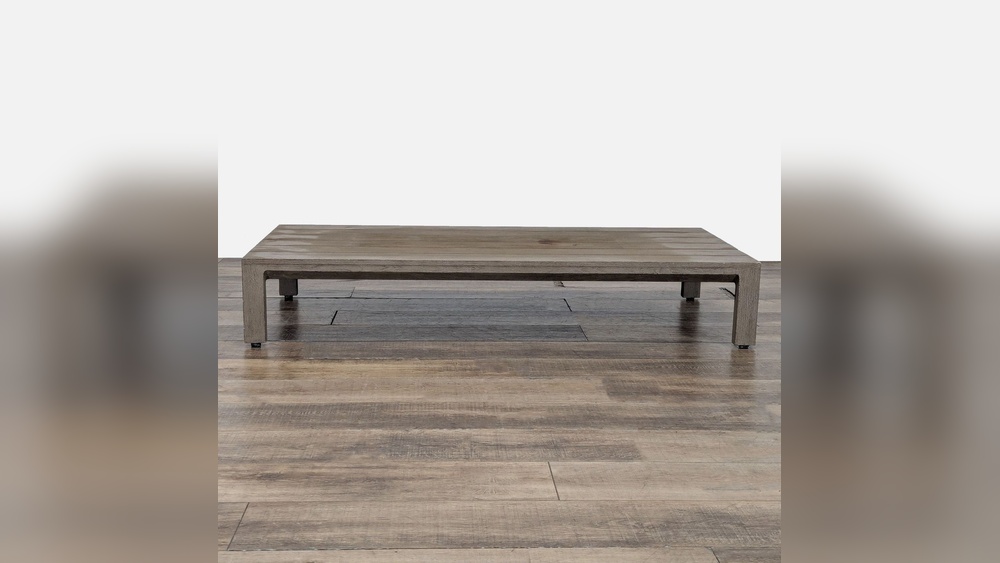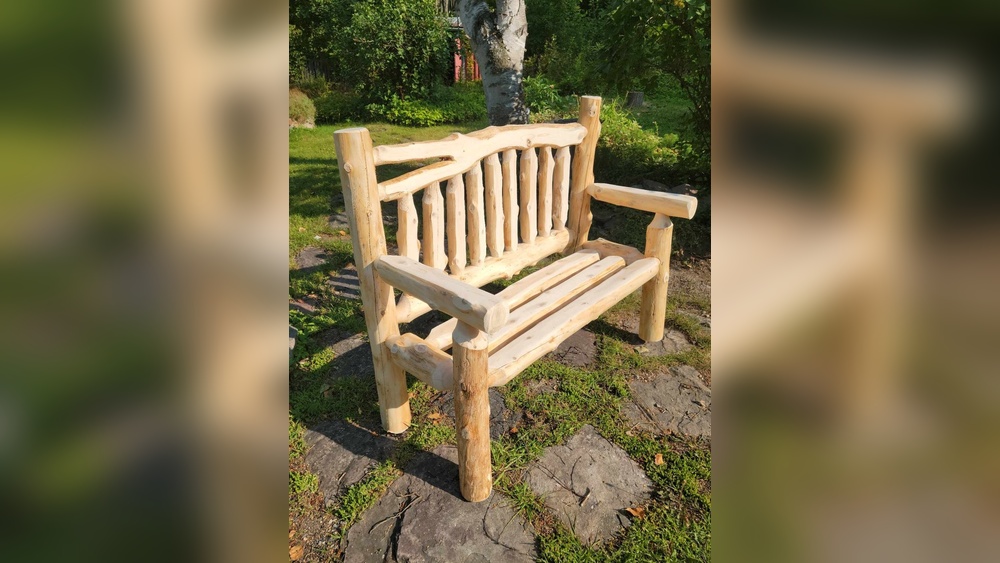
Are you looking to add a cozy, natural touch to your outdoor space? Making your own outdoor log furniture is a fun and rewarding way to do just that.
Imagine relaxing on a sturdy log chair or gathering around a handmade log table, knowing you built it with your own hands. This guide will show you simple steps to create beautiful, durable furniture that fits perfectly in your yard or garden.
Ready to turn raw logs into stunning outdoor pieces? Let’s get started!

Credit: logfurnituresite.wordpress.com
Choosing The Right Wood
Choosing the right wood is crucial for making outdoor log furniture. The wood must resist weather, insects, and rot. Picking the best type ensures your furniture lasts long and looks great. This section explores the best wood types, how to find logs nearby, and how to prepare the wood for strength and durability.
Best Types For Outdoor Use
Cedar is a top choice. It naturally resists moisture and insects. Pine is affordable but needs treatment to prevent decay. Redwood offers good durability and a rich color. Teak is strong and weatherproof but can be expensive. Choose wood that fits your budget and climate.
Sourcing Logs Locally
Finding logs near you saves money and helps the environment. Check local sawmills, farms, or tree services. Fresh logs are easier to work with and may be cheaper. Always ensure the wood is healthy and free from disease or pests.
Preparing Wood For Durability
Dry the wood well before building. Air drying or kiln drying reduces moisture and stops cracking. Sand the logs to smooth rough spots and remove bark. Apply a weatherproof sealant or stain to protect the wood. Regular maintenance keeps furniture strong over time.
Essential Tools And Materials
Building outdoor log furniture requires the right tools and materials. These essentials help you work safely and create strong, lasting pieces. Preparing with the correct items also makes the project easier and more enjoyable.
Basic Carpentry Tools
Start with a saw to cut logs to the right size. A handsaw or chainsaw works well. Use a hammer and nails or screws to join logs together. A drill helps make holes for screws and bolts. Measuring tape and a square keep cuts accurate. Sandpaper smooths rough edges for a clean finish.
Safety Gear
Protect yourself with safety glasses to shield your eyes from dust and debris. Wear sturdy gloves to avoid splinters and cuts. Use ear protection if you operate loud tools like chainsaws. A dust mask keeps you safe from inhaling wood particles. Sturdy shoes protect your feet during heavy work.
Finishes And Sealants
Apply wood stain to enhance the natural look of your logs. Choose a finish that matches your style and outdoor conditions. Sealants protect wood from rain, sun, and bugs. Use a brush to apply sealant evenly. Let each coat dry well before adding another layer.
Designing Your Furniture
Designing your outdoor log furniture is the first step to creating a unique piece. This stage helps you decide the style, size, and function of your furniture. Clear design plans save time and materials. You will enjoy building more with a good plan.
Simple Rustic Styles
Rustic styles suit outdoor log furniture well. They use natural shapes and rough cuts. Simple designs focus on the wood’s natural beauty. Think about benches, stools, or small tables. Keep lines straight and shapes basic. This style fits most outdoor spaces and is easy to build.
Measuring And Planning
Measure your space carefully before starting. Note the length, width, and height needed. Write down all measurements clearly. Plan for comfortable seating and enough walking space. Double-check your numbers to avoid mistakes. Good planning helps avoid wasting wood and effort.
Sketching Your Project
Draw a simple sketch of your furniture design. Show all parts and how they fit together. Include measurements on the sketch. Use a pencil to make changes easily. This visual helps you understand the build steps. It also guides you during cutting and assembly.
Cutting And Shaping Logs
Cutting and shaping logs is the first big step in making outdoor log furniture. It sets the stage for a strong and beautiful final piece. Logs must be cut carefully to fit together well and last long outside.
The process starts with cutting logs to the right size. Then, shaping them to create smooth surfaces and tight joints. Each step needs patience and the right tools to avoid mistakes and keep safety a top priority.
Safe Cutting Techniques
Always wear safety gear like goggles and gloves before cutting logs. Use sharp saws for clean cuts. Measure twice to cut once. Cut on a stable surface to avoid slips. Keep hands away from the blade at all times. Take breaks to stay focused and prevent accidents. Safety makes work easier and better.
Removing Bark And Smoothing
Remove bark using a drawknife or chisel. Bark can trap moisture and cause wood to rot. After removing bark, smooth the logs with a plane or sandpaper. Smooth surfaces help paint or stain stick well. It also prevents splinters. Take care to keep the shape of the log while smoothing.
Creating Joints
Joints connect logs and hold furniture together. Common joints include notches and dowels. Use a chisel or saw to cut notches precisely. Test fit pieces before final assembly. Tight joints make furniture strong and stable. Take your time to get joints right for lasting quality.
Assembling Your Pieces
Assembling your outdoor log furniture is an exciting step. It brings your project to life. This part needs care and some basic skills. You will join the log pieces to form a strong structure. Each connection counts for durability and looks. Follow simple methods to ensure your furniture lasts outdoors.
Basic Joinery Methods
Start with basic joinery techniques. Notches and lap joints work well for log furniture. Cut matching notches on two logs. They fit tightly together for a strong hold. Lap joints overlap logs at the ends. Both methods create a solid frame without complex tools. Sand rough edges to avoid splinters. Check each joint for a snug fit before moving on.
Using Screws And Dowels
Screws add extra strength to joints. Use long, outdoor-rated screws to resist weather. Drill pilot holes to prevent the wood from splitting. Dowels are wooden pins that join logs invisibly. Drill matching holes in both pieces. Insert the dowel with wood glue for a tight bond. Screws and dowels together keep furniture sturdy and neat.
Ensuring Stability
Test stability as you assemble. Press and wiggle connected parts. They should not move or creak. Use clamps to hold pieces in place while glue dries. Add corner braces for extra support if needed. Level your furniture on flat ground. Stability means safety and comfort. Take your time to check each step carefully.

Credit: www.youtube.com
Finishing Touches
Finishing touches make outdoor log furniture both beautiful and durable. These steps protect the wood and improve comfort. Proper finishing helps your furniture last through all seasons. It also highlights the natural beauty of the logs.
Sanding For Comfort
Sanding smooths rough surfaces and removes splinters. Use medium-grit sandpaper first, then fine-grit for a soft finish. Sand all edges and flat surfaces evenly. This step ensures the furniture feels good to touch. A smooth surface prevents scratches on skin or clothes.
Applying Stain Or Paint
Stain or paint adds color and protects the wood. Choose a product made for outdoor use. Apply evenly with a brush or cloth, following wood grain. Allow each coat to dry before adding another. Stain enhances the natural look, while paint offers more color options.
Sealing For Weather Resistance
Sealing locks out moisture and shields from UV rays. Use a clear outdoor sealant for best protection. Apply in thin, even layers over dry stain or paint. Reapply sealant every year to maintain durability. This step keeps wood strong and prevents cracking or warping.
Maintenance Tips
Outdoor log furniture adds charm to any garden or patio. To keep it beautiful and strong, regular care is important. Simple maintenance helps the wood last longer and look its best. Follow these tips to protect your furniture from damage and wear.
Cleaning Outdoor Wood
Remove dirt and dust with a soft brush or cloth. Use mild soap mixed with water for deeper cleaning. Avoid harsh chemicals that can harm the wood. Rinse with clean water and let the furniture dry in the sun. Clean regularly to prevent mold and stains.
Repairing Wear And Tear
Check for cracks, splinters, or loose joints often. Sand rough spots gently with fine sandpaper. Fill small cracks with wood filler made for outdoor use. Tighten screws and nails to keep the furniture sturdy. Repair damage quickly to avoid bigger problems.
Seasonal Care
Apply a protective wood sealant or oil every year. This keeps moisture out and prevents fading from sunlight. Cover furniture or move it indoors during harsh weather. Store cushions separately to keep them dry and clean. Regular care helps the furniture survive all seasons.

Credit: logfurniturehowto.com
Frequently Asked Questions
What Tools Are Needed To Make Outdoor Log Furniture?
You need a chainsaw, drill, sander, tape measure, and clamps. Safety gear like gloves and goggles is essential. These tools help cut, shape, and assemble the logs accurately for durable outdoor furniture.
Which Wood Types Suit Outdoor Log Furniture Best?
Cedar, pine, and redwood are ideal. They resist decay and insects well. These woods hold up in various weather conditions, ensuring your furniture lasts longer outdoors.
How Do You Protect Log Furniture From Weather Damage?
Apply a weatherproof sealant or outdoor wood finish. Reapply every 1-2 years to maintain protection. This prevents moisture damage, UV fading, and extends the furniture’s lifespan.
Can Beginners Build Outdoor Log Furniture Easily?
Yes, with basic woodworking skills and patience. Start with simple designs and follow tutorials. Practice safe tool use and choose quality logs for better results.
Conclusion
Making outdoor log furniture can be a fun and rewarding project. You only need basic tools and some patience. Choose good wood that lasts outside. Cut and join logs carefully for strong pieces. Sand and finish your furniture to protect it from weather.
Enjoy your handmade furniture in your garden or patio. With practice, your skills will get better. Create a cozy, natural space for friends and family to relax. Start simple, then try bigger projects later. Your outdoor area will feel warm and inviting.