Are you looking to refresh your outdoor furniture but don’t know which sandpaper grit to use? Choosing the right grit sandpaper can make all the difference in how smooth and beautiful your furniture looks after sanding.
If you pick the wrong one, you might end up with rough surfaces or damage that’s hard to fix. In this guide, you’ll discover exactly what grit sandpaper works best for different types of outdoor furniture projects. Keep reading, and you’ll learn simple tips to get a perfect finish every time—making your outdoor space look inviting and well cared for.
Credit: www.homesandgardens.com
Types Of Grit For Outdoor Furniture
Choosing the right grit sandpaper is key for smoothing outdoor furniture. Different grits serve different purposes. Understanding grit types helps you prepare wood or metal surfaces properly. It affects the finish and durability of your furniture.
Coarse Grit Uses
Coarse grit sandpaper ranges from 40 to 60 grit. It removes old paint, rough edges, and deep scratches fast. Use it on very rough wood or metal surfaces. Coarse grit prepares the furniture for finer sanding. It shapes the surface but leaves visible scratches. Ideal for the first sanding step.
Medium Grit Benefits
Medium grit sandpaper typically ranges from 80 to 120 grit. It smooths surfaces after coarse sanding. This grit removes small scratches and evens out rough patches. Medium grit works well for general sanding tasks on outdoor furniture. It helps create a clean, smooth base. Perfect before applying paint or stain.
Fine Grit Applications
Fine grit sandpaper falls between 150 and 220 grit. Use it for final sanding before finishing. It smooths minor imperfections and prepares the surface for paint or varnish. Fine grit gives a polished, smooth feel to wood or metal. It prevents finish peeling or chipping. Best for the last step in sanding outdoor furniture.
Credit: fixthisbuildthat.com
Choosing The Right Grit For Wood Types
Choosing the right grit sandpaper is key for outdoor furniture projects. Different wood types need different grit levels to get smooth and even surfaces. Using the wrong grit can damage the wood or leave it rough. Understanding how grit works with wood helps you protect and enhance your furniture’s look.
Softwoods Vs Hardwoods
Softwoods like pine or cedar are easier to sand. Start with a medium grit (80-120) to remove old finish or rough spots. Then use a finer grit (150-220) for smoothness. Hardwoods like oak or teak are tougher. Begin with a coarser grit (60-80) to shape the surface. Follow with medium grit (120-150) and finish with fine grit (180-220) for a polished feel. Using too coarse grit on softwood can create deep scratches. Too fine grit on hardwood may not remove imperfections well.
Effect On Different Finishes
Sandpaper grit affects how finishes like paint or varnish stick. Rough sanding with coarse grit helps remove old paint but leaves marks. These marks need to be smoothed with finer grit before finishing. Fine grit ensures a smooth surface that helps paint or stain absorb evenly. For natural wood finishes, use very fine grit (220 or higher) to avoid dulling the wood’s shine. The right grit prepares the wood to hold the finish longer and look better outdoors.
Preparing Outdoor Furniture For Sanding
Preparing outdoor furniture for sanding is an important first step. It helps you get a smooth and clean surface. This makes the sanding process easier and more effective. Proper preparation also helps the finish last longer on the furniture.
Start with a good cleaning to remove dirt and dust. Next, dry the furniture completely. Then remove any old paint or varnish. These steps protect the wood and improve the final look.
Cleaning And Drying
Use a soft brush or cloth to clean the furniture. Remove all dirt, leaves, and spider webs. Wash the surface with mild soap and water. Rinse well to clear away soap residue. Allow the furniture to dry fully. Dry wood sands better and gives a smooth finish.
Removing Old Finishes
Old paint or varnish can block the sandpaper. Use a chemical stripper or sanding tool to remove it. Work gently to avoid damaging the wood. Scrape off soft finishes with a plastic scraper. Hard finishes may need stronger methods. Removing old layers reveals fresh wood for sanding.
Sanding Techniques For Smooth Surfaces
Sanding outdoor furniture helps create a smooth, even surface. This step is key before painting or staining. Proper sanding removes old finishes, rough spots, and dirt. Using the right grit sandpaper makes the job easier. Different tools and methods suit different parts of the furniture.
Learn simple sanding techniques to protect your wood and improve its look. Smooth surfaces last longer and feel better to touch. Choose the right sanding approach for best results.
Hand Sanding Tips
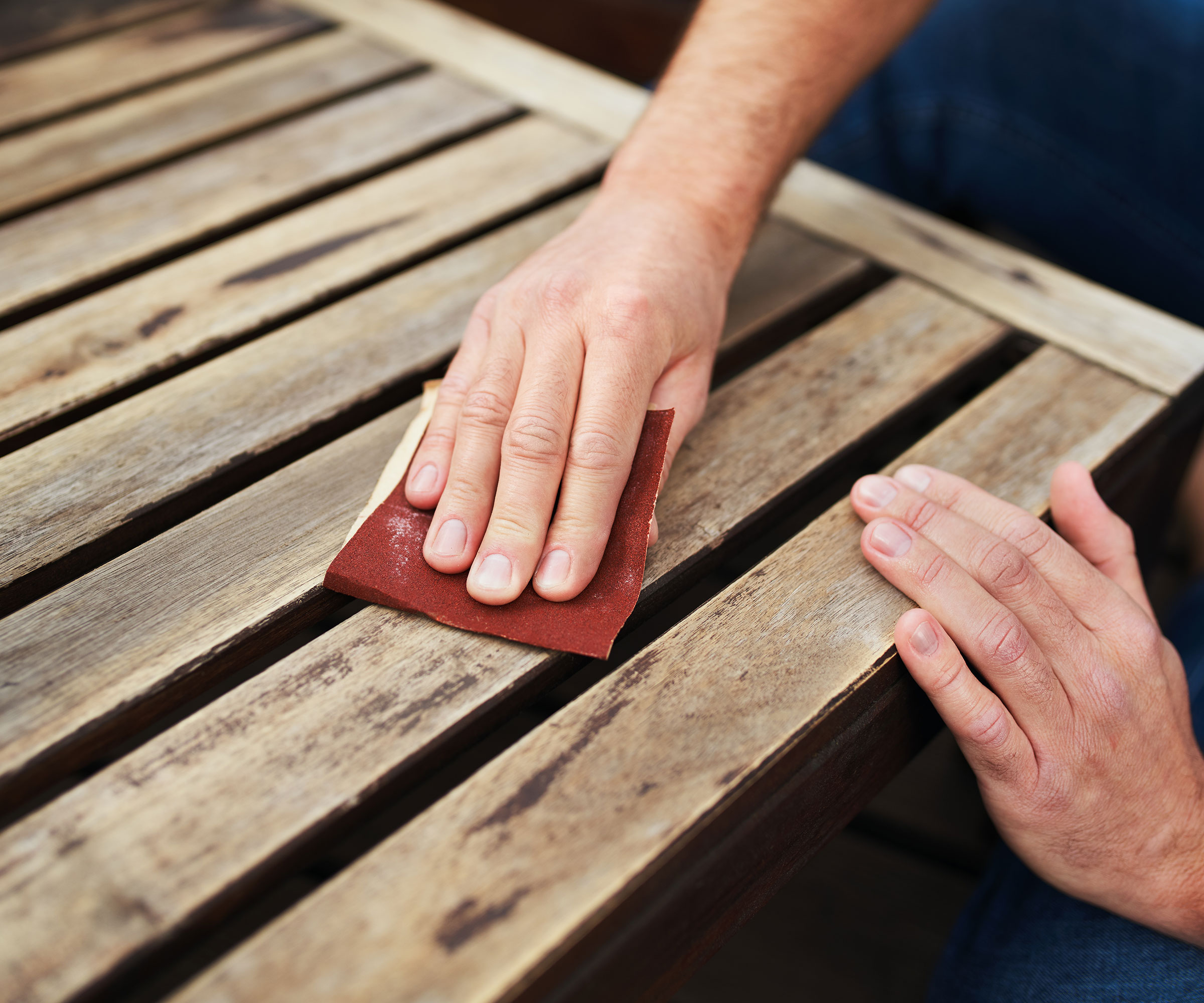
Hand sanding works well for small or detailed areas. Wrap sandpaper around a sanding block for even pressure. Use circular motions and light force to avoid scratches. Start with coarse grit, then switch to finer grit for smoothness. Change sandpaper often to keep it effective. Check your progress by running your hand over the surface.
Using Power Sanders Safely
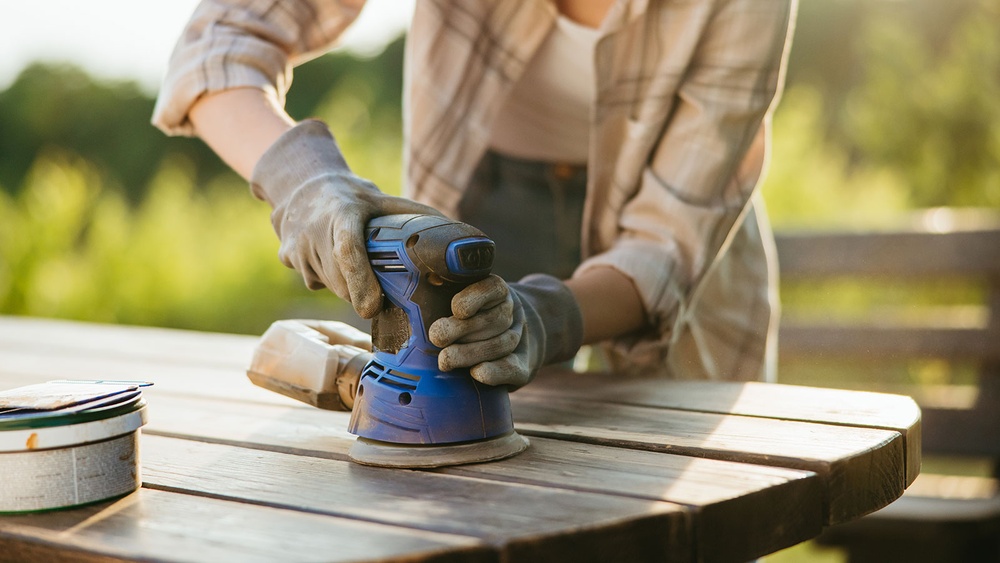
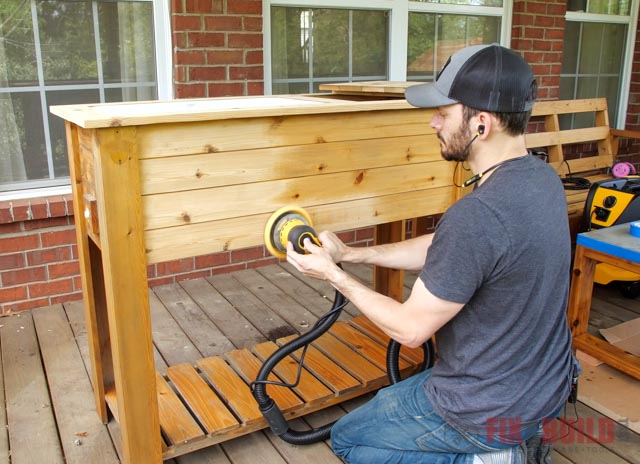
Power sanders speed up sanding large surfaces. Hold the sander firmly but do not press down hard. Let the tool do the work to prevent damage. Move the sander evenly across the wood, following the grain. Always wear safety goggles and a dust mask. Keep the work area clean to avoid slipping.
Common Mistakes To Avoid
Choosing the right grit sandpaper for outdoor furniture is important. Many people make common mistakes that damage the wood or waste time. Avoiding these errors helps you get smooth and lasting results. Learn what to watch out for.
Skipping Grit Progression
Start with a coarse grit to remove old paint or rough spots. Then use medium grit to smooth the surface. Finish with fine grit for a soft, even feel. Skipping steps can leave scratches or uneven surfaces. Each grit prepares the wood for the next. Taking time to follow grit progression improves the final look.
Over-sanding Risks
Sand gently to avoid removing too much wood. Pressing hard or sanding too long can damage the furniture. Over-sanding can thin wood and weaken joints. It may also create dips or uneven areas. Use light, even strokes and check your progress often. Careful sanding protects the wood and helps the finish stick better.

Credit: www.luxushomeandgarden.com
Maintaining Outdoor Furniture After Sanding
Maintaining outdoor furniture after sanding is key to keeping it strong and good-looking. Sanding removes old finish and smooths the surface. The next steps protect the wood from weather and wear. Proper care helps furniture last longer and look fresh through every season.
Sealing And Finishing Options
Sealing outdoor furniture locks out moisture and dirt. Use a wood sealer or outdoor varnish for best results. Choose a finish that suits your wood type and climate. Some finishes add color, while others keep a natural look. Apply two or three thin coats, letting each dry well. This builds a strong, protective layer against rain and sun.
Regular Care Tips
Keep furniture clean by wiping it down often. Use mild soap and water to remove dust and grime. Cover furniture during heavy rain or snow to prevent damage. Store cushions inside when not in use to avoid mildew. Check for chips or cracks and fix them quickly. Regular care stops small problems from turning big.
Frequently Asked Questions
What Grit Sandpaper Is Best For Outdoor Furniture?
Use 120- to 150-grit sandpaper for outdoor furniture. It smooths rough surfaces without damaging the wood. Start with 120 grit for heavy sanding, then finish with 150 grit for a smooth feel. This grit range prepares wood for painting or staining effectively.
Can I Use Coarse Sandpaper On Outdoor Wood?
Coarse sandpaper (60-80 grit) removes paint quickly but may damage wood. Use it only for rough stripping. For finishing outdoor furniture, finer grits like 120-150 are better to avoid surface scratches and ensure smoothness for finishing products.
Why Is Sanding Important For Outdoor Furniture?
Sanding removes old finishes and smooths wood surfaces. It helps paint or stain adhere better. Proper sanding extends furniture life by preventing peeling and cracking. It also improves appearance and prepares wood for weather protection treatments.
How Often Should I Sand Outdoor Furniture?
Sanding should be done every 1-2 years depending on wear. Inspect for roughness, peeling, or splinters. Light sanding before refinishing maintains smoothness and durability. Regular sanding keeps outdoor furniture looking fresh and weather-resistant.
Conclusion
Choosing the right grit sandpaper helps your outdoor furniture look smooth and neat. Start with coarse grit to remove old paint or rough spots. Then, use finer grit to make the surface soft and ready for paint or stain. Sanding carefully protects the wood and makes your furniture last longer.
Take your time and follow the steps. Good sanding improves how your furniture feels and looks. This simple step makes a big difference in your outdoor space.