Is your outdoor wood furniture looking dry, cracked, or worn out? You’re not alone.
Over time, sun, rain, and changing weather can steal the natural moisture from your wood, leaving it dull and fragile. But here’s the good news: you don’t have to replace your favorite pieces. With the right products and simple steps, you can bring life back to your wood furniture and make it look fresh again.
Keep reading to discover exactly what you need to rehydrate your outdoor wood and protect it for seasons to come.

Credit: woodworkersinstitute.com
Signs Of Dry Outdoor Wood
Outdoor wood furniture faces many challenges from the environment. Over time, wood can lose its moisture and start to dry out. Recognizing the signs of dry wood helps you protect and restore your furniture. Early detection can prevent damage and keep your wood looking good longer.
Common Symptoms
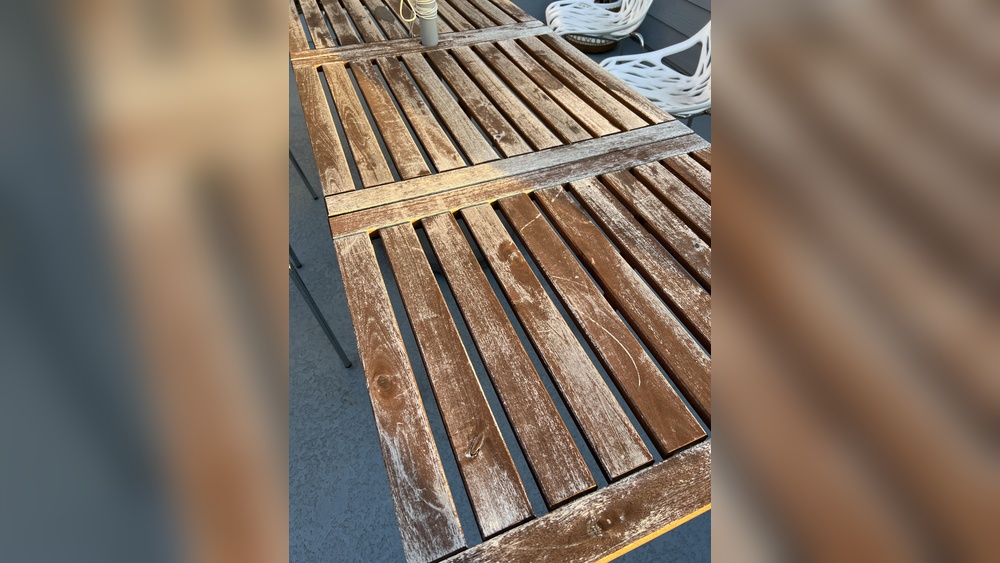
Dry outdoor wood shows clear signs. The surface may feel rough and brittle. Cracks and splits appear on the wood. Colors fade and look dull or gray. The wood may even look powdery or chalky. These symptoms mean the wood lacks moisture and needs care.
Impact Of Weather Exposure
Sun, rain, and wind all affect wood. Sunlight dries out wood fibers quickly. Rainwater can wash away natural oils and cause swelling. Wind speeds up moisture loss and can cause splintering. Cold weather makes wood shrink and crack. Constant exposure weakens wood and reduces its lifespan.
Choosing The Right Rehydration Products
Choosing the right product to rehydrate outdoor wood furniture is very important. The wood needs moisture to stay strong and look good. Different products work best for different types of wood and conditions. Picking the right one keeps your furniture safe from cracks and dryness.
Wood Oils
Wood oils soak deep into the wood, giving it moisture from inside. They protect the wood from drying out and help keep its natural shine. Popular oils like teak oil and linseed oil are easy to use. They also help prevent fading caused by sun and rain. Applying wood oil regularly keeps your furniture soft and lasting longer.
Wood Conditioners
Wood conditioners prepare dry wood to absorb oils or stains better. They work on very old or cracked furniture. Conditioners smooth the surface and fill tiny cracks. This makes the wood stronger and helps oils soak in evenly. Using a conditioner before oiling your furniture improves the final look and protection.
Homemade Remedies
Simple homemade mixtures can also bring wood back to life. A mix of olive oil and lemon juice works well for light rehydration. It cleans and moisturizes the wood gently. Another easy option is using boiled linseed oil, which penetrates deeply. These remedies are natural and safe for your outdoor furniture.
Preparing Wood For Rehydration
Preparing wood for rehydration is the first step to restore outdoor furniture. Proper preparation helps the wood absorb moisture and treatments evenly. It also removes dirt and old finishes that block rehydration. Clean and smooth wood surfaces make the rehydration process more effective and long-lasting.
Cleaning Techniques
Start by removing dust, dirt, and debris from the wood. Use a soft brush or cloth to clear loose particles. For deeper cleaning, mix mild soap with water. Gently scrub the wood with a sponge or soft brush. Avoid soaking the wood to prevent damage.
Rinse the surface with clean water and let it dry completely. This step removes any soap residue. A clean surface allows the wood to absorb moisture better. Avoid harsh chemicals that can harm the wood fibers.
Sanding And Surface Prep
Sanding smooths the wood and removes old finishes. Use fine-grit sandpaper to avoid scratches. Sand along the wood grain for the best results. This step opens wood pores to help moisture penetrate.
After sanding, wipe the surface with a damp cloth. Remove all dust to ensure a clean base. Smooth surfaces help treatments soak in evenly. Proper surface prep makes rehydration more effective and protects the wood.
Step-by-step Rehydration Process
Rehydrating outdoor wood furniture restores its natural beauty and strength. This process brings back moisture lost from sun and rain exposure. Follow a clear step-by-step guide for best results. Each step improves the wood’s appearance and durability. Careful application of oils and conditioners is crucial. Allow proper drying time to lock in moisture. This method keeps your furniture looking fresh and lasting longer.
Applying Oils And Conditioners
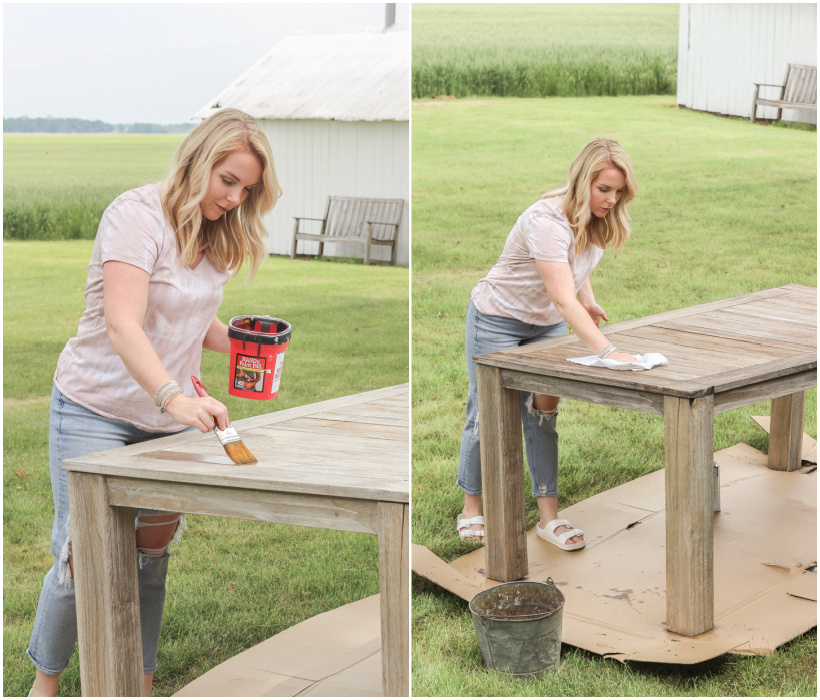
Start with clean, dry wood surfaces. Use a soft cloth or brush to apply oil evenly. Choose oils like teak, linseed, or tung oil for best absorption. Work the oil into the wood grain with smooth strokes. Avoid over-saturating; a thin layer works better. Let the oil soak in for 15 to 20 minutes. Wipe off excess oil to prevent sticky residue. Repeat the process for better hydration and protection.
Drying And Curing Time
Allow the furniture to dry in a shaded, well-ventilated area. Avoid direct sunlight, which can dry out the wood too fast. Drying usually takes 24 to 48 hours depending on weather conditions. During this time, the wood absorbs oils deeply and cures properly. Do not use the furniture until fully dry to avoid damage. Regular drying and curing keep the wood strong and smooth over time.
Maintaining Rehydrated Wood
Maintaining rehydrated wood is key to keeping outdoor furniture beautiful. Wood that stays hydrated resists cracks and warping. It also holds finishes longer and looks fresh over time.
Proper care protects your investment and saves money. Simple routines and seasonal checks help wood last through sun, rain, and cold.
Regular Care Tips
Clean wood furniture gently with a soft brush or cloth. Avoid harsh chemicals that can dry the wood. Use mild soap and water for dirt and grime.
Apply a wood oil or conditioner every few months. This adds moisture back and keeps the wood soft. Always follow product instructions for best results.
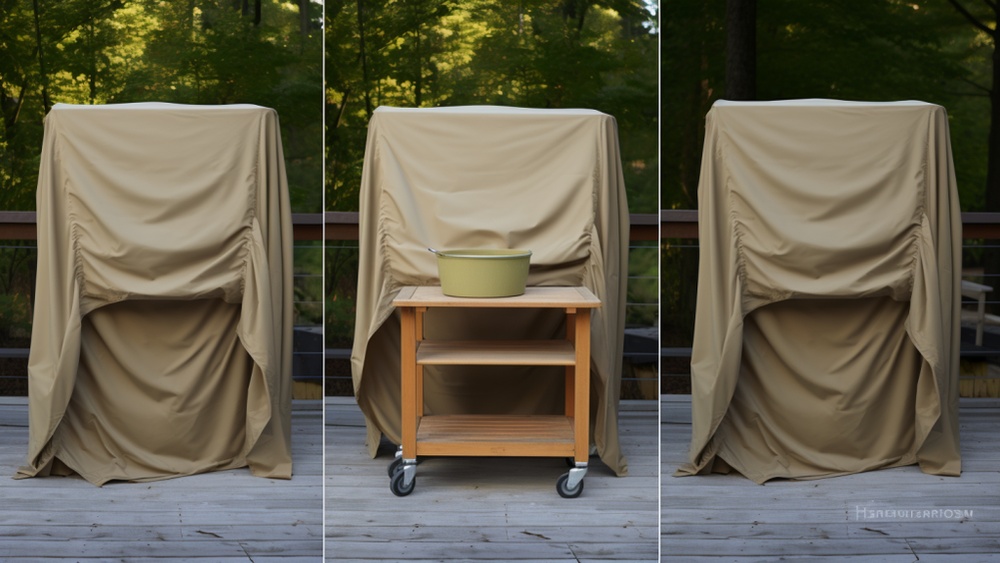
Cover furniture or move it to shade during strong sun. Sunlight fades and dries wood fast. Shade helps keep moisture balanced.
Seasonal Maintenance
Check furniture each season for cracks or peeling finishes. Sand lightly to smooth rough spots. Reapply oil or sealant after sanding.
Before winter, clean and oil wood to protect from cold damage. Store furniture indoors or cover it tightly if possible. This stops moisture from freezing inside wood fibers.
Spring is the time to refresh wood after winter wear. Inspect for mold or mildew and clean it away. Then treat wood to restore moisture and color.

Credit: www.polywood.com
Common Mistakes To Avoid
Rehydrating outdoor wood furniture can bring life back to tired surfaces. It helps protect wood from drying out and cracking. Many people make mistakes during this process that reduce its effectiveness. Avoiding these errors ensures your furniture looks better and lasts longer.
Over-application
Using too much product can cause problems. Extra oil or conditioner may sit on the surface and not soak in. This leaves a sticky, uneven finish. Apply a thin, even layer and let it absorb fully. Multiple light coats work better than one heavy coat.
Ignoring Surface Damage
Damaged wood needs attention before rehydrating. Cracks, splinters, or rough spots stop the product from penetrating well. Sanding or repairing these areas improves absorption. Clean the wood to remove dirt and old finishes. This step helps the wood soak up moisture and nutrients properly.
Credit: lovegrowswild.com
Frequently Asked Questions
What Is The Best Product To Rehydrate Outdoor Wood Furniture?
Use teak oil or a specialized wood restorer to rehydrate outdoor wood furniture. These products penetrate deeply, restoring moisture and enhancing the wood’s natural beauty.
How Often Should I Rehydrate My Outdoor Wood Furniture?
Rehydrate outdoor wood furniture every 6 to 12 months, depending on weather exposure. Regular treatment prevents drying, cracking, and maintains wood durability.
Can Natural Oils Be Used To Rehydrate Outdoor Wood?
Yes, natural oils like linseed or tung oil effectively rehydrate wood. They nourish the fibers and provide a protective layer against moisture and UV damage.
Is Sanding Necessary Before Rehydrating Wood Furniture?
Light sanding is recommended before rehydration to remove old finishes and surface dirt. This helps the rehydrating product absorb better and restores wood texture.
Conclusion
Outdoor wood furniture needs care to stay beautiful and strong. Use gentle cleaners and wood oils to bring life back. Regular rehydration stops wood from drying and cracking. Simple steps can keep your furniture lasting for years. Remember to clean well before applying any treatment.
Enjoy your refreshed wood with confidence and pride. Taking care of wood is easy and worth it. Your outdoor space will look warm and inviting again. Small efforts make a big difference in wood care.