Are you tired of soggy, moldy cushions ruining your outdoor furniture? Keeping your cushions dry isn’t just about comfort—it protects your investment and makes your outdoor space inviting all year round.
You’ll discover simple and effective ways to keep your cushions dry, no matter the weather. Ready to learn the secrets to fresh, cozy seating every time you step outside? Let’s dive in!

Credit: www.amazon.com
Choose Weather-resistant Fabrics
Choosing weather-resistant fabrics is key to keeping outdoor furniture cushions dry. These fabrics resist water and dry quickly. They also prevent mold and mildew growth. This means your cushions stay fresh and last longer.
Weather-resistant fabrics offer protection against rain, dew, and spills. They keep cushions comfortable and looking good. Selecting the right material is an easy way to maintain your outdoor space.
Best Materials For Outdoor Cushions
Olefin is a strong and water-resistant fabric. It dries fast and holds color well. Polyester is another great choice. It repels water and resists stains. Acrylic fabrics, like Sunbrella, are durable and fade-resistant. They also resist water and mildew. These materials keep cushions dry and comfortable.
Water-repellent Treatments
Many outdoor fabrics come with water-repellent coatings. These coatings make water bead up and roll off. They help prevent water from soaking in. You can also add sprays to boost water resistance. Reapplying treatments keeps cushions dry over time.
Credit: billyoh.com
Use Protective Covers
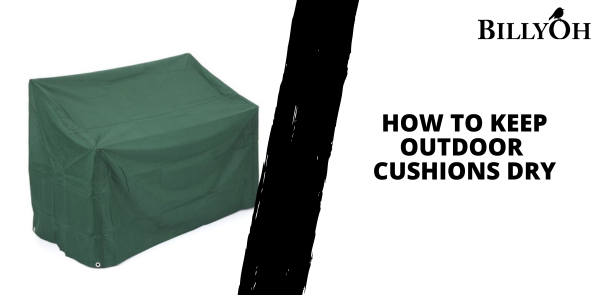
Using protective covers is a simple way to keep outdoor furniture cushions dry. Covers shield cushions from rain, dew, and moisture. They help prevent mold and mildew growth. Covers also protect cushions from dirt and dust. Choosing the right cover and using it correctly extends cushion life. It saves money and keeps your outdoor space looking fresh.
Types Of Covers Available
There are many types of protective covers for cushions. Vinyl covers are waterproof and easy to clean. Polyester covers are lightweight and water-resistant. Some covers have a breathable fabric that stops moisture build-up. Others come with a waterproof lining for extra protection. Covers vary in size, so measure your cushions before buying. Look for covers with secure fasteners like zippers or drawstrings. These keep the cover in place during wind or storms.
Proper Covering Techniques
Always start with clean, dry cushions before covering. Shake off dirt and let cushions air out. Pull the cover over the cushion fully, leaving no parts exposed. Use straps, zippers, or ties to secure the cover tightly. Avoid leaving gaps where water can enter. Store cushions in a dry place under cover if possible. Remove covers occasionally to let cushions breathe and prevent mildew. Proper care keeps cushions fresh and dry longer.
Store Cushions Properly
Storing outdoor furniture cushions properly keeps them dry and extends their life. Wet cushions can grow mold and lose their shape. Protect cushions by choosing the right storage place and following good storage habits. This helps keep your outdoor space clean and your cushions ready to use.
Ideal Storage Locations
Choose a dry, cool place for cushion storage. A garage or shed works well. Avoid places that get damp or hot. Keep cushions off the ground to stop moisture from seeping in. Use shelves or pallets to raise them up. Proper airflow prevents mildew and odors.
Seasonal Storage Tips
Before storing cushions for winter, clean them well. Let them dry completely in the sun. Use breathable storage bags to avoid trapping moisture. Store cushions in a place with low humidity. Check cushions regularly during storage for any signs of dampness or damage. Rotate them to keep their shape.
Apply Waterproof Sprays
Applying waterproof sprays is a simple way to protect outdoor furniture cushions from rain and moisture. These sprays create a barrier that repels water. It helps keep cushions dry and clean for longer. Using the right spray and applying it well makes a big difference.
Choosing The Right Spray
Pick a spray made for fabric or outdoor use. Check if it blocks water but still lets air through. Breathable sprays prevent mold and mildew. Look for sprays that are safe for your cushion material. Avoid sprays with strong chemicals that can cause damage. Choose a product with good reviews and clear instructions.
How To Apply Effectively
Clean the cushions before spraying. Dirt or dust can stop the spray from working well. Shake the spray can well. Hold it about 6 to 8 inches from the fabric. Spray evenly in a sweeping motion. Cover the entire surface, not just spots. Let the cushions dry fully in a shaded area. Apply two coats for better protection. Repeat the process every few months for best results.
Maintain Proper Furniture Placement
Placing outdoor furniture correctly helps keep cushions dry and in good shape. Proper placement stops water from collecting on cushions. It also lowers the chance of mold and mildew growth. Consider the area around your furniture carefully. Choose spots that protect cushions from water damage.
Avoiding Direct Exposure To Rain
Keep furniture away from open areas where rain falls straight down. Move cushions off furniture during heavy rain if possible. Place furniture under eaves or roof overhangs. These areas shield cushions from direct rainfall. Even a small cover can block a lot of water. This simple step extends the life of your cushions.
Using Shade And Shelter
Use natural or built shade to protect cushions. Trees with thick leaves can block rain. A pergola or gazebo works well too. These structures stop water from reaching your furniture. They also reduce sun damage to cushions. Shade keeps cushions dry and looking fresh longer. Choose a spot with good shelter for the best results.
Quick-dry Methods After Rain
Outdoor furniture cushions often get soaked after rain. Drying them quickly stops mold and bad smells. Fast drying also keeps cushions ready for use. Use simple methods to dry cushions at home. These ways save time and protect your cushions well.
Sun-drying Techniques
Place cushions in a sunny spot outside. Sunlight helps evaporate water fast. Turn cushions every 30 minutes for even drying. Avoid leaving cushions too long to stop color fading. A clear, warm day is perfect for this method.
Using Fans And Dehumidifiers
Fans help move air and speed up drying indoors. Set cushions near a fan on low or medium speed. Use a dehumidifier in the room to remove moisture from air. This method works well when sunlight is not available. Keep cushions flat and spread out for best results.
Regular Cushion Cleaning
Keeping outdoor furniture cushions clean is key to keeping them dry and fresh. Dirt and moisture can build up on cushions, causing mold and unpleasant smells. Regular cleaning stops these problems early. It also keeps cushions looking new and extends their life. A simple cleaning routine can make a big difference.
Cleaning To Prevent Mold
Mold grows on damp cushions and can damage fabric quickly. Clean cushions often to stop mold from starting. Use a mild soap mixed with water and a soft brush or cloth. Gently scrub the cushions to remove dirt and mold spores. Avoid harsh chemicals that can harm fabric or colors. After cleaning, rinse cushions with clean water to remove soap. Regular cleaning keeps cushions safe and mold-free.
Drying After Cleaning
Dry cushions completely after washing. Wet cushions invite mold and mildew to grow. Place cushions in the sun or a well-ventilated area. Flip them to dry all sides evenly. Avoid storing cushions until they are 100% dry. Proper drying keeps cushions fresh and ready for use. Dry cushions last longer and stay comfortable outside.

Credit: everydayedits.co
Frequently Asked Questions
How Can I Protect Outdoor Cushions From Rain?
Use waterproof covers or store cushions in a dry, ventilated area. Choose water-resistant fabrics to prevent moisture absorption and mildew growth. Regularly check and dry cushions after rain to maintain longevity.
What Materials Keep Outdoor Cushions Dry Longer?
Look for cushions made with water-resistant fabrics like acrylic or polyester. These materials repel water effectively, reducing moisture retention. Also, quick-drying foam inserts help maintain dryness and prevent mold.
Is It Better To Store Cushions Indoors Or Outdoors?
Storing cushions indoors during bad weather is best to keep them dry. If indoor storage isn’t possible, use breathable, waterproof covers outdoors to protect from rain and humidity.
How Often Should I Dry Outdoor Furniture Cushions?
Dry cushions immediately after exposure to moisture to prevent mold and mildew. Regular drying, especially during wet seasons, maintains cushion freshness and durability. Use sunlight or a dry, ventilated space.
Conclusion
Keeping outdoor furniture cushions dry helps them last longer. Use covers to protect cushions from rain and dew. Store cushions indoors during heavy storms or winter months. Clean cushions regularly to prevent mold and mildew growth. Quick drying after rain stops damage and bad smells.
Small steps make a big difference in cushion care. Enjoy your outdoor space with dry, fresh cushions every day. Simple habits keep your furniture looking great and comfortable.