Are you wondering where to store your outdoor furniture when it’s not in use? Keeping your pieces safe and in good shape can be tricky, especially when the seasons change or bad weather hits.
You don’t want to see your favorite chair fade, crack, or get damaged. You’ll discover simple, smart places to keep your outdoor furniture protected. By the end, you’ll know exactly how to make your furniture last longer and stay looking great year after year.
Keep reading to protect your investment and enjoy your outdoor space without worry.
:strip_icc()/outdoor-sofa-coffee-table-93UGi6zz4bT8OHF5yZ5-MP-6c51040cf7ed4480a5704c571073ef4e.jpg)
Credit: www.bhg.com
Best Storage Spots
Choosing the right place to store outdoor furniture keeps it safe and lasts longer. Good storage protects from rain, dust, and sun damage. It also saves space and keeps your home tidy. Here are some of the best spots to store your outdoor furniture.
Garage Benefits
Garages offer a dry and secure place for outdoor furniture. They protect items from harsh weather and pests. Garages are easy to access for quick setup or storage. You can organize furniture neatly with shelves or hooks. This spot helps keep your furniture clean and ready to use.
Basement Considerations
Basements stay cool and out of direct sunlight. This can prevent fading and heat damage. Check for dampness before storing furniture here. Use plastic covers or pallets to keep items off wet floors. Basements can work well if they are dry and ventilated.
Shed Solutions
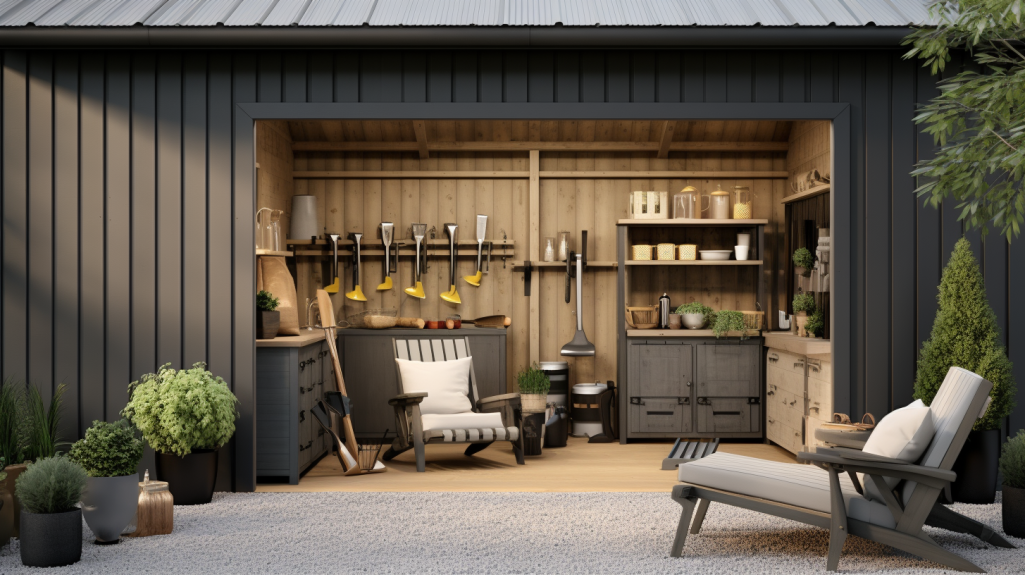
Sheds are designed for outdoor storage. They protect furniture from rain, wind, and snow. You can lock sheds to keep items safe from theft. Shelves and hooks help keep the space organized. Choose a shed with good ventilation to avoid moisture buildup.
Indoor Alternatives
Indoor spaces like spare rooms or closets can store small pieces. These areas protect furniture from all weather conditions. Indoor storage keeps furniture clean and dust-free. Use covers to avoid scratches and marks. This option is best for lightweight or foldable items.
Credit: fj-outdoors.com
Preparation Before Storing
Proper preparation before storing outdoor furniture helps keep it safe and in good shape. Taking time to prepare can save money on repairs and replacements. It also helps the furniture last longer through different seasons.
Start by cleaning and drying the furniture well. Removing dirt and moisture prevents damage and mold growth. Then disassemble parts to save space and avoid breakage. Applying protective coatings adds an extra layer of defense against weather effects.
Cleaning Furniture
Remove dust, dirt, and debris with a soft brush or cloth. Use mild soap and water for stubborn stains. Avoid harsh chemicals that can damage surfaces. Clean all parts, including cushions and frames.
Drying Thoroughly
Dry furniture completely before storing. Moisture can cause rust and mold. Use towels to remove water and air dry in a shaded area. Ensure cushions and fabric are also dry.
Disassembling Parts
Take apart removable parts like legs, cushions, and shelves. Store small pieces in labeled bags. This prevents damage and saves storage space. Follow the manufacturer’s instructions for disassembly.
Applying Protective Coatings
Apply sealants or wax to wooden furniture for moisture protection. Use rust inhibitors on metal parts to prevent corrosion. Choose products safe for your furniture material. This step adds durability during storage.
Storage Techniques
Proper storage techniques help keep outdoor furniture safe and in good shape. Good methods protect against weather damage and dirt. They also save space and make furniture easy to access. Use these simple storage ideas for longer furniture life.
Using Covers
Covers protect furniture from rain, dust, and sun. Choose waterproof and breathable covers to avoid mold. Make sure covers fit snugly to prevent wind damage. Remove covers occasionally to air out furniture.
Elevating Furniture
Keep furniture off the ground to avoid water damage. Use pallets, blocks, or shelves to lift pieces. Elevation prevents rust and wood rot. It also stops pests from nesting under furniture.
Organizing Space Efficiently
Group similar items together to save space. Stack chairs and fold tables to reduce clutter. Use storage bins for cushions and small parts. Label boxes and bins for quick finding later.
)
Credit: www.homedepot.com
Climate Control Tips
Proper climate control is key to keeping outdoor furniture in good shape. It protects your pieces from damage caused by weather changes. Managing temperature, humidity, and air flow helps extend furniture life.
Temperature Management
Keep outdoor furniture away from places with extreme heat or cold. Sudden temperature shifts can cause materials to crack or warp. Store furniture in a space that stays cool in summer and warm in winter. Avoid direct sunlight during storage to prevent fading and weakening.
Humidity Control
High humidity can lead to mold and mildew on furniture. Low humidity causes wood to dry out and crack. Use a dehumidifier in damp storage areas to keep moisture levels steady. Silica gel packs also help absorb excess moisture inside covers or boxes.
Ventilation Importance
Good ventilation stops moisture buildup and keeps air fresh. Poor air flow traps humidity, which harms furniture materials. Store items in a well-ventilated shed or garage. Leave some space around furniture for air to circulate freely.
Material-specific Storage
Different outdoor furniture materials need special care during storage. Storing items properly keeps them safe from damage. It also helps furniture last longer. Each material reacts differently to weather and storage conditions. Understanding these differences protects your investment.
Wooden Furniture Care
Wood needs dry, cool places for storage. Avoid damp areas to prevent mold and rot. Clean wooden pieces before storing. Use a soft brush or cloth to remove dirt. Apply wood oil or sealant to protect the surface. Cover furniture with breathable cloths, not plastic. This stops moisture build-up and allows air flow.
Metal Furniture Tips
Metal furniture can rust if left in wet places. Clean metal items with a damp cloth and dry them well. Use rust-resistant spray or paint on exposed parts. Store metal furniture in a dry, covered area. Elevate items off the ground to avoid water contact. Check stored pieces regularly for any signs of rust.
Plastic And Resin Storage
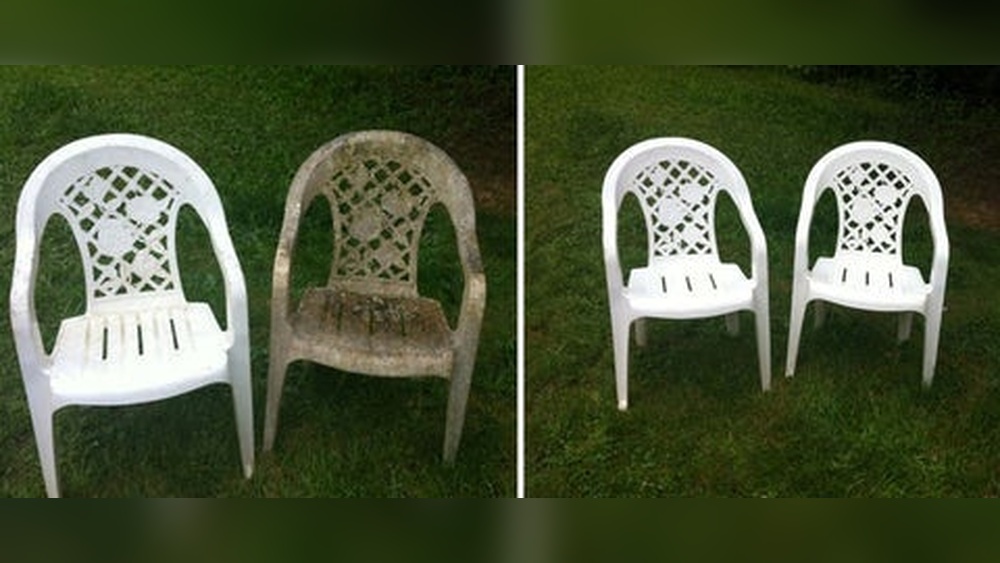
Plastic and resin furniture is lightweight and easy to store. Clean with mild soap and water before storage. Avoid direct sunlight as it can cause fading and cracking. Store these pieces in shaded or indoor areas. Keep plastic furniture away from extreme heat to prevent warping. Stack chairs carefully to save space and avoid damage.
Cushion And Fabric Handling
Remove cushions and fabrics from furniture before storage. Clean cushions by brushing off dirt or washing covers. Ensure cushions are completely dry to stop mold growth. Store cushions in breathable bags or containers. Avoid plastic bags that trap moisture. Keep fabrics in cool, dry places to maintain freshness and color.
Common Storage Mistakes
Storing outdoor furniture the right way helps it last longer. Many people make simple mistakes that damage their furniture during storage. Knowing common errors can save money and keep your furniture in good shape.
Ignoring Moisture
Moisture causes wood to warp and metal to rust. Leaving furniture in damp places invites mold and mildew. Always keep furniture dry to avoid these problems. Use waterproof covers or dry storage areas to protect your pieces.
Poor Ventilation
Bad airflow traps humidity around your furniture. This creates a perfect place for mold to grow. Store furniture in a well-ventilated space. Air should move freely to keep furniture dry and fresh.
Inadequate Protection
Not using the right covers leaves furniture exposed to dust and pests. Cheap covers can trap moisture instead of keeping it out. Choose breathable covers made for outdoor furniture. This keeps dirt away while letting moisture escape.
Stacking Errors
Stacking furniture without care can cause scratches and dents. Heavy items on top can break fragile parts. Place cushions and delicate pieces on top or separately. Use padding between stacked items to protect surfaces.
Seasonal Storage Planning
Seasonal storage planning helps protect outdoor furniture during harsh weather. Proper planning keeps furniture safe from damage. It also makes setup easier next season. Follow simple steps to store your items well.
Timing Your Storage
Store outdoor furniture before cold weather arrives. Check the forecast for early frost or snow. Move items inside or to a covered spot. Avoid leaving them outside during rain or wind. Early storage prevents wear and tear.
Maintenance During Storage
Clean furniture before storing it away. Remove dirt, leaves, and moisture. Use mild soap and water for cleaning. Dry furniture completely to avoid mold growth. Cover pieces with breathable cloth or tarp. Avoid plastic covers that trap moisture.
Preparing For Reuse
Inspect furniture before bringing it back. Look for cracks, rust, or loose parts. Tighten screws and fix small damages. Clean surfaces again to remove dust. Store cushions separately in a dry place. Ready furniture lasts longer and looks great.
Frequently Asked Questions
Where Is The Best Place To Store Outdoor Furniture?
The best place to store outdoor furniture is in a dry, covered area. Use a garage, shed, or storage unit to protect from weather damage. Avoid damp or humid places to prevent mold and rust. Proper storage extends furniture life and keeps it clean.
How Should I Prepare Outdoor Furniture For Storage?
Clean all dirt and debris before storage. Dry furniture thoroughly to prevent mold growth. Use furniture covers or wrap with breathable materials. Disassemble large pieces if possible. Store cushions separately in waterproof bags to keep them fresh and dry.
Can I Store Outdoor Furniture Outside During Winter?
Storing outdoor furniture outside during winter is not ideal. Exposure to snow and moisture can cause damage. If you must store outside, use waterproof covers and elevate furniture off the ground. However, indoor storage is always better to preserve quality.
What Materials Are Best For Outdoor Furniture Storage?
Ideal materials for storage include plastic, metal, or wooden sheds with good ventilation. Avoid damp basements or unventilated spaces. Use breathable covers to prevent moisture buildup. Proper storage materials help maintain furniture condition and prevent rust or mildew.
Conclusion
Storing outdoor furniture properly keeps it safe and clean. Choose a dry, cool place to avoid damage. Cover furniture with breathable covers to protect from dust and moisture. Keep cushions in a separate, dry spot to prevent mold. Regular care helps your furniture last longer.
Simple steps make a big difference in preserving your outdoor pieces. Remember, good storage saves money and effort later. Make storage a part of your seasonal routine. Your furniture will thank you with years of use.