Rust on your outdoor furniture can be frustrating. It not only looks ugly but can also weaken your favorite pieces over time.
You might think the only solution is to buy new furniture, but that’s not true. You can easily remove rust and bring your furniture back to life with simple steps. In this guide, you’ll discover effective, easy-to-follow methods to clean rust off your outdoor furniture.
By the end, you’ll know exactly how to protect your furniture and keep it looking great for seasons to come. Ready to get started? Let’s dive in!

Credit: www.reddit.com
Causes Of Rust On Outdoor Furniture
Rust forms on outdoor furniture due to several factors. Understanding these causes helps in preventing and treating rust effectively. Outdoor furniture faces tough conditions that make rust common. Here are the main reasons rust appears on metal furniture.
Exposure To Moisture And Weather
Rain, dew, and humidity cause metal to oxidize. Water reacts with metal surfaces, starting rust formation. Outdoor furniture left wet for long periods is at risk. Sunlight and temperature changes also speed up rusting.
Metal Types Prone To Rust
Not all metals resist rust equally. Iron and steel rust easily without protection. Aluminum and stainless steel resist rust better but can still corrode. Knowing your furniture’s metal type helps in care and maintenance.
Lack Of Protective Coating
Protective coatings stop moisture from reaching metal. Paint, powder coating, and sealants act as barriers. Over time, coatings can wear off or chip. Without this layer, rust forms quickly on exposed metal.
Tools And Materials Needed
Removing rust from outdoor furniture requires the right tools and materials. Using proper items makes the job easier and more effective. Prepare these before starting the cleaning process to save time and effort.
Rust Removers And Cleaners
Choose rust removers designed for outdoor use. Look for products with clear instructions. Some cleaners use natural ingredients like vinegar or lemon juice. These can work well on light rust. Chemical rust removers handle tougher rust spots. Always pick a remover safe for your furniture’s material.
Scrubbing Tools And Brushes
Use scrubbing tools to remove rust physically. Wire brushes are great for metal surfaces. Soft-bristle brushes suit delicate areas. Sandpaper helps smooth rough patches. A sponge or cloth cleans the surface after scrubbing. Select tools that fit the size and shape of your furniture.
Protective Gear
Wear gloves to protect your hands from rust and chemicals. Safety glasses shield your eyes from dust and splashes. A mask prevents inhaling rust particles or fumes. Long sleeves and pants protect your skin. Always wear protective gear to stay safe during rust removal.
Simple Rust Removal Methods
Rust on outdoor furniture can spoil its look and shorten its life. Simple rust removal methods help restore the metal’s shine and strength. These ways use common household items and need little effort. They work well and save money compared to buying special products.
Try these easy methods to clean rust and bring your furniture back to life. Each one is safe and good for small to medium rust spots.
Using White Vinegar
White vinegar is acidic and breaks down rust effectively. Pour vinegar over the rusty areas or soak a cloth in it. Place the cloth on the rust and leave it for about an hour. Then scrub with a brush or sponge. Rinse with water and dry the furniture well. Repeat if rust remains.
Applying Baking Soda Paste
Baking soda is gentle and easy to use. Mix baking soda with water to form a thick paste. Spread the paste on the rusted spots. Let it sit for 30 minutes to loosen rust. Use a brush or cloth to scrub the area gently. Wash off with water and dry. This method works well on light rust.
Lemon Juice And Salt Treatment
Lemon juice contains acid that removes rust naturally. Sprinkle salt over the rusted surface first. Then squeeze fresh lemon juice on top. Let the mix sit for a few hours in the sun. Scrub the rust with a brush or cloth. Rinse with water and dry completely. This method brightens the metal and fights rust.
Mechanical Rust Removal Techniques
Mechanical rust removal techniques are effective for cleaning outdoor furniture. These methods use physical force to scrape or scrub rust away. They work well on small to medium rust patches. Tools like scrapers, brushes, and power tools make the job easier. Mechanical removal helps prepare the surface for painting or sealing.
Scraping And Sanding
Scraping removes loose rust flakes quickly. Use a metal scraper or putty knife. Hold the tool at an angle and push rust off the surface. Sanding smooths rough areas and removes rust that scraping misses. Use sandpaper with medium grit for best results. Sand until you see clean metal underneath.
Wire Brush And Steel Wool
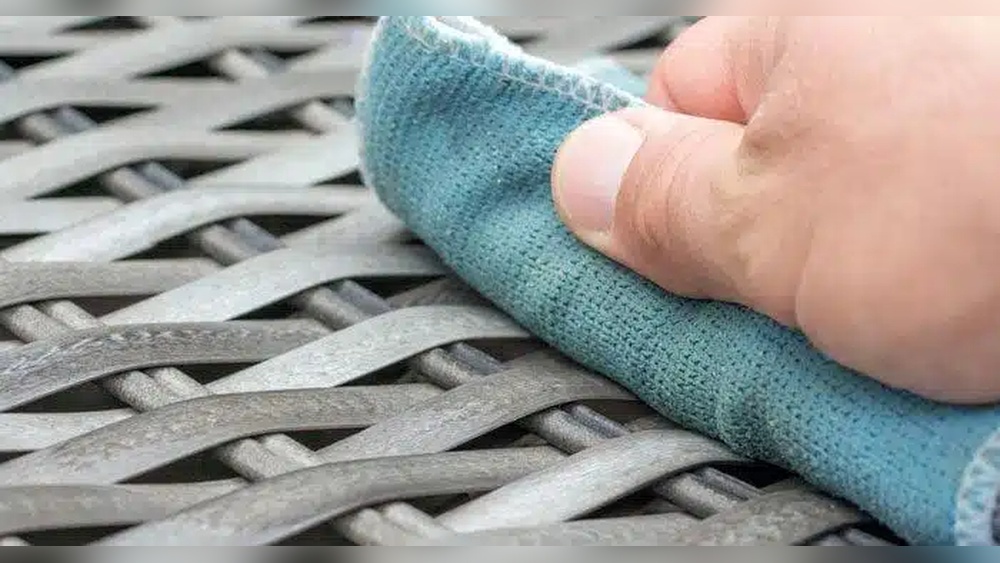
A wire brush scrubs rust from corners and crevices. Choose a brush with stiff metal bristles. Use short, firm strokes to loosen rust. Steel wool works well for light rust and smooth surfaces. Rub gently to avoid scratching the metal. Both tools help clean the surface before painting.
Power Tools For Larger Areas
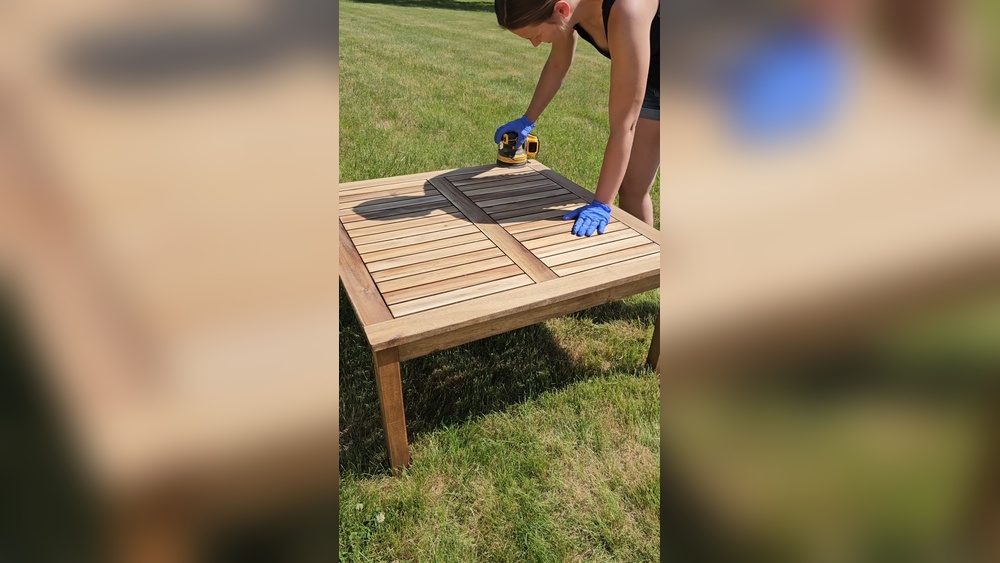
Power tools speed up rust removal on big furniture pieces. An angle grinder with a wire wheel is a popular choice. It removes rust quickly and evenly. A power sander is useful for flat surfaces. Wear safety gear to protect eyes and hands during use. Power tools save time and effort on tough rust.
Preventing Future Rust
Rust can damage outdoor furniture over time. Stopping rust before it starts helps keep furniture strong and good-looking. Simple steps can protect your furniture from rust. These steps save money and effort in the long run.
Applying Rust-resistant Paint
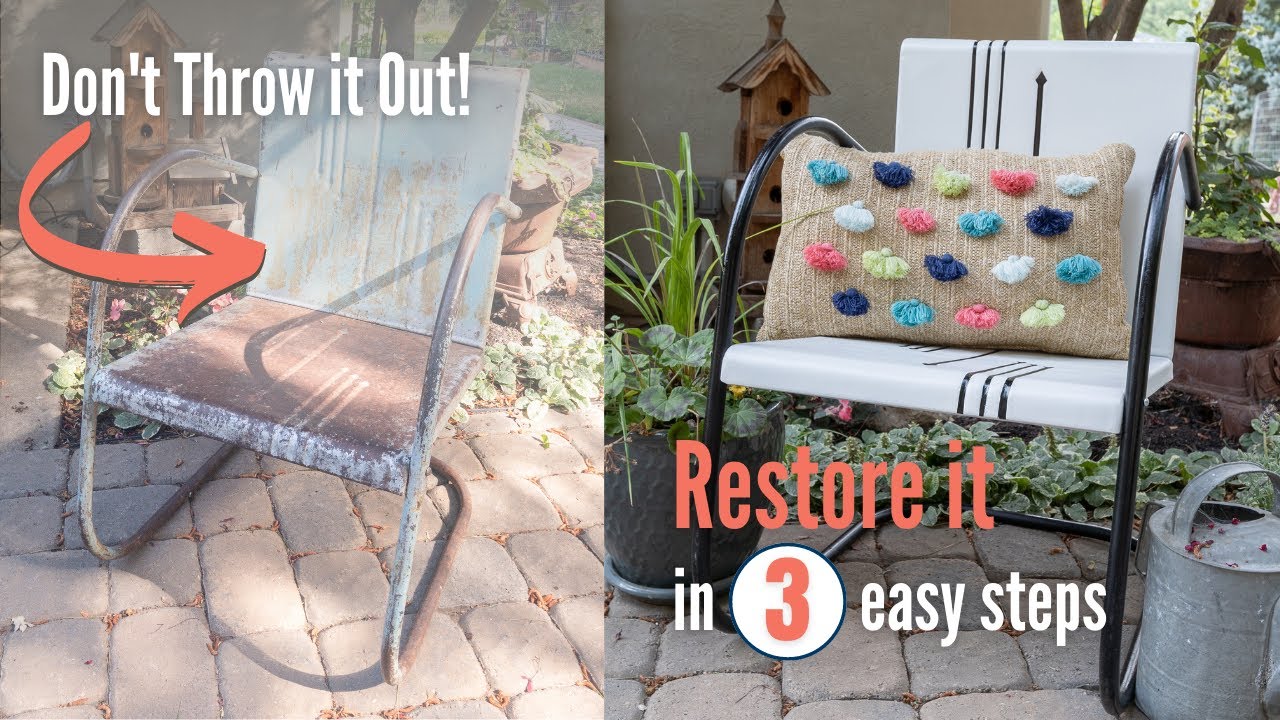
Rust-resistant paint blocks water and air from touching metal. This stops rust from forming. Choose paint made for metal and outdoor use. Clean the furniture well before painting. Apply paint evenly and let it dry fully. A fresh coat every few years keeps protection strong.
Using Sealants And Protective Coatings
Sealants add a clear layer over the paint or metal. This layer keeps moisture out. Use a sealant made for outdoor metal furniture. Brush or spray it on clean, dry surfaces. Reapply sealants each season or after heavy rain. This extra layer helps furniture last longer.
Regular Maintenance Tips
Check furniture regularly for scratches or chips. Fix small damage quickly to stop rust starting. Clean furniture with mild soap and water. Avoid harsh chemicals that can break paint or sealant. Cover furniture or store it inside during bad weather. These habits keep rust away and furniture looking new.

Credit: www.reddit.com
Safe Disposal Of Rust Removal Waste
Removing rust from outdoor furniture is important for upkeep. Safe disposal of rust removal waste keeps your space clean and protects the environment. Rust removal often creates waste like chemical residues and rust particles. Proper handling and disposal prevent harm to people, pets, and nature.
Handling Chemical Residues
Rust removers often contain strong chemicals. These residues can be harmful if spilled or poured down drains. Use gloves to protect your skin. Collect leftover chemicals in a sealed container. Never mix different chemicals together. Store the container away from children and pets until disposal. Check local rules for hazardous waste collection. Take the chemicals to a proper disposal facility.
Disposing Of Rust Particles
Rust particles are small flakes of iron oxide. They can spread dust and dirt if not handled well. Sweep or vacuum the rust debris carefully. Avoid washing rust particles into storm drains or soil. Place the rust waste in a sealed plastic bag. Throw the bag in the trash bin only if local laws allow. Otherwise, find a local recycling or disposal center that accepts metal waste.
Environmental Considerations
Rust waste can pollute water and soil. It may harm plants, animals, and insects. Avoid dumping any rust or chemical waste outdoors. Protect nearby water sources from contamination. Use eco-friendly rust removers when possible. Follow all local guidelines for waste disposal. Your care helps keep the environment safe and clean.
Credit: www.youtube.com
Frequently Asked Questions
How Can I Remove Rust From Outdoor Metal Furniture?
Use a mixture of white vinegar and baking soda. Apply it to rust spots, scrub gently, then rinse thoroughly. Repeat if needed for stubborn rust.
What Household Items Remove Rust From Outdoor Furniture?
Common items like lemon juice, baking soda, and white vinegar effectively remove rust. They are safe, affordable, and eco-friendly options for rust removal.
Is It Safe To Use Chemical Rust Removers Outdoors?
Yes, but use them carefully. Follow instructions, wear gloves, and ensure good ventilation. Avoid harsh chemicals on delicate finishes or plants nearby.
How Do I Prevent Rust On Outdoor Furniture?
Apply a protective sealant or outdoor paint. Keep furniture clean and dry. Store indoors or cover during rain and winter to minimize rust formation.
Conclusion
Rust can damage outdoor furniture quickly. Removing rust keeps your furniture looking good. Use simple tools and safe cleaners for best results. Clean and dry the furniture after removing rust. Regular care helps prevent rust from coming back. Enjoy your outdoor space with furniture that lasts longer.
Taking small steps now saves money later. Rust removal is easy with patience and the right method. Keep your furniture strong and ready for every season.