Your outdoor furniture is an investment you want to protect. But how do you keep it safe from rain, sun, dirt, and dust?
The answer lies in using outdoor furniture covers the right way. If you’ve ever wondered how to make your covers last longer and keep your furniture looking brand new, this guide is for you. By the time you finish reading, you’ll know exactly how to use outdoor furniture covers to shield your pieces and save yourself time and money on repairs.
Let’s dive in and make sure your outdoor space stays beautiful all year round.
Choosing The Right Cover
Choosing the right outdoor furniture cover protects your investment and keeps furniture looking new. It helps shield against dirt, rain, sun, and pests. The perfect cover fits well and lasts through all seasons. Focus on material, size, and weather resistance to find the best option.
Material Types
Outdoor furniture covers come in several materials. Polyester is common and water-resistant. Vinyl offers strong protection but can trap heat. Canvas is durable and breathable but may need waterproof treatment. Pick a material that suits your climate and furniture type.
Size And Fit
A cover that fits well prevents water and dirt from getting in. Measure your furniture’s width, length, and height. Choose a cover slightly larger than your furniture for easy use. Tight covers can damage furniture, while loose ones may blow away.
Weather Resistance
Look for covers with waterproof or water-resistant features. UV protection stops sun damage and fading. Windproof covers have straps or ties to keep them secure. Consider covers with ventilation to avoid mold and mildew growth.

Credit: www.amazon.com
Preparing Furniture For Covering
Preparing your outdoor furniture before covering it helps protect it better. Clean and dry furniture lasts longer under covers. Proper preparation stops moisture and dirt from causing damage. Follow easy steps to get your furniture ready.
Cleaning Before Covering
Start by removing dirt and dust. Use a soft brush or cloth to wipe surfaces. For tougher stains, use mild soap and water. Avoid harsh chemicals that can harm the furniture. Clean every corner to prevent mold and pests.
Drying And Inspection
Let the furniture dry completely in the sun or air. Moisture trapped under covers causes mold and rust. After drying, check for cracks, loose parts, or damage. Fix small issues before covering. This keeps your furniture safe and strong.
Removing Cushions And Accessories
Take off cushions, pillows, and other removable items. These parts can trap moisture and get moldy. Store them in a dry, cool place inside your home. Cover only the main furniture frame for best protection. This step extends the life of cushions and accessories.
Proper Covering Techniques
Proper covering techniques keep your outdoor furniture safe and lasting longer. Covers protect against sun, rain, dust, and dirt. Using the right methods helps avoid damage and keeps covers in place.
Learn how to secure covers well, stop moisture build-up, and use straps for a snug fit. These small steps make a big difference.
Securing The Cover
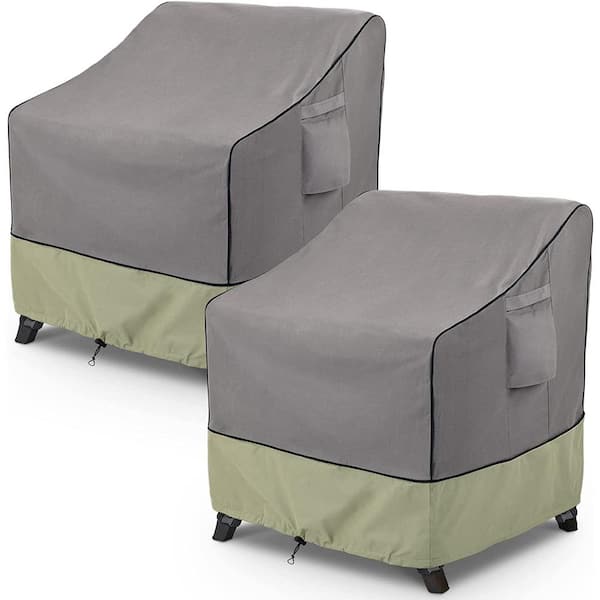
Place the cover evenly over your furniture. Make sure it reaches the ground or the base. Pull the cover tight to avoid flapping in the wind. Tuck any loose edges under the furniture legs. This stops the cover from blowing away.
Avoiding Moisture Traps
Moisture can cause mold and mildew on furniture. Ensure the cover allows air to flow. Use covers with vents or breathable fabric. Avoid covering wet furniture. Let it dry before putting on the cover. This prevents water from getting trapped.
Using Straps And Ties
Straps and ties keep the cover secure in strong winds. Use built-in straps or add your own. Fasten them tightly around the furniture legs or frame. Check straps regularly to make sure they are not loose. This keeps the cover from shifting or blowing away.
Credit: www.homedepot.com
Maintaining Covers And Furniture
Maintaining your outdoor furniture covers and the furniture itself keeps both in good shape. Proper care helps extend their life and keeps your outdoor space looking neat. Small efforts can prevent big problems like tears, mold, and fading.
Regular Cleaning Of Covers
Clean the covers regularly to remove dirt and dust. Use a soft brush or cloth to wipe off loose debris. For deeper cleaning, wash covers with mild soap and cold water. Avoid harsh chemicals that can damage the fabric. Let the covers air dry fully before placing them back on furniture.
Checking For Damage
Look over your covers often for holes, tears, or worn spots. Fix small tears quickly with patch kits or strong tape. Check the furniture underneath for rust or cracks as well. Early repairs stop damage from getting worse. Replace covers if they become too worn or torn.
Storing Covers When Not In Use
Store covers in a dry, cool place when not in use. Fold them neatly to avoid creases and damage. Use a storage bag or box to keep dust and pests away. Never leave covers wet or damp, as this causes mold and smells. Proper storage keeps covers fresh and ready for the next season.
Common Mistakes To Avoid
Using outdoor furniture covers can protect your furniture well. Avoiding common mistakes helps your covers last longer. It also keeps your furniture in good shape. Below are some mistakes to watch for.
Covering Wet Furniture
Do not cover furniture when it is wet. Trapping moisture can cause mold and mildew. Let your furniture dry completely before covering it. This keeps the cover and furniture fresh.
Ignoring Fit And Ventilation
Choose covers that fit your furniture properly. Loose covers can blow away in the wind. Tight covers without ventilation trap heat and moisture. Look for covers with vents to allow air flow. This prevents damage and keeps furniture dry.
Neglecting Seasonal Changes
Change or remove covers based on seasons. Heavy covers in summer can cause overheating. Thin covers in winter may not protect enough. Match your cover to the weather for best results.
:max_bytes(150000):strip_icc()/spr-otk-fj-outdoor-patio-furniture-covers-waterproof-uv-resistant-anti-fading-cover-x-large-round-table-chairs-set-dburreson-13-d5f0f236a2d34497bb8f72b8b5fd51bc.jpeg)
Credit: www.thespruce.com
Benefits Of Using Covers
Using outdoor furniture covers brings many benefits. These covers keep your furniture safe and looking new. They protect against weather and daily damage. Covers help save money by reducing repair needs. They also keep your outdoor space tidy and inviting.
Protection From Elements
Covers shield furniture from rain, snow, and sun. Water can cause wood to rot and metal to rust. Sunlight fades colors and weakens materials. Dust and dirt collect on uncovered furniture. Covers stop these elements from causing damage.
Preventing Wear And Tear
Furniture faces scratches and stains from use. Covers act as a barrier against spills and marks. They prevent damage from pets and insects. Covers reduce the impact of wind blowing debris. This keeps furniture cleaner and in better shape.
Extending Furniture Lifespan
Proper protection means furniture lasts longer. Covers reduce the need for frequent repairs or replacement. This saves money over time. Well-maintained furniture keeps its value and appearance. Covers help your outdoor pieces stay strong and usable.
Frequently Asked Questions
How Do I Choose The Right Outdoor Furniture Cover?
Select a cover that fits your furniture’s size and shape precisely. Choose waterproof, UV-resistant materials for durability. Ensure it has ventilation to prevent mold and mildew. Opt for covers with secure straps to withstand wind.
How Often Should I Use Outdoor Furniture Covers?
Use covers whenever your furniture is not in use, especially during bad weather. Covering daily protects against rain, sun, dust, and debris. In winter or off-season, continuous covering extends furniture life.
Can Outdoor Furniture Covers Prevent Mold And Mildew?
Yes, covers with proper ventilation reduce moisture buildup, preventing mold and mildew. Avoid airtight covers that trap humidity. Regularly air out furniture under the cover to keep it dry and fresh.
How Do I Clean And Maintain Outdoor Furniture Covers?
Clean covers with mild soap and water using a soft brush. Rinse thoroughly and air dry completely before storage. Store covers in a dry, cool place to avoid damage and prolong lifespan.
Conclusion
Using outdoor furniture covers keeps your furniture safe and clean. They protect against rain, dust, and sun damage. Covers help your furniture last longer and look new. Always choose the right size and material for your furniture. Remember to dry your furniture before covering it to avoid mold.
Regularly check and clean the covers for best results. Taking these small steps saves money and effort over time. Keep your outdoor space neat and inviting with proper care. Simple habits can make a big difference in furniture care.