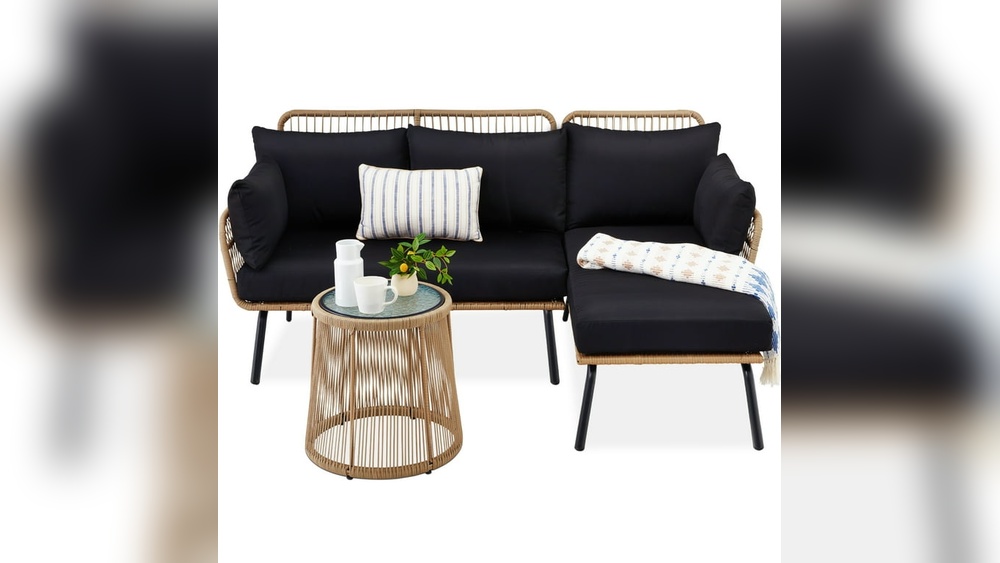
If you have wood outdoor furniture, you probably want to keep it looking fresh and clean. But when it comes to pressure washing, you might be wondering: Is it really safe for your wood pieces?
Using a pressure washer can be tempting because it promises a quick and powerful clean. However, if you’re not careful, it could damage the wood and shorten the life of your favorite outdoor chairs or tables. You’ll discover exactly how pressure washing affects wood furniture and learn the best way to clean it without causing harm.
Keep reading to protect your investment and enjoy beautiful outdoor furniture for years to come.
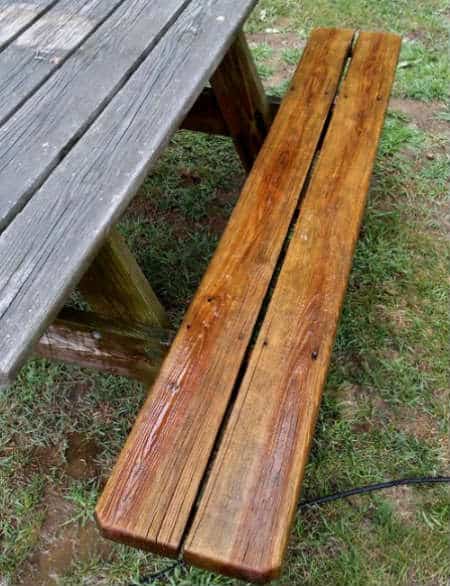
Credit: pressurewashr.com
Benefits Of Pressure Washing Wood Furniture
Pressure washing wood outdoor furniture has clear benefits. It cleans deeply and restores the wood’s natural beauty. This method removes dirt and grime that build up over time. It also helps protect the furniture from damage. Proper cleaning extends the life of wood pieces and keeps them looking fresh.
Here are some important benefits of pressure washing wood furniture.
Enhances Appearance
Pressure washing removes layers of dust and stains. It brings out the wood’s natural color and texture. The furniture looks newer and more inviting. This improves the overall look of your outdoor space. Clean wood creates a fresh and well-maintained impression.
Removes Dirt And Mold
Outdoor furniture collects dirt, mold, and mildew. These can cause damage and odors. Pressure washing blasts away these harmful substances. It cleans deep inside the wood grain. This reduces the risk of wood decay. Cleaner furniture means a healthier outdoor environment.
Prepares Surface For Treatment
Pressure washing readies wood for stains or sealants. It removes old finishes and loose particles. This allows new treatments to stick better. Proper preparation improves the effectiveness of wood protection. Treated wood lasts longer and resists weather damage.
Risks Of Pressure Washing Wood Furniture
Pressure washing wood outdoor furniture might seem like a quick cleaning fix. Yet, it carries risks that can harm your furniture’s look and life. Understanding these risks helps you decide the best care method.
Wood is delicate and reacts differently to strong water jets. Careless pressure washing can lead to damage rather than cleaning.
Potential Surface Damage
High-pressure water can strip wood fibers from the surface. This causes rough patches and splinters. Over time, the wood looks worn and uneven. Gentle cleaning methods preserve wood’s smoothness better.
Water Penetration Issues
Pressure washing forces water deep into the wood. This moisture can stay trapped, leading to swelling or warping. Trapped water also encourages mold and rot growth. Proper drying after washing is crucial but hard to ensure.
Impact On Wood Finish
Strong water sprays can peel off paint or stain. This leaves the wood exposed to sun and rain damage. The finish protects wood and keeps it looking good longer. Damage to the finish means more frequent repairs or refinishing.
Choosing The Right Pressure Washer Settings
Choosing the right pressure washer settings is key to cleaning wood outdoor furniture safely. Wood can be soft and may get damaged if the pressure is too high. Adjusting the settings helps remove dirt without harming the wood surface. It also saves time and effort during cleaning.
Recommended Pressure Levels
Use a pressure level between 500 and 600 PSI for wood furniture. This range cleans well without stripping the wood or causing dents. Avoid using pressure above 1200 PSI as it can damage the wood fibers. Start at a low setting and increase only if needed.
Nozzle Selection
Choose a nozzle with a wide spray pattern, like 25 or 40 degrees. Wide nozzles spread water evenly, reducing the risk of damage. Avoid narrow nozzles with strong, concentrated spray. They can gouge or splinter the wood surface.
Distance And Angle Tips
Keep the nozzle at least 12 inches away from the wood. Closer distance increases pressure and may cause damage. Hold the nozzle at a slight angle, not straight on. This helps lift dirt without pushing water deep into the wood grain.
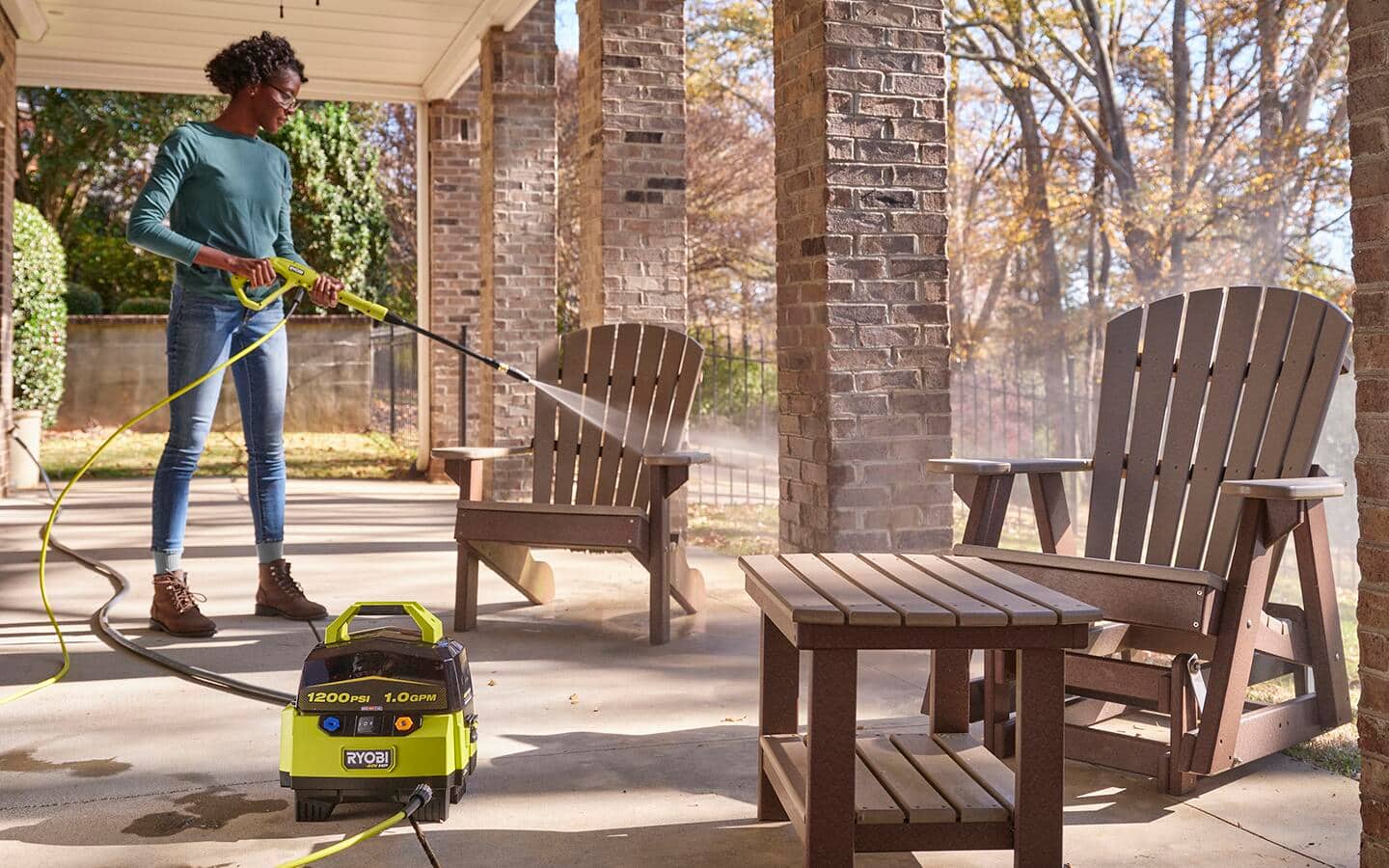
Credit: www.homedepot.com
Preparing Wood Furniture For Pressure Washing
Pressure washing wood furniture can restore its beauty. Proper preparation helps protect the wood. It prevents damage and ensures a cleaner finish. Taking small steps before washing makes a big difference.
Start with cleaning and protecting the furniture. Test the pressure on a small area. These steps help keep your wood safe and looking great.
Cleaning Loose Debris
Remove leaves, dust, and dirt from the surface. Use a soft brush or cloth. Loose debris can scratch the wood during washing. Clear all corners and crevices carefully. This step helps the pressure washer work better.
Protecting Delicate Areas
Cover cushions, joints, and metal parts with plastic or tape. These parts can get damaged by water or pressure. Protecting delicate areas stops leaks and rust. Remove any fabric covers or cushions before washing. Keep your furniture safe from harm.
Testing On Small Sections
Choose a hidden spot on the furniture. Spray with low pressure first. Look for wood damage or color fading. Increase pressure slowly if no harm occurs. Testing helps avoid surprises after full washing. It keeps your wood furniture in good shape.
Step-by-step Pressure Washing Guide
Pressure washing wood outdoor furniture can restore its natural beauty. Follow this step-by-step guide to clean your furniture safely and effectively. Proper care prevents damage and keeps wood looking fresh for longer.
Safety Precautions
Wear safety goggles and gloves to protect yourself. Use a pressure washer with a low PSI setting. Avoid pointing the nozzle too close to the wood. Test the pressure on a small area first. Keep children and pets away from the work area.
Washing Techniques
Start by removing loose dirt with a soft brush. Hold the pressure washer nozzle about 12 inches from the surface. Use smooth, sweeping motions to avoid damage. Do not stay too long in one spot. Clean all sides evenly for a uniform look.
Drying Process
Let the furniture dry completely before use. Place it in a shaded, well-ventilated area. Avoid direct sunlight to prevent warping. Drying may take several hours to a full day. Check for moisture before applying any sealants or finishes.
Alternative Cleaning Methods For Wood Furniture
Cleaning wood outdoor furniture needs care. Pressure washing can harm the wood’s surface. There are safer ways to clean wood without damage. These methods keep your furniture looking good for a long time.
Hand Scrubbing
Hand scrubbing uses a soft brush or sponge. Mix mild soap with water for cleaning. Gently scrub the wood’s surface to remove dirt. This method avoids rough treatment of the wood. Rinse with clean water and dry with a cloth.
Using Wood Cleaners
Wood cleaners are made specifically for wood furniture. They remove stains, mold, and mildew safely. Apply the cleaner according to the label instructions. Use a soft cloth or brush to clean the surface. These products help protect the wood’s finish.
Soft Washing Options
Soft washing uses low-pressure water mixed with cleaning agents. It cleans without damaging the wood fibers. This method removes grime gently and effectively. Soft washing is good for delicate or aged wood. Rinse thoroughly and let the furniture dry outside.
Aftercare And Maintenance Tips
After pressure washing wood outdoor furniture, proper care is key. Wood can become dry or damaged if not treated right. Follow simple steps to keep your furniture strong and beautiful for years.
Sealing And Staining
Apply a good sealant or stain to protect the wood. These products block water and sun damage. Choose one made for outdoor wood. Reapply every year or as needed. This keeps the wood from cracking and fading.
Regular Cleaning Schedule
Clean your furniture often to avoid dirt buildup. Use a soft brush and mild soap with water. Avoid harsh chemicals that can harm wood. Quick cleaning stops mold and mildew from growing. A clean surface helps sealants last longer.
Storage Recommendations
Store wood furniture in a dry place during harsh weather. Cover it with breathable fabric to prevent moisture traps. Avoid plastic covers that hold water. If storage indoors is not possible, place furniture on raised blocks to keep it off wet ground.

Credit: www.youtube.com
Frequently Asked Questions
Is Pressure Washing Safe For Wood Outdoor Furniture?
Pressure washing can be safe if done carefully. Use low pressure and keep a distance to avoid wood damage. Test on a small area first to ensure no splintering or warping occurs.
What Pressure Setting Is Best For Wood Furniture?
A pressure setting below 500 PSI is ideal for wood furniture. Higher pressure can strip the wood fibers and cause damage. Always start with the lowest setting and adjust if needed.
How Often Should I Pressure Wash Wood Furniture?
Pressure wash wood furniture once or twice a year. Frequent washing can erode the wood surface. Regular cleaning helps maintain appearance and prevents mold buildup.
Can Pressure Washing Remove Stains From Wood Furniture?
Pressure washing can remove surface dirt and mild stains. However, deep stains may require specialized wood cleaners or sanding. Avoid harsh chemicals that can damage the wood finish.
Conclusion
Pressure washing wood furniture can be helpful if done carefully. Use low pressure to avoid damaging the wood. Always test a small area first. Clean wood looks fresh and lasts longer. Avoid harsh chemicals that can harm the surface. Regular gentle cleaning keeps your outdoor furniture beautiful.
Take your time and follow safety tips. This way, your wood furniture stays strong and attractive for years. Choose the right method to protect your investment. Simple care makes a big difference.