If you own acacia outdoor furniture, you know how important it is to keep it looking beautiful and lasting for years. But have you ever wondered which oil is best to protect your wood from weather damage and fading?
Choosing the right oil can make all the difference in maintaining your furniture’s natural shine and strength. You’ll discover the perfect oil options that will keep your acacia pieces looking fresh and inviting, no matter the season. Let’s dive in and find out how to give your outdoor furniture the care it deserves.

Credit: www.reddit.com
Choosing The Right Oil
Choosing the right oil for your acacia outdoor furniture protects it from weather damage. It keeps the wood looking fresh and extends its life. Different oils work well on acacia wood, but some are better suited than others. Understanding the options helps you pick the best one.
Types Of Oils For Outdoor Furniture
Teak oil is a popular choice for outdoor wooden furniture. It soaks deep into the wood and enhances its natural color. Linseed oil is another option, known for its water-resistant qualities. Tung oil offers a strong protective layer and dries quickly. There are also synthetic oils made for durability and easy application.
Benefits Of Natural Vs. Synthetic Oils
Natural oils come from plants and nuts. They are safe and eco-friendly. They absorb well and give a warm glow to wood. Synthetic oils last longer and resist weather better. They often contain additives to fight mold and UV rays. Both types protect wood but differ in maintenance and finish.
Factors To Consider For Acacia Wood
Acacia wood is dense and oily by nature. It needs oils that penetrate well without leaving a sticky surface. The oil should protect from sun, rain, and insects. Easy drying oils help avoid long waiting times. Consider how often you want to reapply the oil. Choose one that matches your care routine and climate.
Preparing Acacia Furniture
Preparing acacia outdoor furniture ensures the oil soaks in evenly. Proper preparation boosts the wood’s natural beauty and protects it. This process takes time but gives better results. Follow these steps carefully before applying oil.
Cleaning Before Oiling
Start by removing dirt and dust from the furniture. Use a soft brush or cloth to clear the surface. For stubborn grime, mix mild soap with water. Gently scrub and rinse with clean water. Let the furniture dry completely before moving on.
Sanding And Surface Preparation
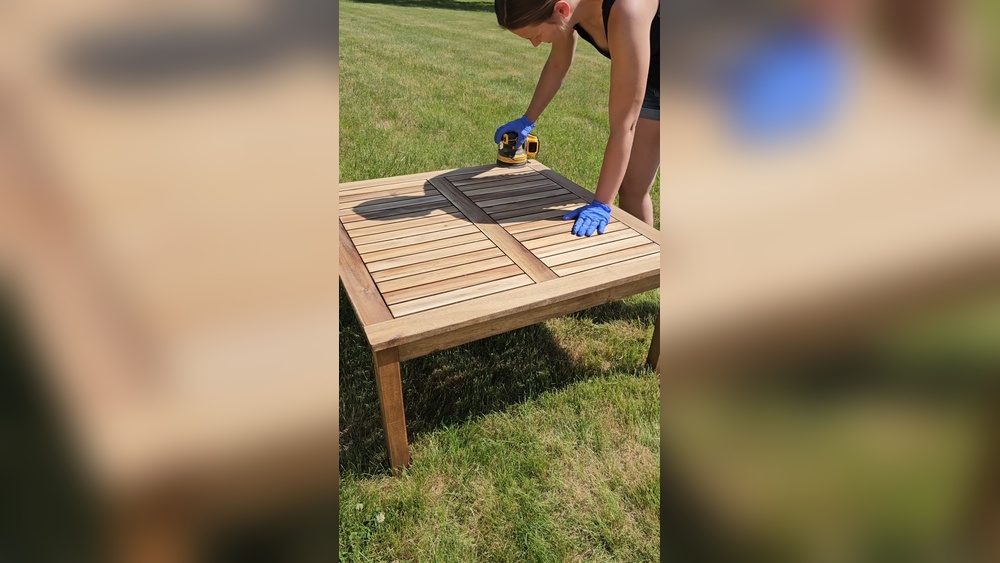
Sanding smooths the wood and opens its pores for oil. Use fine-grit sandpaper to avoid damage. Sand in the direction of the grain only. Wipe away dust with a dry cloth after sanding. This step helps the oil stick better and last longer.
Removing Old Finishes
Old paint or varnish blocks oil from penetrating the wood. Use a chemical stripper or sand to remove old finishes. Follow safety instructions when using chemicals. Clean the surface well after removal. A clean surface means better oil absorption and protection.
Applying Oil To Acacia
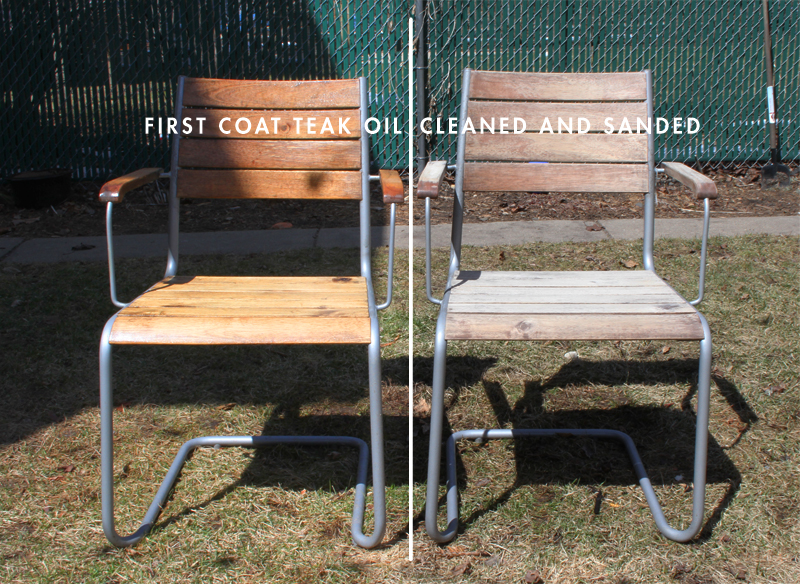
Applying oil to Acacia outdoor furniture protects the wood and keeps it looking fresh. The oil nourishes the wood and helps prevent cracks and drying. Regular oiling extends the life of your furniture and enhances its natural color.
Knowing the right way to oil your furniture is important for the best results. Use the correct tools and follow a simple process to make the oil soak in well. Patience during drying helps the oil cure properly and gives long-lasting protection.
Tools And Materials Needed
- High-quality teak or Danish oil
- Clean, lint-free cloths or soft brushes
- Fine-grit sandpaper (220-grit)
- Gloves to protect your hands
- Clean water and mild soap for cleaning furniture
- Drop cloth or newspaper to protect the work area
Step-by-step Oiling Process
- Clean the furniture with mild soap and water. Let it dry completely.
- Lightly sand the surface with fine-grit sandpaper to smooth it.
- Wipe off dust using a dry cloth.
- Put on gloves to protect your hands from oil.
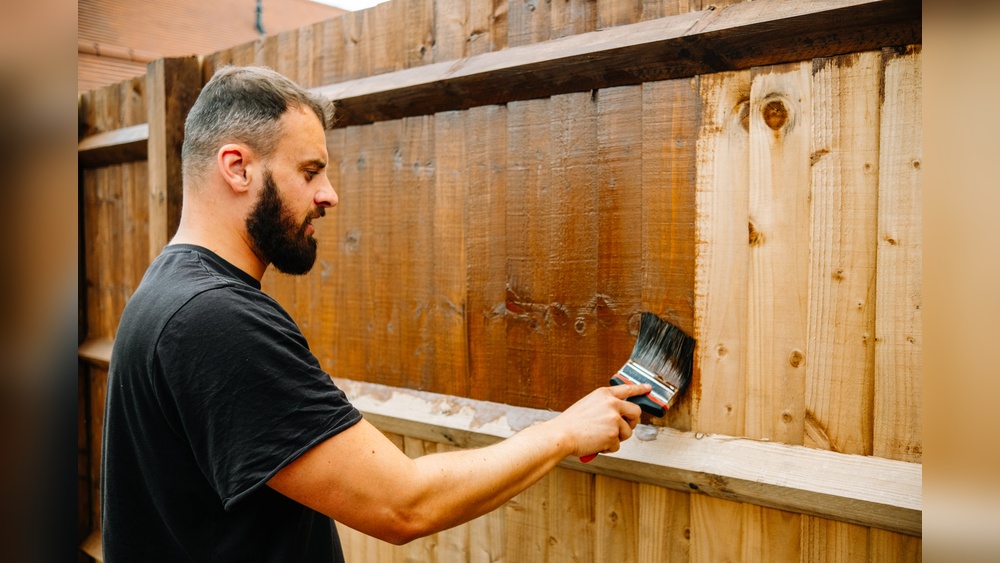
- Apply a thin, even layer of oil using a cloth or brush.
- Work along the grain of the wood for best absorption.
- Let the oil soak into the wood for about 15 minutes.
- Wipe off any extra oil with a clean cloth to avoid stickiness.
- Repeat the process for a second coat if the wood looks dry.
Drying And Curing Times
Allow the furniture to dry in a well-ventilated area. The first coat usually takes 6 to 8 hours to dry. Avoid using the furniture during this time to prevent marks.
For best protection, let the oil cure for 24 to 48 hours. Full curing ensures the oil sets deep into the wood. After curing, your Acacia furniture will feel smooth and look vibrant.
Maintaining Oiled Furniture
Maintaining oiled acacia outdoor furniture keeps it strong and beautiful. Oil protects the wood from water, sun, and dirt. Regular care helps the furniture last longer and look fresh.
Oiling also prevents cracks and fading. Clean the furniture before applying oil. Use a soft cloth to spread the oil evenly. Let it soak in and dry well for best results.
Frequency Of Reapplication
Apply oil to your acacia furniture every six months. In hot or wet climates, oil every three to four months. Check the weather and season to plan your care. Regular oiling keeps wood healthy and smooth.
Signs Your Furniture Needs Oil
Look for dry, dull spots on the wood surface. Rough or cracked areas mean the oil is worn out. Water no longer beads on the surface. The wood feels dry to touch. These signs mean it is time to oil again.
Tips For Longevity
Store furniture under cover during heavy rain or snow. Clean dirt and dust before oiling. Use a soft brush or cloth for cleaning. Avoid harsh chemicals that can damage wood. Apply oil in a shaded place to prevent quick drying.
Common Mistakes To Avoid
Maintaining your acacia outdoor furniture needs care and the right oil. Many people make mistakes that damage the wood or reduce its beauty. Avoid these common errors to keep your furniture looking great and lasting longer.
Over-oiling And Its Effects
Applying too much oil can harm your furniture. The wood gets sticky and attracts dirt. It may also take longer to dry, causing a messy surface. Over-oiling blocks the wood pores, stopping it from breathing. This can lead to mold or mildew growth. Use just enough oil to protect and nourish the wood.
Using The Wrong Oil Type
Not all oils suit acacia wood. Some oils do not soak in well or can cause discoloration. Avoid using cooking oils or cheap oils. These can leave a sticky residue or smell bad. Choose oils made for hardwood or outdoor furniture. These oils protect against water and sun damage effectively.
Ignoring Weather Conditions
Weather affects oiling results a lot. Oiling in cold or rainy weather can stop the oil from drying properly. Too much sun can make the oil dry too fast, leaving uneven spots. Pick a dry day with mild temperature for oiling. This helps the oil soak in well and protect your furniture.

Credit: hcluxuryoutdoor.com
Alternative Protection Methods
Protecting your acacia outdoor furniture is key to keeping it beautiful and strong. Oils are popular, but there are other good ways to protect the wood. These alternative methods help guard against weather, dirt, and wear. They can make your furniture last longer and look fresh.
Using Sealants And Varnishes
Sealants and varnishes create a hard, clear layer over the wood. This layer stops water and dirt from soaking in. It also blocks sunlight, which can fade the wood. Applying sealants or varnishes needs care. Use a brush and follow the instructions on the product label. These coatings may need reapplying every year or two for best protection.
Covering And Storing Furniture
Covering your furniture with waterproof covers keeps it safe from rain and dust. Choose covers that fit well and allow air flow to prevent mold. When not in use for a long time, store furniture indoors. A dry, cool place is ideal. This reduces exposure to harsh weather and helps the wood stay in good shape.
Combining Oils With Other Treatments
You can use oils together with sealants or varnishes for extra protection. Start by applying oil to keep the wood nourished. Once dry, add a sealant or varnish on top for a strong shield. This method improves water resistance and keeps the wood healthy. Regular care with both products helps your furniture look great year-round.
Credit: www.deucecitieshenhouse.com
Frequently Asked Questions
What Type Of Oil Is Best For Acacia Furniture?
Natural oils like teak oil or linseed oil work best. They penetrate deeply, enhancing the wood’s color and protecting it from weather damage.
How Often Should I Oil Acacia Outdoor Furniture?
Oiling every 3 to 6 months is ideal. This keeps the wood nourished, prevents drying, and maintains its natural beauty in outdoor conditions.
Can I Use Olive Oil On Acacia Wood?
Olive oil is not recommended as it can go rancid. Use specially formulated furniture oils for lasting protection and to avoid sticky residues.
Does Oiling Acacia Furniture Prevent Cracking?
Yes, regular oiling keeps the wood hydrated, reducing the risk of cracks. It maintains flexibility and extends the furniture’s lifespan outdoors.
Conclusion
Choosing the right oil keeps your acacia furniture strong and beautiful. Natural oils like teak or linseed protect wood from water and sun damage. Regular oiling stops cracks and fading. Simple care means your outdoor furniture lasts many years. Enjoy your space with wood that looks fresh and warm.
A little effort today saves big repair costs later. Keep your acacia furniture cozy and welcoming all seasons.